Learning From Super People
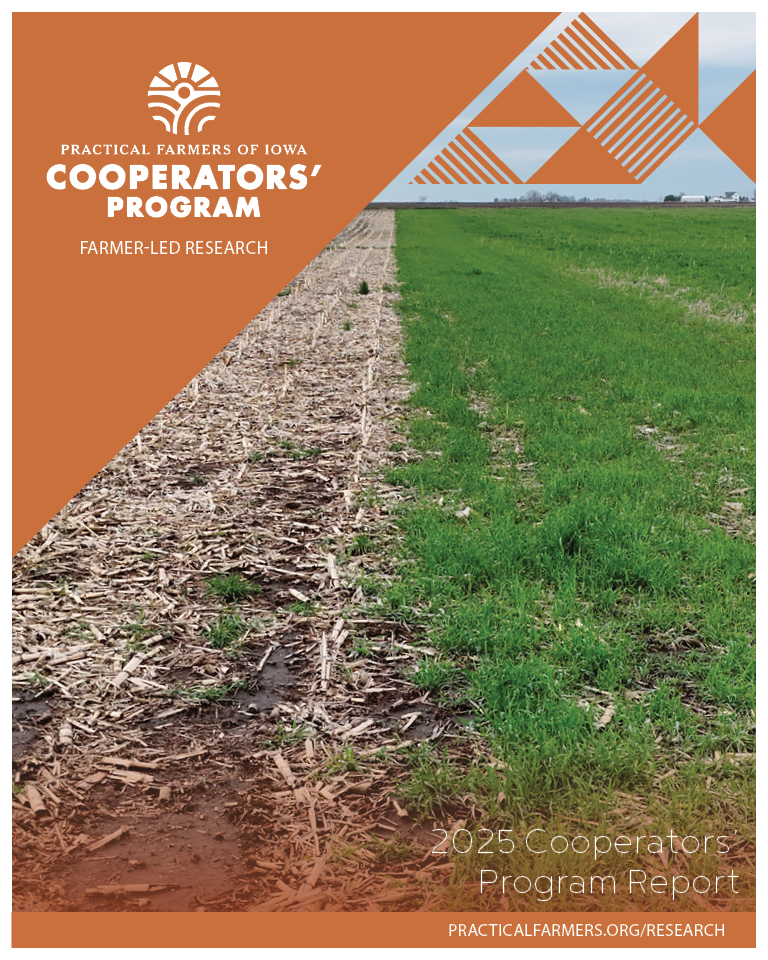
Each year, this report offers a window into the questions farmers are asking – and the answers they are uncovering – through our Cooperators’ Program. There are so many decisions to make on a farm, and no shortage of ideas worth trying.
This report also celebrates the ingenuity, curiosity and generosity of the farmer-researchers who make it possible. In 2025, farmers tested practices as diverse as their operations – because our community spans many enterprises, goals and geographies.
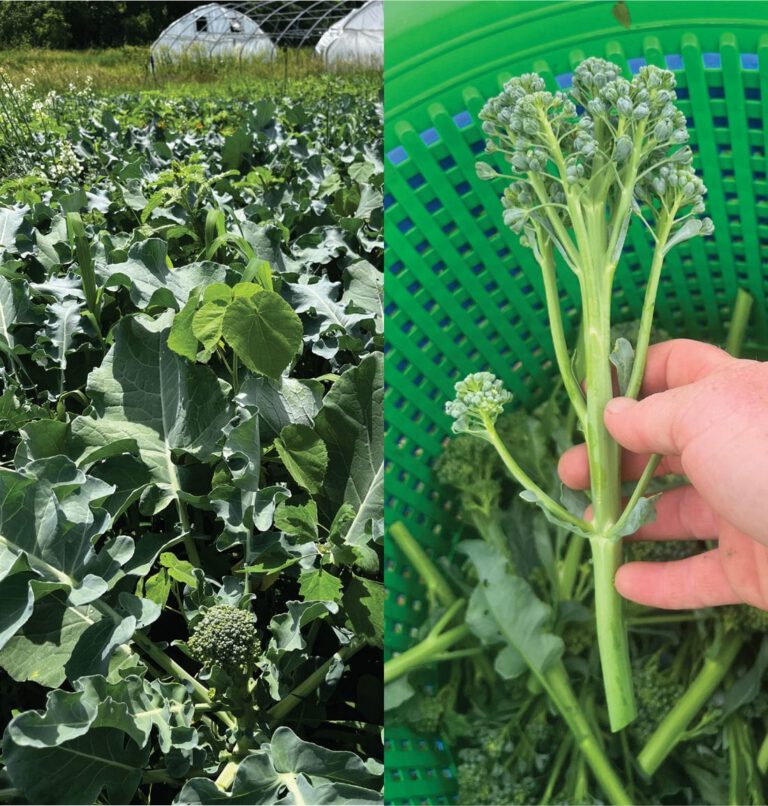
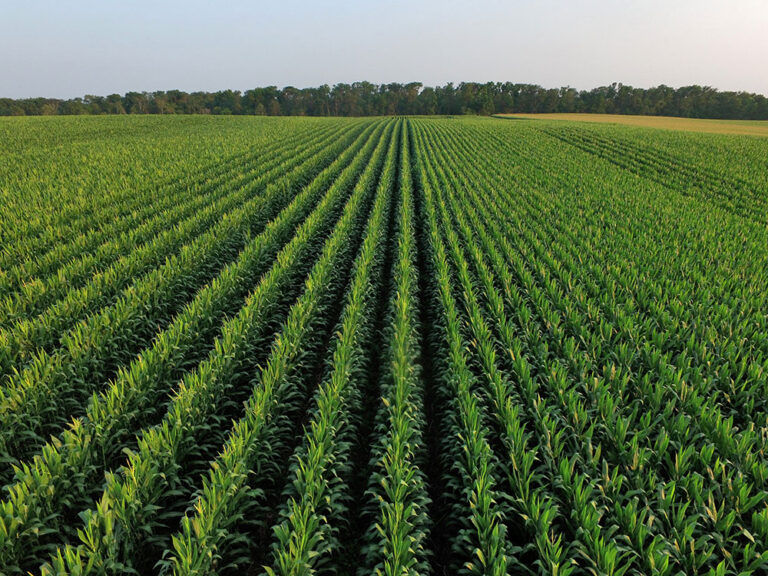
Doug Alert, after he and a group of organic corn farmers trialed a new seed treatment, emphasizes the value of learning which practices don’t pay off, helping narrow the focus to what truly works. Likewise, Ana Timmer is prioritizing sprouting broccoli varieties she already knows perform well, leaving behind those that didn’t meet expectations.
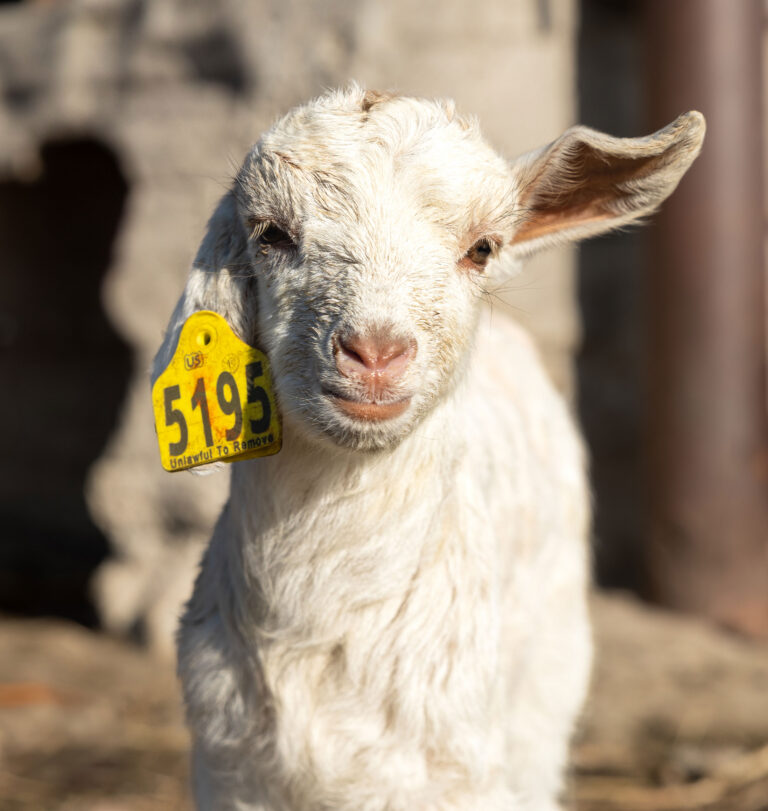
Hannah Breckbill sees opportunity in using more and different cover crops, after she and three other farms learned how numerous species mixes perform in the summer window between spring and fall vegetables. And after seeing how well his goat does and kids did grazing cover crops, Adam Ledvina is looking ahead with a clear goal of putting cover crops to their fullest use in the years to come.
We are proud to amplify so many voices and perspectives. The research in these pages measures what matters most to the people doing the work: yield, weight gain, biomass, weed pressure, costs and the time and labor required for key tasks. This commitment to practical, farmer-driven questions is what gives this program its strength.
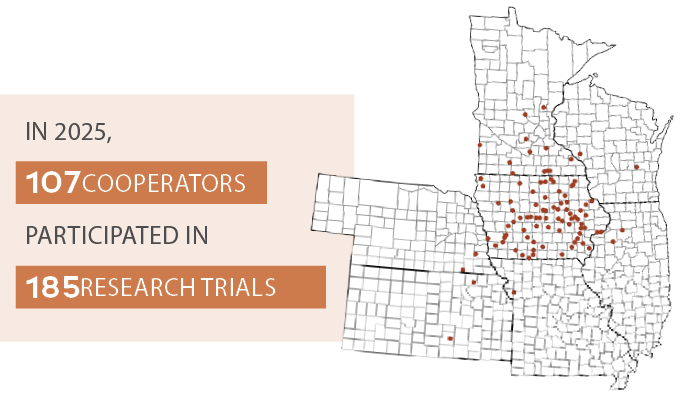
I also want to salute our new cooperators. In the past five years, participation in the Cooperators’ Program has more than doubled, and the number of trials conducted has more than tripled. We are energized by this growth – and eager for more – because it reflects the value farmers place on generating their own data and learning from one another.
First-timers Ashley and Zach Wenke of Montezuma, Iowa, have joined a long lineage of cooperators who have found that participating in trials “forces” one to write things down, collect data and make observations to examine if what you suspect is going to happen will happen. “[Our trials] were good learning experiences to learn the importance of laying out our beds, harvesting, weighing, etc.” Ashley says. “We developed clearer ways of using our whiteboards in our pack shed and double-checking when things were done being collected.”
When we ask cooperators what they gain from participating, two themes rise to the top. First, the results help them make confident decisions moving forward, bringing a sense of clarity and peace of mind. Second, the experience of working alongside peers strengthens their farming journey. Bob Sullivan of Woodbine, Iowa, probably puts it best: “I’m engaging myself into learning more about sustainability and learning from some super people (PFI).” That speaks to the power of this research community: It builds relationships, fosters belonging and creates shared momentum. We strive to support that through creative spaces to connect, organize and learn together.
The projects highlighted here represent only a portion of the research completed in 2025. I encourage you to visit practicalfarmers.org/research to explore the full set of results and dive deeper into the questions and discoveries that interest you most.
As you turn the pages, I hope you feel the energy of this community that’s curious, collaborative and committed to learning. At its best, this work connects farmers with one another around shared questions and real-world challenges. When that connection happens, learning flows in all directions and confidence grows alongside it.
Thank you to the cooperators who make all this great work happen.
In cooperation and curiosity,
Stefan Gailans
Research Director
Research Trial Locations