Making Connections
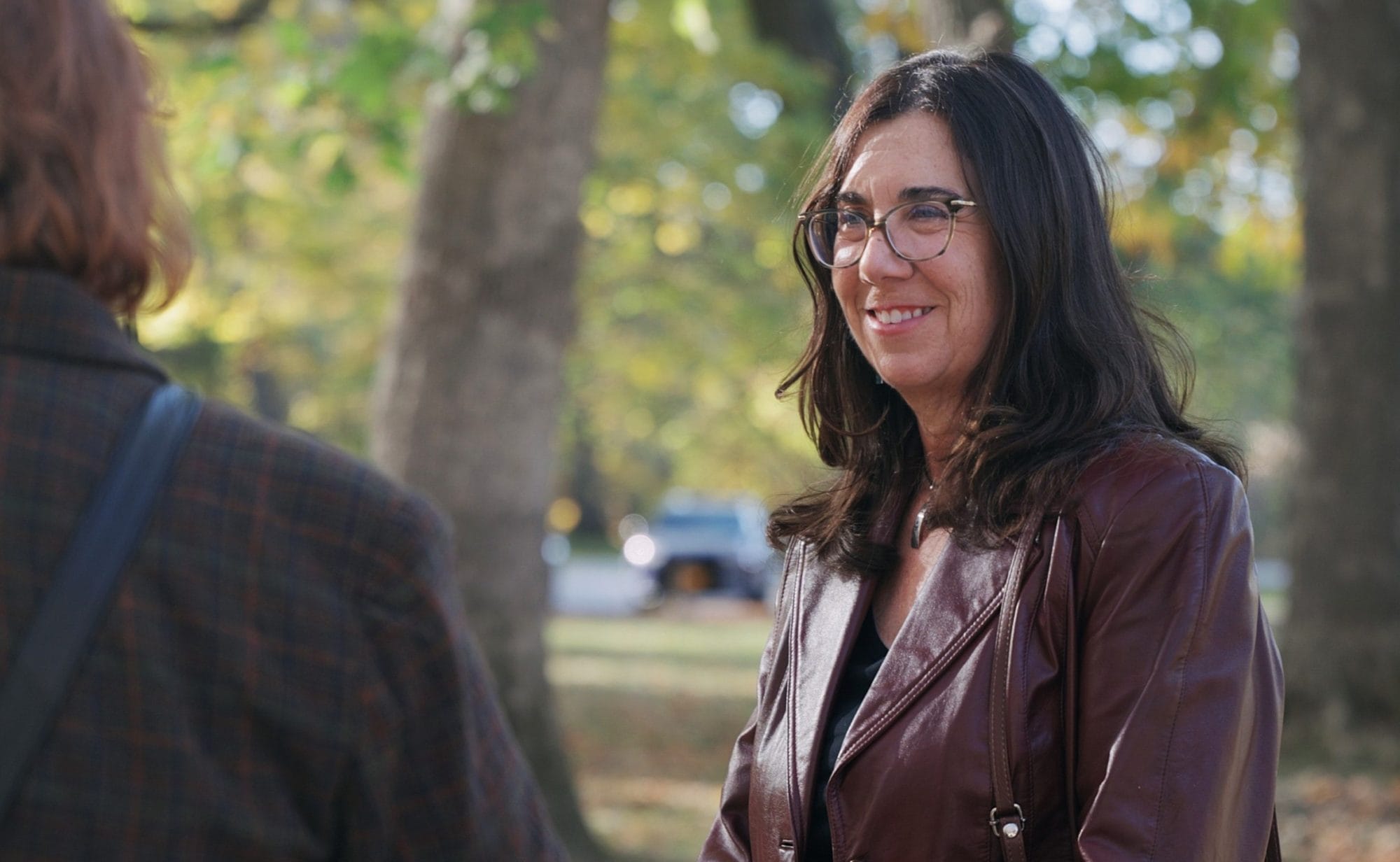
Though creativity was the spark for the Cummings' market success, relationships fueled the fire. Many miles to the east, a very different small-grain operation also relies on personal connections. Andy Hazzard grew up on a row crop farm near Pecatonica, Illinois, and raised animals for 4-H. In 2007, she decided to start Hazzard Free Farm, a vegetable CSA farm. But through the first few years, she always had a feeling that grains were what she really wanted to grow. “The vegetables were just kind of a way to get started,” she says. “When the door opened for grain, I thought, ‘Let's see if we can make this go!'”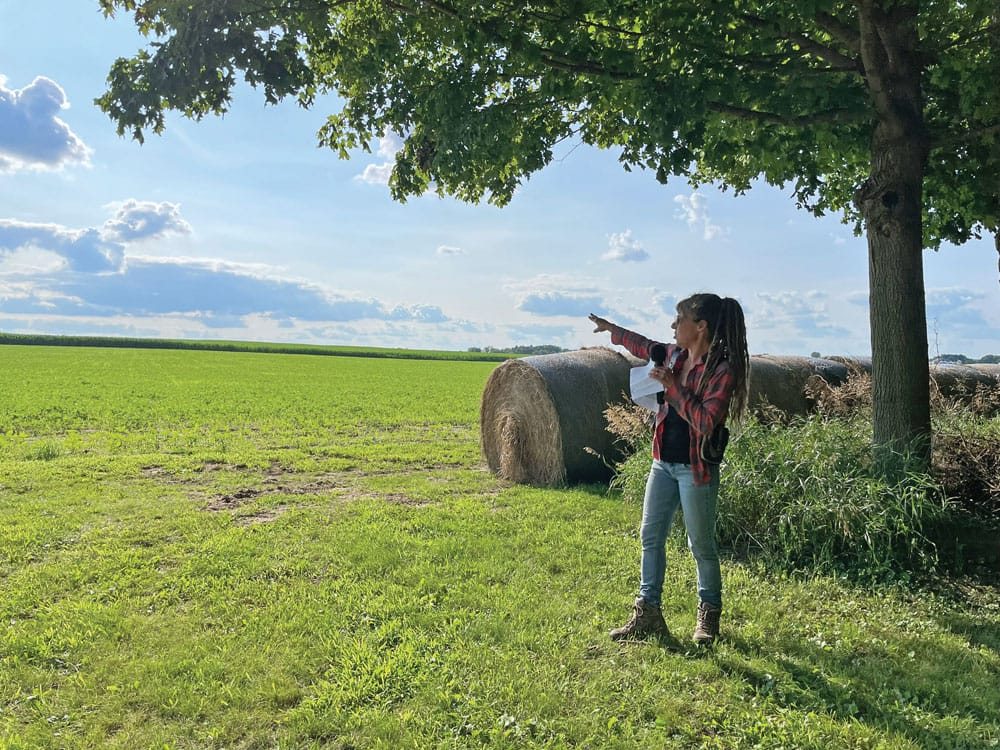
“The more I talk to people, I find that they really want to get their hands back into nature in a different way,” she says. “That connection with food offers a whole space where we can hold a hand out and say, ‘Come and see. Come and experience it.'”
Building Resilience With Livestock
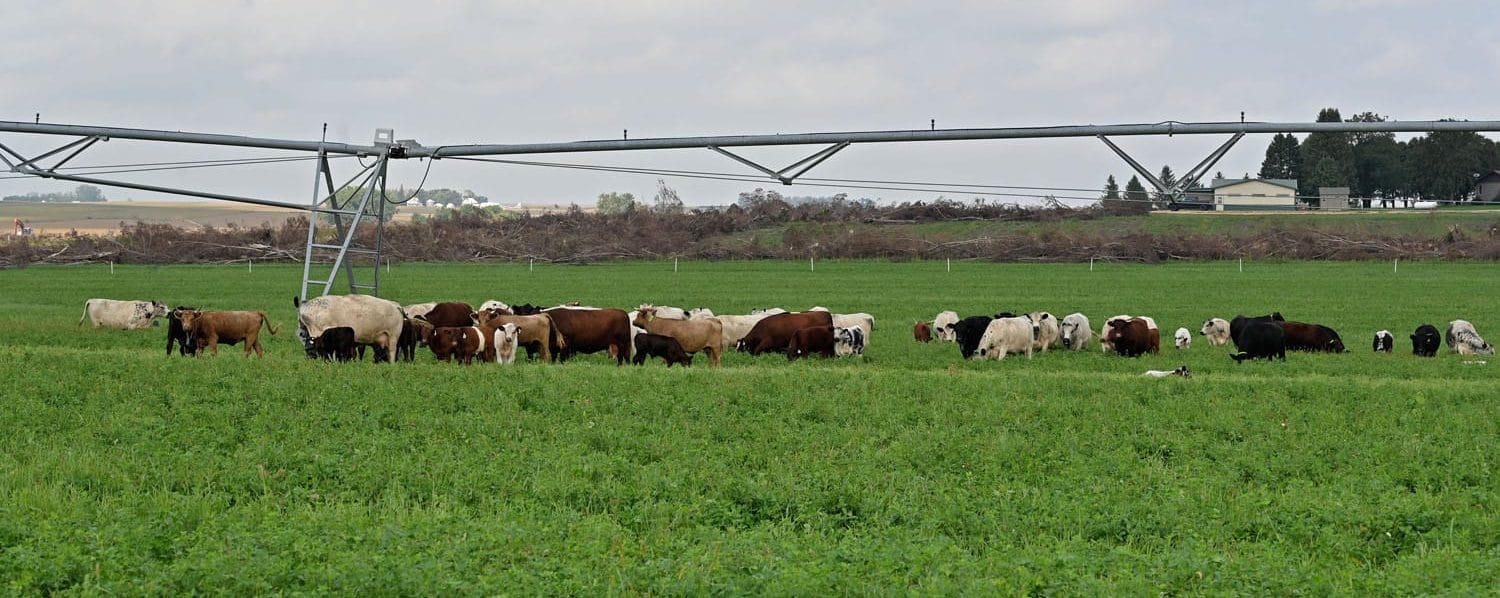
Even with innovative ideas and a supportive network, things often don't go as planned on a farm. For Andy, because her products are used in table food, she must be careful at each processing step to meet food-grade requirements. She cleans her grain using a gravity table before sending the grain to be tested. She's also careful to ensure the grain dries thoroughly before selling. Yet challenges still arise. “One time, there was a series of events that led to the combine picking up clods of dirt on some purple barley. I cleaned it probably four times, but I couldn't get the toxin dust out,” Andy says. “That was so sad because the crop was beautiful.” The toxin Andy refers to is vomitoxin, a substance made by a type of fungus that can contaminate grains like corn, wheat and barley. Guidelines for food-grade grains limit vomitoxin levels to 1 part per million or less. But Andy has learned she can feed tainted grain to livestock, as long as vomitoxin levels are under 5 ppm. Near Spring Green, Wisconsin, Michael Dolan of Seven Seeds Organic Farm has also learned the value of raising both grains and livestock. Michael and his family focus mainly on raising 100% grass-fed cattle and marketing their beef. They first started growing small grains as feed for their cattle. As they transitioned to grass-fed, they decided to grow high-value food-grade grains.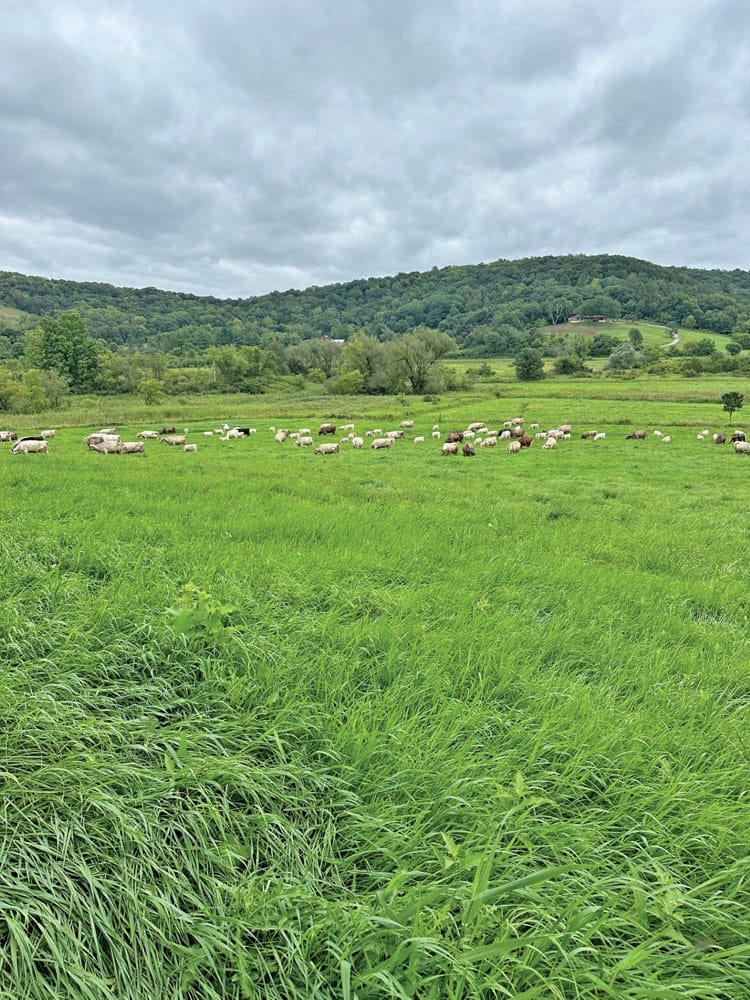
Cultivating Respect
For Michael, Andy and the Cummings, small grains have been key to cultivating resilience on their farms. Beyond the physical crops, each has made a concerted effort to form strong connections in their community, building trust through reliability, hard work and a bit of flexibility. “One relationship really can change everything,” Robin says. “But it was Tom's personality – his willingness to work hard and get the product to the store in a timely manner – that the manager really liked.” Michael asserts that communication is key.“Reach out to your customers and receive feedback whether it's negative or positive. If it's negative, make adjustments. See what you can do.”With some ingenuity, networking, patience and a back-up plan, small grains may well lead to large gains.