A Close Look at Fusarium Head Blight
“In my whole career, FHB has been front and center in spring wheat and barley. It's been truly the only constant in those 30 years,” Jochum says, “but FHB in oats was considered more of a singularity.” This is primarily because an oat panicle is more open than that of wheat or barley. Leaf wetness periods of more than eight hours are important for FHB to thrive, but oats generally dry out before reaching that mark. However, the constant warm and humid weather experienced in June and July 2024 offered the perfect conditions for FHB to thrive in oats.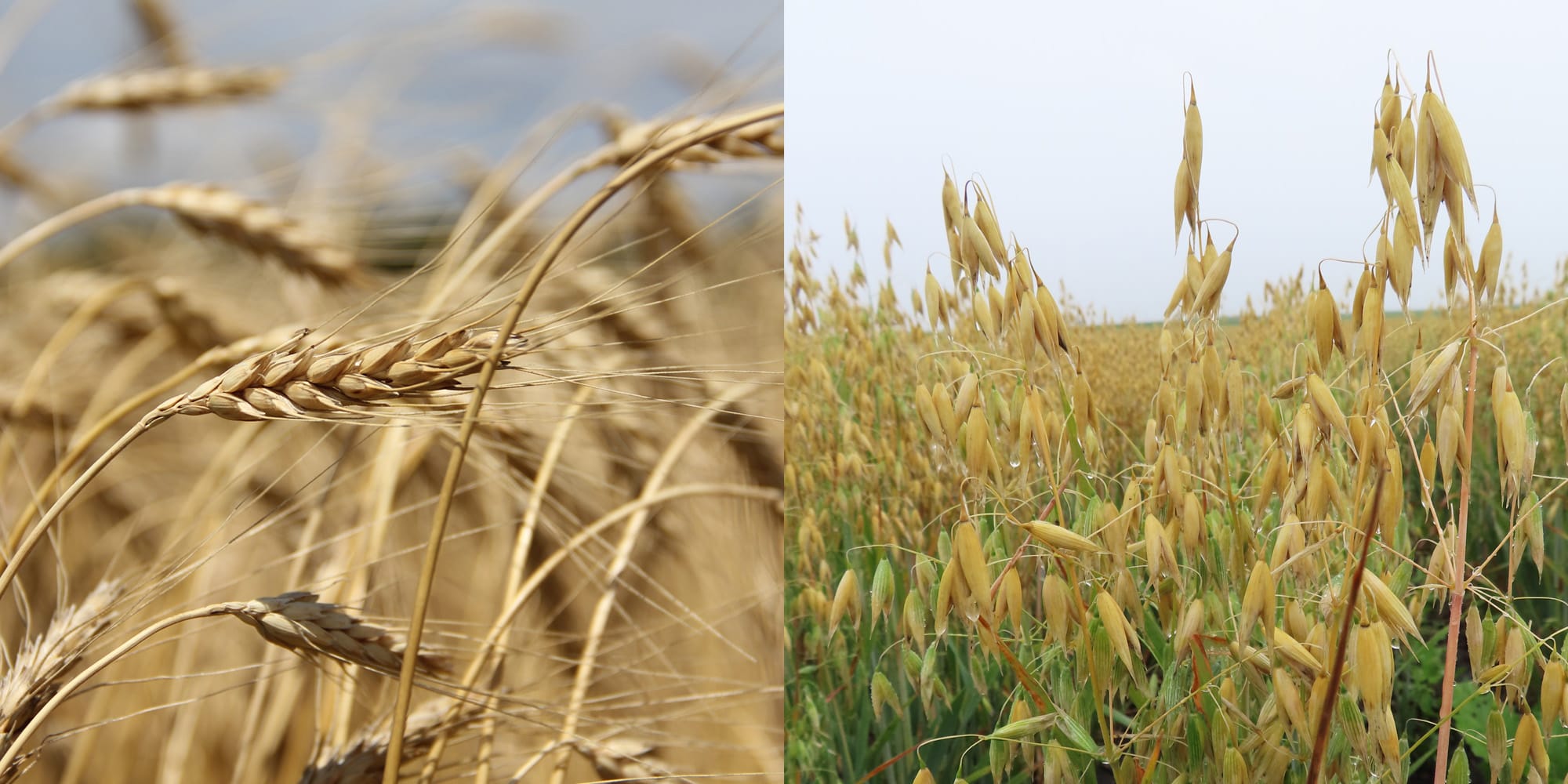
How to Respond and Prepare
As oat tests began showing high levels of DON following harvest in 2024, Jochum wanted to see if cleaning could reduce concentrations. He used a tabletop aspirator and Clipper grain cleaner with sieves to clean 11 oat samples varying in DON concentration, test weight, germination rate and percentage of pink (infected with FHB) kernels. After analyzing results, Jochum concludes, “We don't see the very drastic changes in quality by simply getting rid of the smaller, lighter kernels.” This shows that prevention and management of FHB in oats should draw more from knowledge of FHB in barley than in wheat. Wheat can be easily cleaned to reduced concentrations, whereas barley cannot.
Future Research
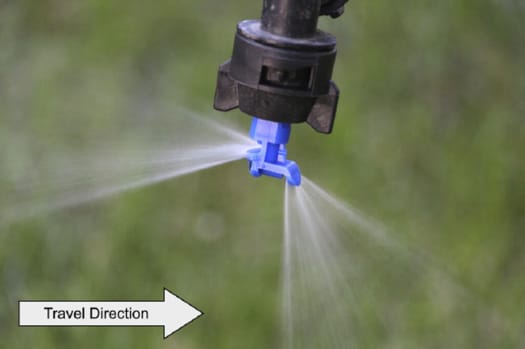
Using fungicide to prevent FHB is not an option for organic farmers, who instead rely primarily on finding disease resistant varieties of small grains. Unfortunately, because FHB has not been common in oats, there is a dearth of knowledge of which oat varieties, if any, hold some resistance to the disease. Fortunately, as of spring 2025, Jochum and Kevin P. Smith, a professor in small grains breeding and genetics at University of Minnesota, have received funding to research prevention and management strategies for FHB in oats. They will test current varieties for genetic resistance to FHB in inoculated nurseries and conduct fungicide trials to determine efficacious application methods. Jochum is hopeful that this work will offer insights into how to breed FHB-resistant oat varieties, alleviating a level of stress for oat farmers in the future.Additional Resources
Concerned about the potential of disease in your oat crop? Check out these resources to be informed of when the disease could cause issues and how to effectively respond.- North Dakota State University's “Ground Application of Fungicides for Fusarium Head Blight Management”
- Penn State University's Fusarium Risk Tool
- Iowa State University's “Foliar Fungicide in Oat Production” (focus on crown rust and barley yellow dwarf virus)
- Practical Farmers of Iowa's “Improving Resilience and Profitability Through Oat Breeding”
- 2025 Winter Webinar: “How Do Small Grains Grow and Develop? Harnessing this Knowledge to Improve Management”
- Agronomic Crops Network - “What is the Meaning of Feekes Growth Stages in Wheat?”
- Subscribe to FHB alerts from the U.S. Wheat & Barley Scab Initiative