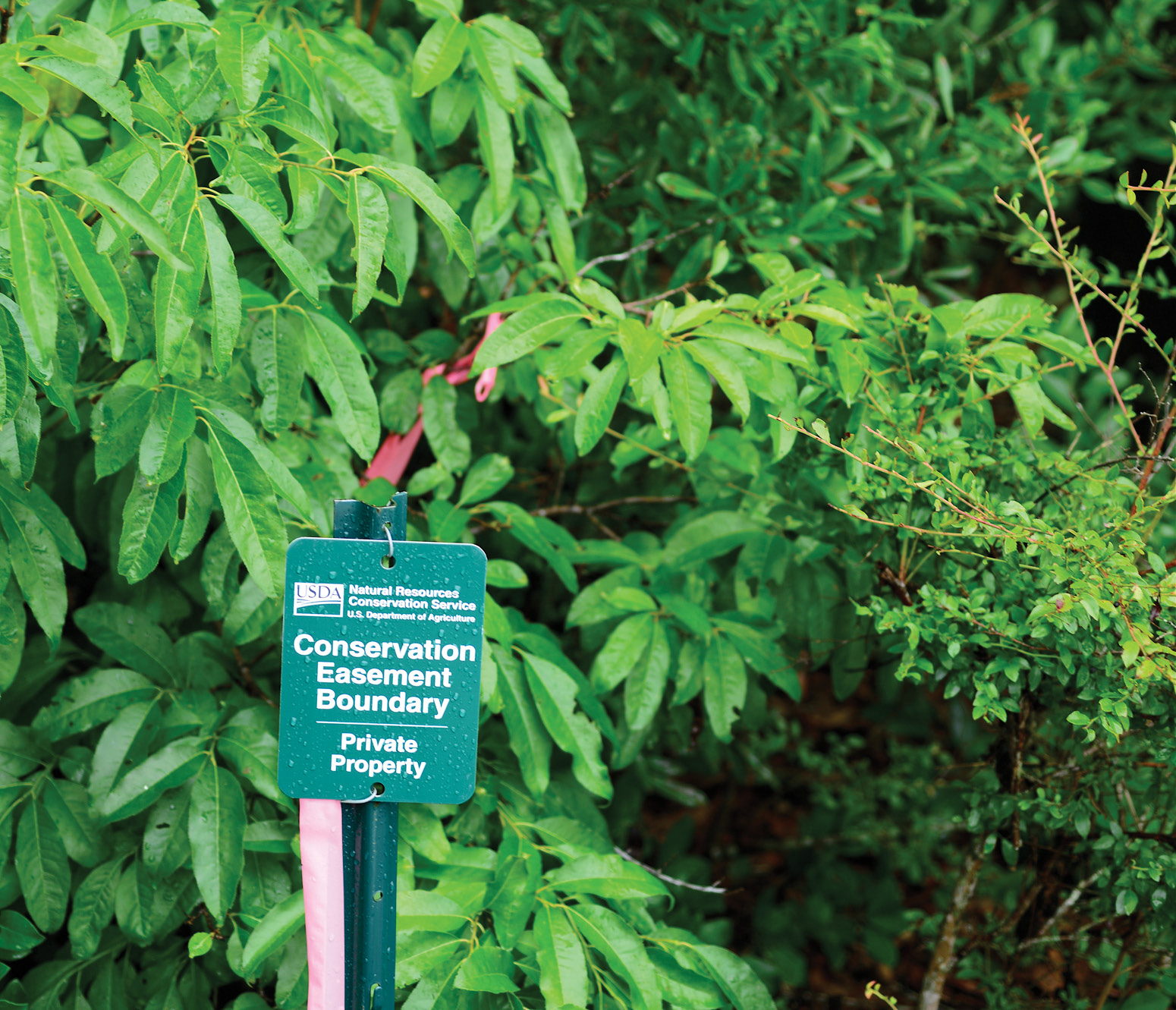
What Is a Conservation Easement?
There are many types of easements. The most common type is also referred to as a right-of-way, which provides for access to or across private property. A conservation easement, however, is different and specific. According to the Land Trust Alliance, a conservation easement is a “voluntary legal agreement between a landowner and a land trust or government agency that permanently limits uses of the land in order to protect its conservation values.” The key, says Erin Van Waus, conservation easement director with the Iowa Natural Heritage Foundation, is that a conservation easement exists in perpetuity. “No matter who owns your land in the future,” Erin says, “that easement and its requirements remain with the land forever.”Why Use a Conservation Easement?
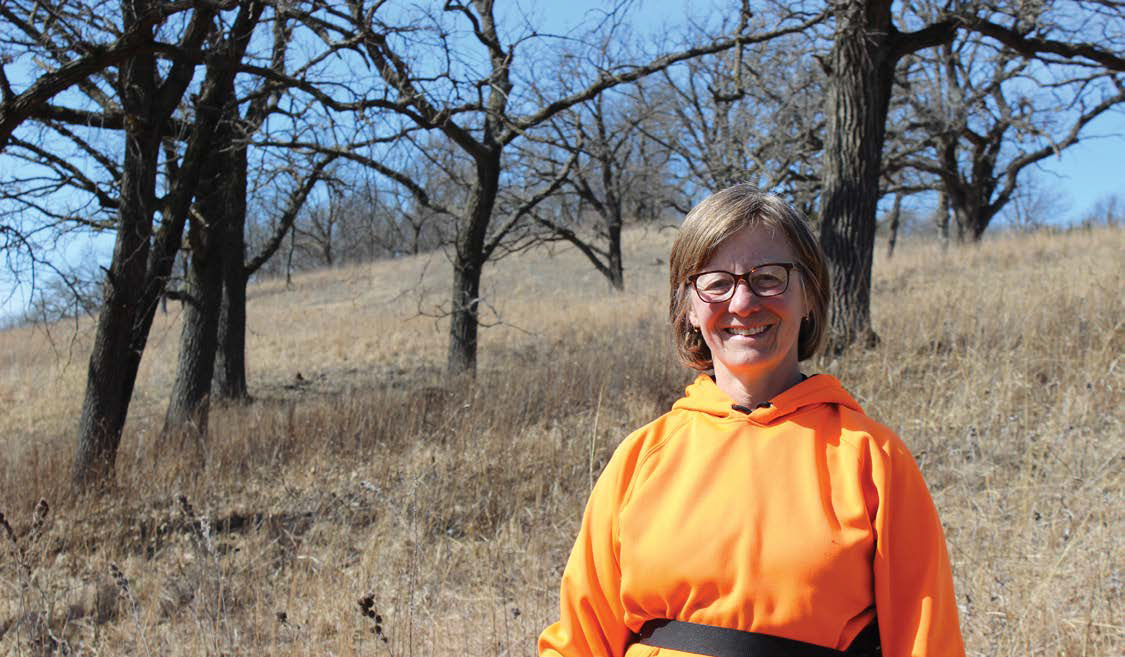
“Top of the list for many landowners is peace of mind,” Erin explains. “They want to know that this farm that their grandfather put together, or the place they first went turkey hunting, will be like that forever, and that no matter who owns it into the future, this place that's near and dear to their heart will be protected.” PFI member Beth Henning, who has experience with different types of conservation easements established with different organizations, echoes that sentiment. “It's a great relief to me to know the land is protected after I'm gone,” Beth says, referencing both her personal and family properties that are protected by easements with INHF and the Sustainable Iowa Land Trust, respectively.“Top of the list for many landowners is peace of mind. They want to know that this farm that their grandfather put together, or the place they first went turkey hunting, will be like that forever, and that no matter who owns it into the future, this place that's near and dear to their heart will be protected.” – Erin Van WausOn Beth's personal land (90 acres in Guthrie County), she and her husband put considerable work and effort into restoring prairie and savanna. In order to protect that habitat – and preserve the work and toil they invested in the property – Beth wanted to ensure the land wouldn't be developed or used in a way contrary to their vision for the property. She worked with INHF to develop the easement language. As a result, the majority of the farm, save for 8 acres reserved for a homestead, will never be farmed or developed.
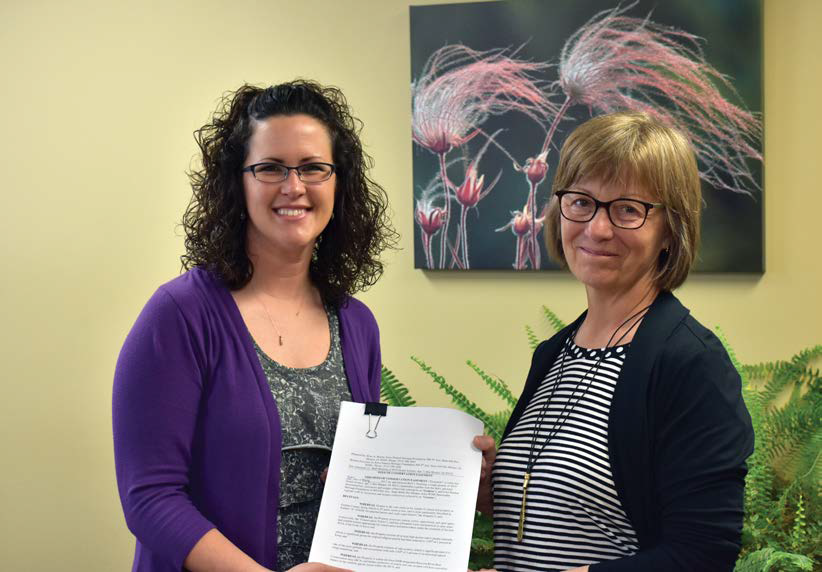
"It's a great relief to me to know the land is protected after I'm gone.“ – Beth HenningIn addition, because easements can lower the market value of the land significantly – 40% reductions in value are not unheard of – they can be a useful tool for succession and transfer planning. For example, one of Beth's family farms was sold to a young local farmer and the other was purchased by a nephew, which kept that particular farm in the family. In both cases, Beth says it would not have been possible for those buyers to afford the land without the conservation easements first lowering the appraised value. Because the price of the land was more attainable, Beth and her family members were able to pursue land transitions that fulfilled their goals and visions for the farms. There are also tax benefits associated with conservation easements. In Iowa, landowners who donate conservation easements can access both a state income tax credit and a federal income tax deduction. Rarely, however, do the tax benefits outweigh the loss of market value or upkeep costs associated with the easement. As always, landowners should speak with their accountants or tax advisors to get a better idea of what kind of tax benefits they would see as a result of pursuing a conservation easement.
Living With a Conservation Easement
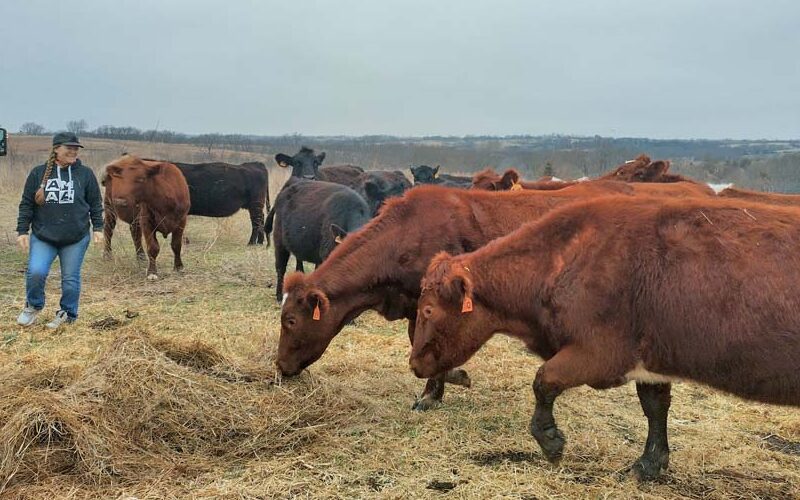
The realities of living with a conservation easement can be daunting. “Some people are reluctant to pursue a conservation easement because they don't want to tie the hands of their children or grandchildren,” Beth says. She and her family worked closely with the farm operators and potential buyers to make sure everyone was comfortable with the terms of the conservation easement on their farms. Shannan Potts and her husband, Rod, are the farm operators on one of the farms Beth and her family put under easement. Shannan says that because the easement aligns with their farming methodology, they've found it actually impacts their operations very little. “We were pretty involved in drafting the easement,” Shannan says. “It was super informative being involved in that process, and it turned out the easement didn't actually change a single thing for our operation.”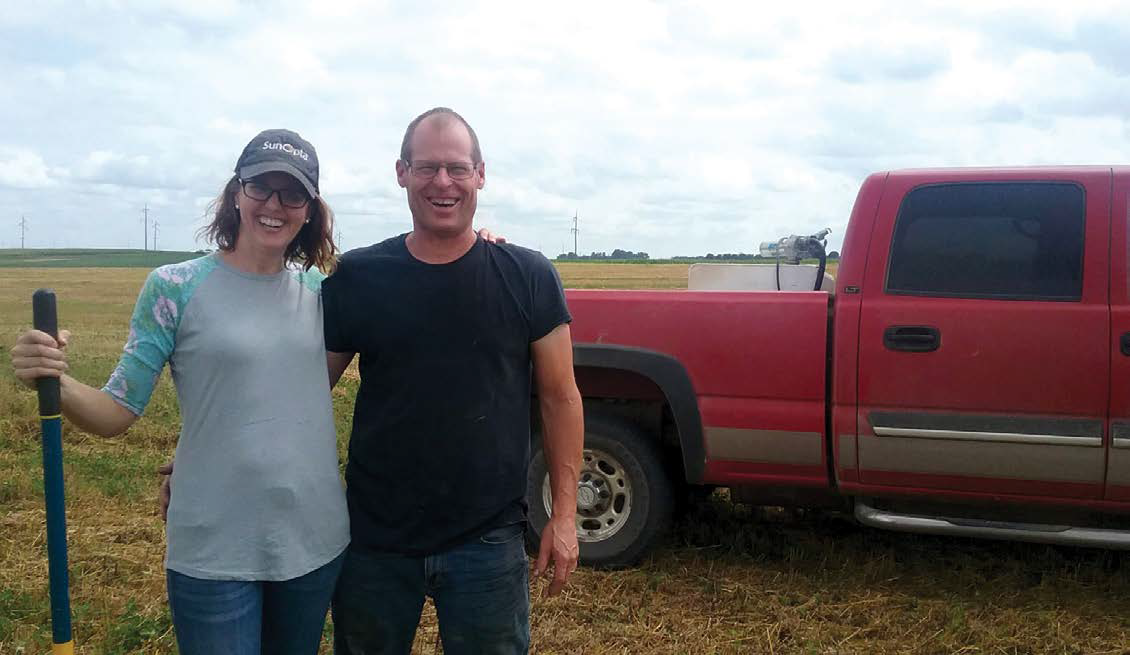
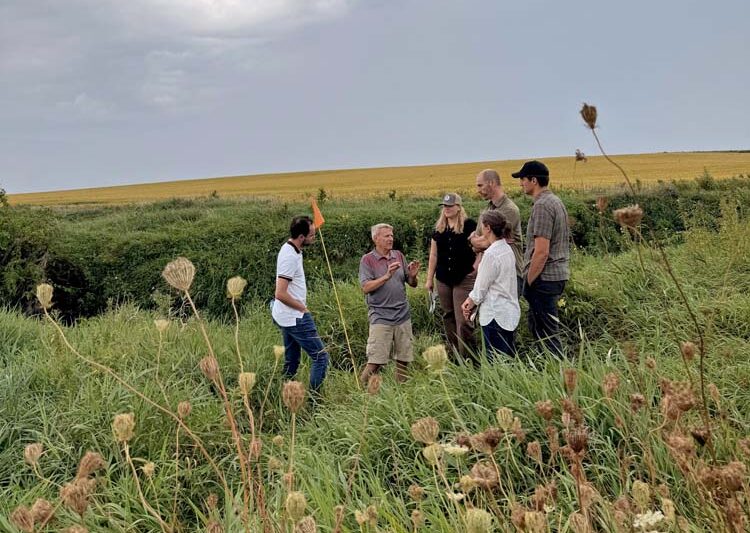
“We were pretty involved in drafting the easement. It was super informative being involved in that process, and it turned out the easement didn't actually change a single thing for our operation.” – Shannon Potts“The first site visit seemed big and scary,” Shannan says, “but it turns out it wasn't big or scary at all.” The first site visit, she explains, ended up involving mainly the landowner, SILT staff and Shannon's husband driving the property to look at what was going on. “We have high hopes that all inspections are as simple and straightforward as the first one.” Although the easement on the land Shannan and her husband farm doesn't affect their operations, easements do have real potential to affect property management in a variety of ways, even when that management is aligned with the spirit of the easement. For instance, on Beth's personal property, which she and her husband had worked to restore to native habitats, Beth suddenly found herself having to consult with Iowa Natural Heritage Foundation, which holds the easement, before taking action. “It becomes a process,” Beth Henning says, “and is a bit of an adjustment after 25 years of managing the land how I wanted.” While she's still adjusting to that requirement, she adds that the open communication she has with INHF staff is critical to working through – and hopefully preventing – any issues. “It's a process of accommodation and compromise,” Beth says. “I'm now managing this land in partnership with the holder of the easement.”
Choosing a Conservation Organization
Conservation easements always involve working with a conservation organization –typically a government agency or a land trust, which is a private, non-profit group that actively works to conserve land. The role a conservation organization plays might vary, but in general it is responsible for ensuring that the restrictions and stipulations within the easement are adhered to after the easement is recorded.