Ag Policy and Building Resilience
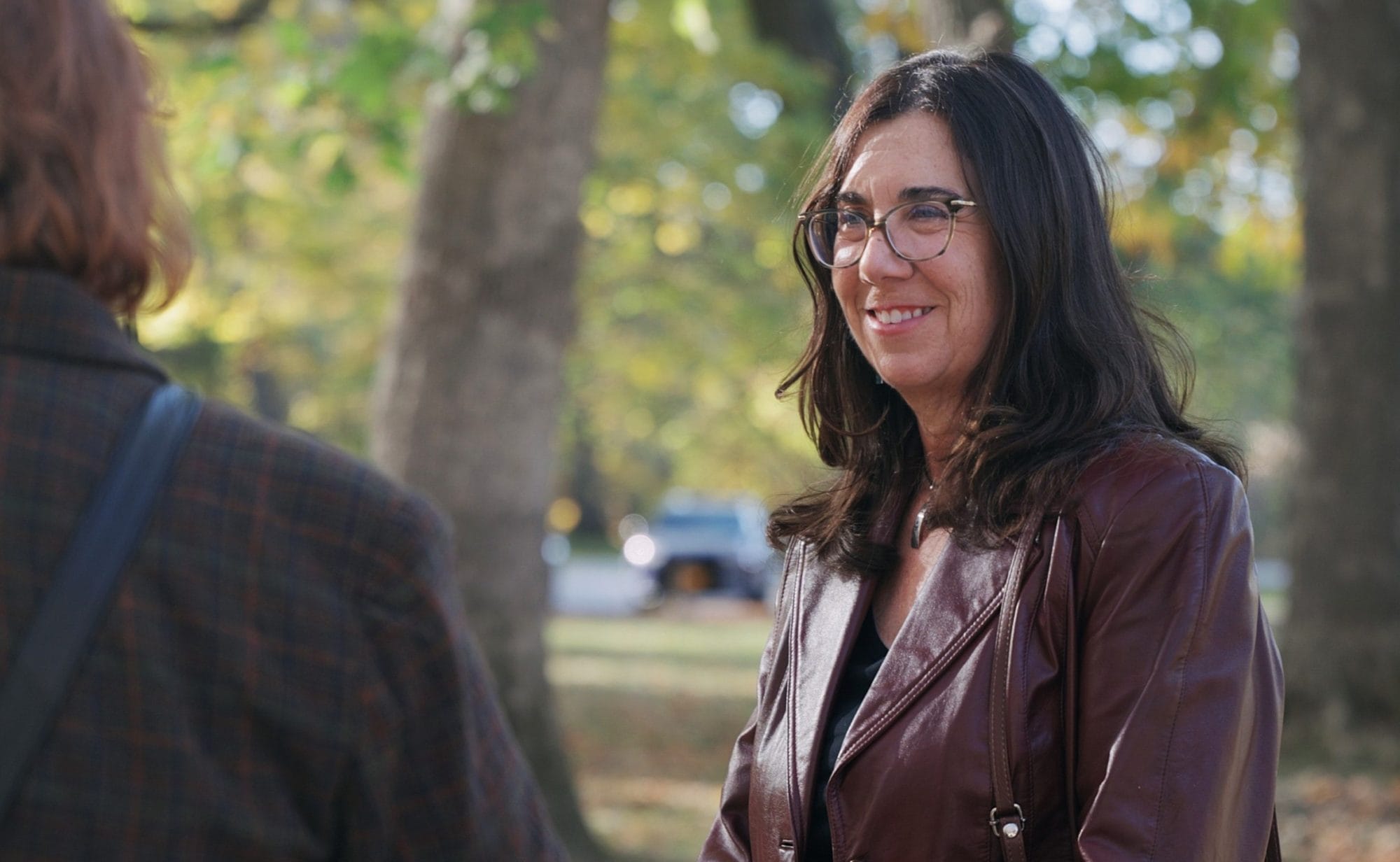
Early in spring 2021, several farmers from rural southwest Iowa – Ron Rosmann, Denise O'Brien and Seth Watkins – met virtually with staff from U.S. Rep. Cindy Axne's office to discuss the important role federal policies and programs can play in building resilient farms and communities in the face of a changing climate. The farmers asked the congresswoman's office to consider supporting increased funding for working-lands programs like the Sustainable Agriculture Research & Education program, the Conservation Stewardship Program and the Environmental Quality Incentives Program. "It's important for us farmers to go to town hall meetings and connect with legislators,” Denise says. “We farmers are the ones that live the reality of agriculture and climate change, and if we want to have a voice, it's important for us to attend these meetings and make our voices heard no matter the party of the elected official.”Showcasing Sustainable Farming Practices
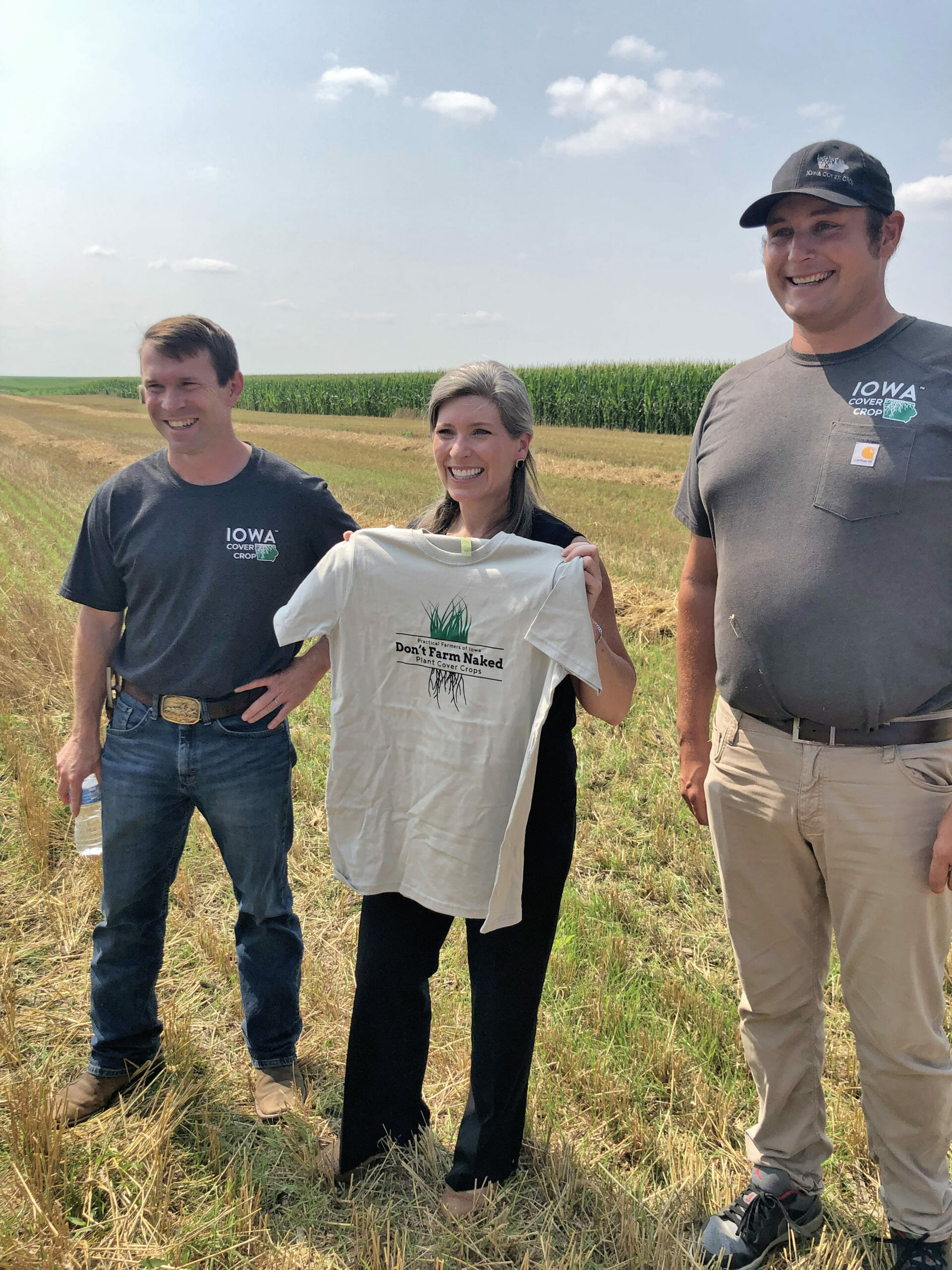
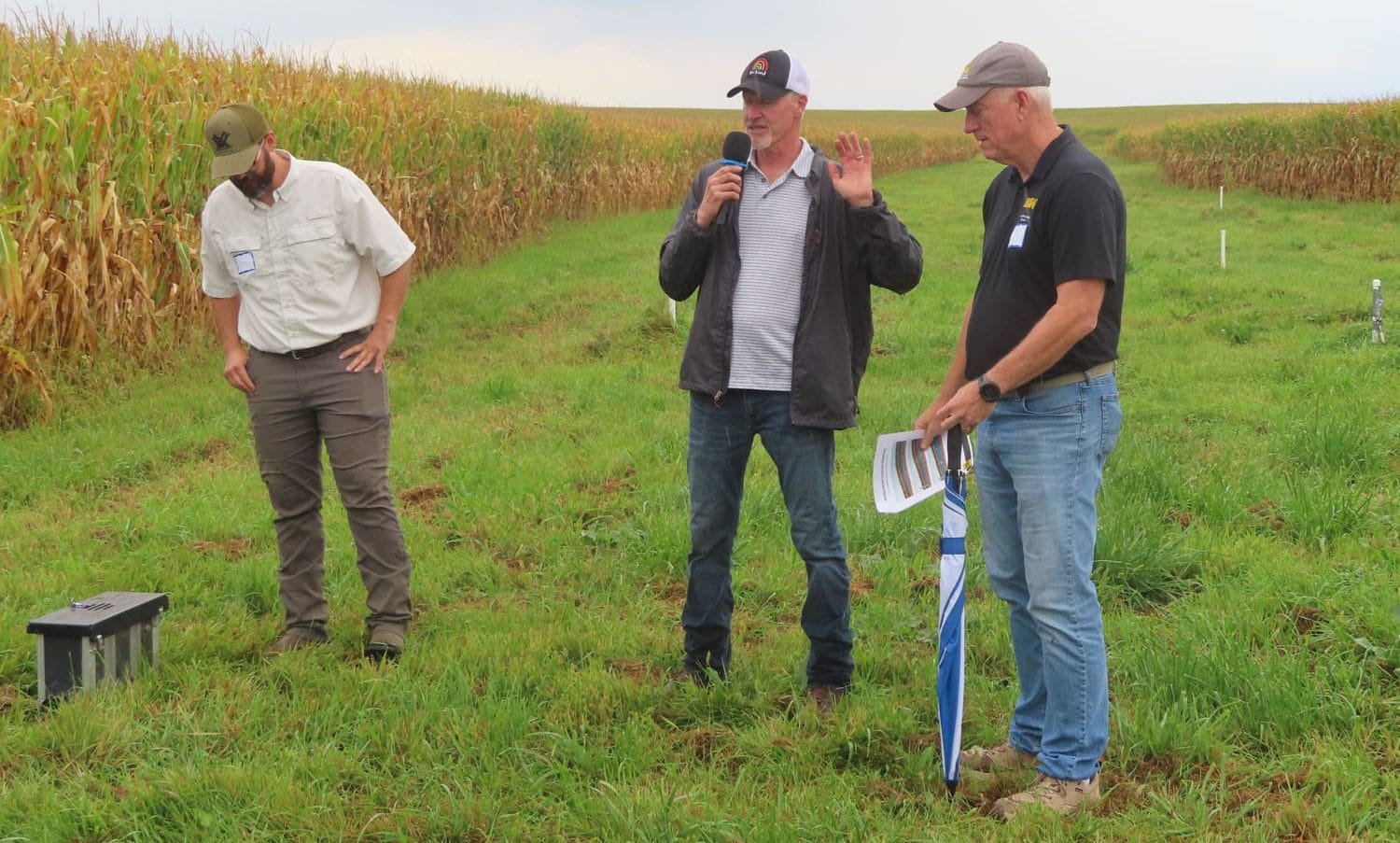
Several PFI members hosted elected officials on their farms to share their experiences and help educate decision-makers on sustainable farming practices and systems. In April, Axne visited Tamara Deal's farm in Guthrie County, Iowa, to learn more about cover crops and hear how federal programs can support farmers' and landowners' transitions to more resilient systems. In July, U.S. Sen. Joni Ernst met with Bill Frederick and James Holz, co-founders of Iowa Cover Crop, on Bill's farm in Greene County. Topics of discussion included cover crops, small grains and the opportunities for new business and enterprises associated with a transition to resilient, extended-rotation systems. “I think it's important that legislators and other influential people see what is happening in their districts and hear personal stories,” says Megan Holz, co-owner of Iowa Cover Crop. “They can see the data and hear the news bites, but when Senator Ernst visited us, she was able to hear firsthand the story of how we were able to build a new business and leave our corporate jobs to come back to the farm.”