In a Nutshell:
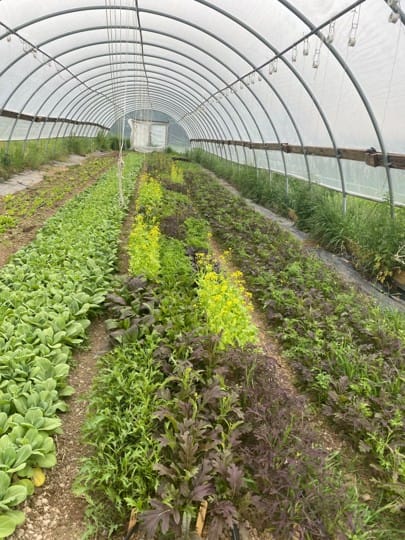
- Mizuna is a mild and peppery brassica green. Historically cultivated in Japan, it often makes an appearance on Midwestern farms as a cut salad green, either alone or in a mix.
- Carmen Black has been growing an all-mizuna salad mix consisting of five varieties mixed together. She was unable to identify which varieties in the mix were bolting early, so she decided to conduct a variety trial to individually test which of the ten mizuna varieties sold by Johnny’s Selected Seeds performed well as cut greens in her high tunnel system.
Key Findings
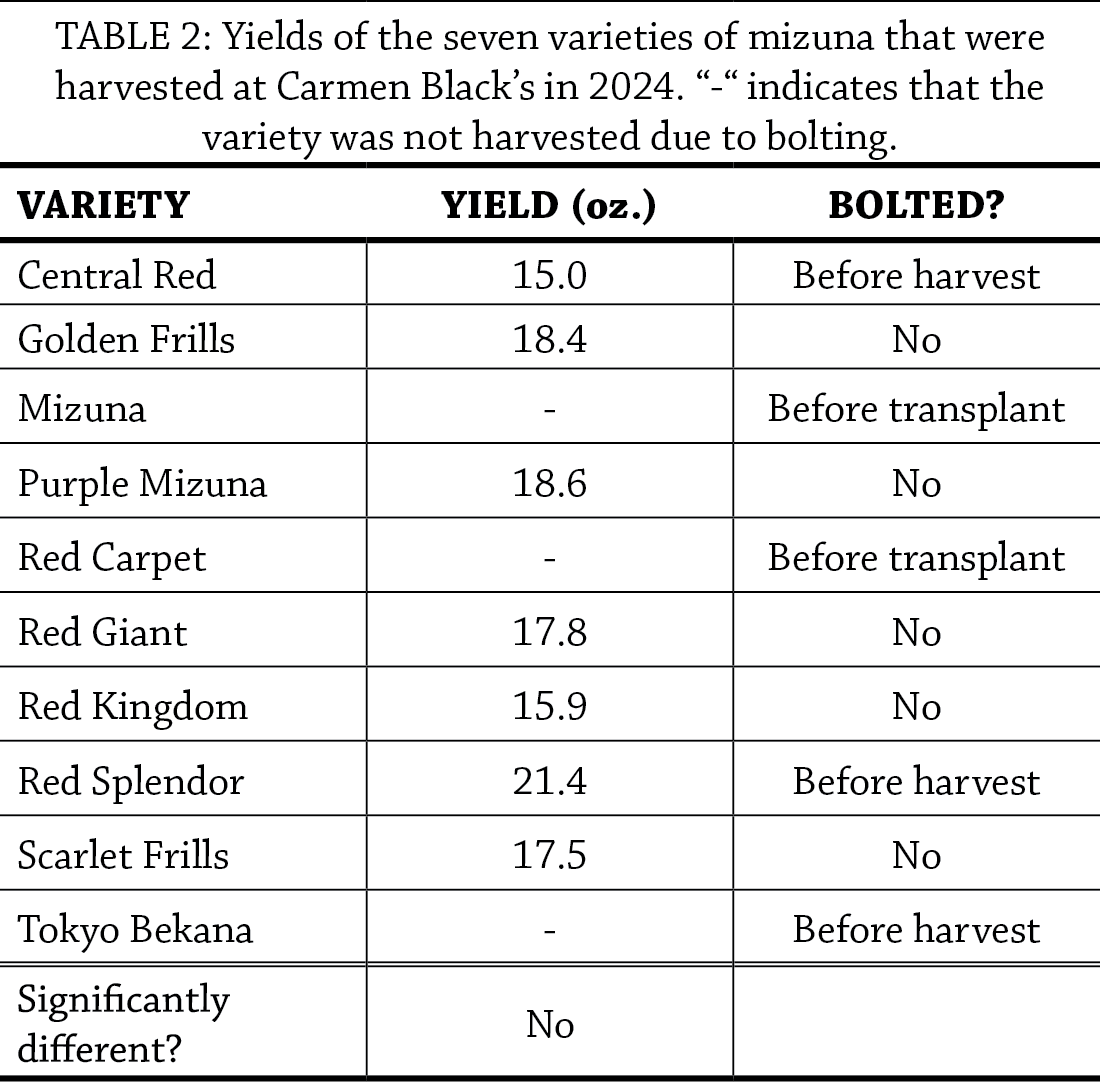
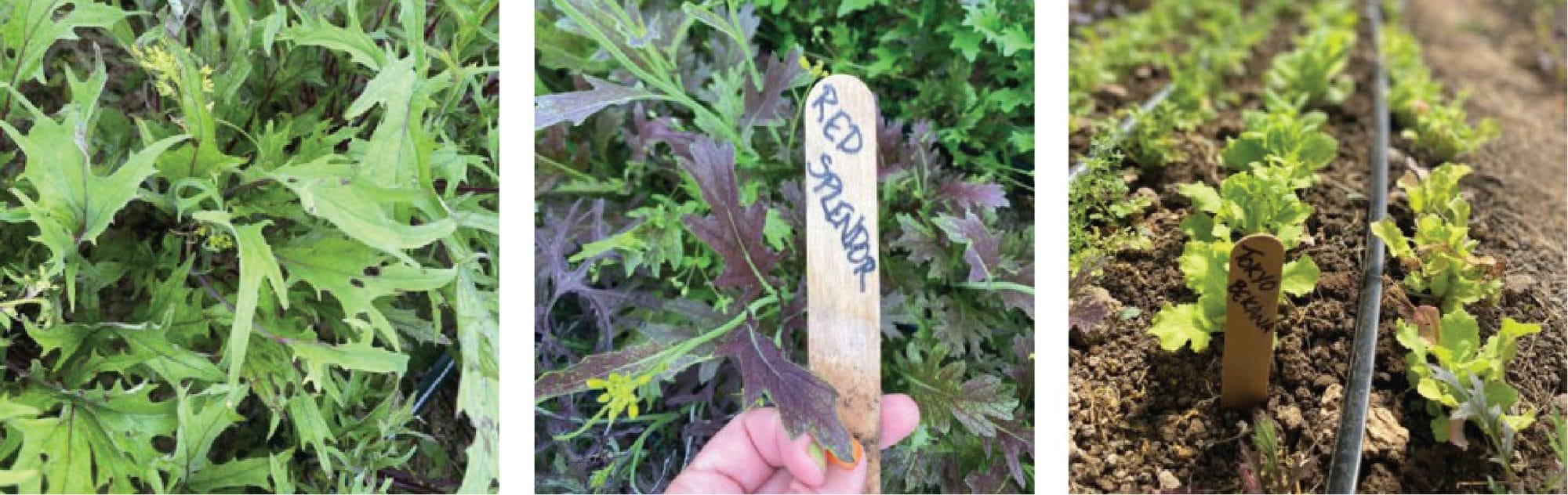
- Of the ten varieties that were seeded, Mizuna and Red Carpet bolted before transplant. Tokyo Bekana bolted after transplant to an extent that it was also not harvestable.
- Red Splendor, Central Red, and Red Giant all bolted before harvest but were still tender enough to be sold with bolted stems removed.
- There were no significant differences in the harvested weight of the seven varieties that were harvested. Black concluded that in the future, she will try a mix of Scarlet Frills, Golden Frills, Purple Mizuna, Red Kingdom and Red Giant.
Background
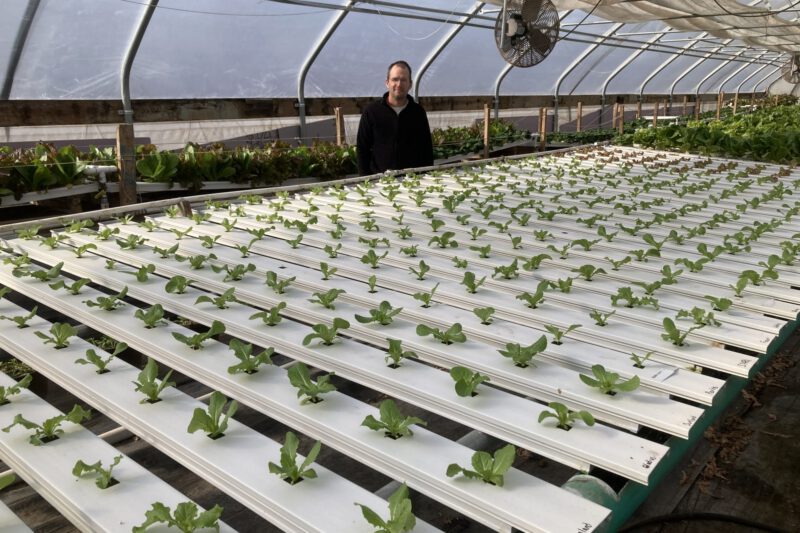
Carmen Black has previously grown an all-mizuna cut greens salad mix consisting of five mizuna varieties for her customers. Some of the varieties included in the mix often bolted before harvest, but she was unable to pinpoint which varieties they were. So, she decided to conduct a trial investigating how each of these five mizuna varieties in addition to the remaining five varieties available through Johnny’s Selected Seeds performed when grown individually as cut salad greens in her high tunnel system. She was most interested in which varieties bolted before the leaves were a harvestable size and whether any varieties yielded significantly more than others.
Methods
Design
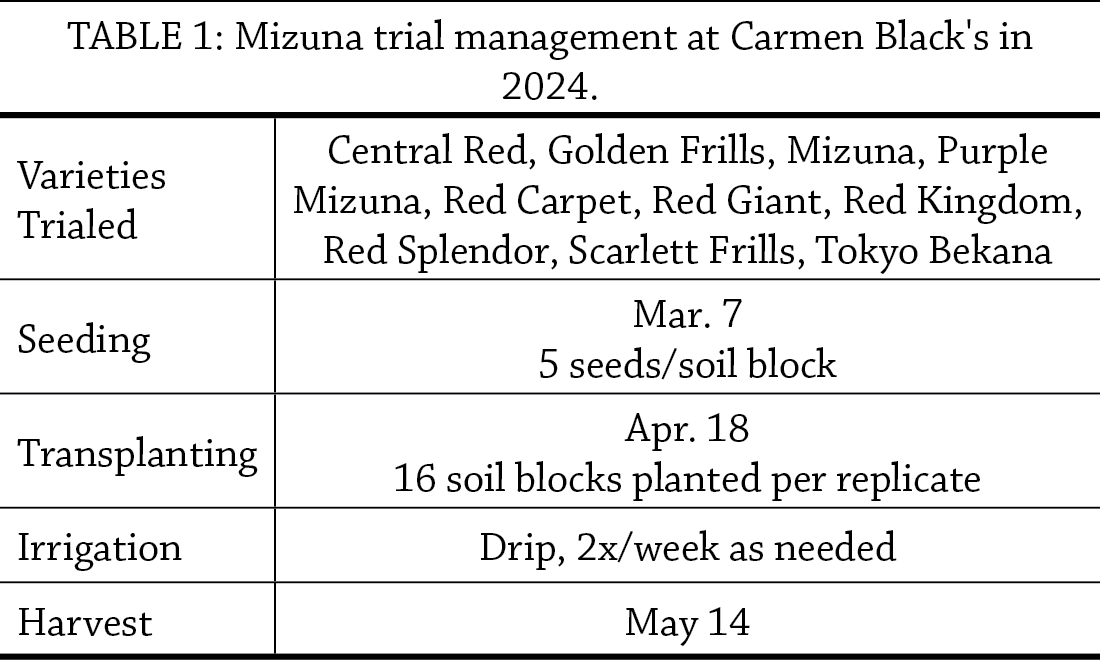
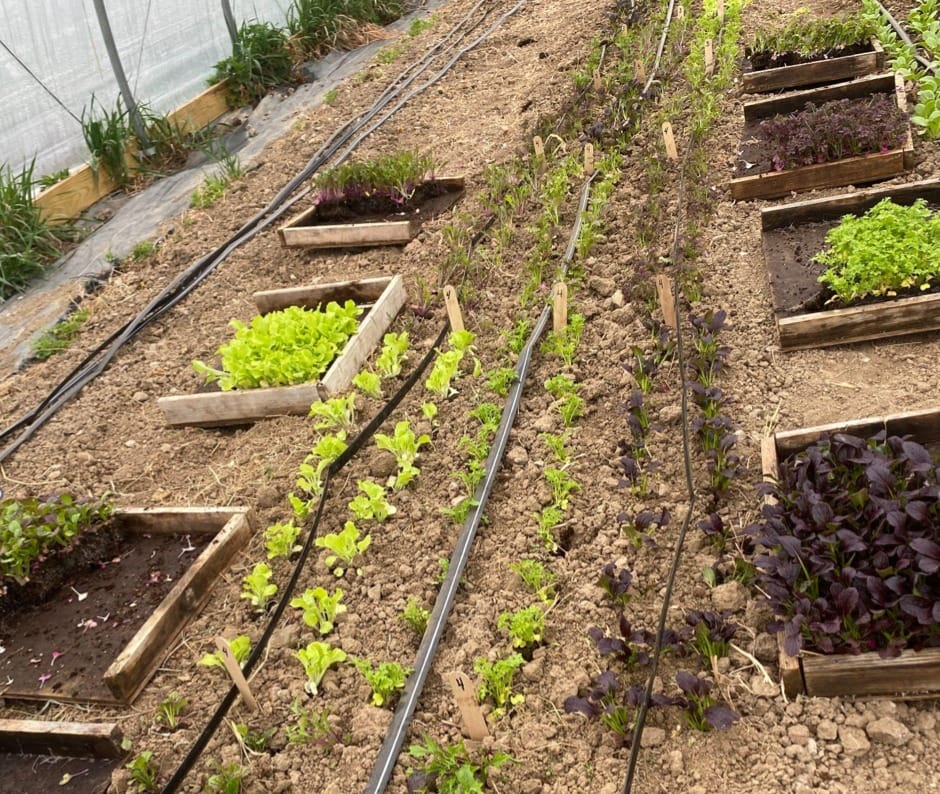
Trial management details are shown in Table 1. Mizuna seedlings were started in soil blocks in a greenhouse prior to transplant to a high tunnel. Black established a replicated experiment with four replicates for each of the eight varieties that did not bolt prior to transplant size: 8 varieties × 4 replications = 32 plots total. An example of the experimental layout is shown in Figure A1.
Results and Discussion
Black found that none of the harvested varieties yielded significantly higher than any of the others (Table 2). Central Red and Red Splendor started bolting around May 14, which forced Black to harvest. “I wanted to harvest the trial before all the varieties bolted. If I left some of the remaining varieties to grow another week, their weight could potentially have been higher.”
Black feels that she gained a lot of valuable information about bolting tendencies of different varieties from this trial. “I certainly learned which varieties not to use in the future. Two of the varieties I had been using in a cut mizuna mix were some of the first to bolt! So, the trial helped me identify which varieties were not working in that mix and which varieties I should try moving forward.” Black plans to try a mix of Golden Frills, Purple Mizuna, Red Giant and Red Kingdom in the future. She will include Central Red despite the fact that it bolted a bit early because it yielded well and was still tender despite bolting.
Conclusions and Next Steps
Black says that she is “looking forward to trying the mix with the varieties that didn’t bolt to see if it works better!” Now that she has grown ten varieties individually and compared them to each other, she will try a new mix that she believes will yield well and be more resistant to early bolting.
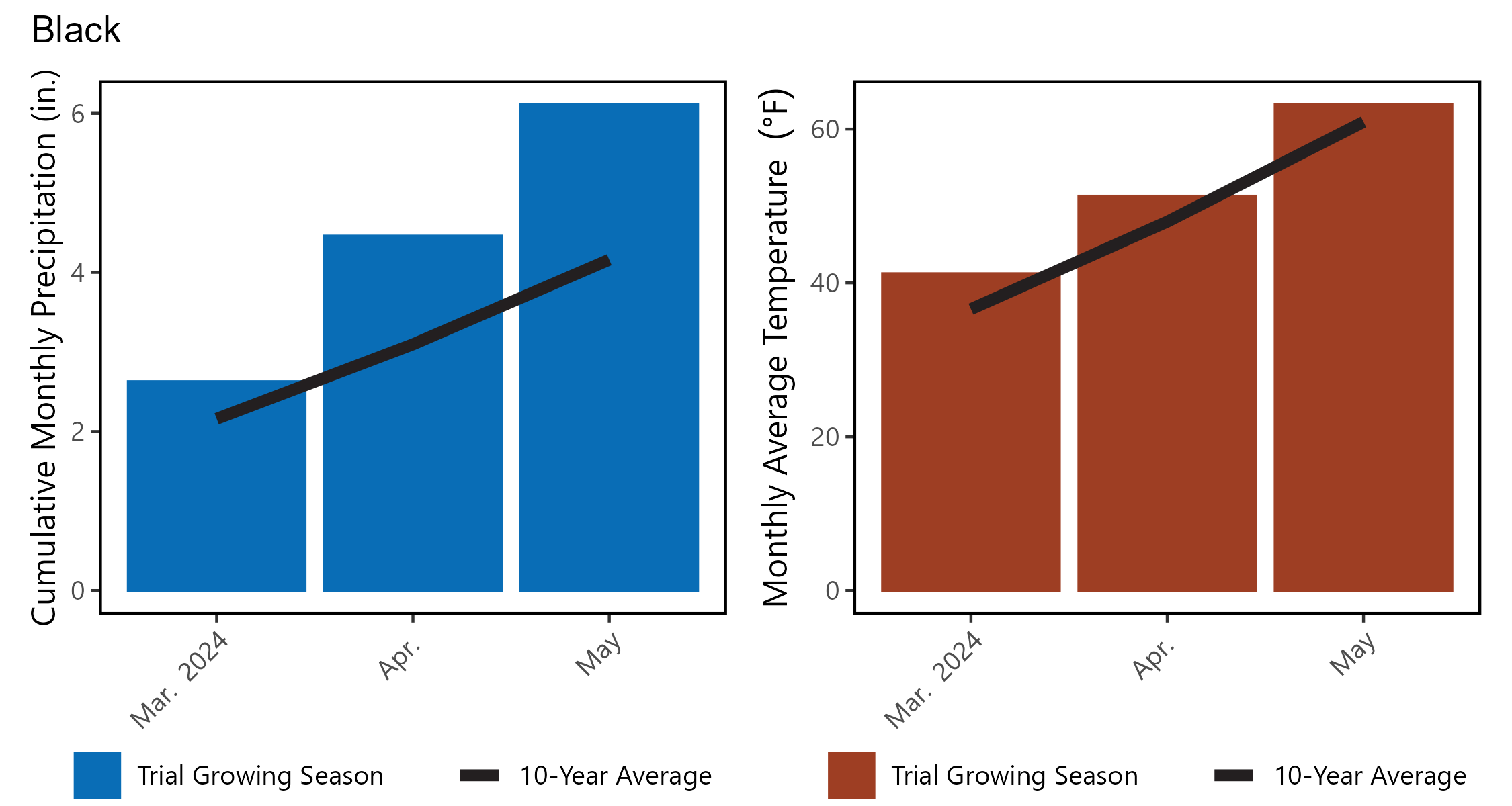
Appendix - Trial Design and Weather Conditions

Funding Acknowledgement
Funding for this publication was made possible by a grant/cooperative agreement from the U.S. Department of Agriculture (USDA) Agricultural Marketing Service. Its contents are solely the responsibility of the authors and do not necessarily represent the official views of the USDA.
References
[1] A. H. Sparks, “nasapower: A NASA POWER Global Meteorology, Surface Solar Energy and Climatology Data Client for R,” J. Open Source Softw., vol. 3, no. 30, p. 1035, Oct. 2018, doi: 10.21105/joss.01035.