In a Nutshell:
- Lee Matteson tested five varieties of romaine lettuce in a hydroponic setup.
- Matteson carried out the trial over three successions from February through June.
- Matteson was especially curious to learn of varietal tolerance to climate across the successions.
Key Findings
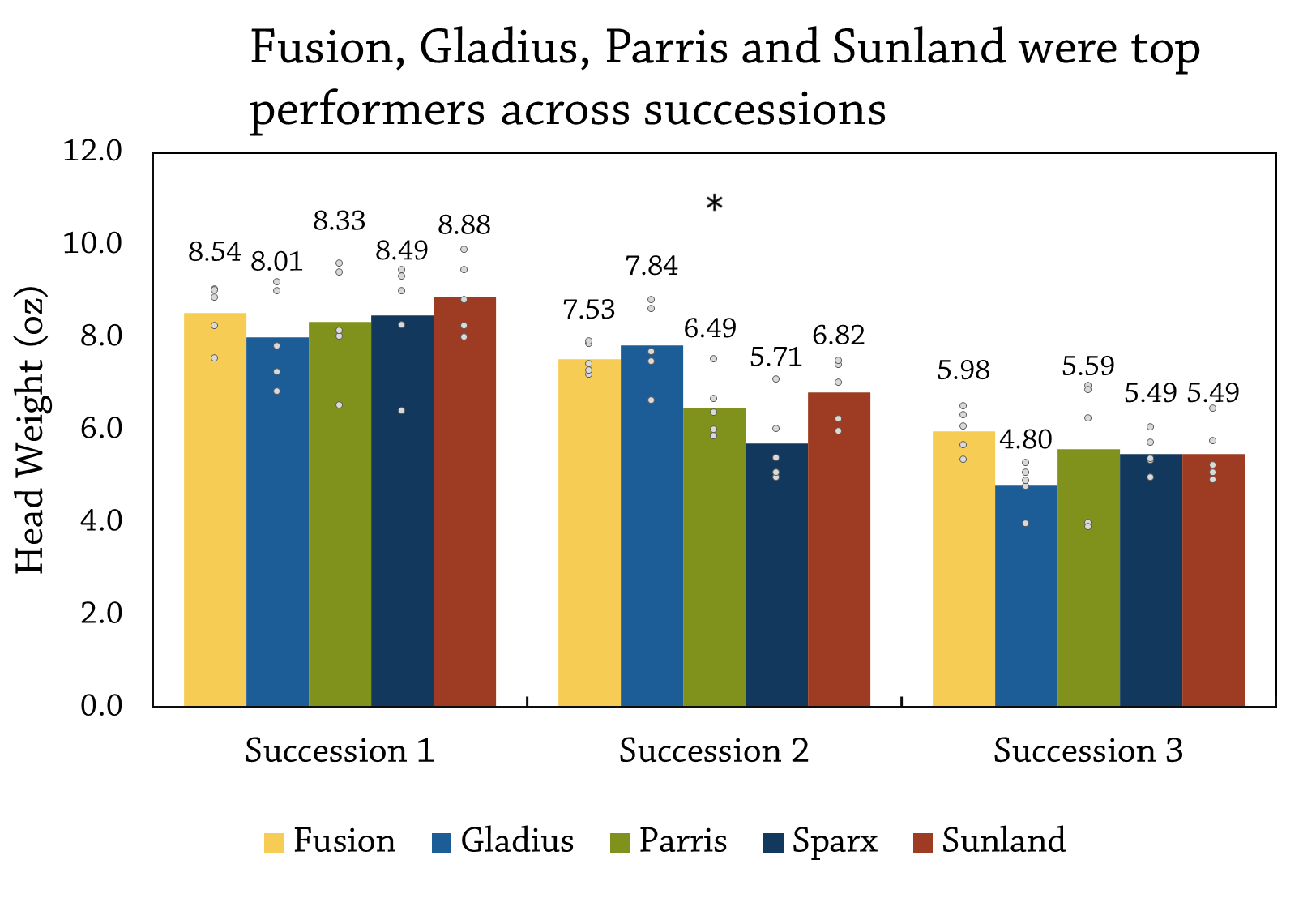
- Fusion, Gladius, Parris, and Sunland were top performers across successions; all these varieties were statistically equal to one another in head weight.
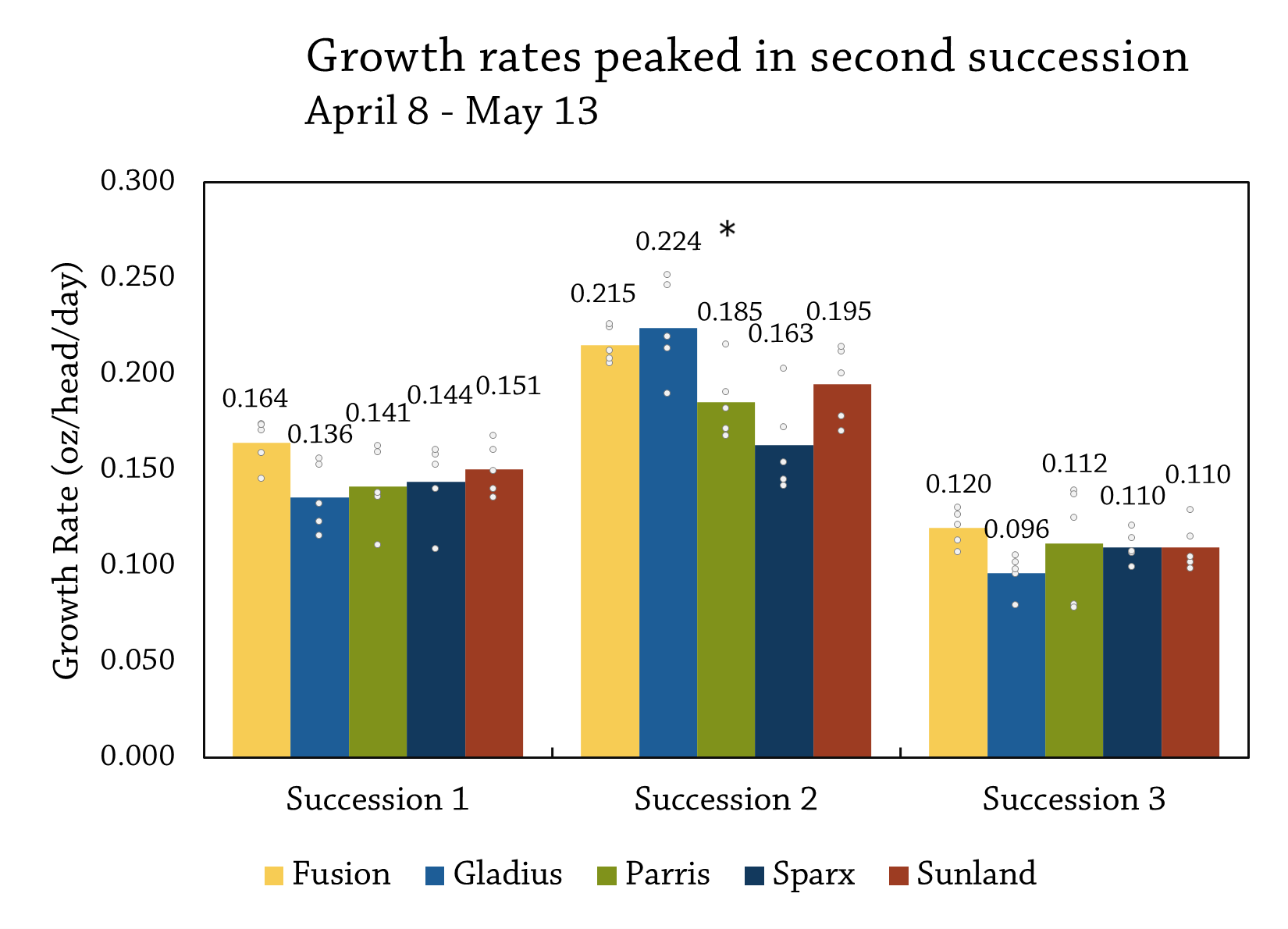
- Lettuce growth rates peaked in succession 2 (Apr. 8-May 13); lettuce varieties reached a marketable size and quality much faster than the other successions.
Background
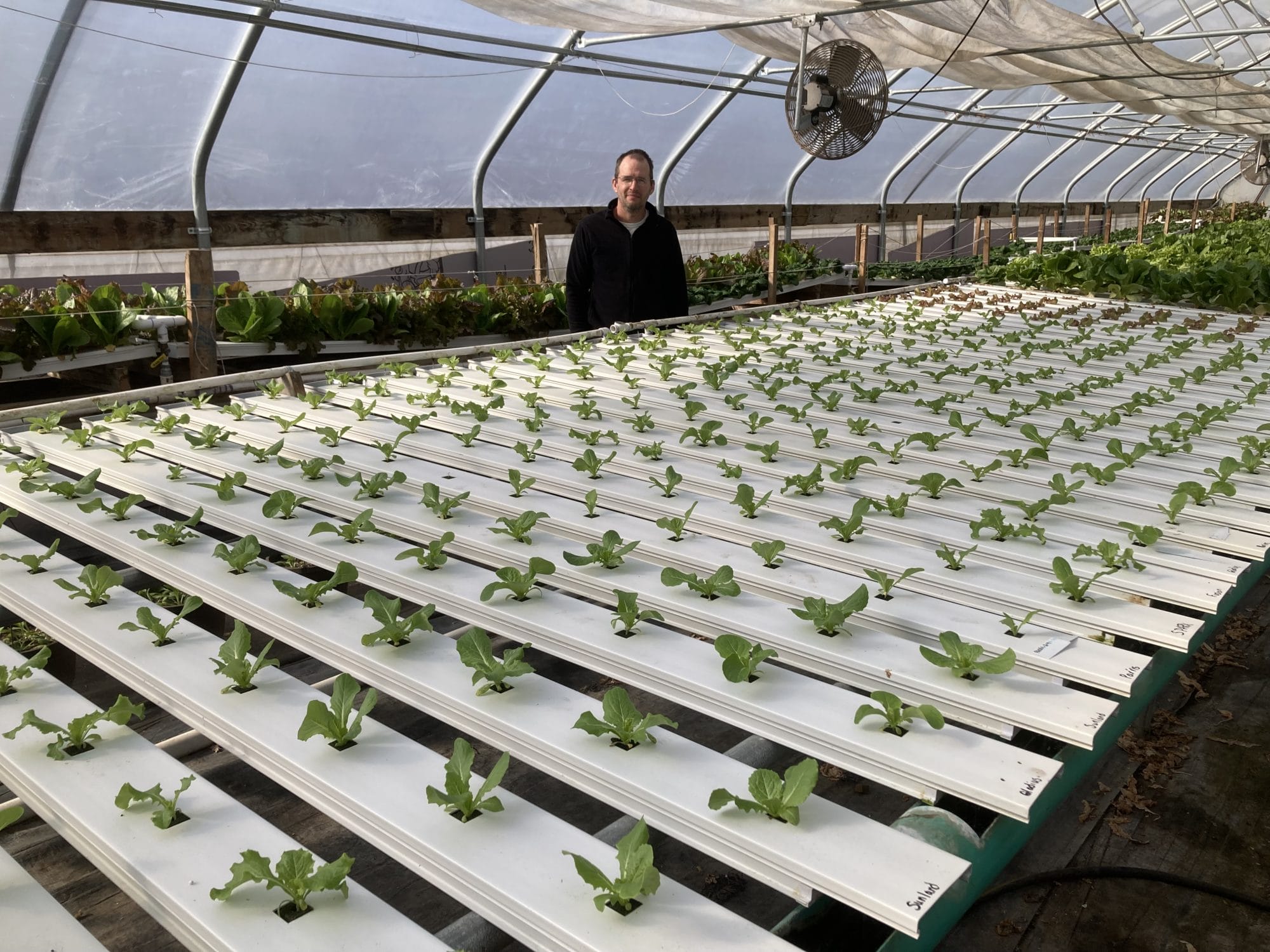
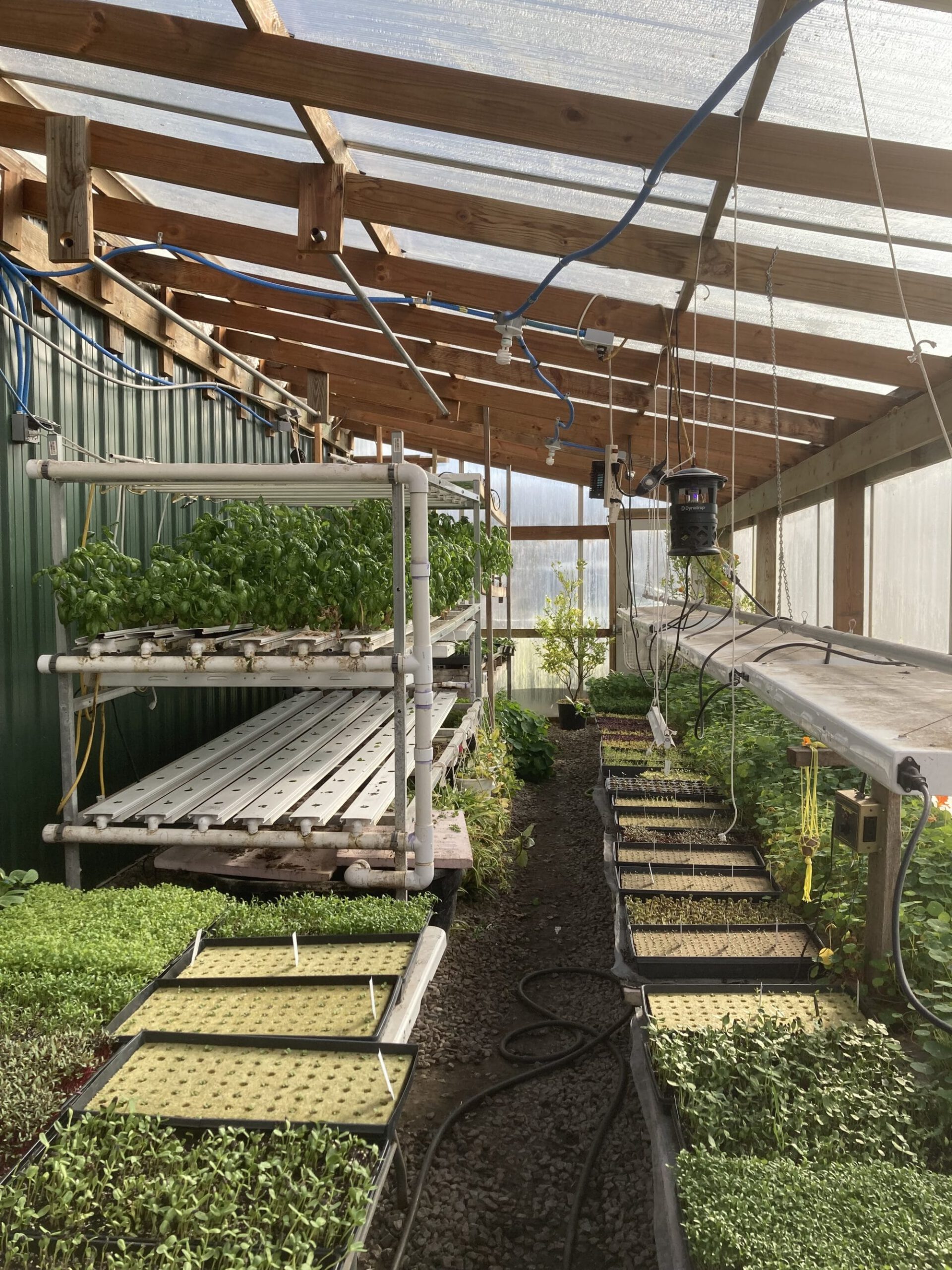
Hydroponics is the technique of growing plants in nutrient solution instead of soil. Hydroponically-grown plants often have higher rates of growth than conventionally-grown plants, but all plant growth rates depend on the environmental conditions [1]. In soil, plant-available nutrients are dissolved or suspended in the water in the complex matrix of the soil, and plant roots absorb these nutrients from the immediate soil environments of their surface areas. In hydroponics, prepared mixtures of nutrients are dissolved in solutions in which the plant roots grow. Because the nutrients in the solution are being constantly refreshed by fluid currents of solution, hydroponically grown plants invest less resources in nutrient acquisition in comparison with soil-based systems, where plant uptake of nutrients leads to local depletion. Soil-grown plants grow more extensive root systems and more root hairs as a strategy to deal with local soil nutrient depletion. The availability of water and nutrients, along with the generally benign growing conditions in the greenhouses where hydroponics systems are set up, explain the difference in growth rates between hydroponically- and soil-grown plants [1]. Growth in hydroponic systems is easier for plants, but it also confers some advantages to their human caretakers. Without soil, growers have more flexibility to control the environment around the plants: water and nutrients are abundantly available to plants without competition from weeds, indoor growth means that temperature, lighting, and insects can be controlled. Matteson has high tunnels and greenhouses where he grew greens in the shoulder seasons in the ground and started transplants for summer and grew tomatoes and cucumbers in high tunnel soil. Disease outbreaks, especially powdery mildew, motivated him to try something new. He began experimenting with hydroponic green production and growing his tomatoes in bags of fertigated media. Matteson has found that the modular layout of his hydroponic setups enables multiple generations of plants to be grown in quick succession: he moves germinated seedlings in their media cube into the setup, lets them grow, harvests, scrubs out the setup, rinses, and repeats. There are multiple controlled environment agriculture (CEA) technologies that can enable quick successions. Hydroponics and fertigated greenhouses or heated high tunnels all have many of the advantages listed above in common. Choosing which system is best for a given producer requires a thorough analysis of the systems’ advantages and disadvantages, and how they interact with the resources, technology, and expertise available. To list some of the possible tradeoffs: certain diseases and salts that can build up in always-covered soils are less problematic for hydroponics, where solution ion concentrations are monitored regularly to maintain optimal nutrient availability. Hydroponic systems are vulnerable to certain water-borne pathogens that cannot move as quickly through soil. The fluid volumes and moving parts of a hydroponic system require more climate control in the winter in the Midwest than high tunnel soils that might be allowed to freeze. Matteson grows romaine lettuce hydroponically in a heated high tunnel throughout the winter in Nevada (central Iowa). The heater keeps the temperature survivable for the plants through the winter, but there are no lights, and growth is therefore limited by the short daylengths. Cooler ambient temperatures also limit growth rates, and the economics of heating the greenhouse must be balanced with salable produce. As temperatures rise in the spring, heat concentrates in the greenhouse which might stress the plants to bolt and conclude production. Matteson wanted to test a range of romaine lettuce varieties across time from February through June, with the hopes of identifying options that performed well under the more difficult climatic conditions at either end of that timeframe. CEA provides several advantages for information gathering through on-farm research. Short generation times, high levels of uniformity in growing conditions across and between replicates, and a moderated influence of weather are all characteristic benefits of doing research in a controlled environment, and Matteson put all three to use in designing his romaine variety trial.Methods
 Measurements
Matteson counted the number of marketable lettuce heads he harvested and measured the yield of each tray by weight. These measurements, along with his management data on planting and harvest dates, allowed us to calculate average head weight and average growth per day.
Data analysis
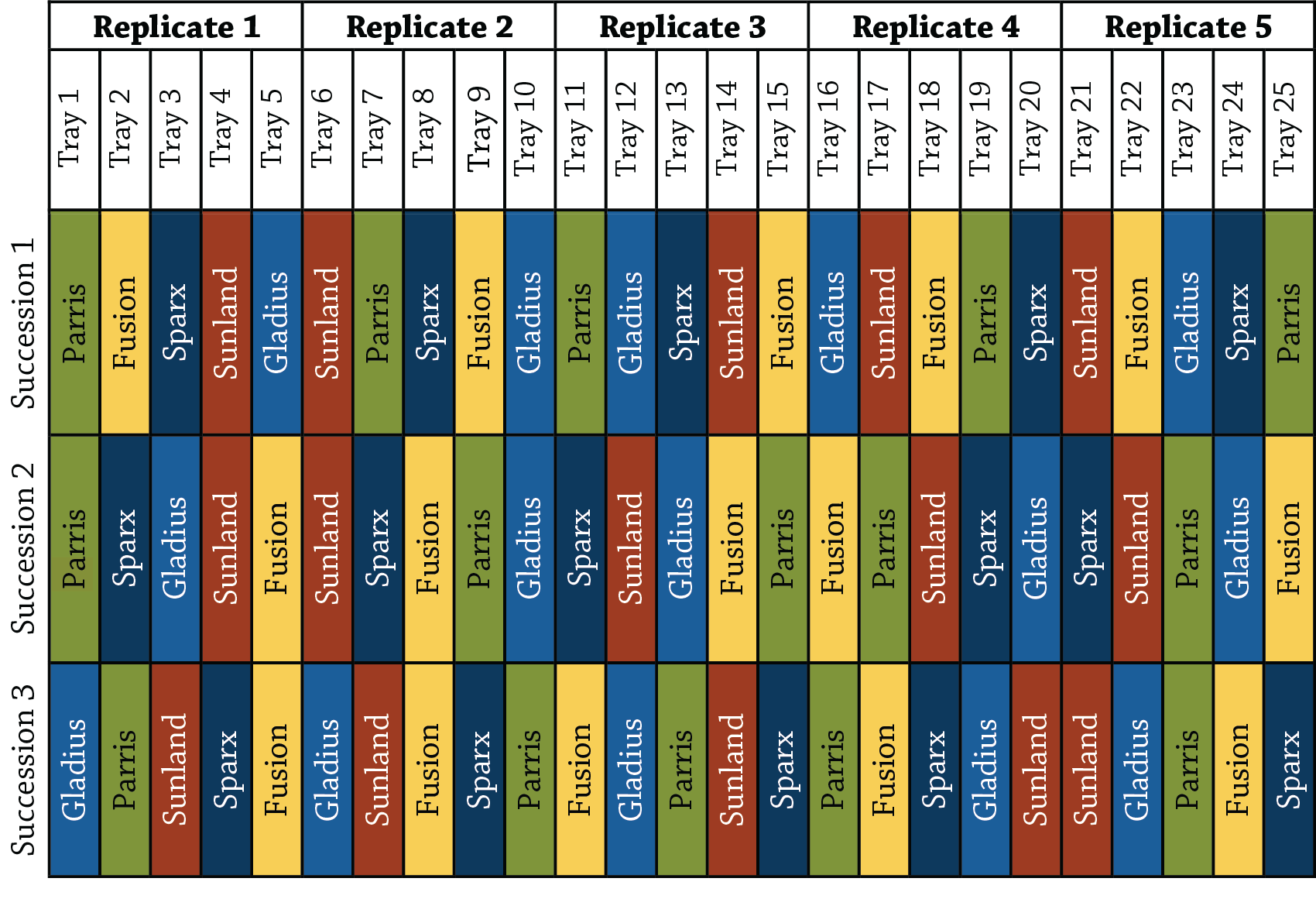
We used an Analysis of Variance (ANOVA) and Tukey’s honest statistical difference (HSD) post-hoc test at a 95% confidence level to determine whether there were significant differences between varieties and successions. Both variety and succession were analyzed as treatment variables. A statistical difference between treatments means that one treatment outperformed the other and the farmer can expect the same results to occur 95 out of 100 times under the same conditions. We can perform this analysis because Matteson used completely randomized and replicated experimental designs in each succession.
Measurements
Matteson counted the number of marketable lettuce heads he harvested and measured the yield of each tray by weight. These measurements, along with his management data on planting and harvest dates, allowed us to calculate average head weight and average growth per day.
Data analysis
We used an Analysis of Variance (ANOVA) and Tukey’s honest statistical difference (HSD) post-hoc test at a 95% confidence level to determine whether there were significant differences between varieties and successions. Both variety and succession were analyzed as treatment variables. A statistical difference between treatments means that one treatment outperformed the other and the farmer can expect the same results to occur 95 out of 100 times under the same conditions. We can perform this analysis because Matteson used completely randomized and replicated experimental designs in each succession.
Results and Discussion
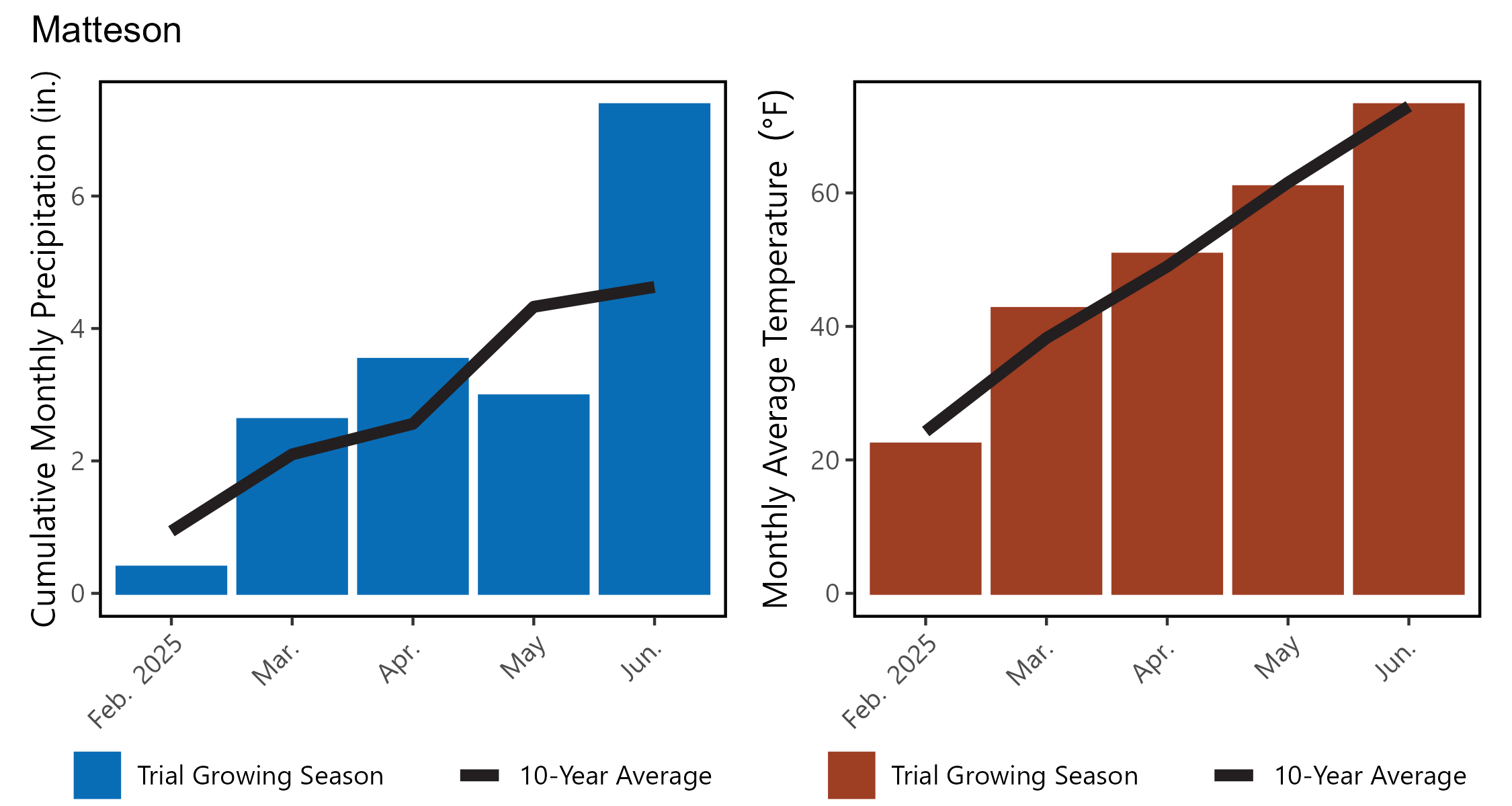
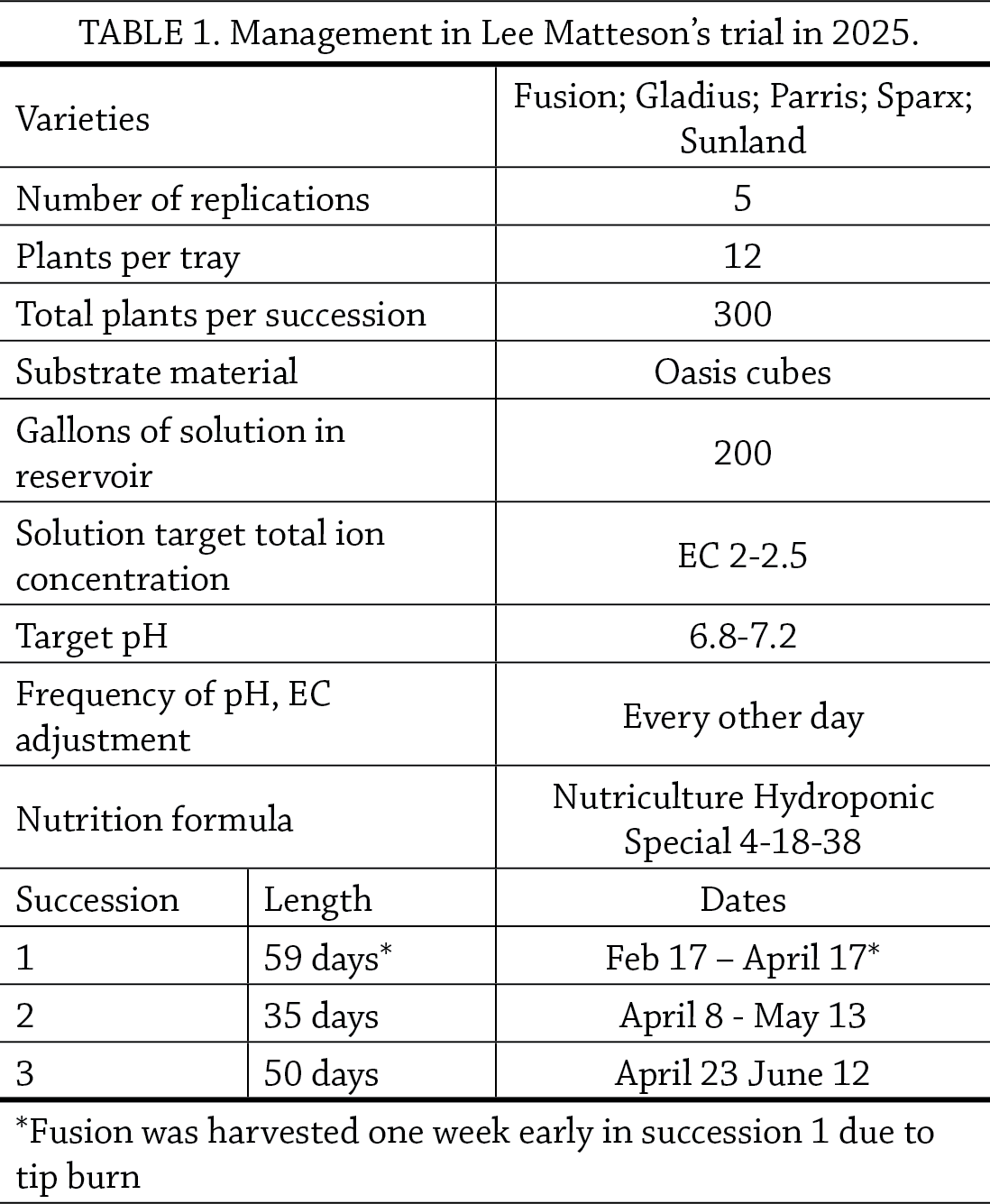
Fusion, Gladius, Parris, and Sunland were top performers across successions; all these varieties were statistically equal to one another in head weight (Figure 1). In succession 2, Sparx produced the smallest heads. Average head weight across varieties decreased from 8.5 oz in succession 1 to 6.9 oz in succession 2 to 5.5 oz in succession 3 (Figure 1). This was due to a shortening of the growth period for the second succession and heat stress during the third succession (Table 1). Although there was no statistical difference, Gladius was numerically the smallest variety in succession 3.
Conclusions and Next Steps
Matteson will continue offering diverse greens in all seasons, but this data will help inform his selections in his hydroponic setup. He wrote that “I plan to continue growing all varieties as each has a place throughout the seasons but probably increase the amount of Sunland that I grow as it seems to be a decent head size and overall good yielder”. He is also interested in expanding and improving his hot-weather production by installing retractable sunshades in his greenhouse.Appendix – Trial Design and Weather Conditions