Adding Complexity
Allowing family to join in and continue farming is what motivated Tom Weighner to start WW Homestead Dairy near Waukon, Iowa, with his brother and a neighboring farmer in 2011. The two farms had been running small-scale dairies for years. Faced with the increasingly tough dairy market, however, they were finding it harder to survive. For a few years, the neighbors had kicked around the idea of joining forces to differentiate themselves with value-added dairy products, rather than scaling up or caving to industrializing pressures. Then came the Great Recession of 2007-2009. “In 2009, a hundred-cow dairy would have lost $100,000 in equity with the price of milk that year,” Tom says. “We decided if we wanted to keep dairy farming, we'd have to try something a little different.” In 2011, the Weighners and their neighbor, Tom Walleser, pooled resources to buy a local vacant building and started their new dairy, with its focus on value-added products and community engagement.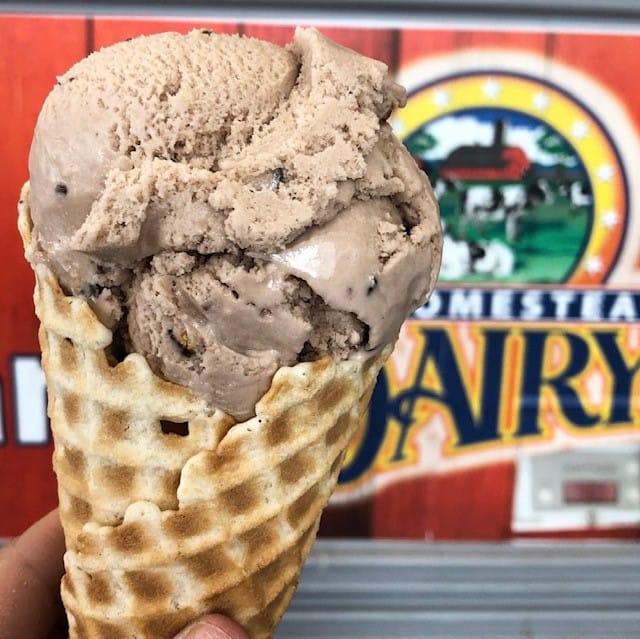
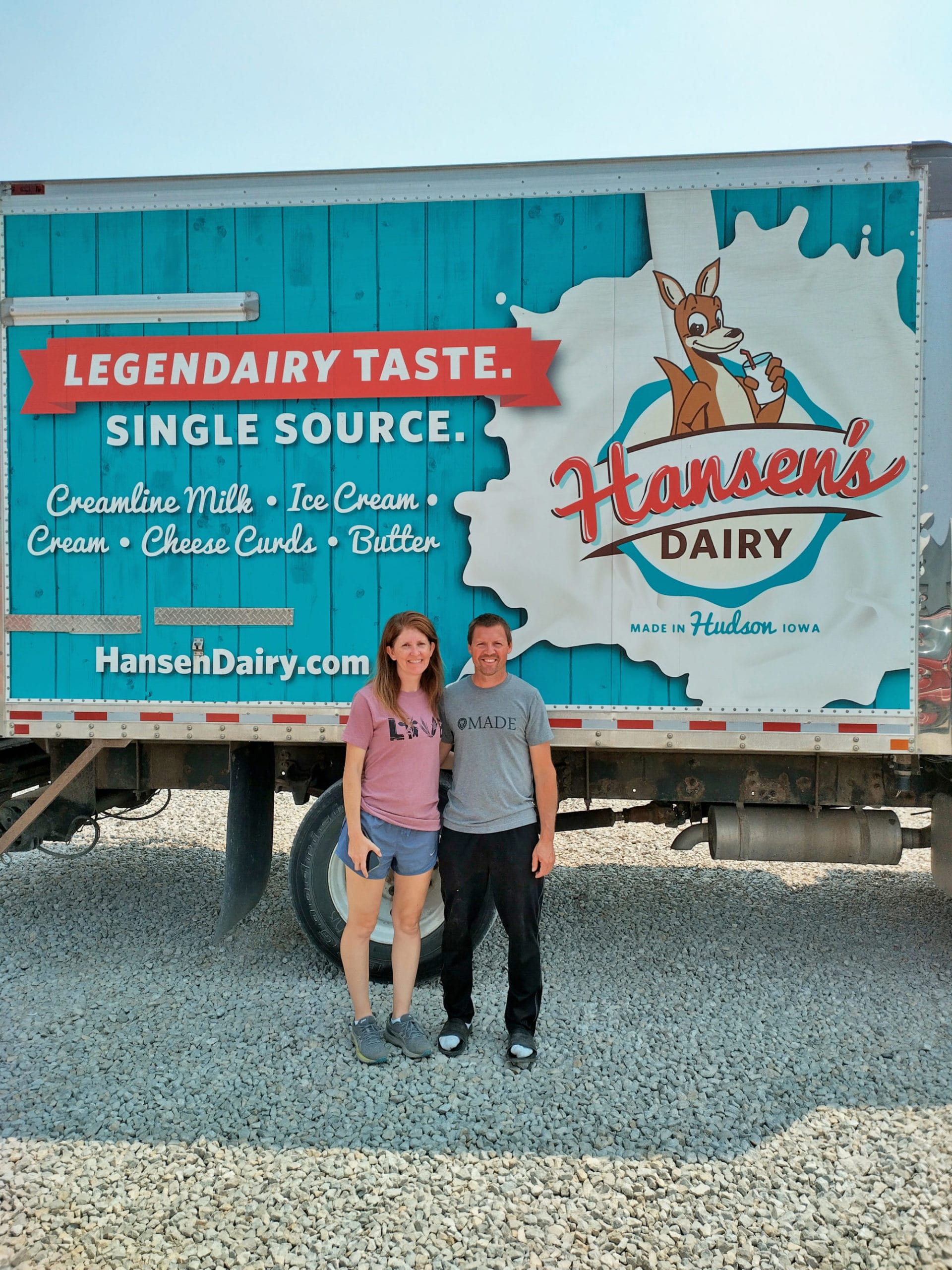
Today, a direct line of knowledge can be traced from Radiance to Hansen's to WW Homestead, each learning from the one that came before.Tom is grateful for that openness. “They offered practical knowledge that the consultants just couldn't give us,” he says of the Hansens. He doesn't see the need for competition between any of the private-label dairies in Iowa. “There's more than enough room for all of us.”
Specialty Price for Specialty Products
While the number of cows in the U.S. has declined by half, today's cows are producing four times as much milk as 80 years ago. This glut in production, however, is being met with declining milk sales. The reasons for this are many: shifting consumer dining habits, lifestyle changes and the proliferation of more convenient and trendy grab-and-go drinks, among others. Because of this decline, value-added products can be a lifeline for a dairy farm's sales. Ice cream, butter and cheese often have stronger consumer demand than the milk from which they're made. Radiance Dairy, Hansen's Dairy and WW Homestead Dairy all rely on value-added products to buffer other market challenges. But it can be difficult to manage supply. “The hardest thing about it is finding a balance in the products,” says Jordan Hansen, Blake's wife. “How do we take 3,000 gallons of milk and find the most effective blend of uses?” Often it comes down to seasonality of sales. In the summer, Hansen's Dairy doesn't make much butter, she says, because the focus is on ice cream. “In the winter, ice cream sales slow down so we make a lot more butter.” Marketing the products is another major barrier. “Technically, anyone can set up a creamery and make things, but then you have to find people to buy it,” Jordan says. “That's the challenge.” All three dairies rely heavily on word of mouth and individual connections with customers. While priced higher than conventional dairy products, their customers are willing to pay to support local agriculture and quality products. Francis says his customer base is concerned about animal welfare, the nutritive value of his products and supporting local farms. “Nowadays, people are more interested in where their food is coming from,” he says. “It's clear you have to have a specialty product and you have to get a specialty price for it. We're just not even competing with the industrial system.”