Thick or Thin: How Does Your Stand Look?
One of the first things to consider is the rye stand. Is it thick or is it thin? If it's on the thinner side, Dennis advises to consider adding a mix. Dennis says, “My rye was aerial seeded on soybeans and is usually pretty uneven, so the oat-pea mix tends to grow better in the thin places and helps control weeds.” However, he cautions that the rye will compete with the oats, and he tries to graze the rye down as much as possible to give the oats a chance at growing alongside the rye. While Dennis uses a conventional drill to enhance the stand, he had issues getting the oat-pea seeds to depth and wagers that a no-till drill might perform better.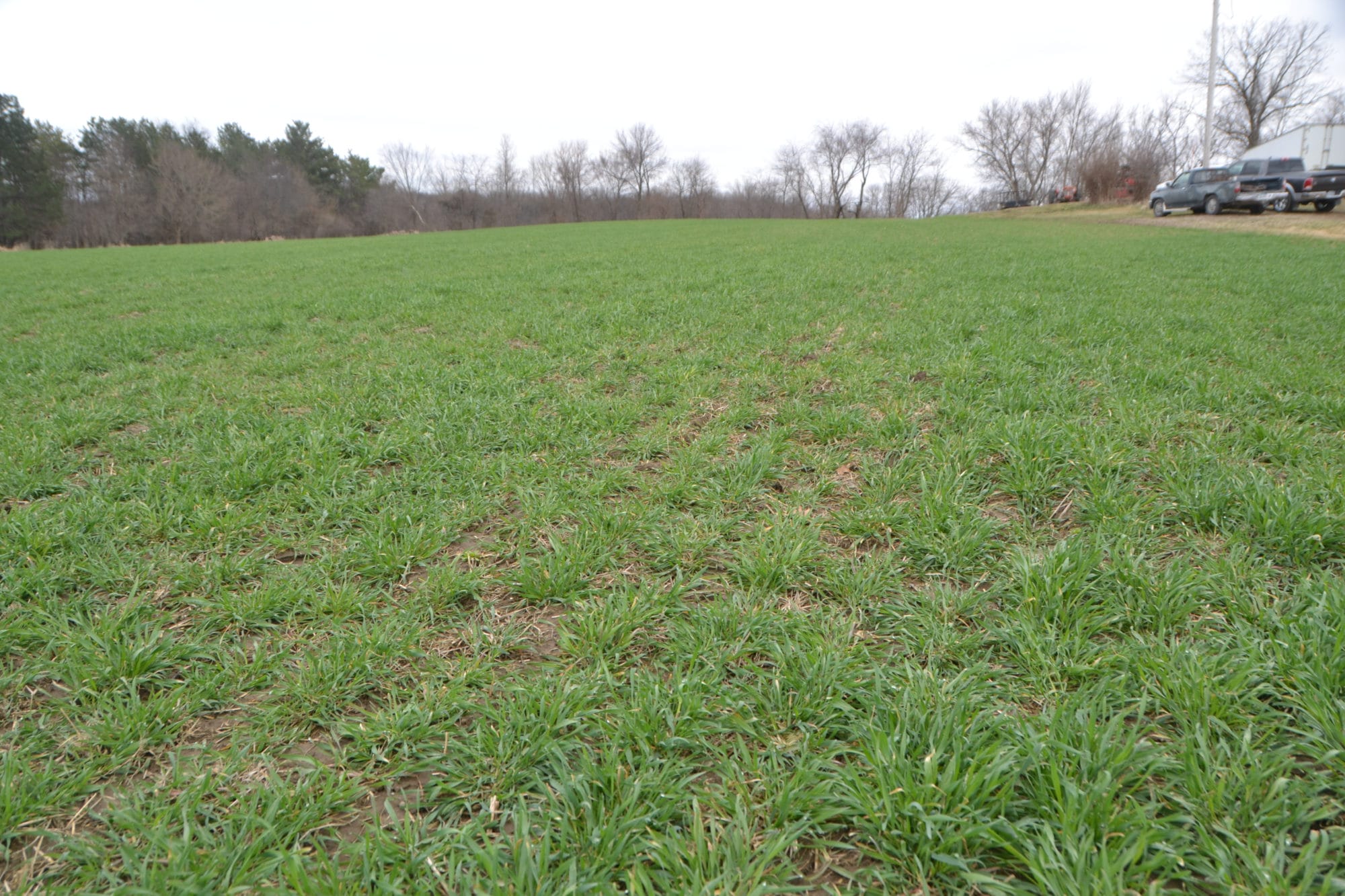
Hedging for Summer Forage Quantity and Quality in a Moisture Shortage
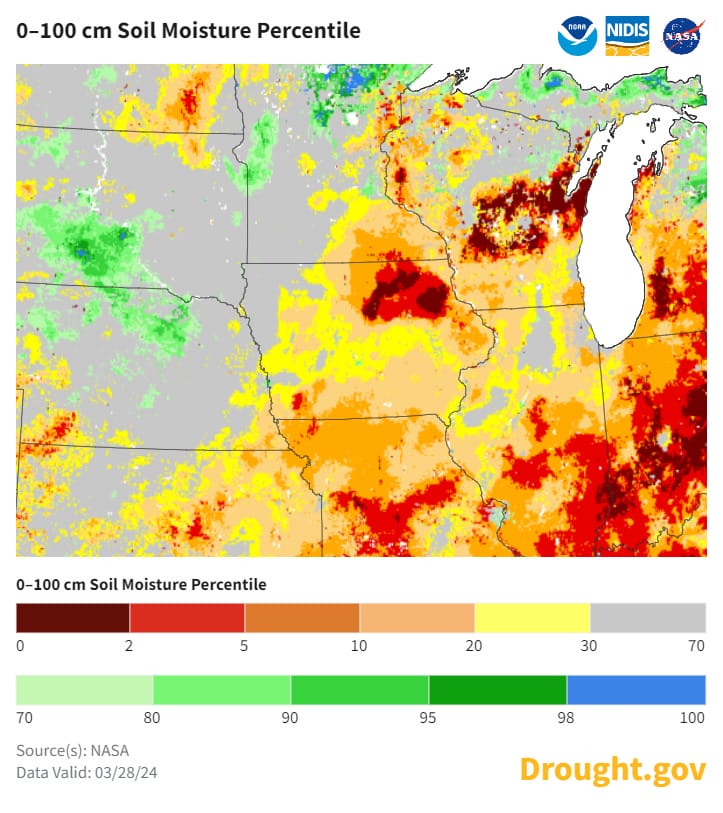
Despite some precipitation in central Iowa recently, we still have a dry soil profile this spring. Rather than focusing on spring grazing, Wade suggests planting a perennial with the oats in the spring, considering it might be a challenge to get anything established during the drier summer months. “Given that a large percentage of the state of Iowa is running on a water deficit, I'd be very concerned with competition for moisture,” says Wade.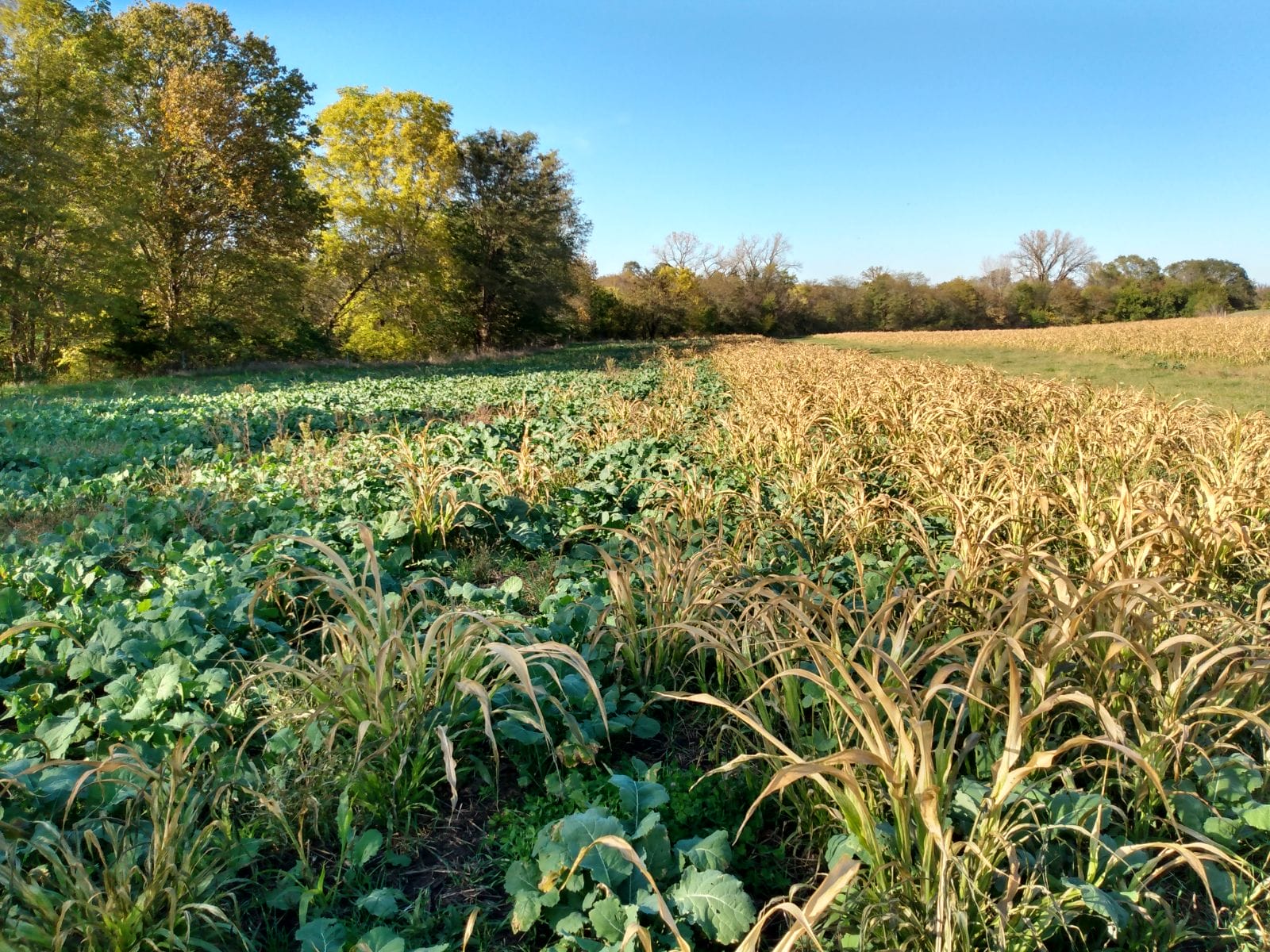

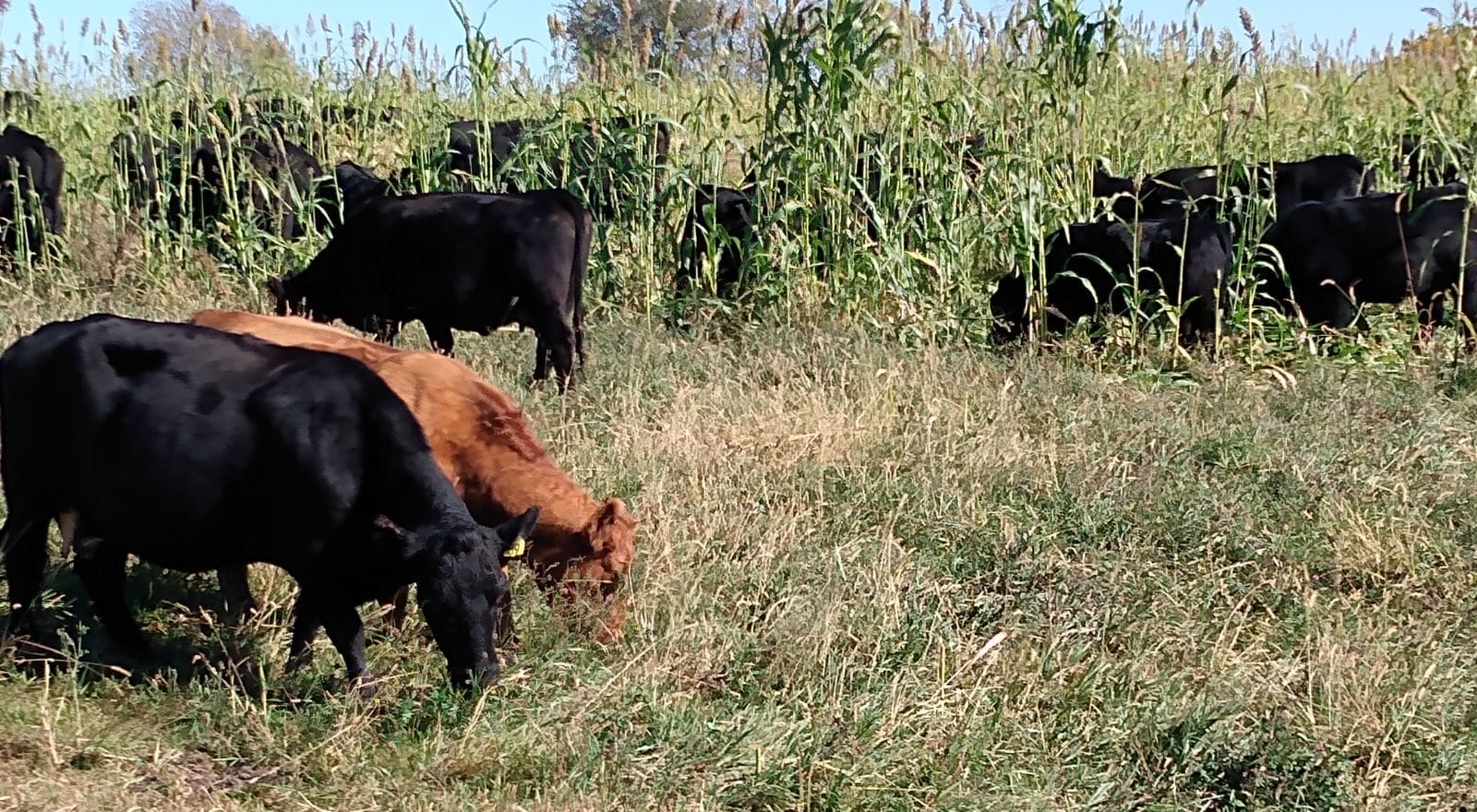
Considerations for Baling
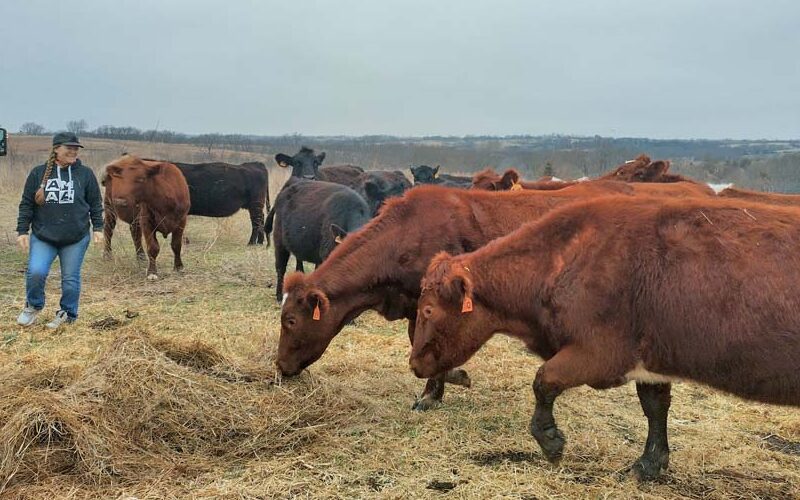
While Nick has experience baling barley, oats and rye together, he does not recommend it. With the rye maturing before the oats, the baled oat and rye mix was an undesirable combination of high carbon, straw-like rye biomass with the more supple oats. He explains, “The cows picked through the bales quite a bit and basically refused to eat a lot of the rye because it was close to being like straw. Keep in mind the oats and barley are ready to take as a forage in mid-late June depending on the year. Rye is pretty mature by then.” Nick suggested that chopping the three species and mixing could help with palatability, but there is the tradeoff of increased cost.