Purposeful Change
In hindsight, Natasha's decision to make a mid-life career change seems as straightforward as the road to town. Even the judge she worked for in Arkansas once told her he thought she'd end up moving back to the farm, Natasha shares. But at the time, she wasn't sure. “Part of what always seemed intimidating about farming was watching my parents work as hard as they did and never having time off,” she says. Years later, however, while putting in extra hours on a Saturday for her legal work, she had an aha moment: She realized she was working long hours for something that didn't really bring her joy. She recalls thinking, “If I'm doing that anyway, I might as well enjoy it.” That epiphany was in 2018. She promptly called her dad. Over the next several months, she and her parents had long discussions about what it would look like for her to return to the farm. When Natasha's first child, Corinne, was born in 2019, the time was right. “I envisioned a future where I could have her, and any other kids I have, with me,” Natasha says. “I wanted to prioritize something I cared about and spending time with them.”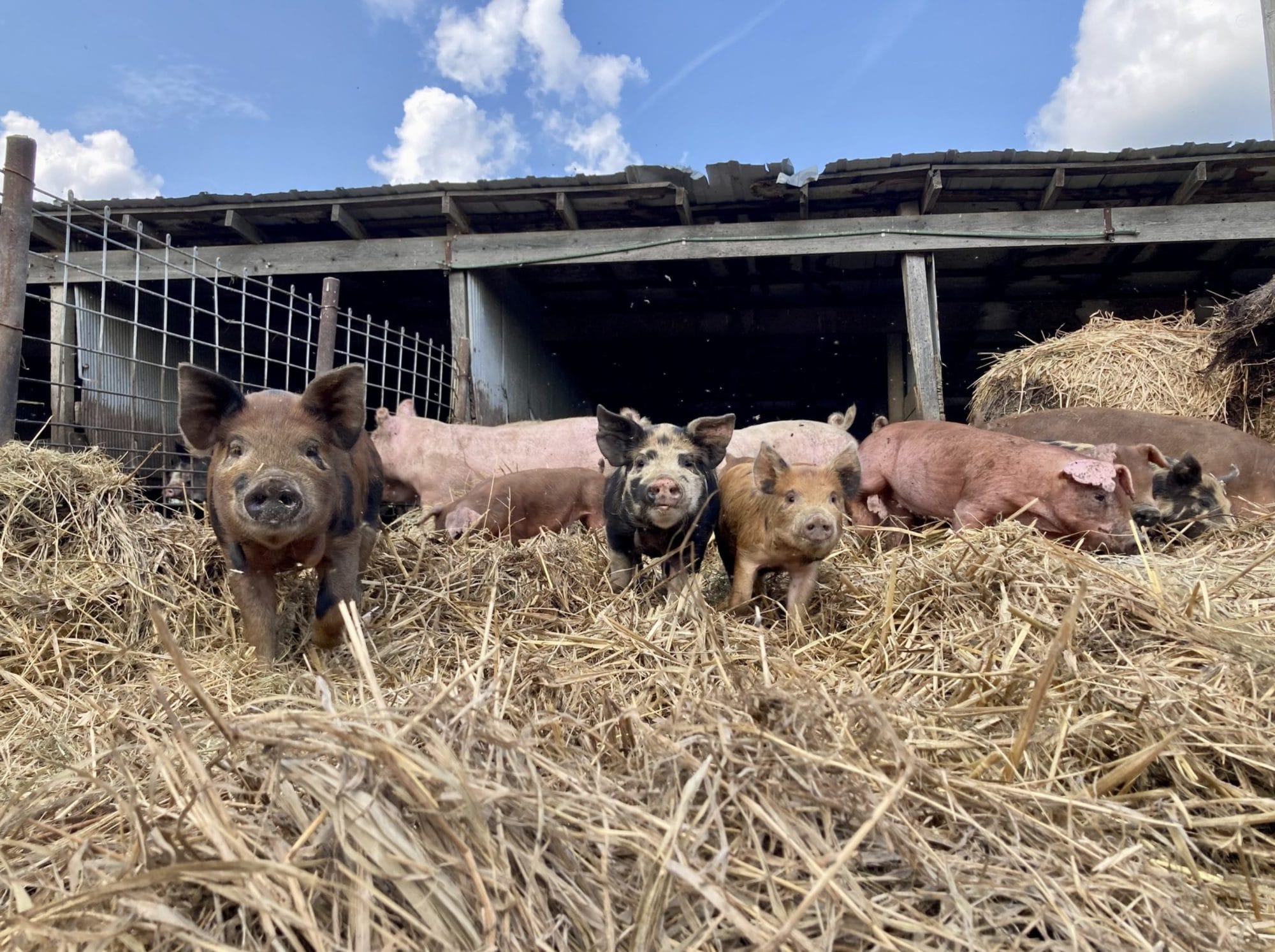
Guided by Care
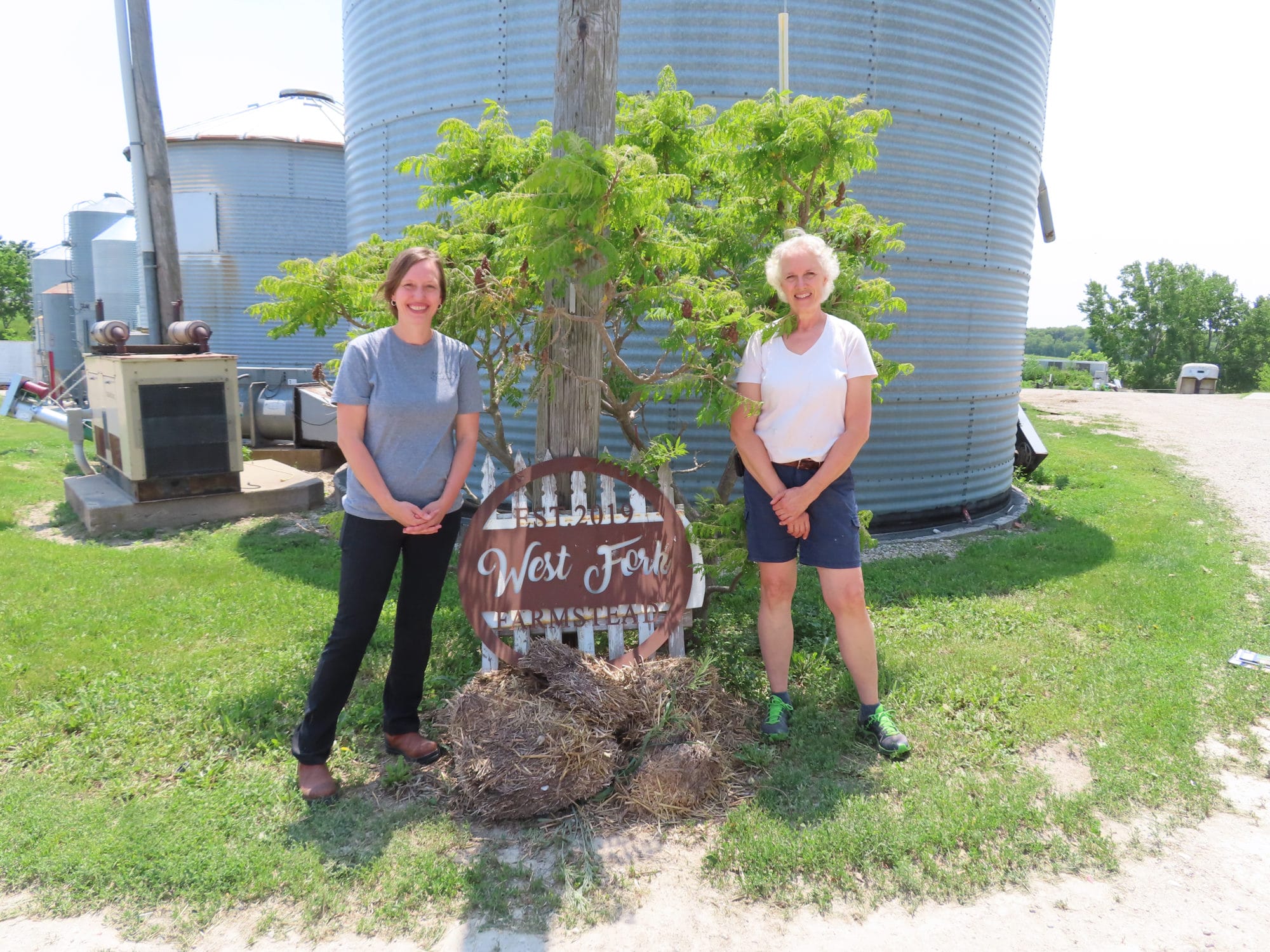
The Wilsons have also had to figure out the best ways to use everyone's skills. When Claire decided to return, she brought her own set of strengths. For instance, while Natasha handles much of the marketing – and enjoys being able to express her creativity in this way – Claire has more mechanical skills.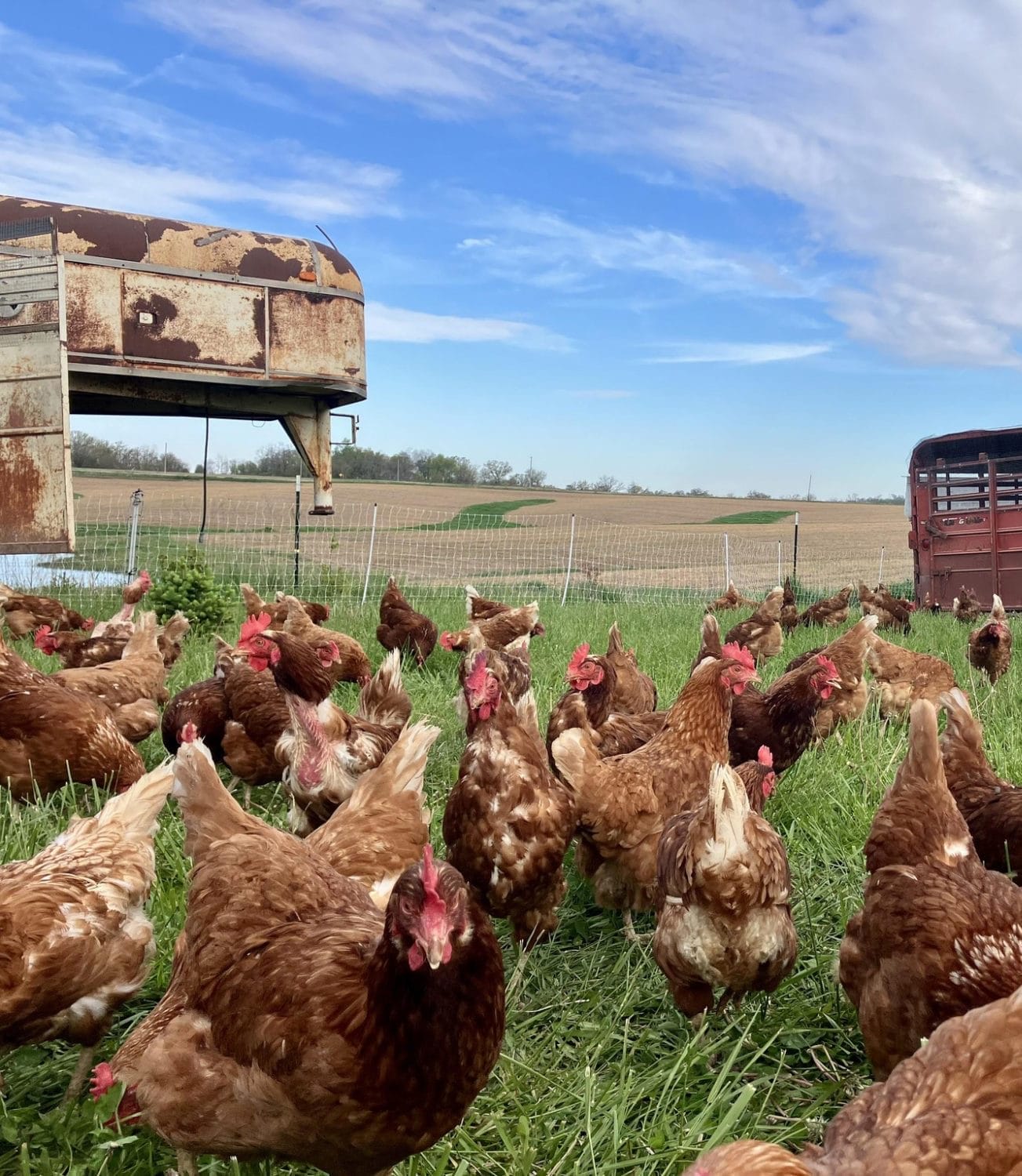
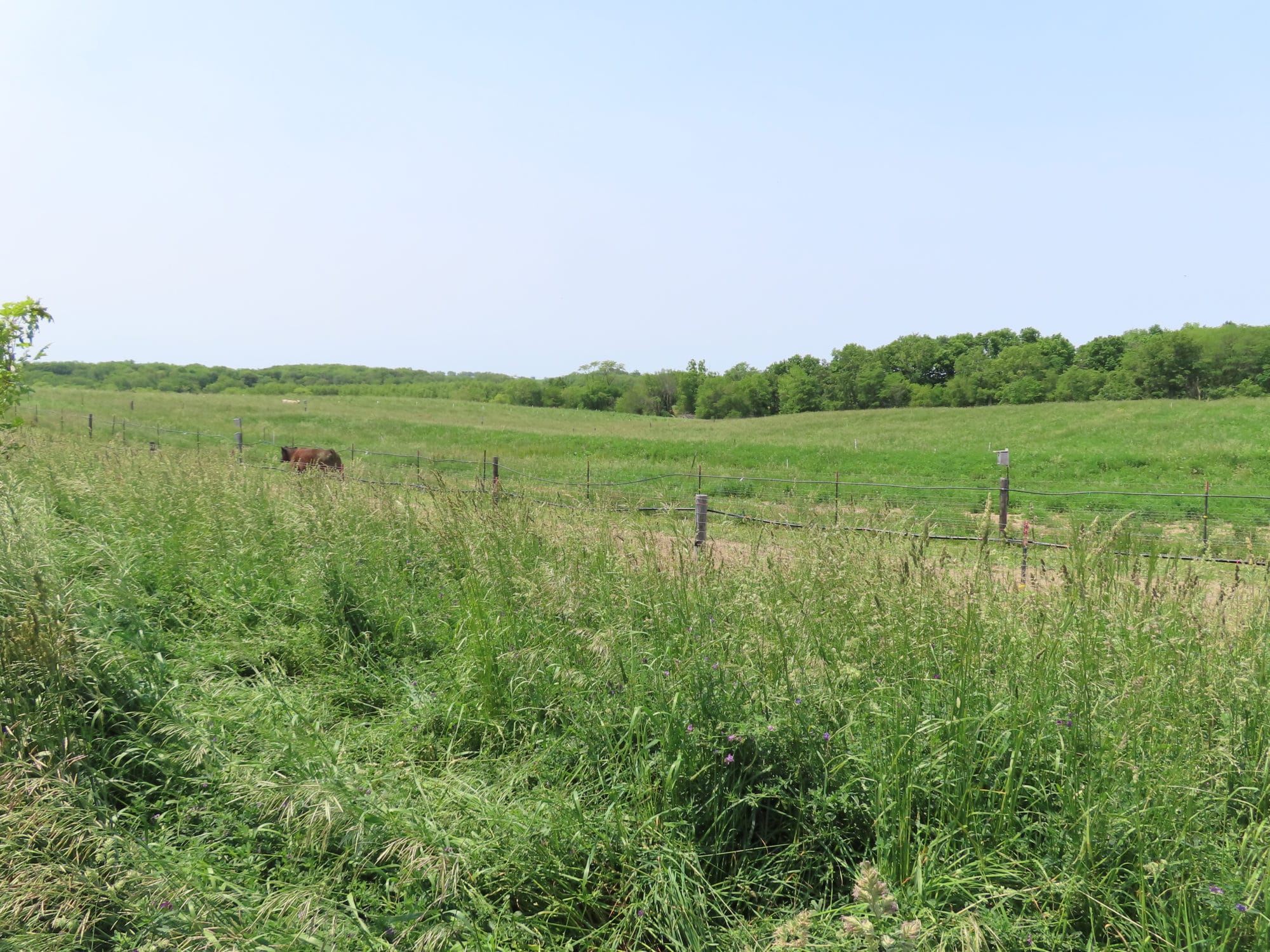
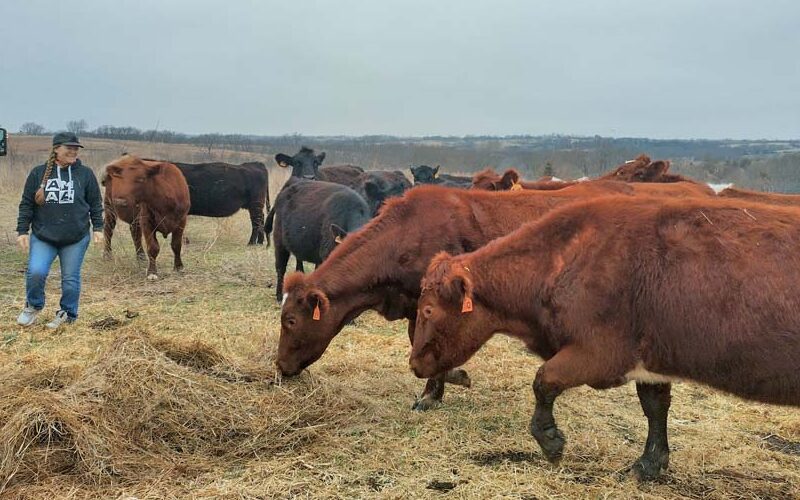
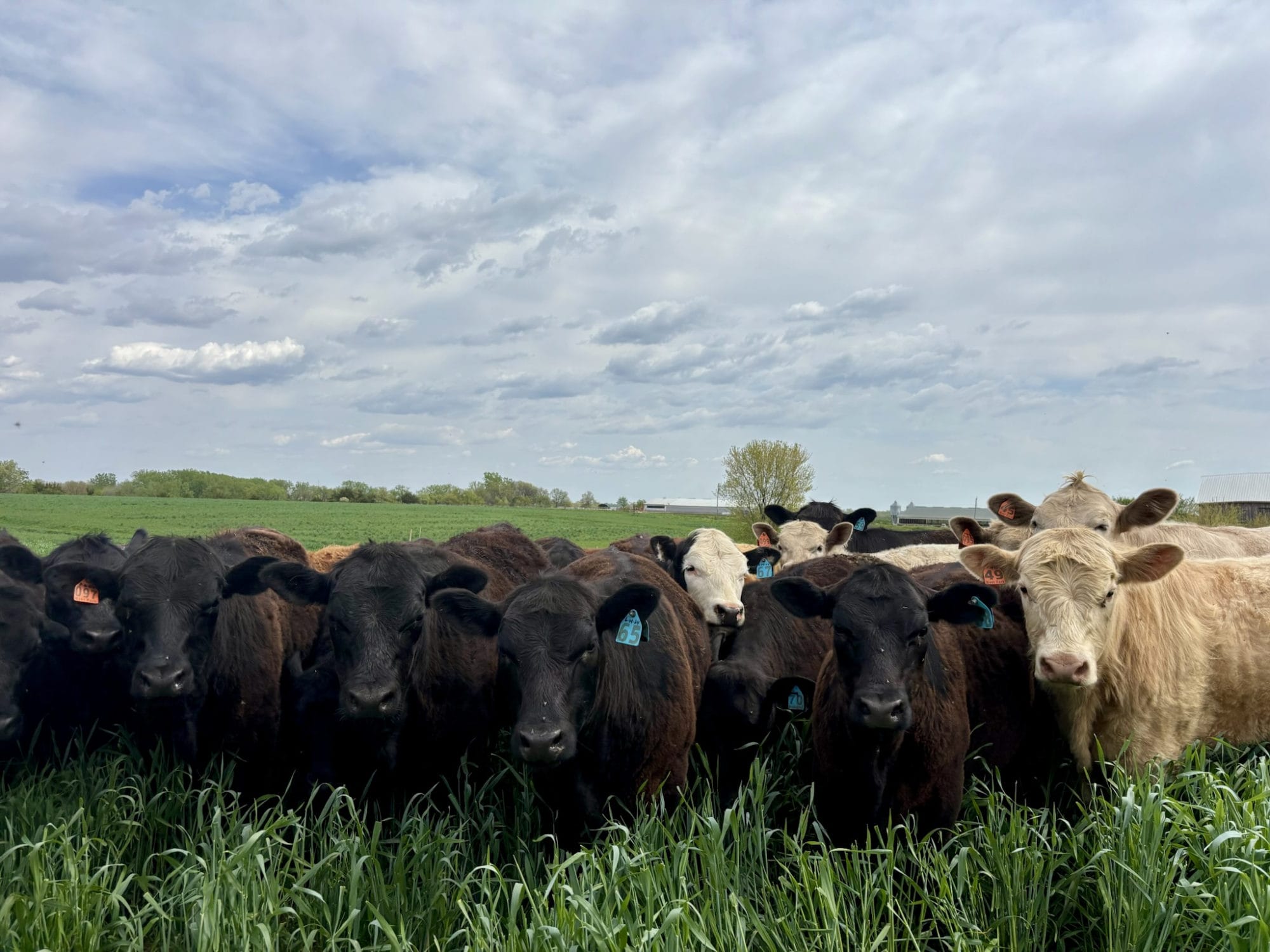
Her response was an immediate no. “I don't want to do this anywhere else,” she says. “I am extremely fortunate to have a farm, and parents that are still successfully farming and were open to having someone come back.”Each generation has been able to add to the farm legacy, she adds. The pasture is one example. It was once used to grow corn and soybeans. Now it's a perennial pasture with a diverse array of plants, birds and wildlife. Nancy credits the high quality of their meat to raising the animals on pasture. Natasha agrees. “From day one when I walked in the door and ate that product [beef] to what it's like now – it's a dramatic change.” This was one of Natasha's goals when she came back to the farm: producing high-quality food to share with her community – and her family. As we talk, her daughter Corinne, 5, and son Lucian, 3, enjoy sandwiches made with fresh asparagus from their garden and shaved ham from their pastured pigs. The food is as local as it gets. Knowing their animals lead happy lives and are raised with care is also important to Natasha. Before we say goodbye, I have a chance to see what this looks like. After a short ride in the Wilsons' gator to the renovated pasture, Natasha, Lucian and I hop out to see the chicken tractors and the diverse ecosystem the Wilsons have created. The hens cluck softly as they forage in fresh grass, and the pasture is lush and full of blooms. I can see the path where the chicken tractor had been – and over the fence, the cattle as they roam toward us. For them – as well as Natasha and her family – that path is winding ever closer to a future more connected to the land, community and each other.