Sam Ose
Sam is a fifth-generation farmer near Williams in Hamilton County. He raises corn, soybeans, seed corn and seed soybeans with his father and uncle. One spring we got a big rain and saw no soil movement. That was the day we were sold on cover crops. Before using cover crops, we'd see soil washing and 18-inch-deep gullies with those kinds of big rains. We had to repeatedly repair those gullies with a box scraper. So our main goal for cover crops is straight-up and simple: erosion control.“We're not quite sure yet how to manage cover crops to capture more weed-suppression or how to achieve suppression more consistently. Research is ongoing!” – Sam OseWe prioritize harvesting our cash crops in the fall, but as soon as I have a window of opportunity, I seed our erosion-prone acres with cover crops. We've had the most success by seeding cereal rye or oats using an airseeder attached to a landroller – I can cover a lot of ground in a hurry. Because we also custom-seed cover crops for other farmers, I try to do an especially good job of seeding our cover crops in the field corners and near road edges so people can see how they look and how well they work.
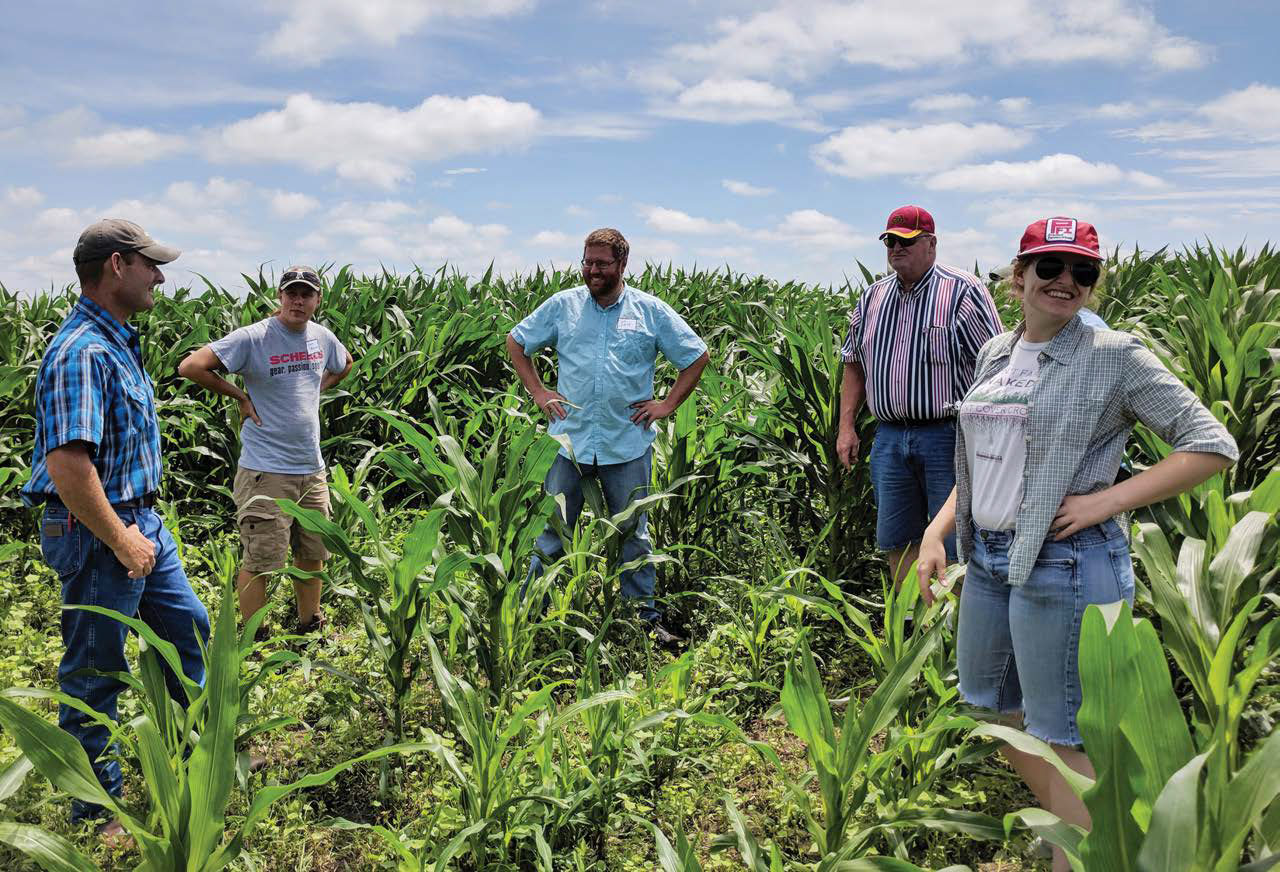
Steve Saltzman
Steve is a sixth-generation farmer near Lenox in Adams County. He raises corn and soybeans with his parents and extended family.
Levi Lyle
Levi raises corn and soybeans with his father near Keota in Washington County; 40 acres have recently been certified organic. Using cover crops to minimize or eliminate the use of ag chemicals was initially appealing to me as we were looking to transition to organic. In particular, we were interested in how to control weeds in both our organic and conventional soybeans with cover crops. We bought a roller-crimper for terminating the cover crop in the spring and laying it down in a thick mat to prevent weed emergence.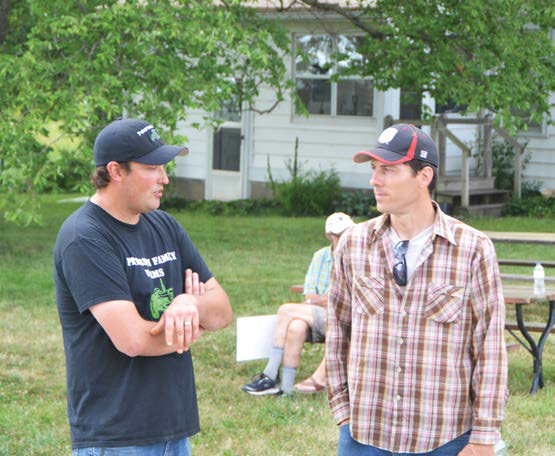
Gary Johnson
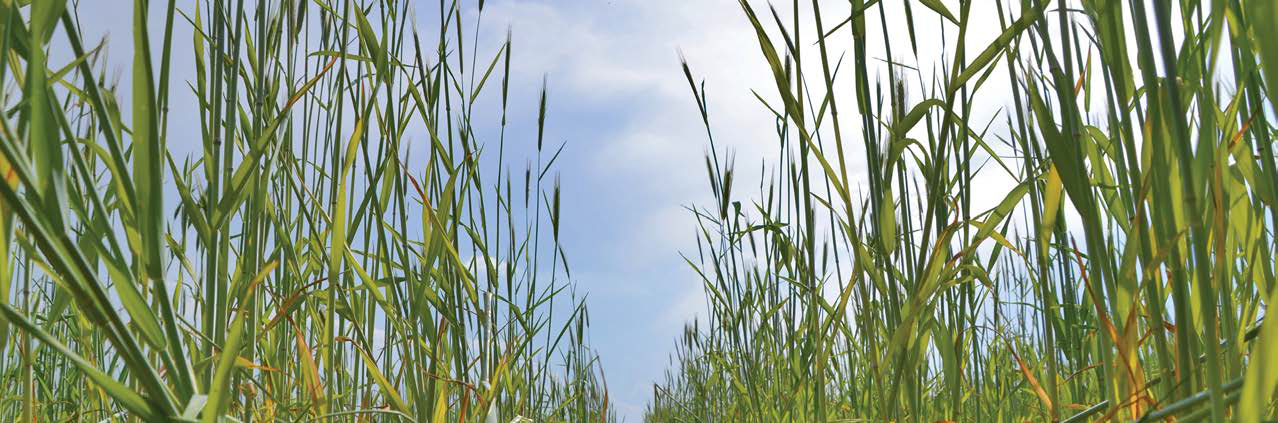
Gary raises corn, soybeans and wheat near Emerson in Mills County. I like to try new things. A few years ago, I started reading as much as I could about cover crops. I also went to several meetings, like Ray Archuleta's Soil Health Academy, to learn more. I learned that we need to look at profit per acre, not bushels per acre. It's not all about yield. It's also about limiting input costs. So I took it to the next level by establishing a three-year rotation of corn, soybeans and wheat. I seed a 13-species cover crop mix after wheat harvest in the summer. The mix includes legumes like sunn hemp and peas that haul in some nitrogen from the atmosphere. The atmosphere is something like 70-80% nitrogen; that nitrogen is all there, we've just got to make it available to our crops.“I'm using a cereal rye cover crop ahead of my soybeans for a variety of reasons: to reduce soil erosion, improve water infiltration and suppress weeds with the hopes of reducing herbicide costs.” – Gary JohnsonMy goal here is for the mix to enrich the soil and reduce my need for chemical nitrogen fertilizer for the corn I plant the year after the wheat. Can I get away with applying just 120 units of nitrogen per acre? So far this year, that corn is looking good. In the future, I'd love to get someone to put cows out to graze the summer mix that also contains sudangrass, oats, flax, buckwheat, radishes, turnips, collards and sunflowers. I'm using a cereal rye cover crop ahead of my soybeans for a variety of reasons: to reduce soil erosion, improve water infiltration and suppress weeds with the hopes of reducing herbicide costs. I plant soybeans green: The cereal rye cover crop is sprayed and then rolled with a landroller after the soybeans are planted. This results in a nice mat of rye residue that really holds back weeds like marestail. Right now, I'm spraying in my soybean fields twice: once to terminate the rye and a post-emergent herbicide later in the early summer. But what I want to see is if I can eventually get away with one shot of glyphosate early in the season and be good on weed control the rest of the year. I like to sit down in the evening and check out info on YouTube. There's lots of info out there – people talking about their mistakes and successes. It really helps to learn from other people.
Cody Glasnapp
Cody is a fifth-generation farmer near Lytton in Sac County. He returned to the farm three years ago and raises corn and soybeans with his dad. I wasn't even really considering cover crops until I got involved with PFI and began attending field days. Dennis and Wesley Degner nearby have been trying cover crops, and after attending Sam Bennett's field day this summer, it became obvious to me that we had to try something. This is the very first year we have seeded a cereal rye cover crop into standing corn.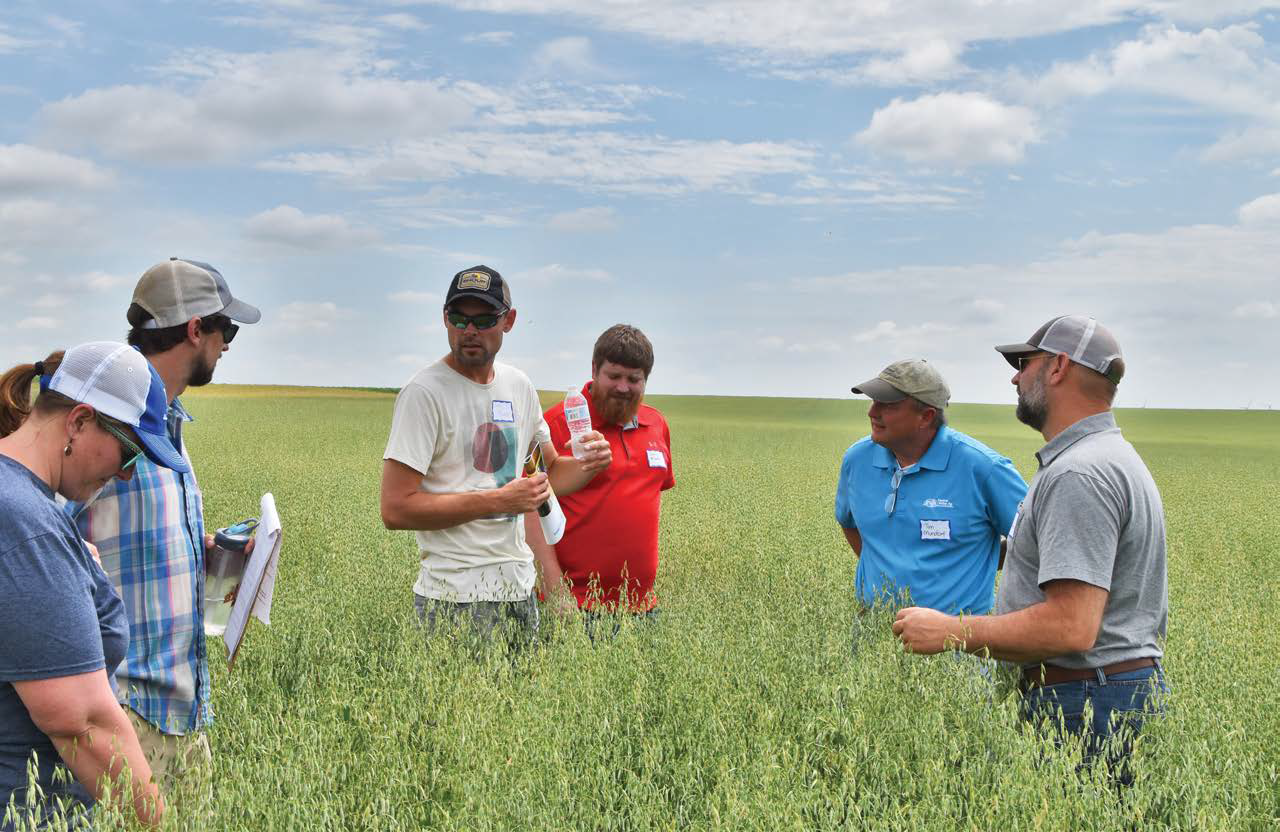
“I also think the only way to learn new things is to start taking risks. I like to stretch myself and cover crops seemed like a good way to go about this.” – Cody GlasnappSo in one way, cover crops may be my first step towards the organic transition process. It's about trying new things and keeping my passion on the farm.