A Career Focused on the Benefits of Pollinators
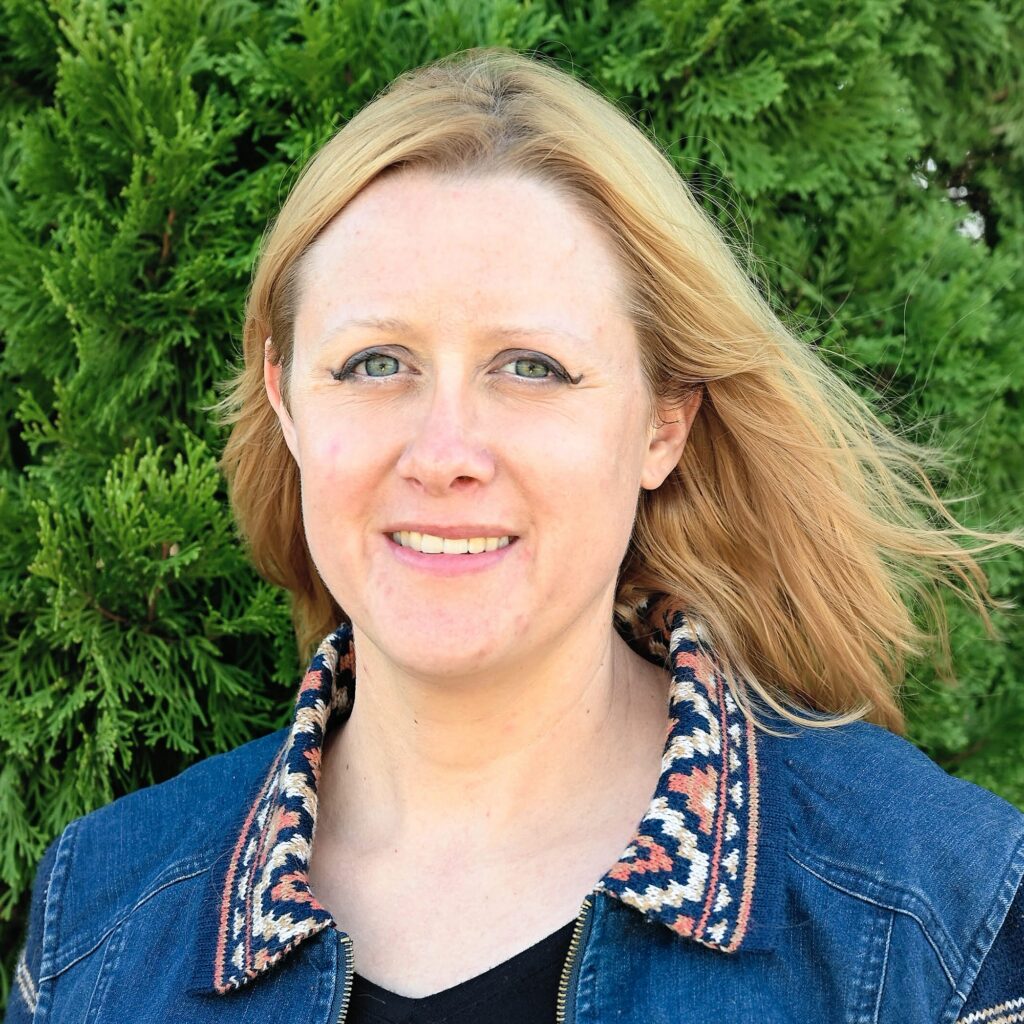
 Vanya: It's good to meet you Dr. Wen.
Dr. Wen: Thank you. It's great meeting you too!
Vanya: Alright, to get things started, I'd like to inquire first about your research. Here at PFI, we work with farmers to make their operations the best they can be and a big part of that is supporting the ecological web that supports and sustains life at the base level. A big part of that is pollinators, which are critical to healthy agricultural systems. Can you briefly explain what your research focuses on and the benefits of that research?
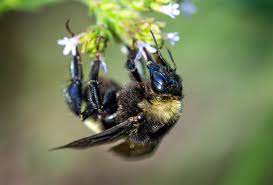
Dr. Wen: Certainly. My research focuses primarily on pollinator populations on farms that have some mix of CRP or reconstructed prairie on horticulture farms. We had initially sought out those farms that had already established this type of habitat and had that in place for at least three years prior to us surveying it for pollinators. We then compare that to vegetable growers without these established habitats. When a survey is being conducted, the team is looking for types of pollinators, such as species, and how many of each species, as well as areas with higher pollinator density within the same farm. We've been surveying these farms since about 2016-2017.
Vanya: And what have you found so far on those farms?
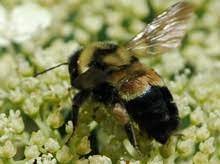
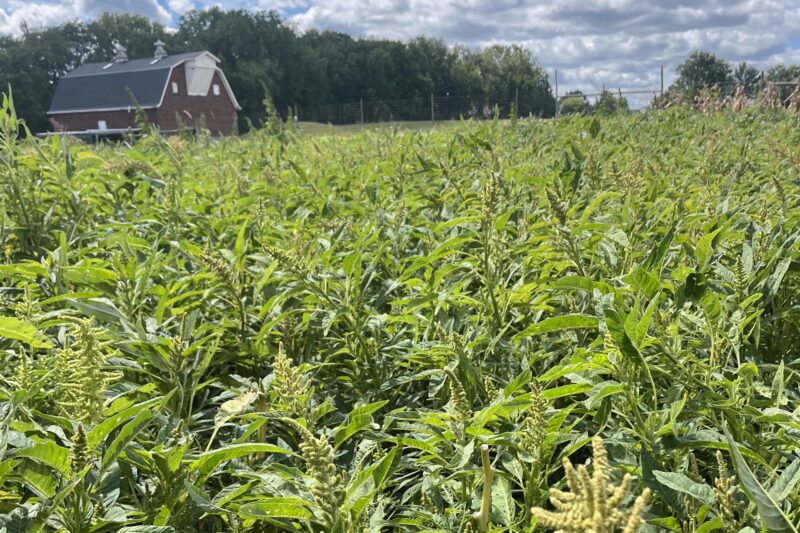
Dr. Wen: Intuitively, we have found that those farms with established CRP were host to more pollinators and varying types of pollinators, such as bees, wasps and butterflies. My research primarily hones in on the bees, but these farms are more biologically diverse. Horticulture farms in general tend to be more pollinator friendly than conventional row crop farms, but those farms too, if they implement CRP and other conservation programs, can also become thriving habitat for pollinators. The landscape of just corn and soybean does provide some habitat, but it's limited. Soybeans only “bloom” for about two weeks and corn is primarily a wind pollinated species, though it does produce some pollen that benefits bees. Establishing some type of alternative habitat is best on these types of acreages.
Vanya: Have you found any yield differences between those horticultural farms that hosted more pollinators than those without those habitats?
Dr. Wen: My research tends to focus more on the quantity and health of the individual bee species as opposed to farm outputs. However, we did find that even surrounding areas, such as adjacent farms, were host to more pollinators if they abutted the farm with the established habitat, so other horticultural farmers could benefit from this cross pollination of their crops from healthy bee populations nearby.
Vanya: It's good to meet you Dr. Wen.
Dr. Wen: Thank you. It's great meeting you too!
Vanya: Alright, to get things started, I'd like to inquire first about your research. Here at PFI, we work with farmers to make their operations the best they can be and a big part of that is supporting the ecological web that supports and sustains life at the base level. A big part of that is pollinators, which are critical to healthy agricultural systems. Can you briefly explain what your research focuses on and the benefits of that research?
Dr. Wen: Certainly. My research focuses primarily on pollinator populations on farms that have some mix of CRP or reconstructed prairie on horticulture farms. We had initially sought out those farms that had already established this type of habitat and had that in place for at least three years prior to us surveying it for pollinators. We then compare that to vegetable growers without these established habitats. When a survey is being conducted, the team is looking for types of pollinators, such as species, and how many of each species, as well as areas with higher pollinator density within the same farm. We've been surveying these farms since about 2016-2017.
Vanya: And what have you found so far on those farms?
Dr. Wen: Intuitively, we have found that those farms with established CRP were host to more pollinators and varying types of pollinators, such as bees, wasps and butterflies. My research primarily hones in on the bees, but these farms are more biologically diverse. Horticulture farms in general tend to be more pollinator friendly than conventional row crop farms, but those farms too, if they implement CRP and other conservation programs, can also become thriving habitat for pollinators. The landscape of just corn and soybean does provide some habitat, but it's limited. Soybeans only “bloom” for about two weeks and corn is primarily a wind pollinated species, though it does produce some pollen that benefits bees. Establishing some type of alternative habitat is best on these types of acreages.
Vanya: Have you found any yield differences between those horticultural farms that hosted more pollinators than those without those habitats?
Dr. Wen: My research tends to focus more on the quantity and health of the individual bee species as opposed to farm outputs. However, we did find that even surrounding areas, such as adjacent farms, were host to more pollinators if they abutted the farm with the established habitat, so other horticultural farmers could benefit from this cross pollination of their crops from healthy bee populations nearby.
A Focus on Declining Bee Species
Vanya: For our northeast and north central members, we have a new cost-share program that will help establish habitat for several endangered