The P and K Conundrum
The total phosphorus concentration of the upper six inches of most Iowa soils averages near 0.05%, or a total weight of nearly 1,000 lb/ac of phosphorus. Potassium can be found in even greater amounts: as much as 5 - 10,000 lb/ac or higher in the ‘plow layer.' Considering the amount of phosphorus and potassium naturally found in Iowa soils, it is reasonable to question why we need to purchase and add these nutrients as fertilizer. The answer is that while both nutrients are found in large supply in most Midwest soils, only small amounts are available at any one time to our crops. The pool of plant-available phosphorus is so small, it likely needs to completely replenish itself more than once daily (especially in the root zone) during the growing season. It is well known bacteria and fungi are vitally important in converting phosphorus and potassium into plant-usable forms and have developed long-standing symbiotic relationships with plant communities. However, soils may not be able to move enough phosphorus and potassium, or convert unavailable forms of nutrients to a form usable by crops quickly enough, hence the reliance on purchased fertilizers.Begin With Soil Sampling
Probability of Yield Response Within Each Phosphorus and Potassium Soil Test Category
| Very Low (VL) | Low (L) | Medium or Optimum (O) | High (H) | Very High (VH) |
| 80% | 55% | 25% | 5% | <1% |
Recommended Phosphorus and Potassium Rates for Corn Grain Using Soil Test Results
| Soil Test Category | ||||||
| Very Low | Low | Optimum | High | Very High | ||
| Recommended rates | P2O5 (lb/ac) | 120 | 85 | 67 | 0 | 0 |
| K2O (lb/ac) | 145 | 110 | 46 | 0 | 0 | |
Exceptions to the Rule?
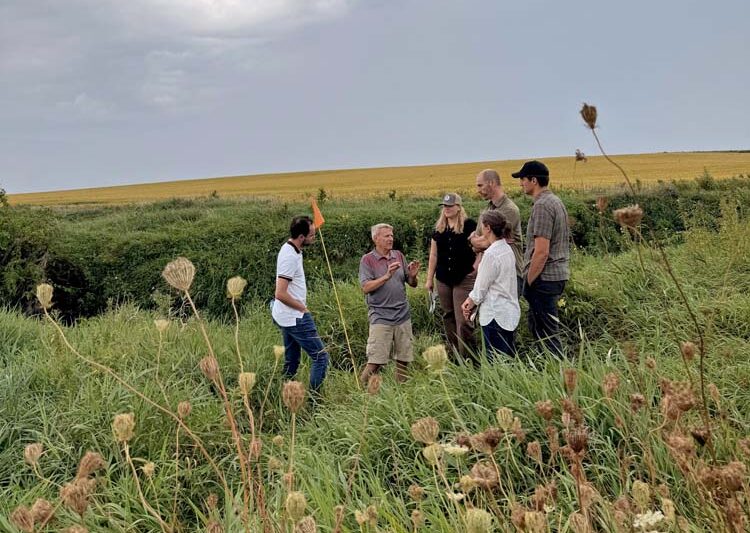
It has been proposed that particularly healthy (biologically active) soils may be capable of very rapid phosphorus and potassium nutrient uptake by high-yielding, modern crop varieties without the need for additional fertilizer. Dale Schlarmann, PFI row crop farmer from the Dubuque, Iowa, area, posits this is the case on his farm. Dale has used no-till methods for 30 years and cover crops ahead of all his corn and bean acres for over a decade.
Keeping Phosphorus in Place
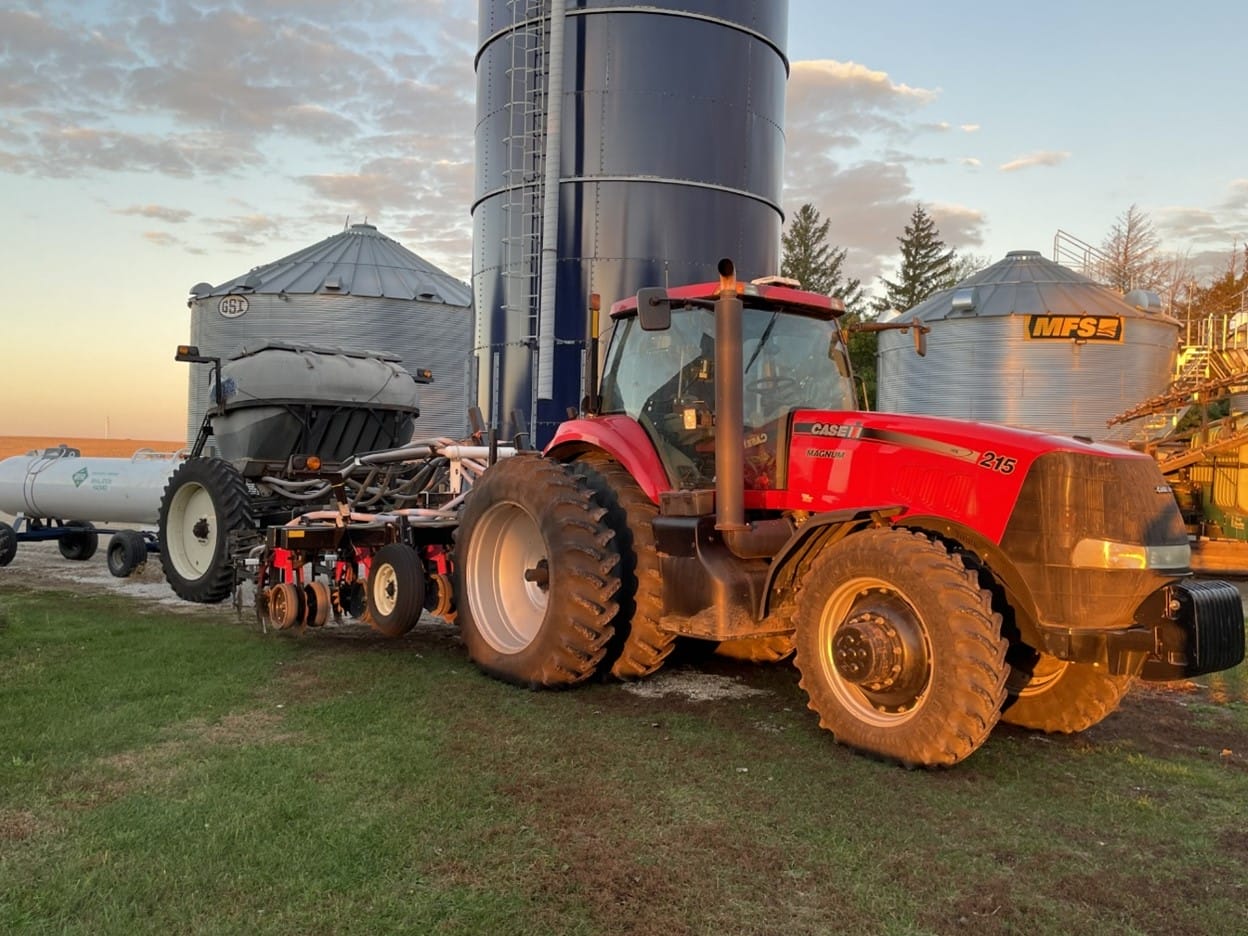
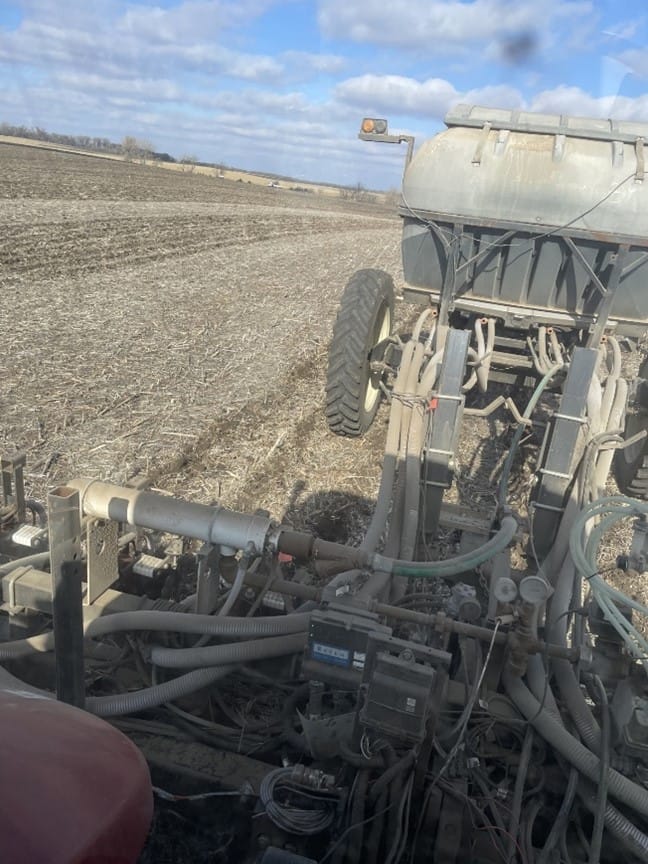
Phosphorus and potassium are relatively stable in the soil, and their removal is usually through harvesting of grain (or other plant parts) and erosion of the soil itself. When phosphorus is washed (or less often leached) from farm fields into waterways during rain or snow melt, it causes serious water quality problems. Through extensive cover cropping, Dale feels he is protecting his phosphorus and potassium pools by reducing erosion. He calculates he has 3,100 lb/ac of total phosphorus in the top six inches of his soil. Another PFI member, Ryan Johnson, who farms near Cherokee, Iowa, also protects soil using cover crops. He generally applies maintenance levels of phosphorus and potassium fertilizer. Ryan currently uses a no-till and strip-till system and strip-tills dry phosphorus and potassium fertilizer with his anhydrous ahead of corn. His fertilizer cart and anhydrous tank form a train, of sorts.