An Invitation to Pause
The Holistic Management system comprises an extensive and rigorous eight-step process, which is further divided into sub-processes. This complexity can seem intimidating to those considering HM for the first time. However, rather than being rigid and prescriptive, the system can be adapted to what the user needs. All of the farmers interviewed for this story have cut out whole sections of the formal Holistic Management process to make it usable for them. “Life happens and we don't have the time we had when we were single, or a young married couple without children,” says Torray Wilson, who farms near Paullina, Iowa. “As time becomes more of a premium, we streamline things. We pick and choose the most valuable parts for us at this point. If we did everything HM says, that would be phenomenal but there's not enough time in the day.” The crux of Holistic Management, no matter how much is pared away, is that it creates space for deliberate reflection and examination, whether of the self, farm, finances, grazing or any other sphere of life. It is a practice that demands attention be paid to details and questions we might otherwise ignore amid the bustle of our daily tasks or moving from one emergency to the next. Where deliberation has succumbed to the pell-mell of modern life, those who use Holistic Management instead commit to carving out time to reflect. “We try to look at why we do something and what's going to make the biggest impact, rather than just going through the day-to-day,” says Steve, explaining how HM helps break his farm out of routine. “You've got to keep the farm running, but sometimes I focus on the daily task list to escape the larger things I should be doing.” Moving can give the illusion of progress. Sometimes, the harder action is to sit and let the waters clear.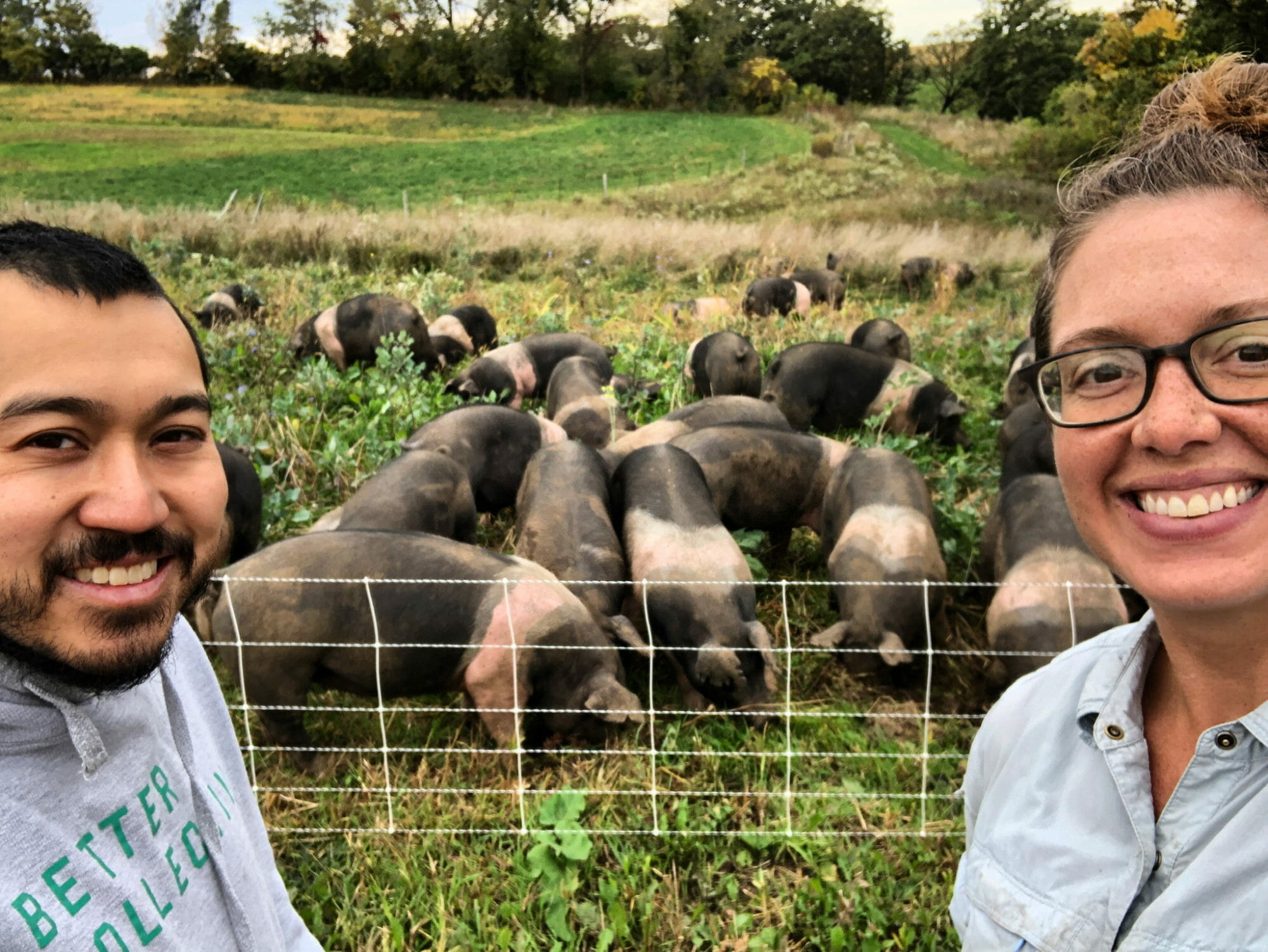
Asking Questions
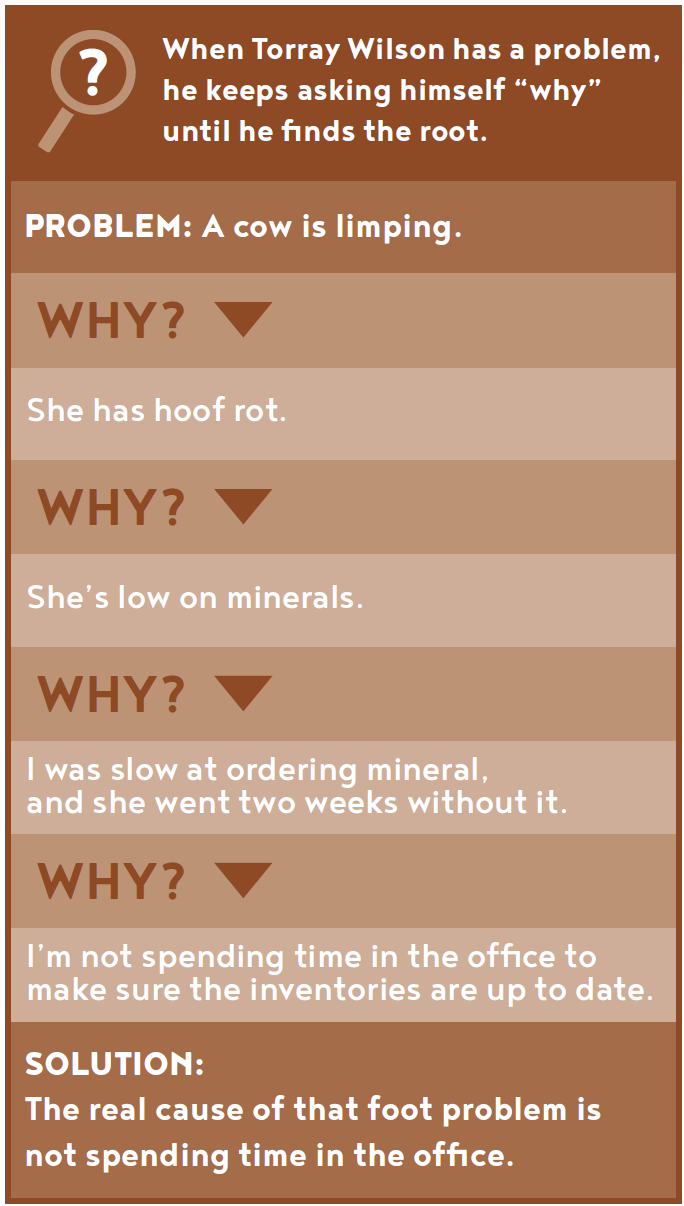
Because of its adaptability, how practitioners apply the reflection part of Holistic Management differs by user and by need. For Dayna, reflecting means closely interrogating her reasons for doing something. “The most powerful piece [of Holistic Management] that stops me in my tracks when I'm thinking about a new idea is the cause-and-effect question,” she says. “Does this action address the root cause of the problem? I think ‘Dayna, what is the actual problem in your life that you're trying to solve with this? Are you actually addressing the deep-down causes of this, or are you trying to find a new shiny thing to distract you from the root problem?'”
 For questions like this – and others – Jon sees Holistic Management as a valuable way to find common language and vision. Torray holds this as a central pillar for his family. “That's where the power comes from – having people sharing a vision, and working towards a vision even when things are hard. Sometimes you don't have to have the most talented athletes, you just have to have a team that's communicating and functioning well together.”
Like any world-framing philosophy, Holistic Management is not something that can be mastered and finished. It is a practice. Those who go through the trainings are called HM practitioners, not masters. The waters are always turbulent, but every now and then they can be settled enough to see.
Dayna and Nick will host a field day this summer on their farm in Spring Grove, Minnesota. Visit the field day page on our website for more info and to RSVP to attend.
For questions like this – and others – Jon sees Holistic Management as a valuable way to find common language and vision. Torray holds this as a central pillar for his family. “That's where the power comes from – having people sharing a vision, and working towards a vision even when things are hard. Sometimes you don't have to have the most talented athletes, you just have to have a team that's communicating and functioning well together.”
Like any world-framing philosophy, Holistic Management is not something that can be mastered and finished. It is a practice. Those who go through the trainings are called HM practitioners, not masters. The waters are always turbulent, but every now and then they can be settled enough to see.
Dayna and Nick will host a field day this summer on their farm in Spring Grove, Minnesota. Visit the field day page on our website for more info and to RSVP to attend.