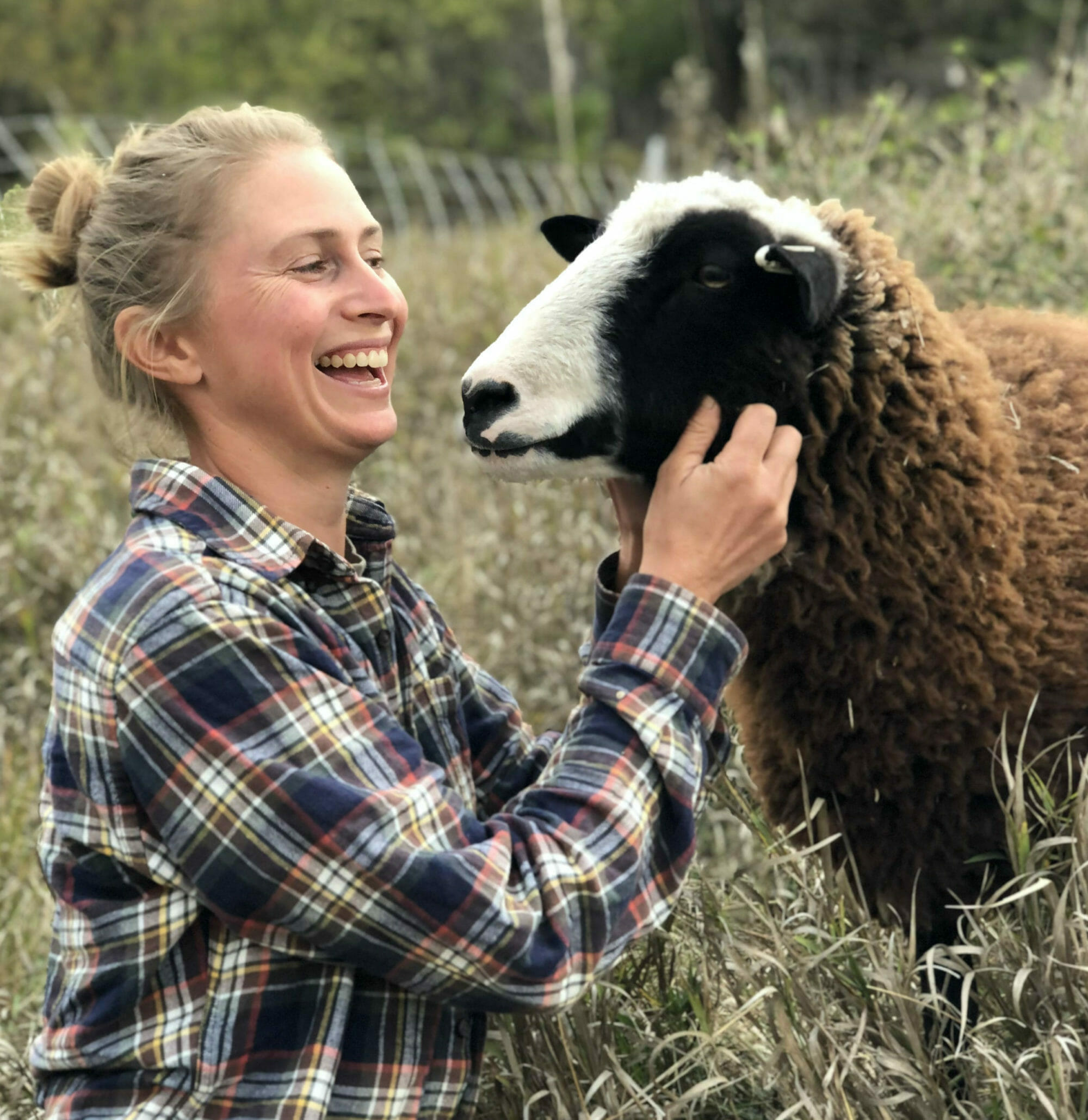
“When I think about rotational grazing, it's not just what they have access to but what they don't have access to.” - Stennie Nelson
Mimicking Mother Nature
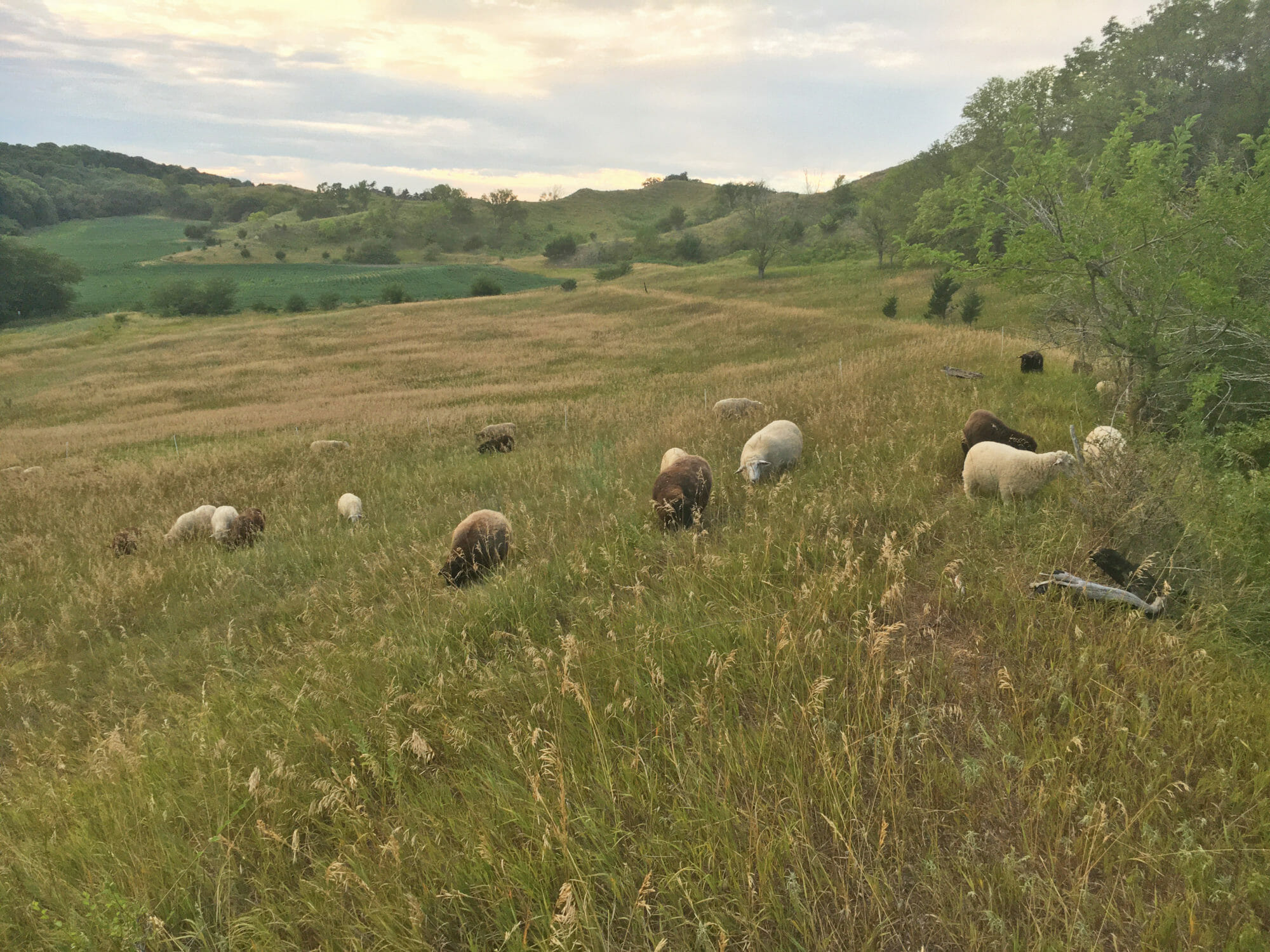
Rotational grazing is not a new concept. In fact, it's how grasslands coevolved to thrive with the once-vast migrating herds of bison, antelope and elk that roamed the Plains for thousands of years. Pushed by the seasons, and by management from various Native American nations, the herds would graze an area hard and then move on, not returning for another year.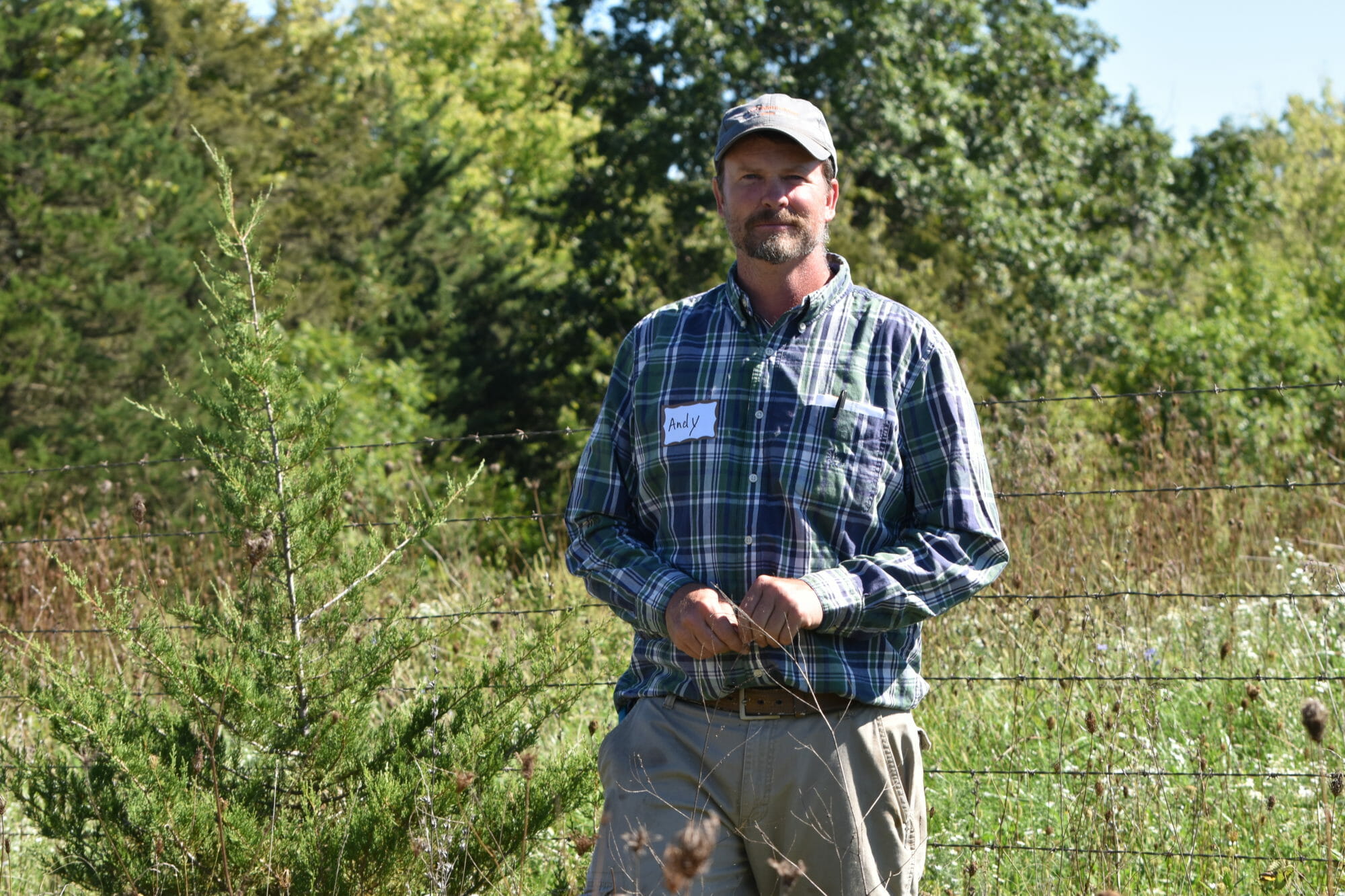
Grazing and Conservation
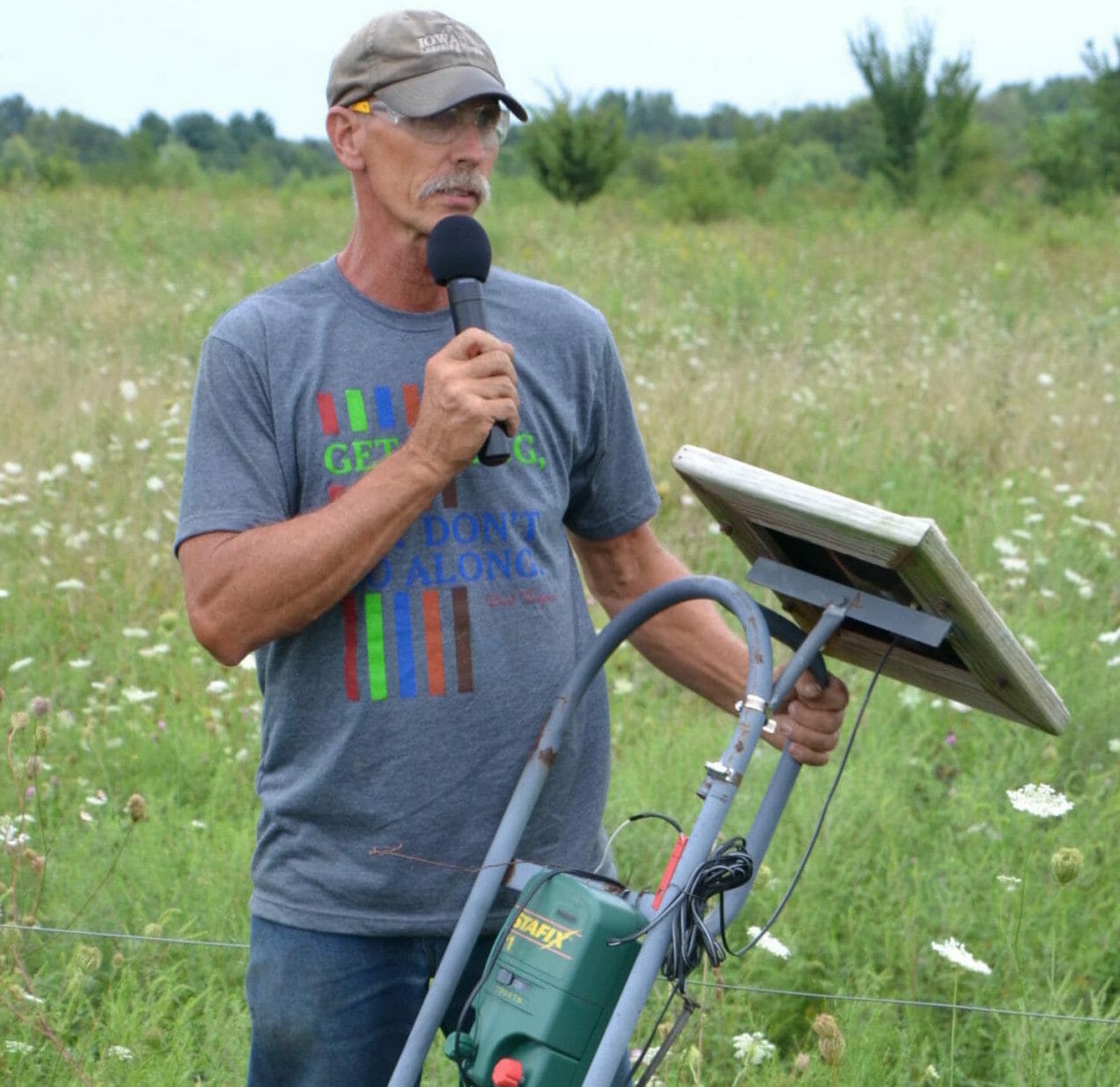
Letting pastures rest, and especially changing the seasonal timing and paddock shape for grazing, also encourages plant diversity. As Russ saw on his old CRP ground, rotationally grazing his cattle helped spread manure uniformly and stimulated the dormant warm-season prairie seed bank. “We don't need to buy seed,” Andy says. “The soil is full of seed. We just have to manage it to give it a chance to express itself.” The same process helps eliminate unwanted pasture plants. Andy says he manages brush on some of his land by intentionally overgrazing it, rotating goats through to browse the scrub down and then coming back again just as it's all resprouting. Stennie works with the Iowa Department of Natural Resources to do similar work on the public land surrounding her farm. Her sheep graze back the brush and brome that invade and compete with the native grasses and forbs. “I worked in conservation, and that's been a big mindset of mine,” she says. “Can I use sheep as a grazing tool for land like this to help manage prairie? Can grazing and conservation work together?”“I started seeing big bluestem, then Indian grass. Now I've got eastern gamagrass all of a sudden, 10 years in.” - Russ WischoverThe NRCS and the Audubon Society both say yes. They highlight the positive impact rotational grazing has on plant life as a way to revive grassland bird populations. As the plant diversity in an ecosystem returns, diverse creatures come back as well. Walking through the tall grasses of the DNR prairie adjacent to her land, Stennie says she hopes to revive similar biodiversity on her land. “It goes beyond just wildlife, but to building back the diversity of plants and all the insects.”