For non-operator landowners and tenants alike, adding livestock can be a win-win.
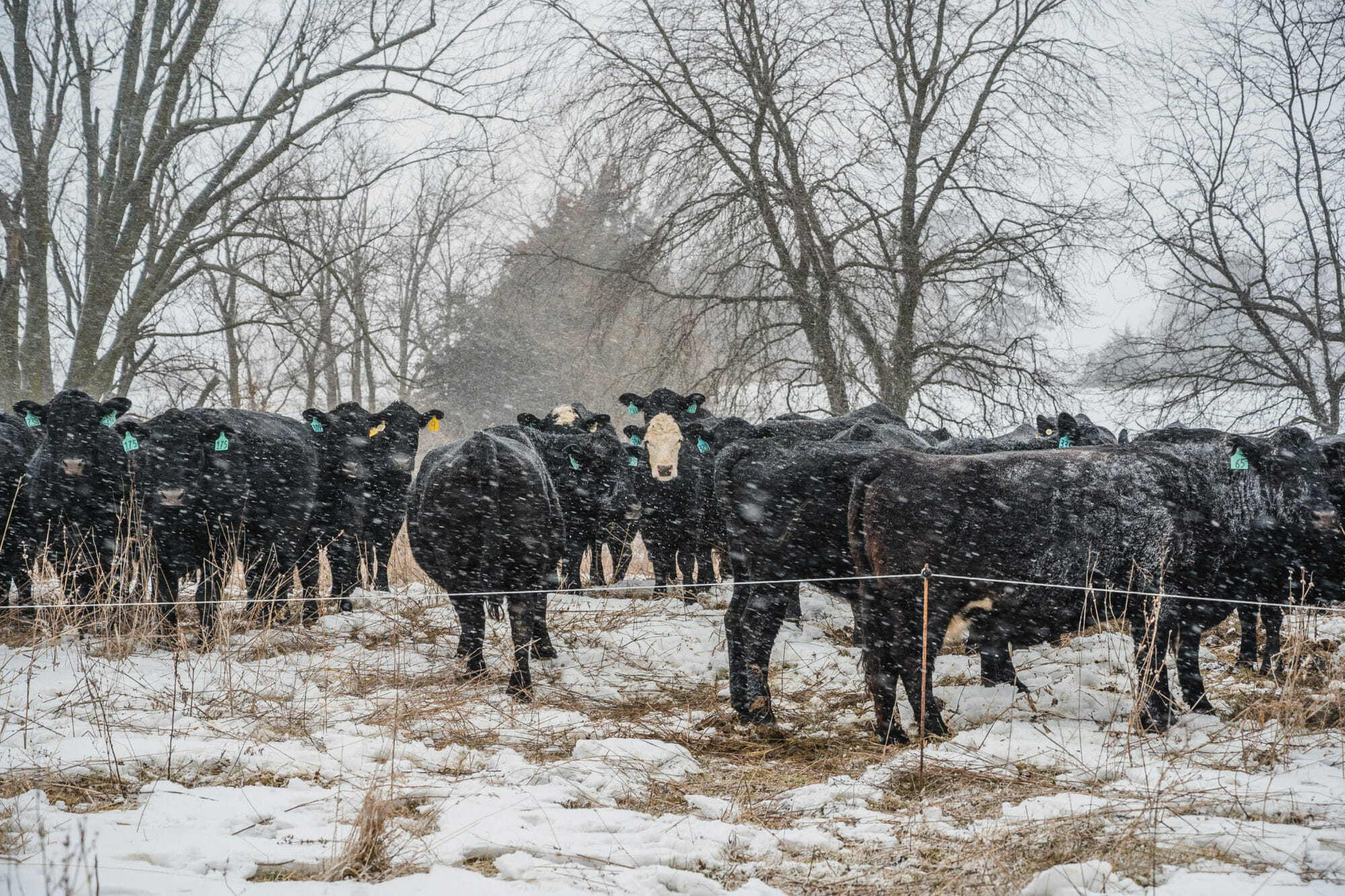
At one time, the vast majority of farms in Iowa included livestock. Today, however, livestock are an afterthought for many current non-operating landowners – those who don't actively farm. But the evidence, both anecdotal and empirical, is building that reintegrating livestock onto the landscape can be a powerful tool to realize the goals of landowners and farming tenants alike. Arlyn Kauffman and his cousins, Andrew Yoder and Mark Yoder, farm and raise livestock in Decatur County. For the past few years, the trio have rented cropland from an out-of-state landowner. But Arlyn and his cousins had a vision for other ways they could use that land: What if they could also graze the property and gain much-needed winter forage for their livestock while improving the soil health of the property's cropped acres? The arrangement would be a win-win, benefitting the farmers while proferring the landowner additional income and improved soil health on the land over time. Before the vision could become reality, Arlyn, Andrew and Mark had to confront some challenges and work with their landlord to address his concerns. The main obstacle was the landowner's concern that the presence of livestock could endanger one of the primary uses for the property: deer hunting. But by initiating a dialogue with this landowner, Arlyn and his cousins were able to identify a path forward that addressed both parties' concerns – and will hopefully result in long-term benefits for both tenants and landowner.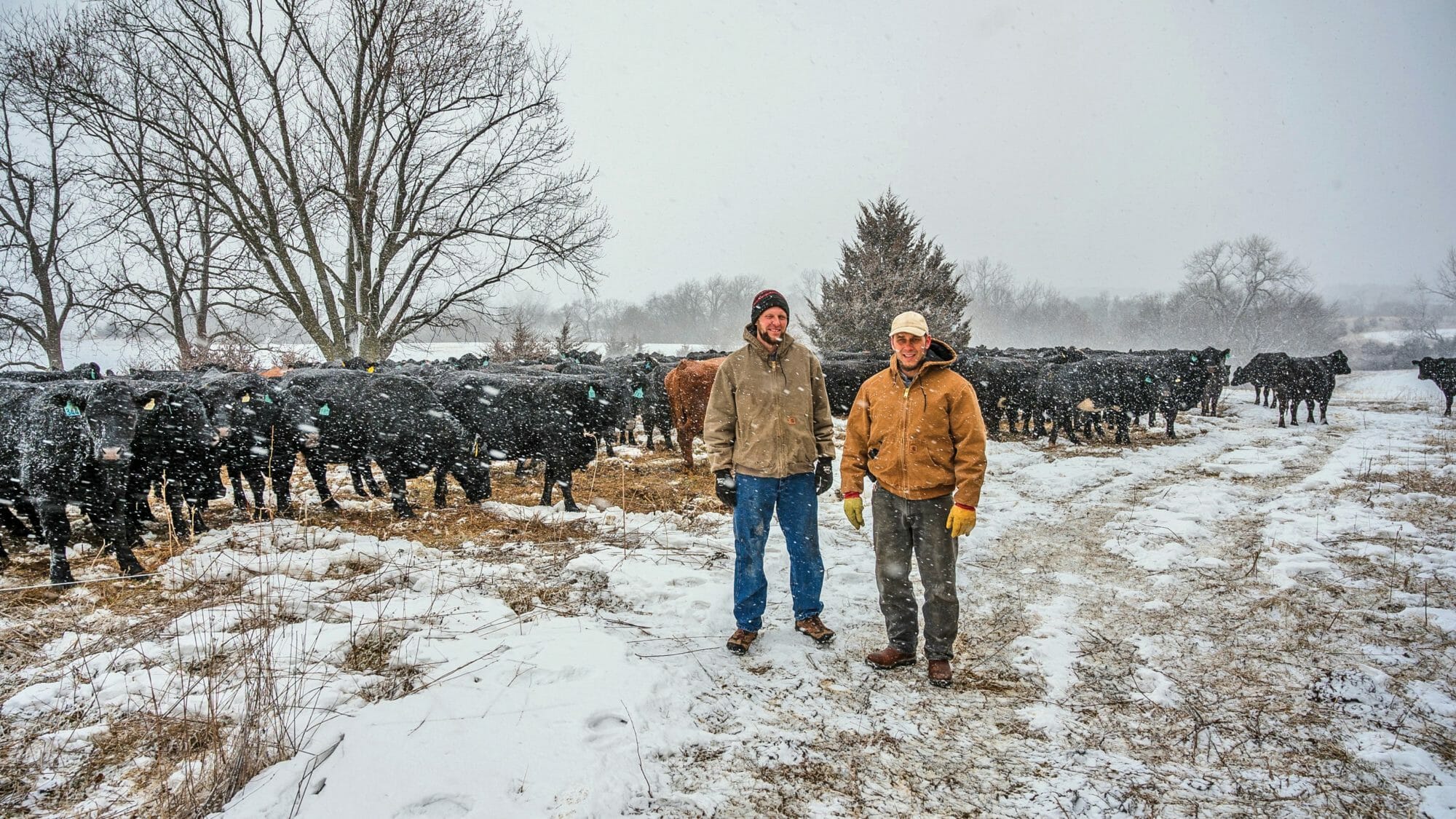
It's Not the Cow, It's the How
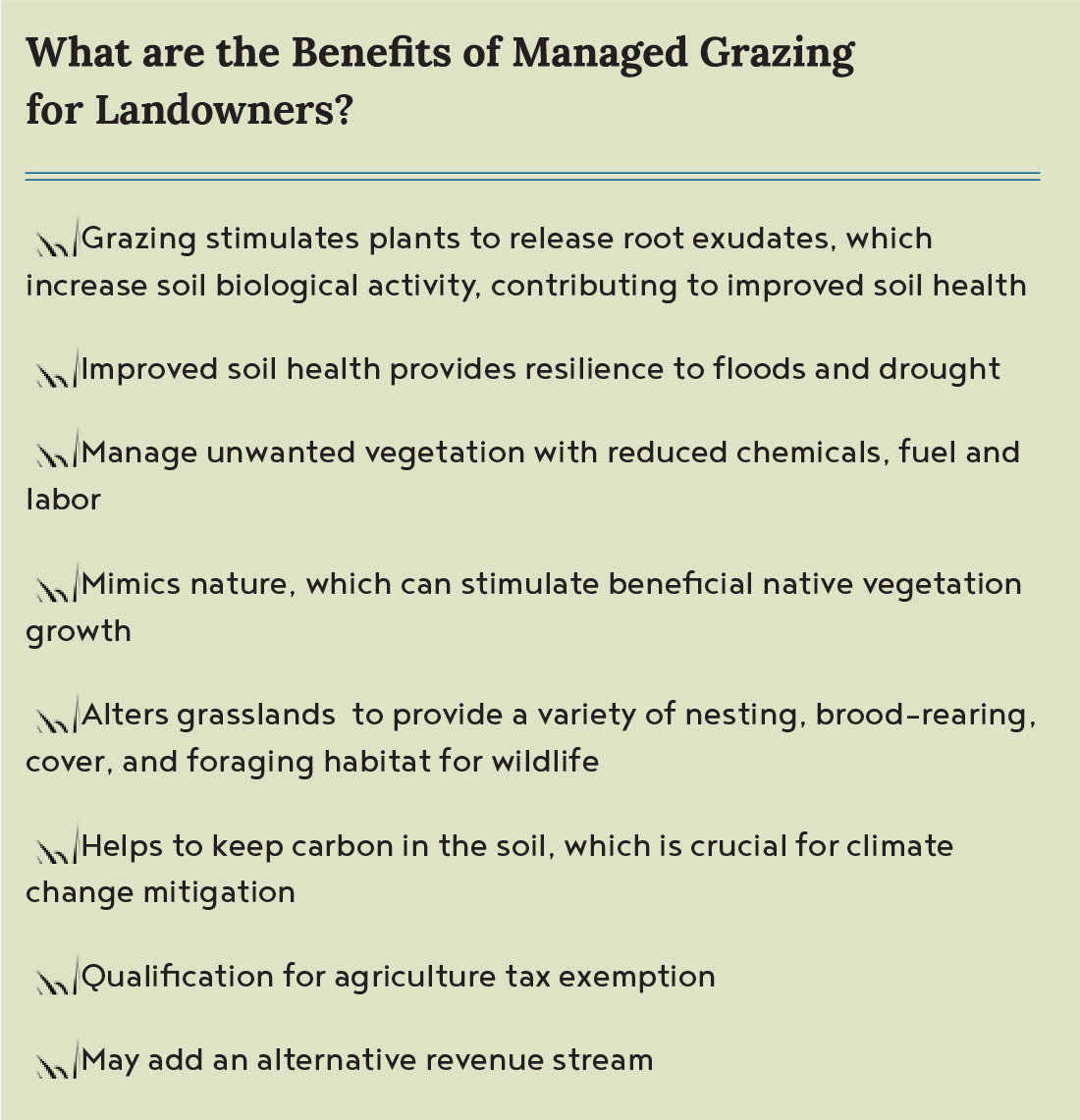
Livestock, particularly cattle, suffer from a somewhat tarnished reputation. Media coverage is often not kind – sometimes rightly so: When managed improperly, cattle can have serious impacts on the environment. In recent years, however, apprehensions around grazing have dissipated, due in large part to increased awareness and knowledge of proper grazing management. It is not an overstatement to say that management is absolutely critical when using grazing as a tool to manage land. That said, grazing and livestock management can be complex and difficult to understand. Even the lexicon is dense – you'll often hear rotational grazing, prescribed grazing and adaptive grazing management all used to refer to the practice of keeping livestock on the move and never in one place for too long. Managing the intensity, frequency, duration and timing of grazing events has the potential to provide a plethora of benefits, including improving the aesthetic and value of the land while providing extra forage for livestock.Start With Your Goals
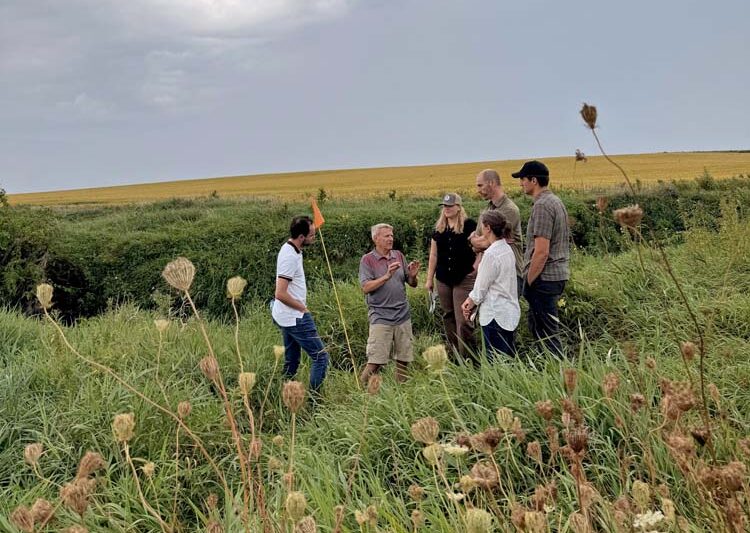
Whether you're a landowner or tenant, start with your goals for the land to help you decide whether grazing is the right land management tool. For landowners, livestock can provide extra revenue, improve wildlife habitat and boost soil health. With goals in mind, you can design a system that integrates livestock to meet your vision. Keep in mind that while integrating livestock itself might not be your top priority, it might be a priority for your tenant. If that's the case, working together to add livestock could help you both build a stronger long-term relationship. For Arlyn and his cousins, accessing winter forage and improving soil health were the primary motivations. Their landowner, however, lives in Arkansas and visits his land in south-central Iowa to recreate and hunt at different times throughout the year. While providing forage for livestock wasn't a priority, boosting soil health, extra revenue and building a stronger relationship with his tenants were all incentives. “We approached him from a soil health perspective, explaining how grazing can improve the value of his farm,” Arlyn says. “But we also had to make the case that it wasn't going to hurt the hunting.”“We approached [our landlord] from a soil health perspective, explaining how grazing can improve the value of the farm. But we also had to make the case that it wasn't going to hurt the hunting.” – Arlyn KauffmanInitially, Arlyn's landowner needed some convincing; he was worried about degrading deer habitat, believing cattle and deer don't mix. “We agreed to graze cows in February and March, then remove them in order for vegetation to fully recover by hunting season the next fall,” Arlyn says. “We also agreed to fence out a 15-acre spot that is special to the landowner because it's where deer bed down and browse and he doesn't want cows to ruin it.” Through open conversation and dialogue, Arlyn was able to come to a compromise with his landowner that resulted in both sides' goals being met – and opening the door to a stronger long-term relationship. Arlyn says his landowner's mind has already changed for the better. “Now it is up to us to keep doing things that reinforce his new opinion and not jeopardize it in any way.”
Find A Grazier
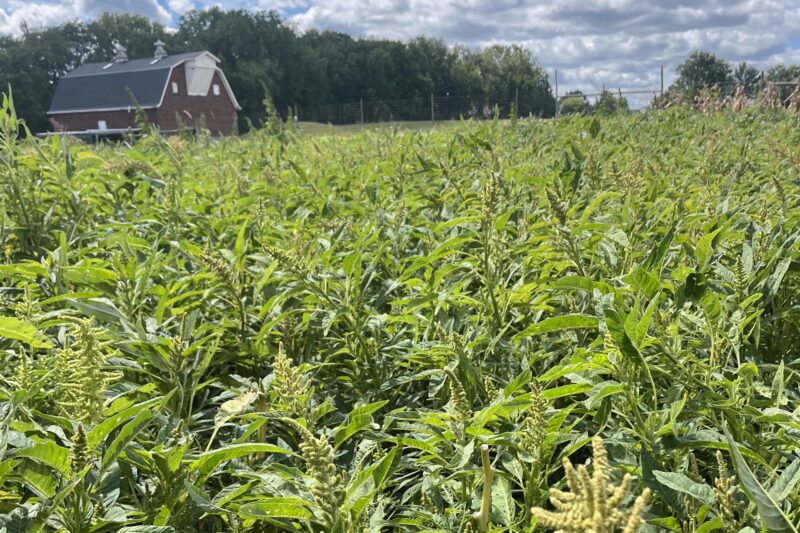
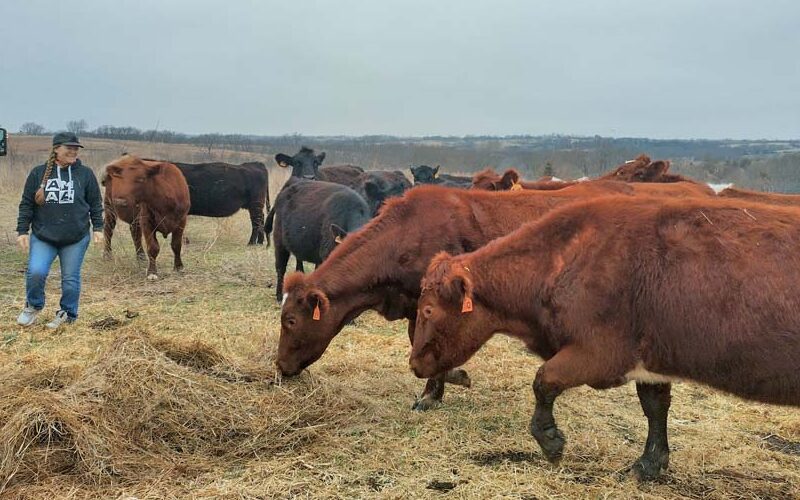
For Arlyn's landlord, the transition to having cattle on the land was eased by the fact that Arlyn and his cousins were already renting the cropped acres they hoped to graze. The trio also grazes on rented ground elsewhere and are experienced with managed grazing. Arlyn identified an opportunity to graze cover crops on the cropland portion of the land, as well as the grassy corners, waterways and woods on the property. Because the farmers already had a relationship with their landlord, they felt comfortable approaching him openly about grazing. For many landowners, however, reintegrating livestock onto the landscape is not always so straightforward. As with Arlyn and his cousins, the simplest way to take advantage of grazing is to work with neighbors or tenants who already have livestock. If this is not an option, ask your local Soil and Water Conservation District office, Natural Resources Conservation Service representative or local Cattlemen's Association chapter for suggestions of graziers who have experience in leasing land and employing managed grazing. You could also take a summer drive around your county to see who is grazing and stop to ask if they are interested. Alternatively, PFI is currently working to develop the Midwest Grazing Exchange, a website to match landowners and row crop farmers with graziers – like a dating app for land and cows – which will go live this summer.Grazing Leases
At its most basic level, a lease is an agreement for one party to use land owned by another party; in practice, things are more complicated. Like crop leases, grazing leases can vary considerably. For Arlyn and his landowner, an oral agreement for this first year of grazing was sufficient for both parties to feel comfortable with the arrangement. If the idea of an oral agreement is disquieting to either landlord or tenant, the best practice is always to use a written lease.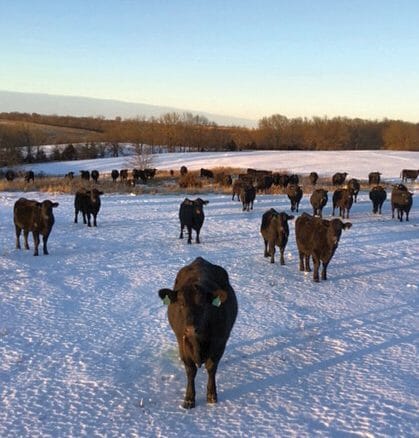
 Liability: Whenever a land situation involves people, animals or other objects moving around on the landscape, liability concerns always come into play. The concerns are handled in many ways in a grazing agreement, from indemnification, “hold harmless” and “breachy” (read: escape artist) livestock clauses to requirements for regular fence and gate maintenance.
The end goal is for both sides to feel comfortable with their responsibilities under the lease. This includes ensuring both parties understand and accept the terms of activities each signatory to the agreement must perform, as well as who will be responsible in the event of a lawsuit. “This farm is not along a highway and there is very little traffic,” Arlyn says. “So a verbal agreement was sufficient because liability was not a concerning factor for either party. If it were, we would have gone with a written lease.”
Use of vehicles or ATVs: With a cropping lease, it is assumed that the tenant will be operating machinery in the course of agricultural production. With a grazing agreement, that assumption is not always valid. Both landowners and tenants should consider the degree to which all-terrain and other vehicles will be allowed on the property. For a variety of reasons, these vehicles can be vital to many livestock management and transportation strategies, so it's best if graziers and landowners address this issue up front rather than be surprised down the road.
Landowner rights and reservations: Without any qualifications or exceptions, a lease agreement for a property assumes the tenant has exclusive possession of the property being leased. This means that unless specified, the landowner cannot legally use the property for the duration of the lease agreement.
Most agricultural leases, however, include reservations for the landowner to enter the property to inspect the premises, sometimes with or without notice. Landowners who wish to continue using the property for recreation – such as hunting – should specifically reserve that right in any agreement.
Liability: Whenever a land situation involves people, animals or other objects moving around on the landscape, liability concerns always come into play. The concerns are handled in many ways in a grazing agreement, from indemnification, “hold harmless” and “breachy” (read: escape artist) livestock clauses to requirements for regular fence and gate maintenance.
The end goal is for both sides to feel comfortable with their responsibilities under the lease. This includes ensuring both parties understand and accept the terms of activities each signatory to the agreement must perform, as well as who will be responsible in the event of a lawsuit. “This farm is not along a highway and there is very little traffic,” Arlyn says. “So a verbal agreement was sufficient because liability was not a concerning factor for either party. If it were, we would have gone with a written lease.”
Use of vehicles or ATVs: With a cropping lease, it is assumed that the tenant will be operating machinery in the course of agricultural production. With a grazing agreement, that assumption is not always valid. Both landowners and tenants should consider the degree to which all-terrain and other vehicles will be allowed on the property. For a variety of reasons, these vehicles can be vital to many livestock management and transportation strategies, so it's best if graziers and landowners address this issue up front rather than be surprised down the road.
Landowner rights and reservations: Without any qualifications or exceptions, a lease agreement for a property assumes the tenant has exclusive possession of the property being leased. This means that unless specified, the landowner cannot legally use the property for the duration of the lease agreement.
Most agricultural leases, however, include reservations for the landowner to enter the property to inspect the premises, sometimes with or without notice. Landowners who wish to continue using the property for recreation – such as hunting – should specifically reserve that right in any agreement.