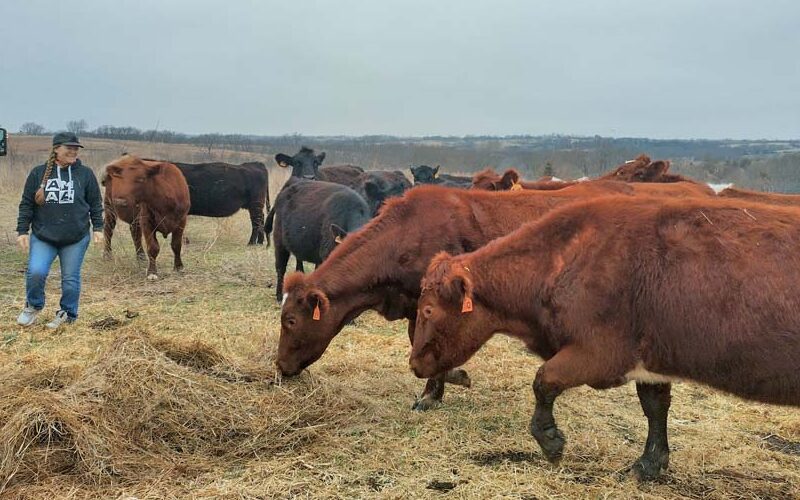
PFI members share why and how they monitor on-farm conservation efforts
Most farmers are no strangers to monitoring the agronomics of the farm. But what about measuring the impacts of conservation? Recent years have seen an influx of tools and aides designed to help farmers monitor the effects of their conservation actions, but questions still remain about why, when and how to measure the impacts of on-farm conservation.Why Measure Conservation?
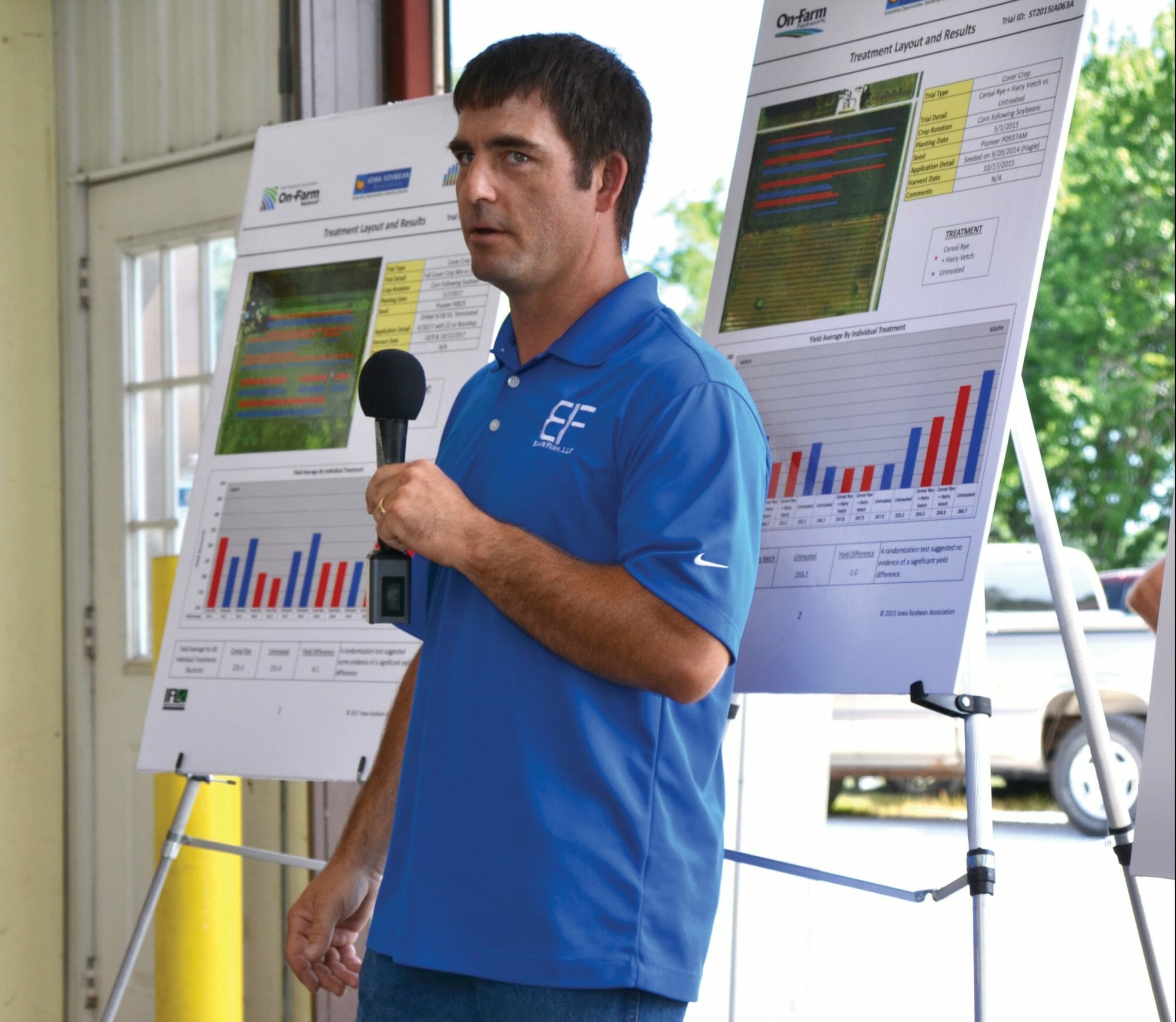
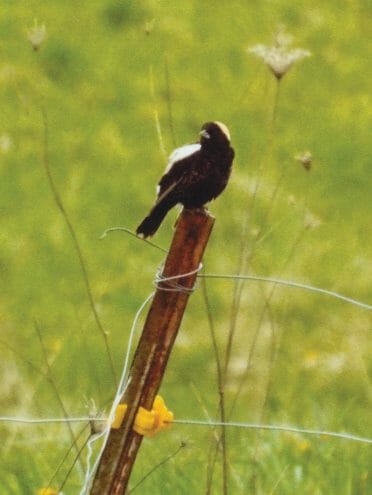
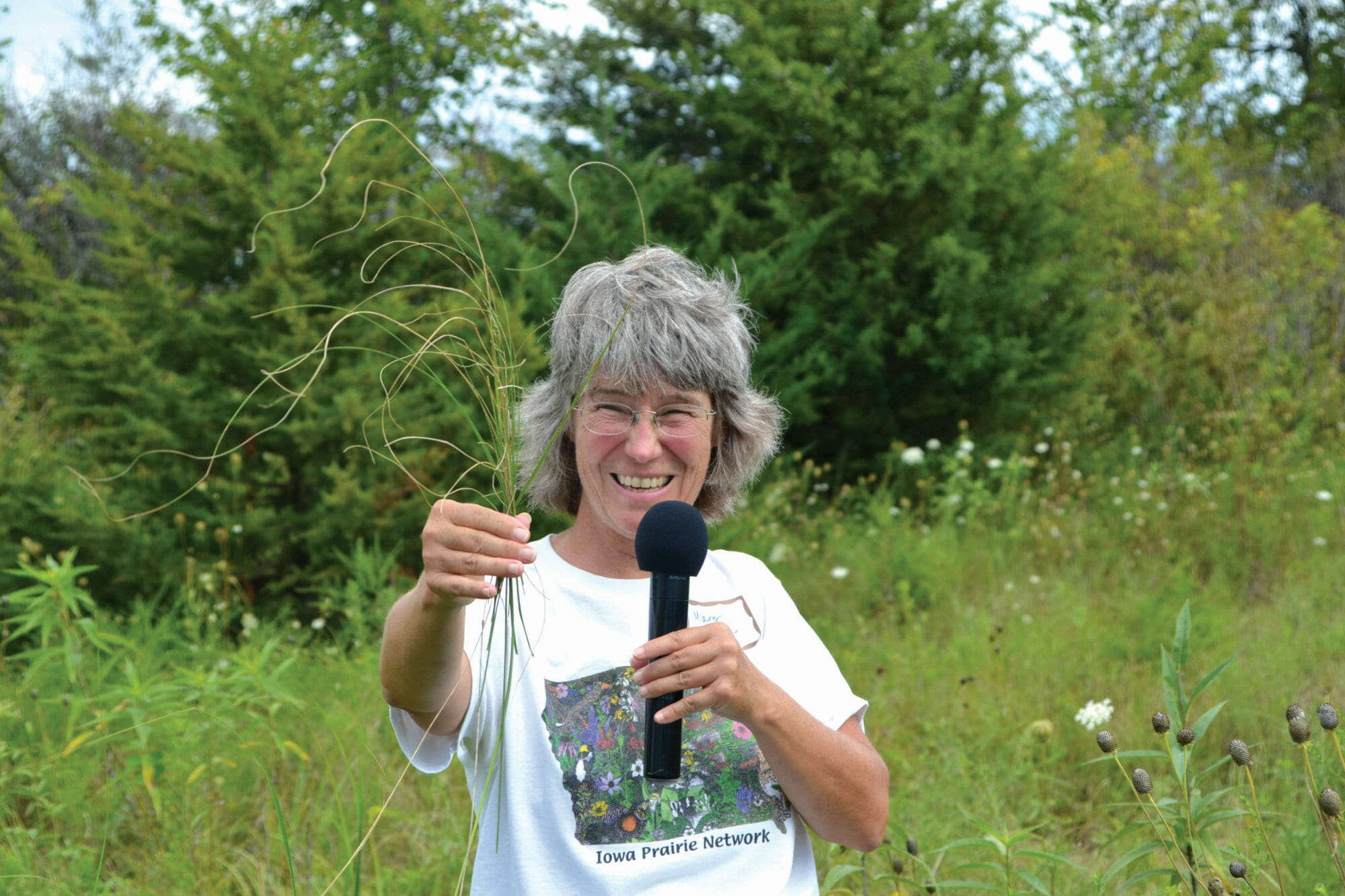
“If it's a focus or a concern, then I should know my own data before someone else does and be proactive rather than reactive.” – A.J. BlairMary Damm, who owns land near McGregor, has a similar motivation. A botanist and plant ecologist by training, Mary is keen to know what's happening on her land, either as a result of or despite her tenants' grazing activities. From soil health and water infiltration to plant diversity and wildlife usage, Mary seeks to understand how the ecology of her farm is affected by grazing on the farm. “It's a learning process trying to figure out what was working and what wasn't working,” Mary says. “And changing timing and methods to figure out what benefited the prairie and the birds the most.”
Challenges and Solutions
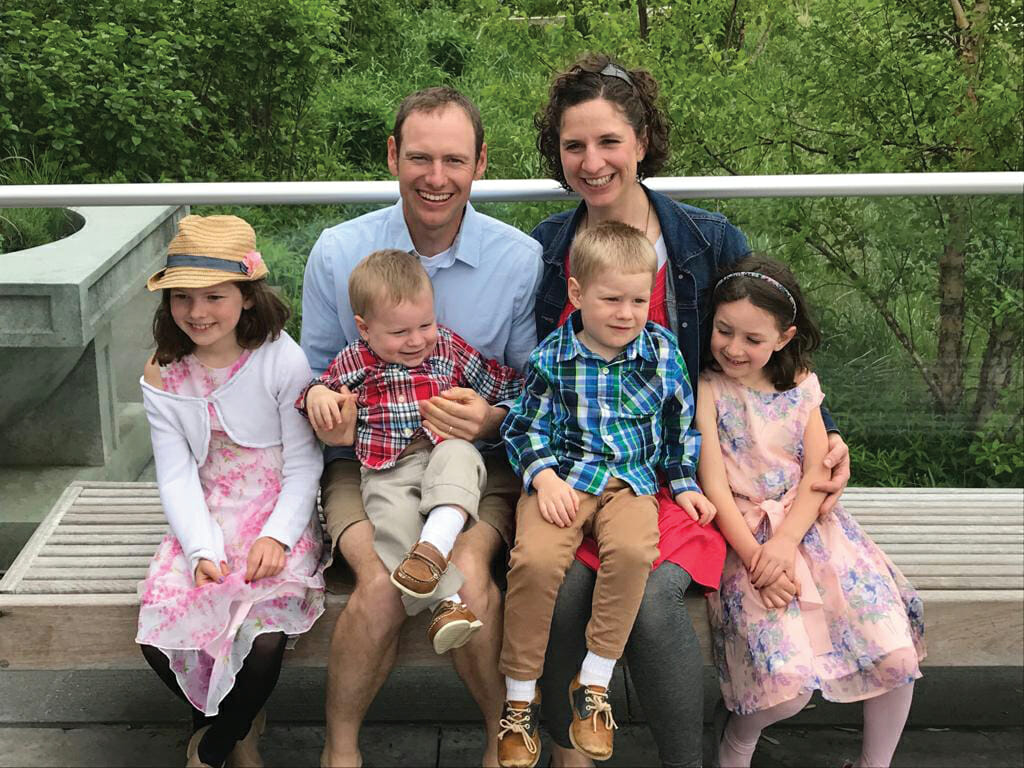
Gathering information on the farm is a first step – but knowing what to do with it and understanding how to evaluate the results of any monitoring efforts pose an entirely new set of challenges. For example, Mary Damm says she has struggled with interpreting and applying the results of soil tests taken on her farm. “I was very interested in soil health on my farm, so we did several Haney tests at different locations,” Mary says. “But it was frustrating, because even though I've studied soils, I had a difficult time interpreting the results.”“One of our biggest challenges is having the self-discipline to stop working in the business and start working on the business.” – Torray WilsonMary eventually concluded that her problem was due to a common monitoring challenge: a lack of baseline information. Without a baseline for comparison, it can be hard to interpret the data gathered as part of a conservation monitoring program. To address this lack of context, Mary has started testing more and different parts of her farm – including areas she and her farm manager know were never plowed. These remnant areas may provide a baseline against which samples from her pastures and reconstructed prairies can be compared. A.J. Blair and his family are also in the process of collecting baseline data. A.J. notes that as their efforts mature, they are getting better at collecting only the data that's relevant to the questions they want to answer. This is another challenge for any monitoring program: Simply collecting data is relatively straightforward, but having the right data in a useful form is much more difficult. “Collection is good, but we can collect so much stuff that a lot of it can become unusable,” A.J. says. “We really have to think about what things we can control and whether or not collecting data on things we can't control is worth it.”
You Don't Have to Do It Alone
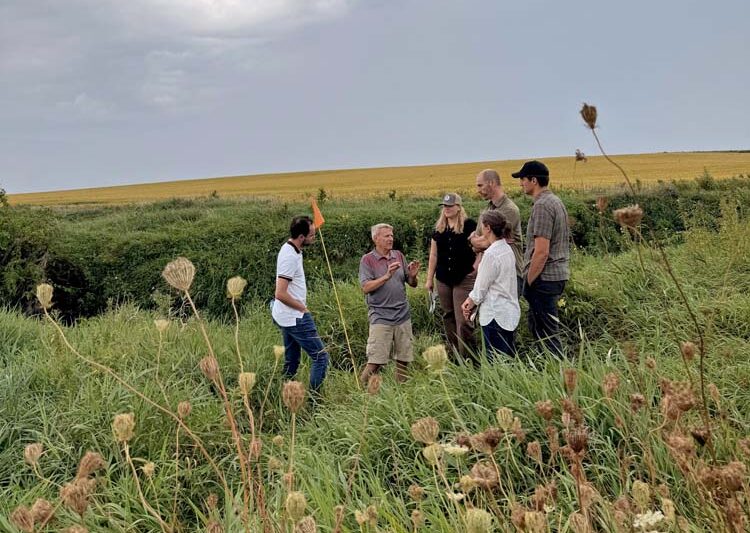
Torray, A.J. and Mary all have different operations and priorities for their farms, including different conservation goals. But they share a common attribute: They're not alone in their monitoring efforts. “To have a successful trial, you have to be able to set things up correctly,” A.J. says. “That's where Iowa Soybean Association and Practical Farmers have really helped us.”“The surveys really provided validation and hard evidence that we had been doing good work. To me, that we have a working farm and such tremendous bird diversity, is remarkable.” – Mary DammOn the Blairs' farm, the water quality monitoring they're doing with Iowa Soybean Association is completely hands-off. ISA staff pick up samples from the farm and send them to a water lab for analysis. A.J. then gets a report once or twice a year that includes the results at a field scale, as well as aggregate statewide data. The process is quick, efficient and confidential.