Significance and benefits of oxbows in Iowa
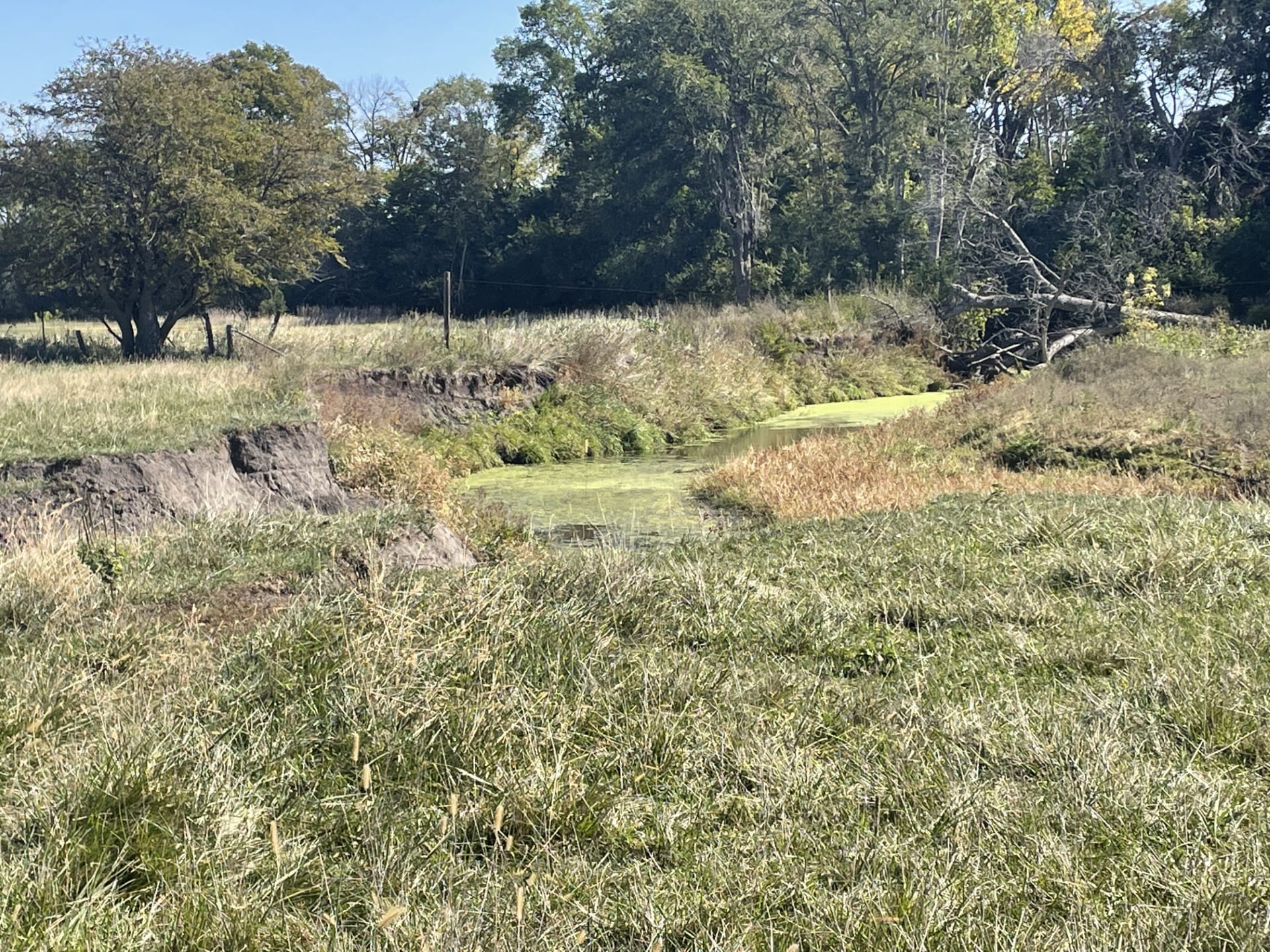
Oxbows are former stream meanders that are typically ‘U' shaped and have become separated from the current stream. They are often referred to as oxbow lakes and are an important type of wetland common in Iowa's floodplains.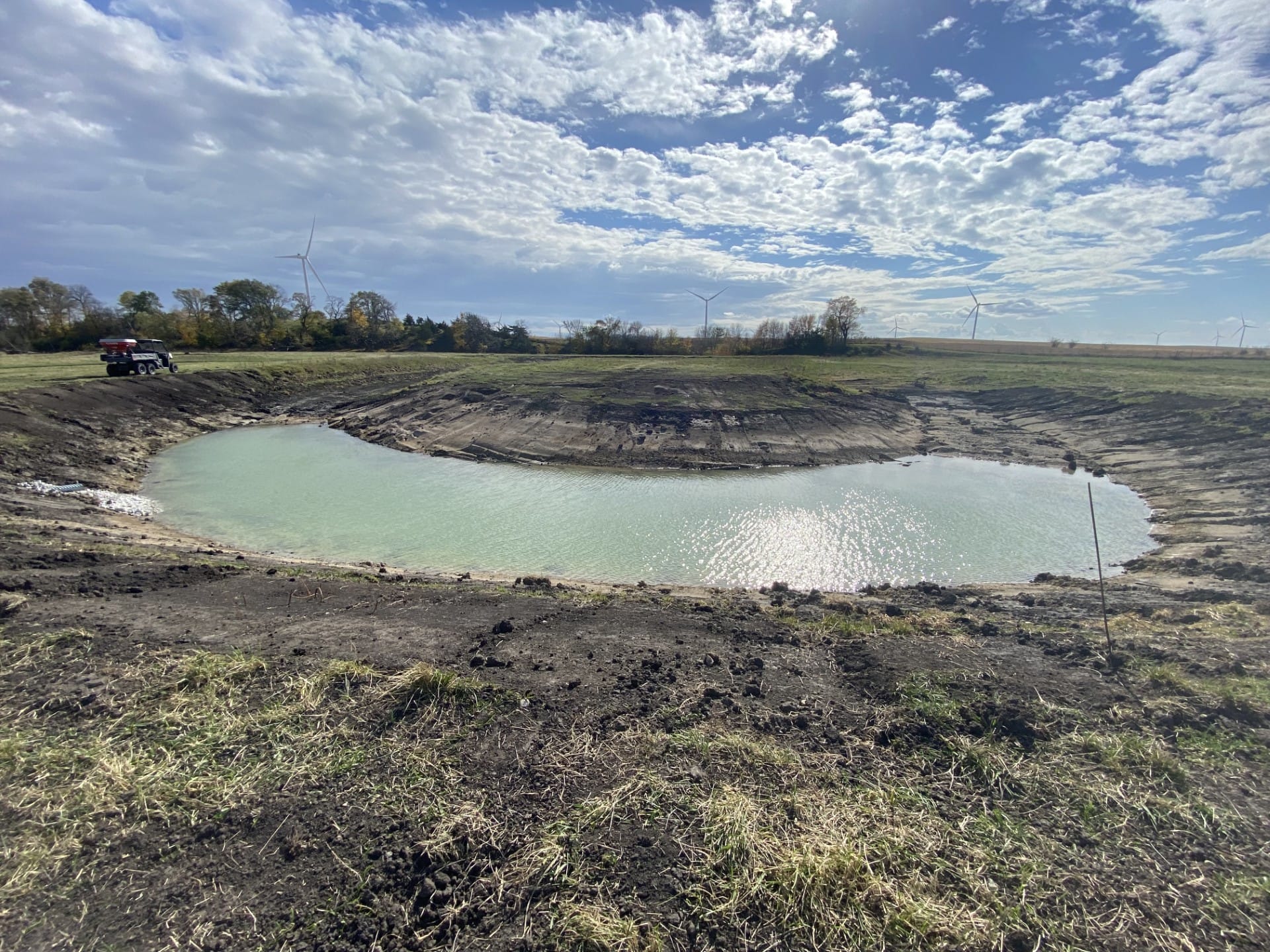
Multi-purpose oxbow restoration
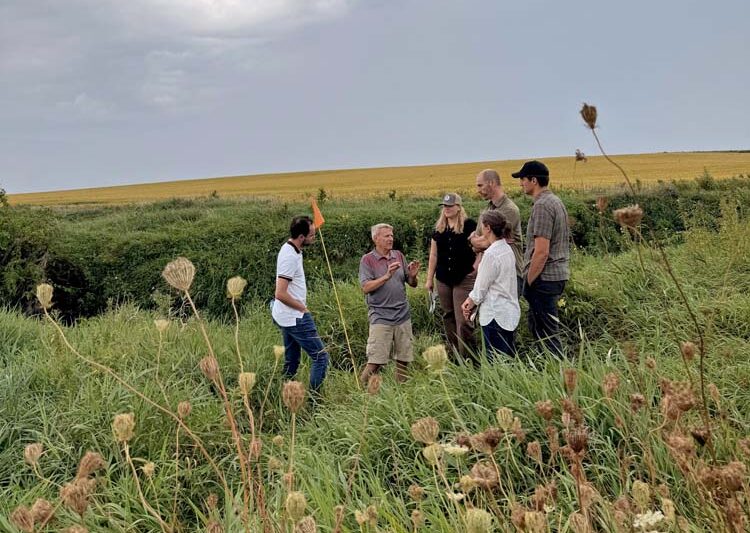
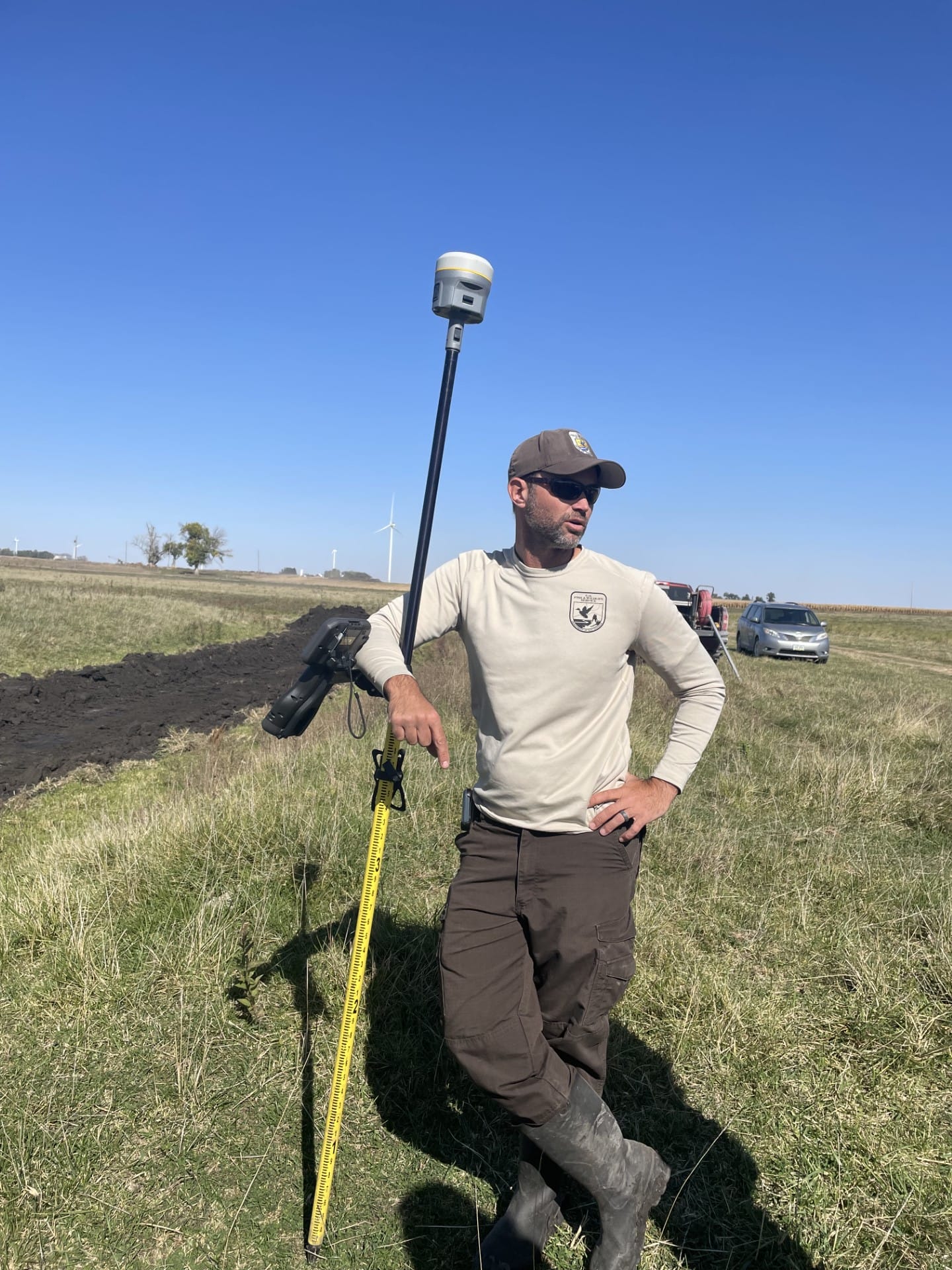
In October 2023, through a partnership with U.S. Fish and Wildlife Service and Practical Farmers of Iowa, using an award from the Iowa Department of Agriculture and Land Stewardship, excavation began to restore two multi-purpose oxbows. When funded by a WQI grant, multi-purpose oxbow restorations are tile-fed to treat crop field drainage water, meaning field tile water is often discharged directly into an oxbow so that restored oxbow wetlands can reduce nitrate levels.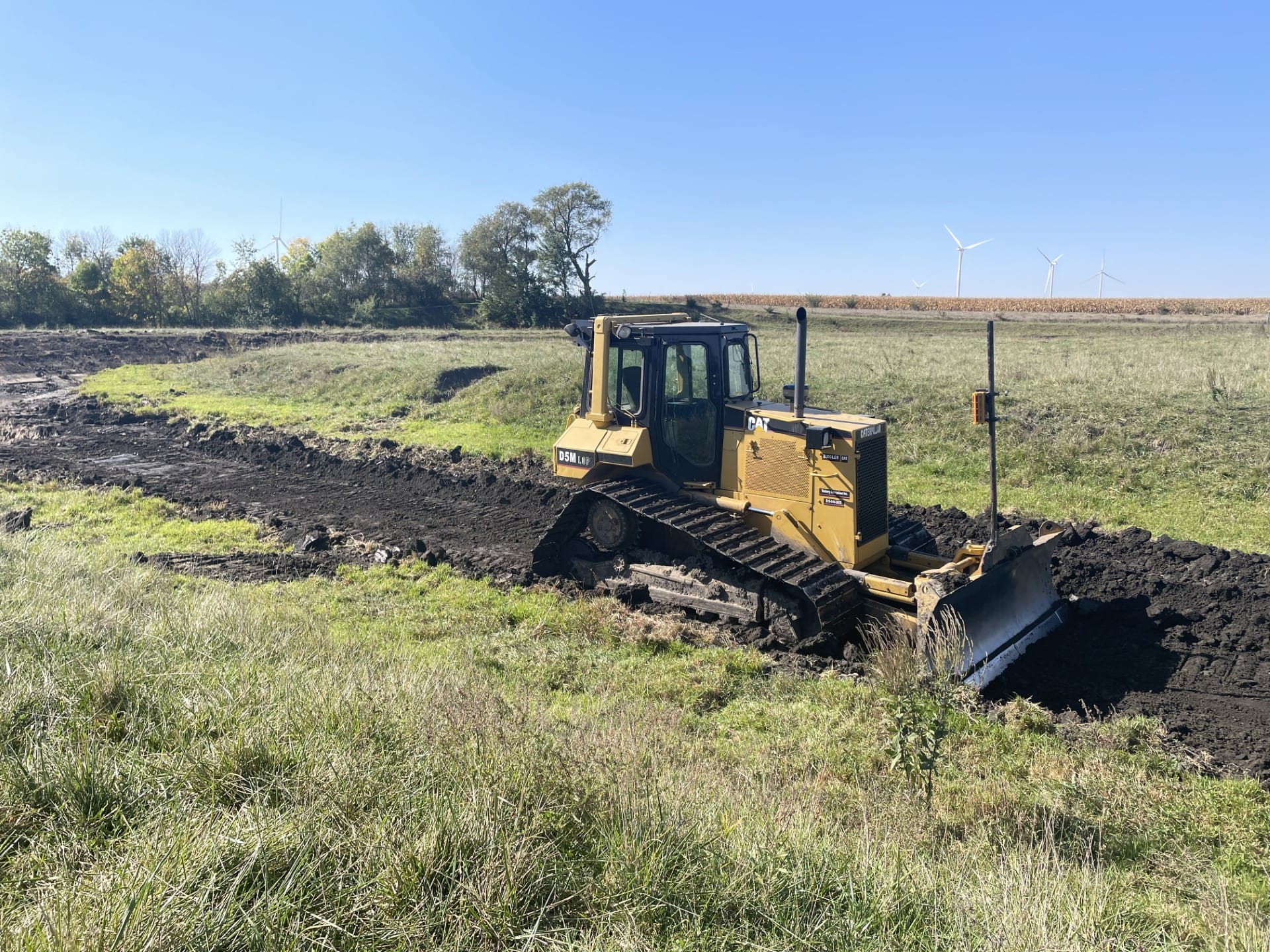 As their name implies, multi-purpose oxbow restorations (and typically all oxbow restorations) can be designed for multiple purposes beyond water quality improvements including fish and wildlife habitat improvement, increasing recreational opportunities, increasing flood water storage, providing off-stream water for cattle and/or improving the viewscape of a farm or property. On the day of my visit, a local contractor was already hard at work restoring a multi-purpose oxbow in the pasture (restoration was recently completed), and another oxbow is now being restored in another pasture to the north.
Native plant restoration for habitat enhancement
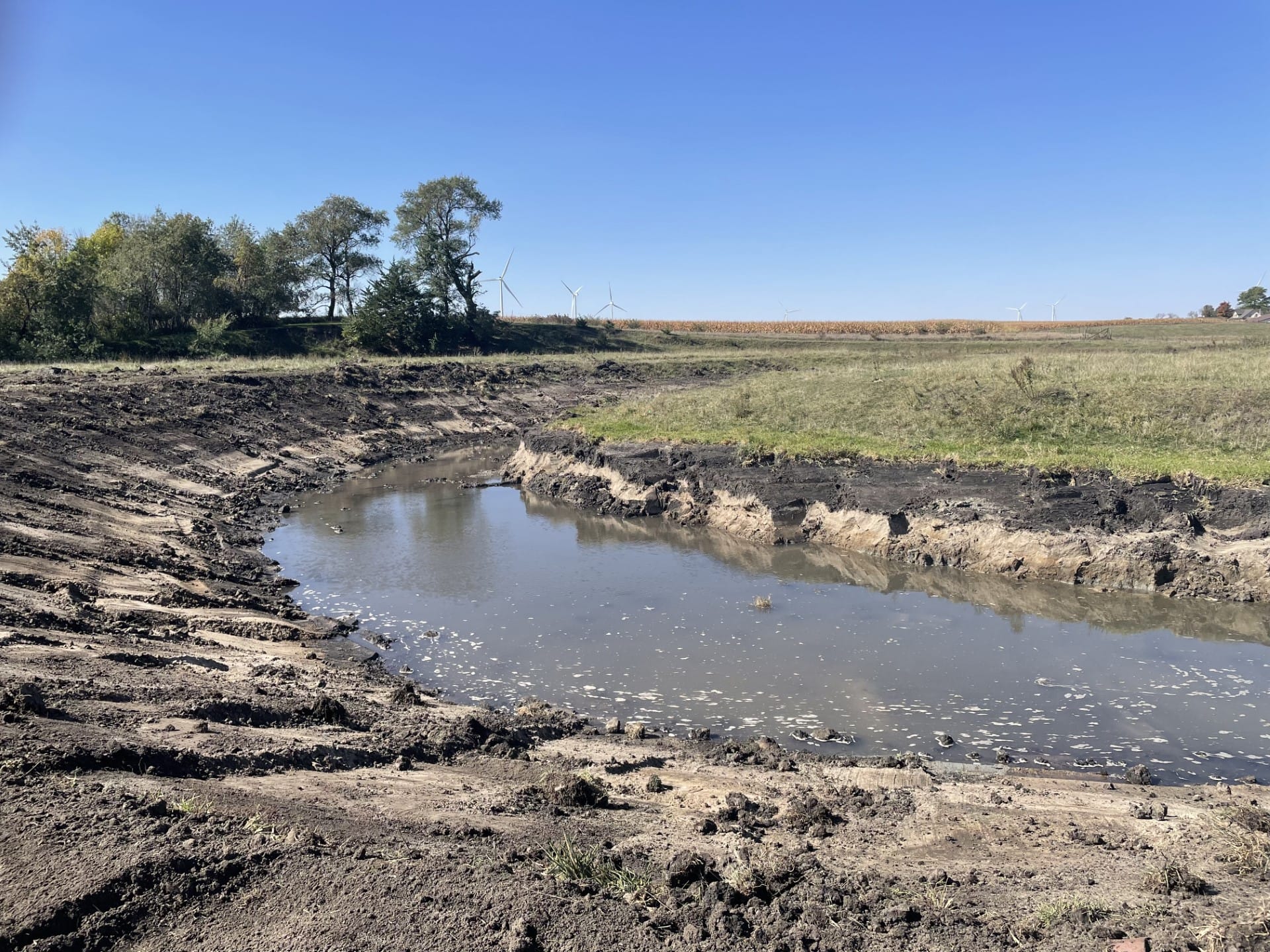
“We started working on this last oxbow a little over a week ago. It really doesn't take all that long to dig out, and the impact to the landowner is minimal,” says Darrick. “Once we finish digging out the sediment that has accumulated in this oxbow and reconnect the oxbow to the creek, we'll reseed the banks and disturbance areas with native plants and grasses to provide bank stabilization and habitat for birds and pollinators. All the nutrient-rich soil excavated from the oxbow is being hauled to an adjacent farm field and should result in increased crop yields for the farmer.”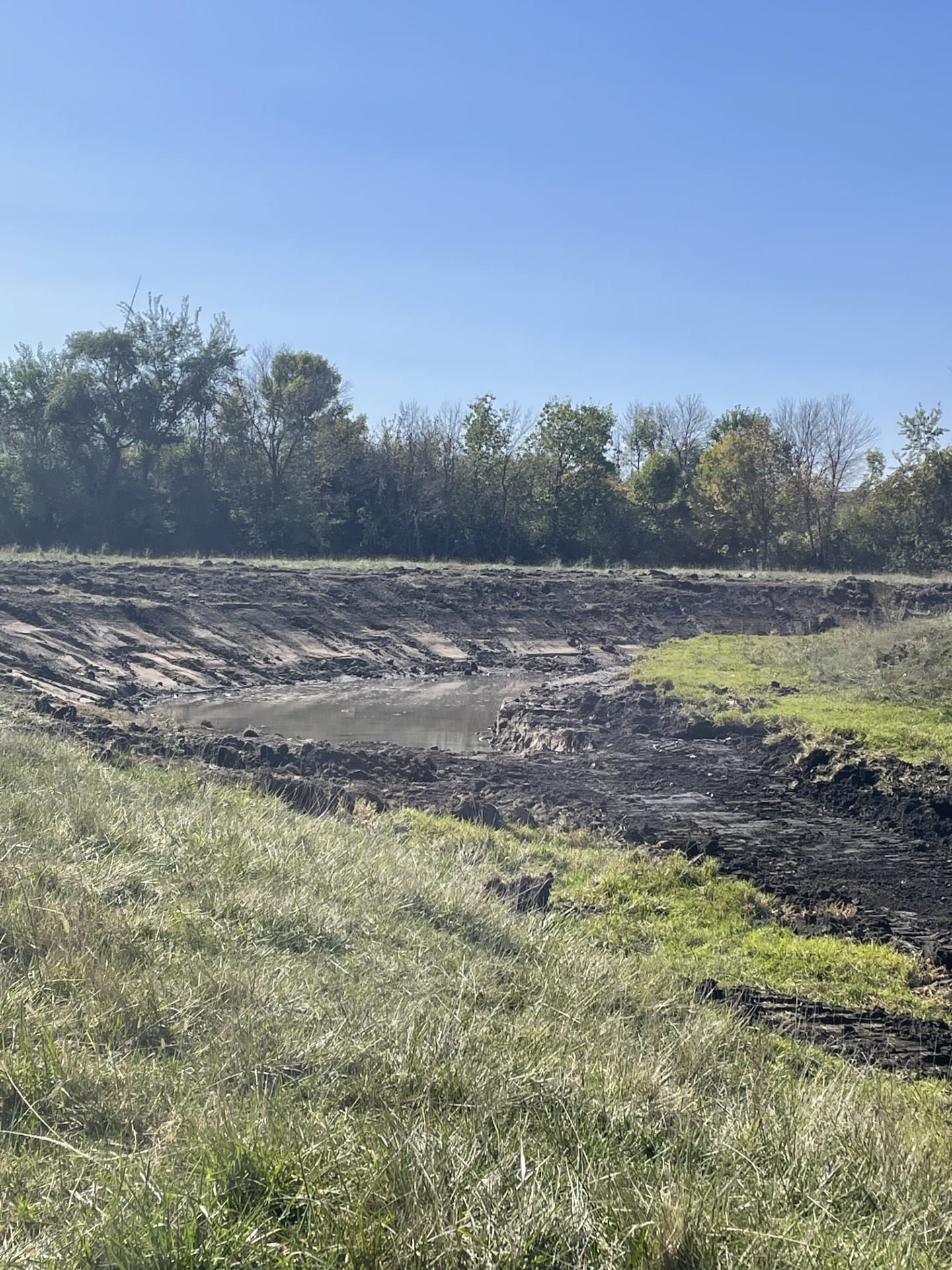 Darrick plans to use a cover crop up to the banks with a native seed mix to stabilize the banks. The pasture is already home to many native species because it has never been plowed or farmed. It is also home to several varieties of non-native clover, and while not native, clover does provide a source of energy and food for wildlife and pollinators such as bees, wasps and butterflies.
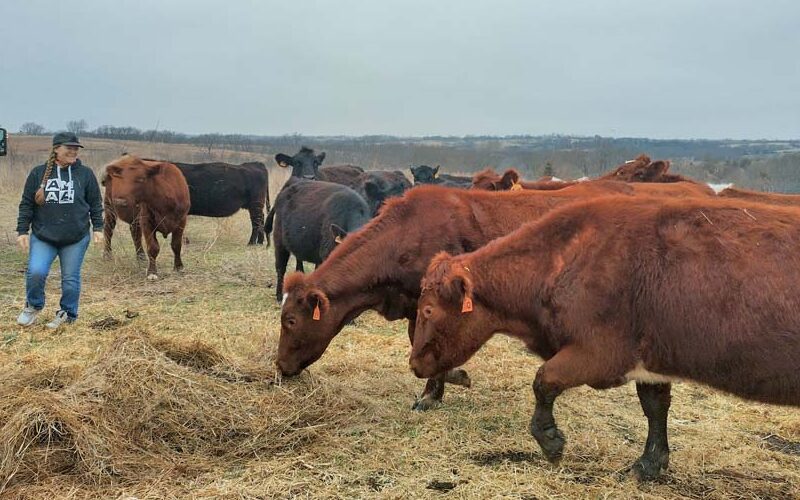
Re-seeding with native grasses and deep-rooted prairie mixes adjacent to and along the banks of the oxbows will go a long way in restoring prairie habitat while still allowing for cattle grazing. In the case of Linda's oxbows, her cattle will essentially fill in the role that native bison once occupied by providing disturbance that native grasses have evolved with, allowing for a more resilient and truer-to-form prairie habitat.
Darrick is hopeful that these restorations, on Evans' farm, and others will help restore off-stream habitat. These restorations, however, are not meant to restore the river and creeks, just the oxbow wetland functions.
“By removing sediment from the oxbow and reconnecting the oxbow to the original stream channel, we restore that slower ‘pool' water area that allows for nutrient absorption,” Darrick says. We are also hopeful that it will improve habitat for fish including the Topeka shiner, an endangered species of fish that lives in East Buttrick Creek and other prairie streams in Iowa.”
That potential for habitat, both terrestrial and aquatic, is what Linda most looks forward to with the current restoration.
Darrick plans to use a cover crop up to the banks with a native seed mix to stabilize the banks. The pasture is already home to many native species because it has never been plowed or farmed. It is also home to several varieties of non-native clover, and while not native, clover does provide a source of energy and food for wildlife and pollinators such as bees, wasps and butterflies.
Re-seeding with native grasses and deep-rooted prairie mixes adjacent to and along the banks of the oxbows will go a long way in restoring prairie habitat while still allowing for cattle grazing. In the case of Linda's oxbows, her cattle will essentially fill in the role that native bison once occupied by providing disturbance that native grasses have evolved with, allowing for a more resilient and truer-to-form prairie habitat.
Darrick is hopeful that these restorations, on Evans' farm, and others will help restore off-stream habitat. These restorations, however, are not meant to restore the river and creeks, just the oxbow wetland functions.
“By removing sediment from the oxbow and reconnecting the oxbow to the original stream channel, we restore that slower ‘pool' water area that allows for nutrient absorption,” Darrick says. We are also hopeful that it will improve habitat for fish including the Topeka shiner, an endangered species of fish that lives in East Buttrick Creek and other prairie streams in Iowa.”
That potential for habitat, both terrestrial and aquatic, is what Linda most looks forward to with the current restoration.