Creating a Home for Trees
According to Iowa State University, windbreaks offer myriad benefits. The most intuitive is that they slow wind speeds by acting as a physical buffer. In Iowa and other parts of the Midwest that tend to experience cold, snowy winters, tamping wind speed can lower home heating costs by as much as 30%. It can also limit snow drifts from building up against homes and outbuildings. These benefits were likely evident in Iowa this year, where heavy snowfall and blizzard conditions swept across the state in January.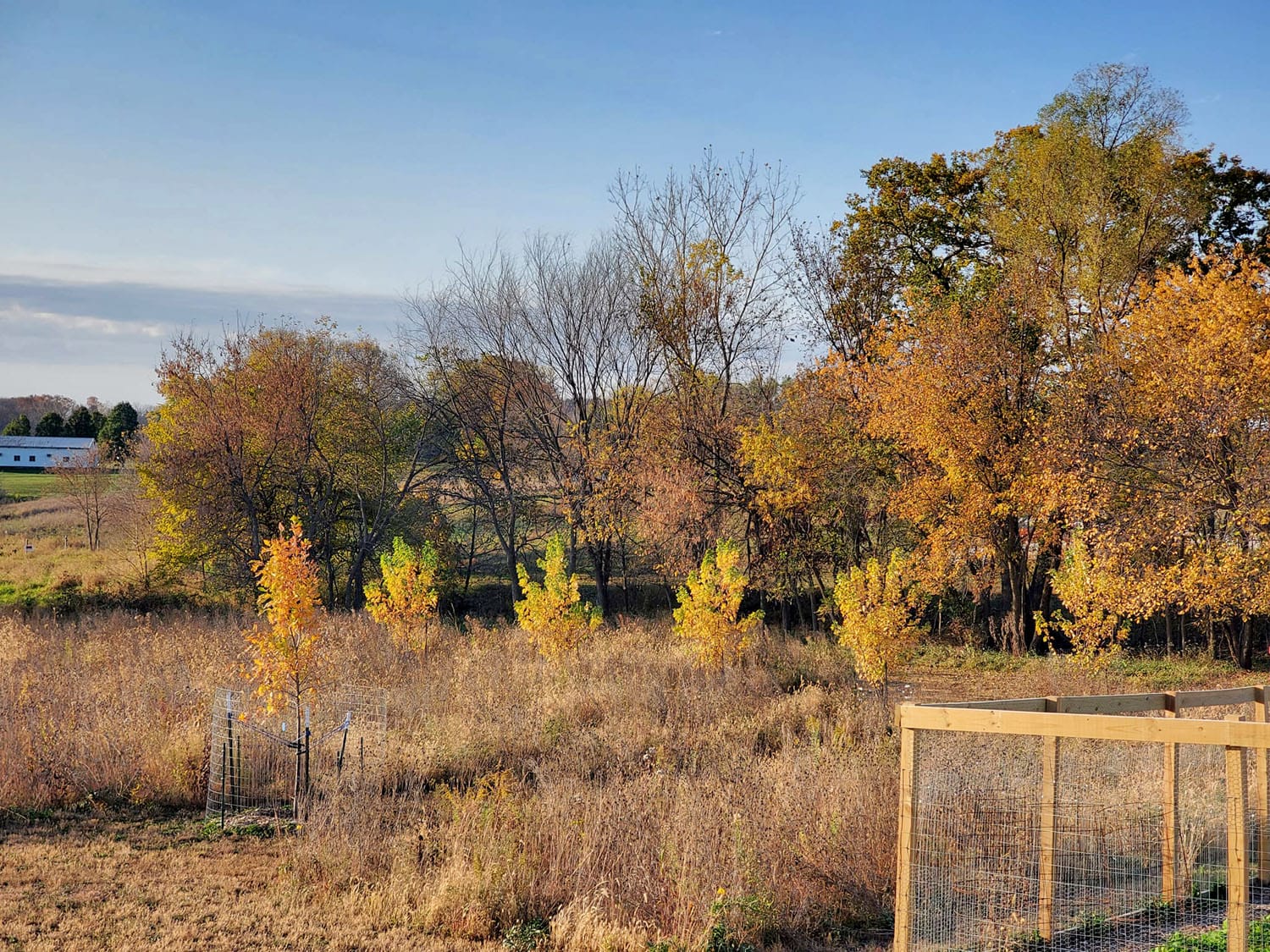
“And,” she adds, “while this is my home for now, these trees will be here another 100 or 200 years. This is paying it forward to the next generation. These trees provide such a sense of beauty and serenity – and home.”'
Creating a Home for Trees
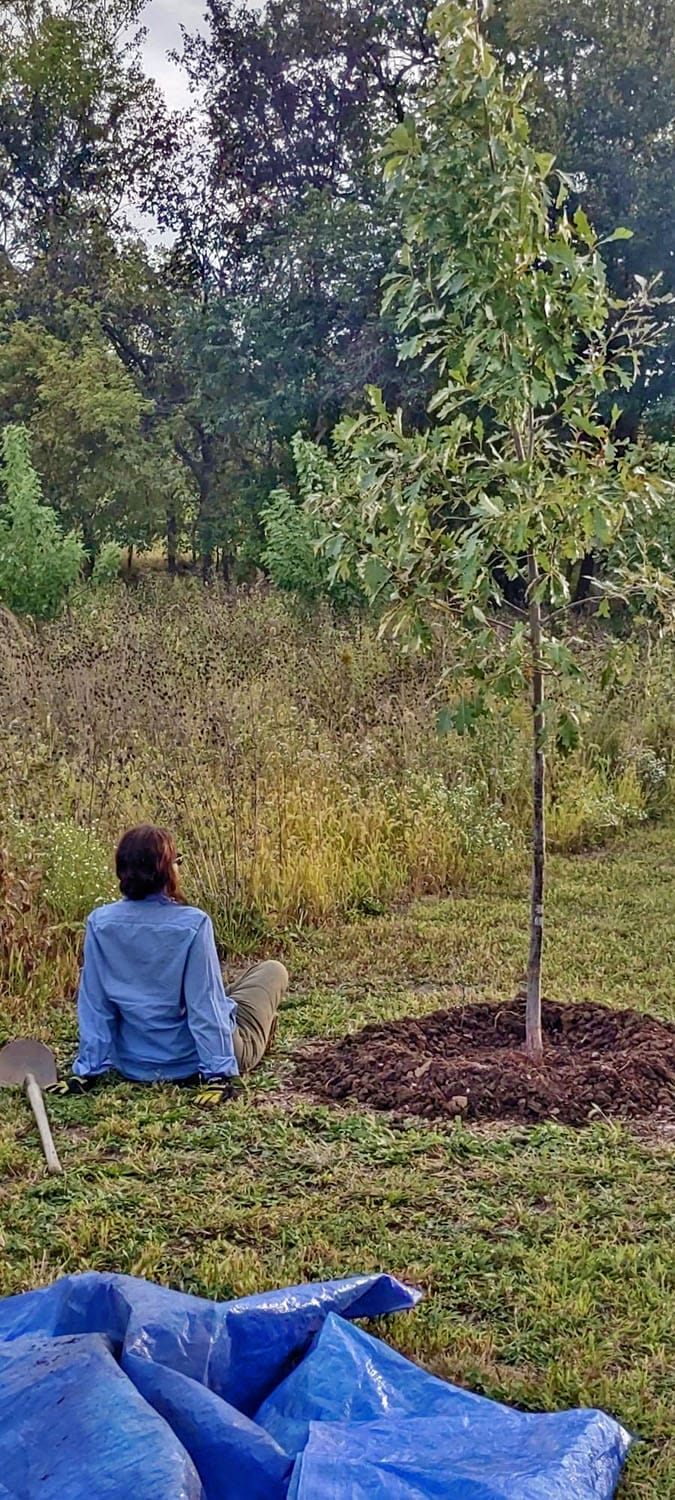
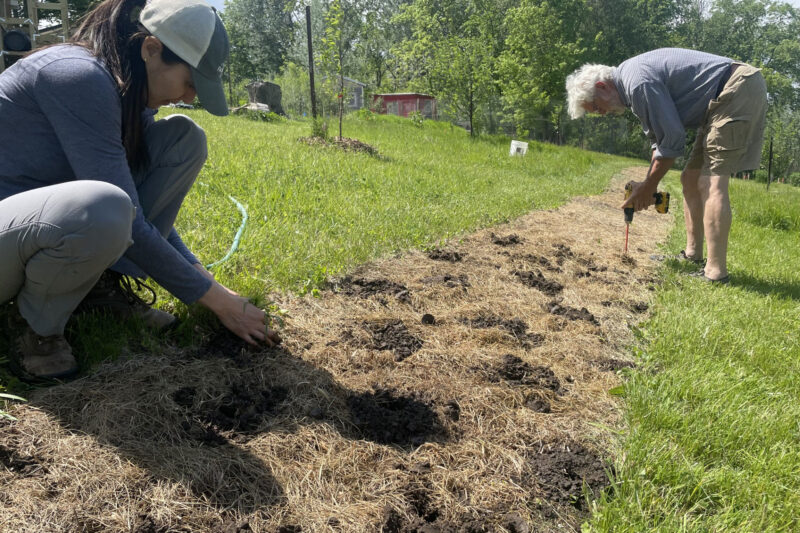
When Ruth first acquired the farm from her father, she put a lot of effort into conservation practices, particularly trees. Sourcing trees from the Iowa Department of Natural Resources and a local nursery, she planted 300 trees, many by hand – though she had help from contractors for some of the planting work. Tree spacing was largely decided by local arborists, who based their decision on the expected height of each species. On average, however, trees in the windbreak are spaced about 20 feet apart. Ruth handles all the maintenance on her own, which includes mowing, mulching and fencing.