 That conversation got me thinking. What do I feel is a good investment? What is something that I spend money on now that will pay long-term dividends?
When I look at our household budget, I see that my wife and I spend the most (aside from our mortgage) on things that affect our health. Our number one expenditure?
That conversation got me thinking. What do I feel is a good investment? What is something that I spend money on now that will pay long-term dividends?
When I look at our household budget, I see that my wife and I spend the most (aside from our mortgage) on things that affect our health. Our number one expenditure?
 Food. I don't mean buying “better” potato chips, or “healthier” cookies. I mean eating real food. Food that is chock full of flavor, and nutrients. Food that leads to better health. Food that doesn't have a label. But how do you know if it's healthy when it doesn't have a label? The USDA periodically publishes “Nutritive Value of Foods” charts listing the amounts of vitamins and minerals found in fruits, vegetables, meats (and processed foods). But there's a problem. In 2018 the Bionutrient Food Association found that a spinach leaf grown on one farm could have between 1/4 and 1/14 as many nutrients as a spinach leaf grown on a different farm! What this really means is that the USDA's published values for nutrient levels in fruits and vegetables cannot guarantee that you're getting the nutrition you think you are.
How can you know what you're really getting? While I do like my vegetables, I have no intention (nor the stomach capacity!) of eating four to fourteen times as many servings in a day to make sure I'm getting the recommended daily allowance of a specific nutrient. I certainly can't afford to send a sample of everything I eat to a lab to see what it has in it, nor do I expect the broccoli or brussels sprouts would still be edible by the time the results came back.
Food. I don't mean buying “better” potato chips, or “healthier” cookies. I mean eating real food. Food that is chock full of flavor, and nutrients. Food that leads to better health. Food that doesn't have a label. But how do you know if it's healthy when it doesn't have a label? The USDA periodically publishes “Nutritive Value of Foods” charts listing the amounts of vitamins and minerals found in fruits, vegetables, meats (and processed foods). But there's a problem. In 2018 the Bionutrient Food Association found that a spinach leaf grown on one farm could have between 1/4 and 1/14 as many nutrients as a spinach leaf grown on a different farm! What this really means is that the USDA's published values for nutrient levels in fruits and vegetables cannot guarantee that you're getting the nutrition you think you are.
How can you know what you're really getting? While I do like my vegetables, I have no intention (nor the stomach capacity!) of eating four to fourteen times as many servings in a day to make sure I'm getting the recommended daily allowance of a specific nutrient. I certainly can't afford to send a sample of everything I eat to a lab to see what it has in it, nor do I expect the broccoli or brussels sprouts would still be edible by the time the results came back.
 We currently have two ways to know the nutrient value of our food.
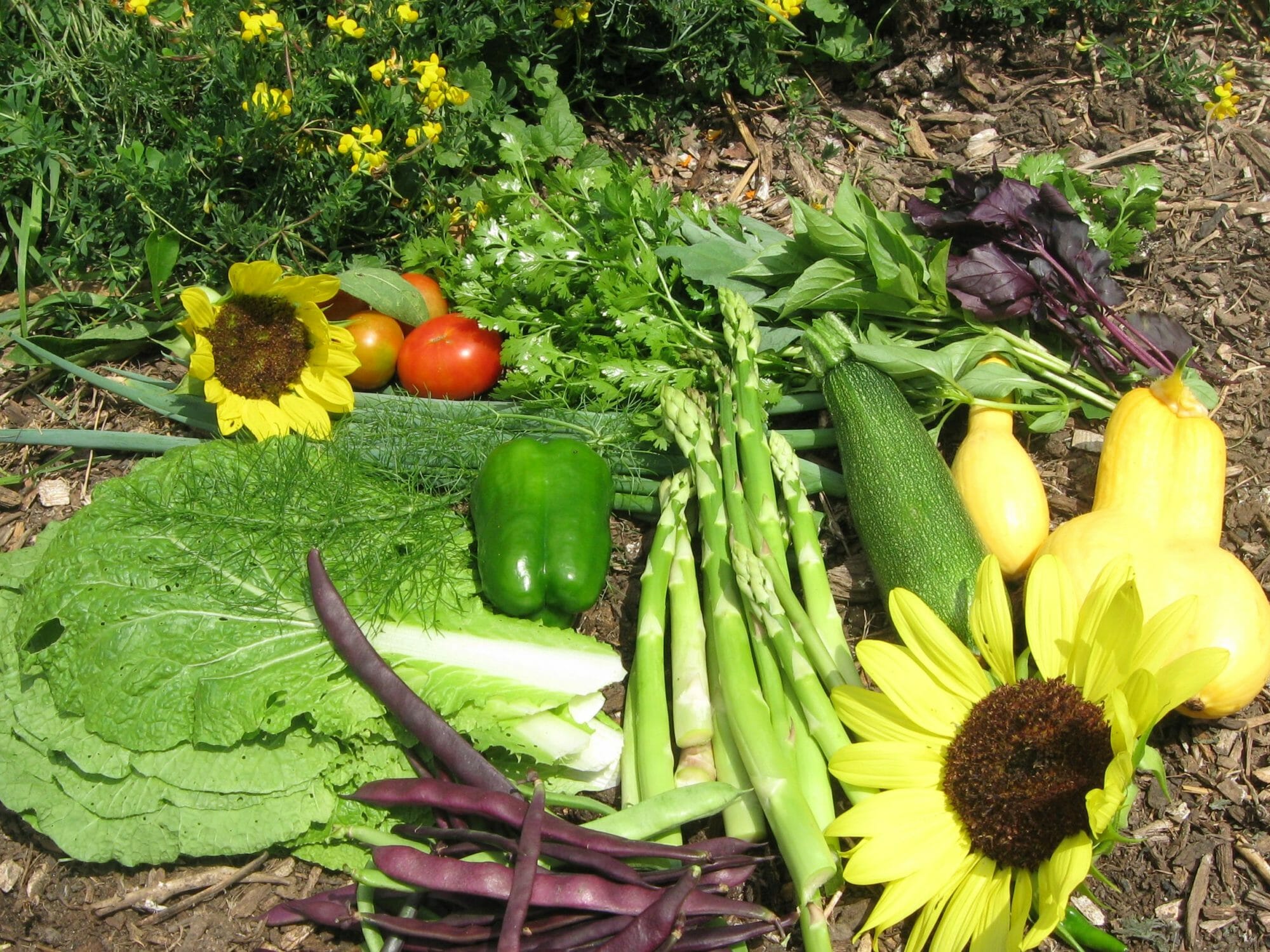
Grow it yourself. Of course, you would know exactly how your food was grown, what you did or didn't put in the soil, on the plant or in the animal's feed (if you consume animal products). You could tailor your food production to match your tastes, beliefs and nutritional demands. But that's not possible for everyone, due to limitations in space, budget, time etc. Your other option is:
We currently have two ways to know the nutrient value of our food.
Grow it yourself. Of course, you would know exactly how your food was grown, what you did or didn't put in the soil, on the plant or in the animal's feed (if you consume animal products). You could tailor your food production to match your tastes, beliefs and nutritional demands. But that's not possible for everyone, due to limitations in space, budget, time etc. Your other option is:
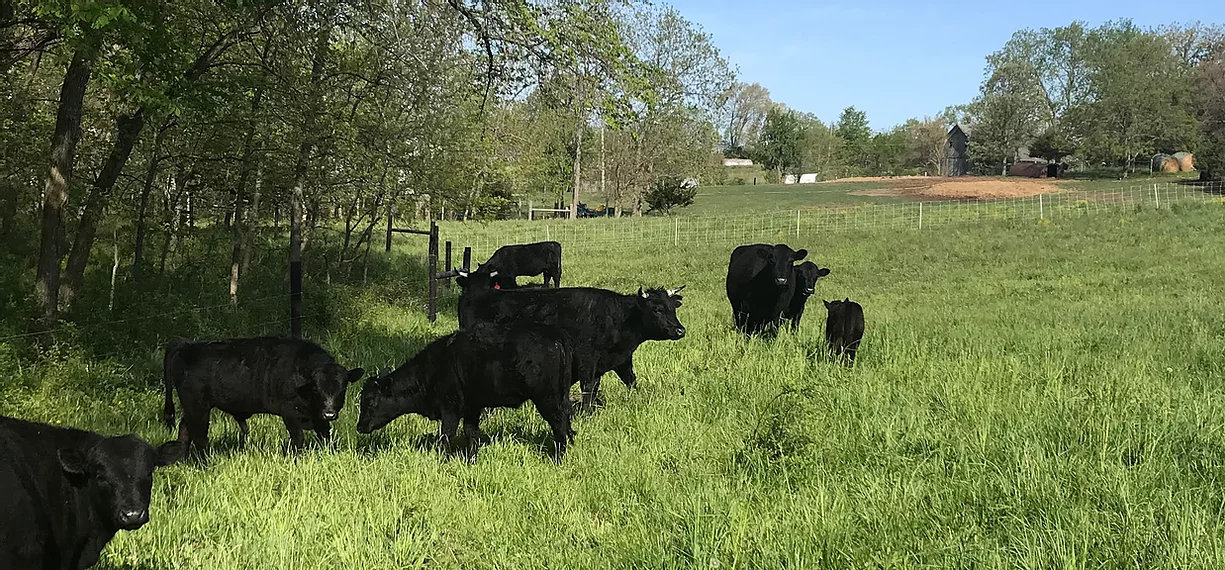
Know your farmer. By having a personal connection to the farm that grows your food, you can find out the specifics of how the food was produced. You can select a farmer who takes care of the soil, plants and animals in a way that provides a quality product and simultaneously reduces or eliminates the need for toxic herbicides and pesticides.
 *Name has been changed to protect the identity of my friend. I don't want anyone to misjudge him based on my opinion!
**If any of my comments left you feeling confused, angry, or just plain curious, I highly recommend the following resources for further study:
The Albrecht Papers (8 volumes!!!) by Dr. William Albrecht
The Other Side of the Fence, short film by Dr. William Albrecht
The Soil and Health by Sir Albert Howard
The Biological Farmer by Gary Zimmer
Bionutrient Food Association https://bionutrient.org
Weston A. Price Foundation https://www.westonaprice.org
Price-Pottenger Nutrition Foundation https://price-pottenger.org
*Name has been changed to protect the identity of my friend. I don't want anyone to misjudge him based on my opinion!
**If any of my comments left you feeling confused, angry, or just plain curious, I highly recommend the following resources for further study:
The Albrecht Papers (8 volumes!!!) by Dr. William Albrecht
The Other Side of the Fence, short film by Dr. William Albrecht
The Soil and Health by Sir Albert Howard
The Biological Farmer by Gary Zimmer
Bionutrient Food Association https://bionutrient.org
Weston A. Price Foundation https://www.westonaprice.org
Price-Pottenger Nutrition Foundation https://price-pottenger.org