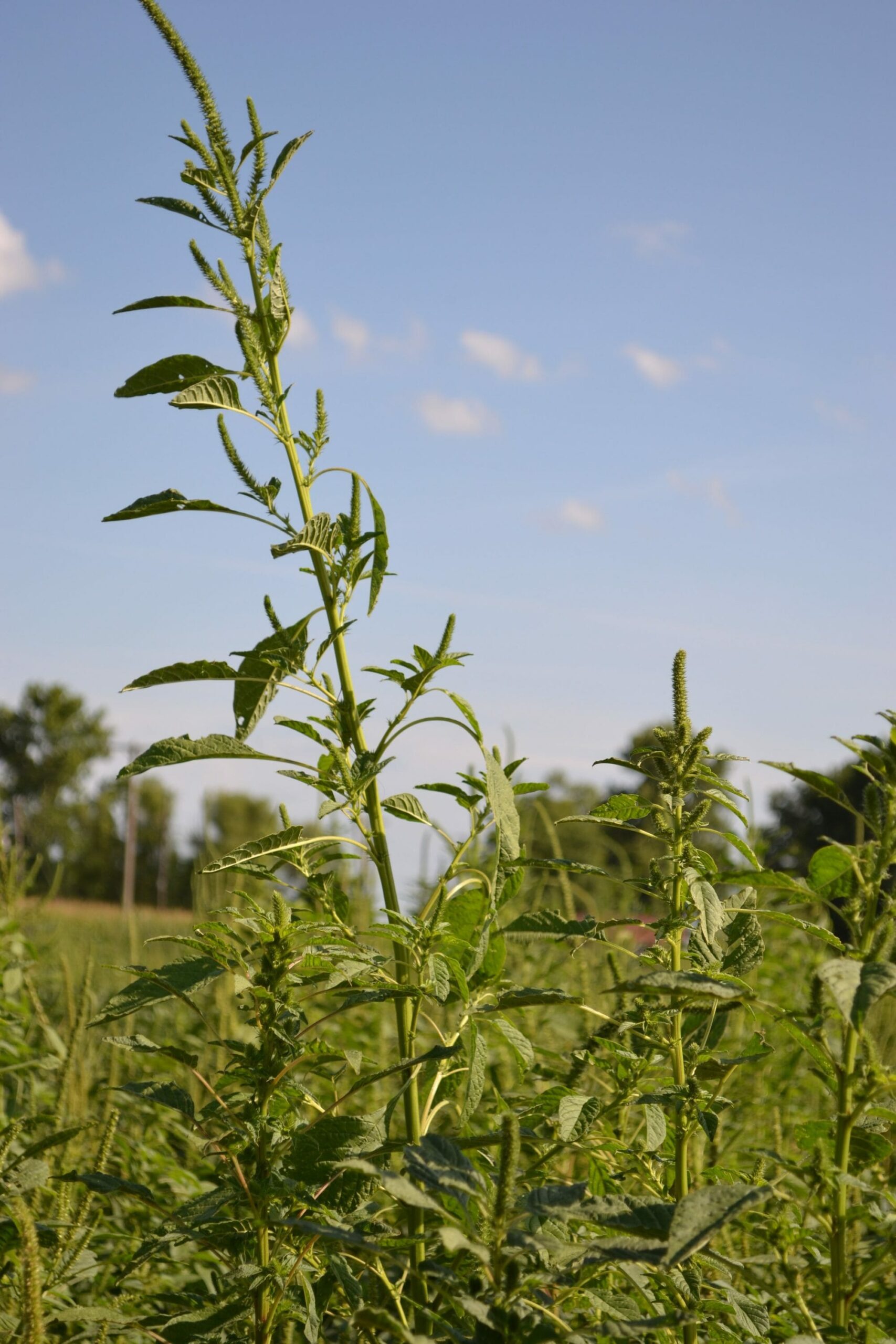

What is Waterhemp?

Combat Weeds With Cover Crops
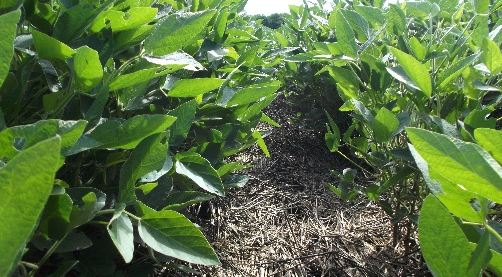
Cover crops have a multitude of benefits, including impressive weed control. According to Anita Dille, a Kansas State University agronomy professor who spoke at our annual conference in January, a layer of cover crops “will serve to smother and out-compete weeds for light, water and nutrients.” Dennis McLaughlin, who farms near Cumming in Madison County, is using a rye cover crop on his farm and can attest to its effectiveness at controlling weeds.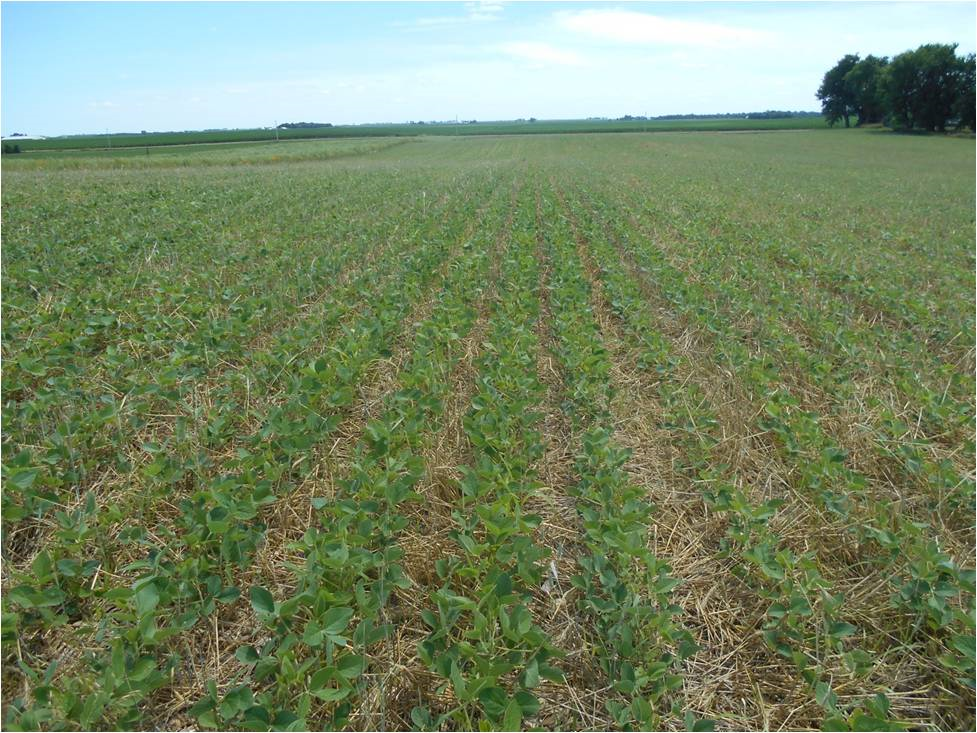
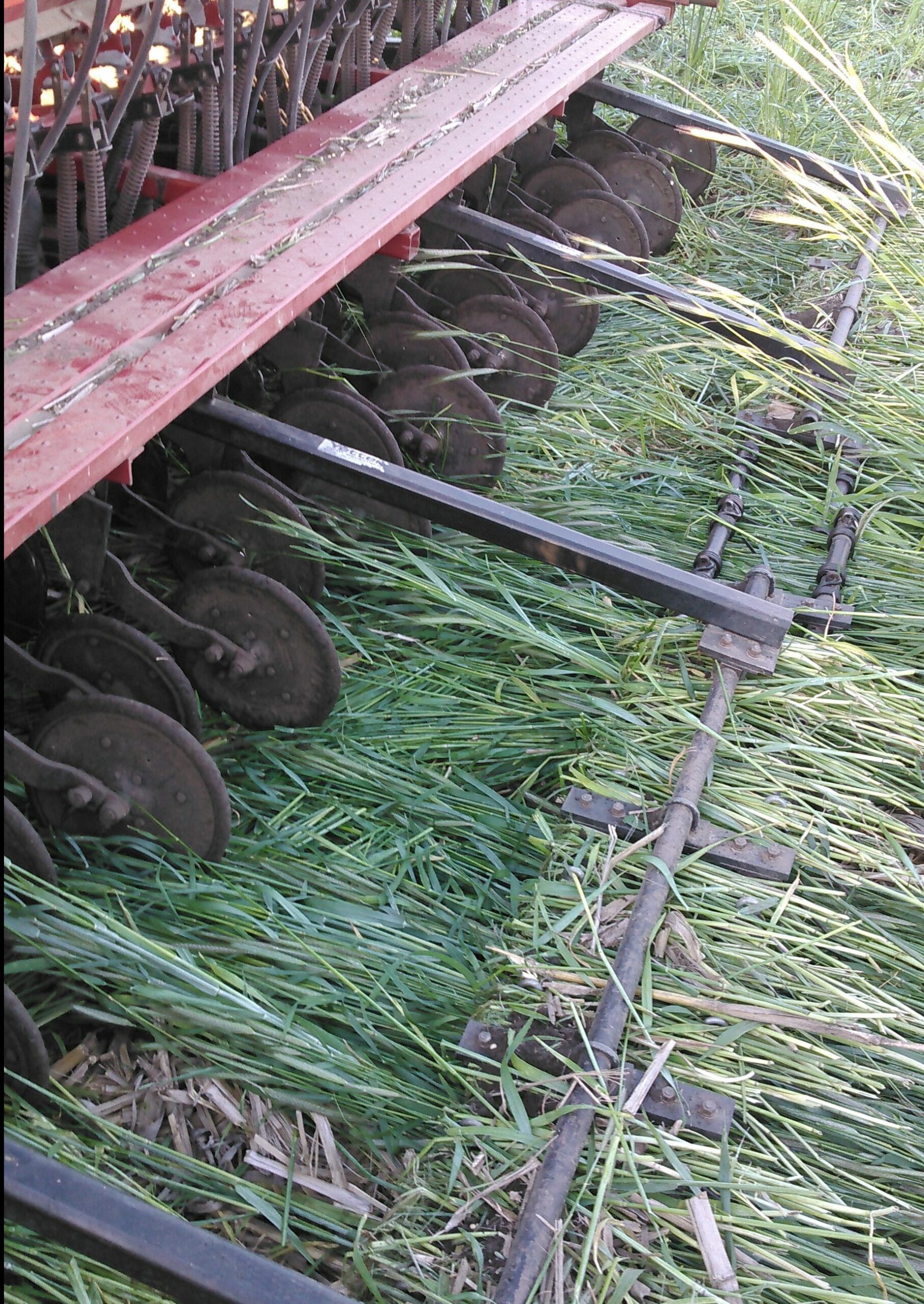

Management Tips to Increase Weed Suppression
The next step is actually getting the cover crop planted. There are pros and cons to both aerial seeding and drilling, so the approach you choose depends on what's available and which works best for you and your land. Drilling the cover produces a more even stand, while aerial seeding can leave gaps in coverage that opportunistic weeds can exploit. On the flip side, however, farmers can aerial-seed into standing corn and soybeans, while they have to wait to drill until after harvest. The ability to get rye planted sooner gives rye more of a growing window in the fall, and leads to more biomass production in the spring. Dennis prefers aerial application for this reason. “I'm able to get the cover in earlier, which provides more root growth and biomass in the spring,” he says. Both options have merits and can provide a good stand to last you through the spring – and more importantly, into the summer.