It Starts With Variety Selection
“Really focus on a good, defensive oat,” says Darren. Over the years Darren has found that the seasons his oats have struggled to meet test weight thresholds were the same seasons they had high infestations of crown rust. Subsequently, a top priority for Darren in his oat variety selection is a good disease resistance package. For organic growers especially, ensuring strong disease resistance in the oat variety itself is a key first step for achieving high test weight at crop harvest.
Set Your Spring up for Success – Consider Rotation and Fall Fertility Management
Oats can be grown in different parts of a diversified crop rotation, but Darren has found that it works best for him if oats follow soybeans in his three-year rotation of corn-soybeans-oats. Growing oats after soybeans, where there is less crop residue, results in fewer issues with nitrogen tie up in the spring. If raising oats following corn, Darren adjusts his fertility management to account for the higher field residue and increased early season nitrogen tie up.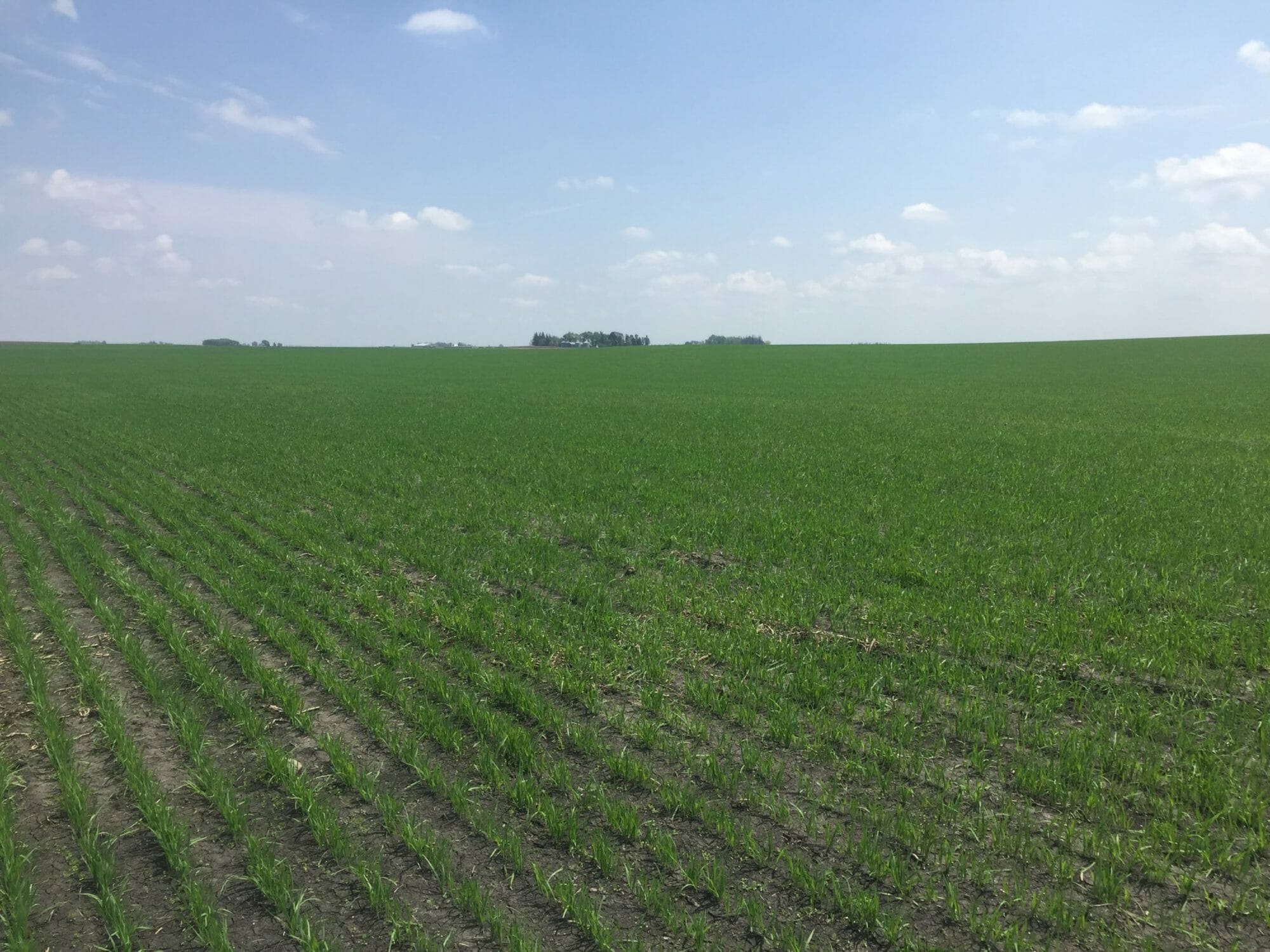
Plant Early and Seed at a High Population
“Heat is the enemy to high test weight oats,” Darren says. And while it is impossible to predict early summer temperatures, he tries to seed his oats as early as possible to mitigate this risk. On average, Darren drills his oats the first week of April, although he has seeded as late as April 20 and been pleased with the results. “If you can miss the heat [seeding late oats] can be really successful,” he says.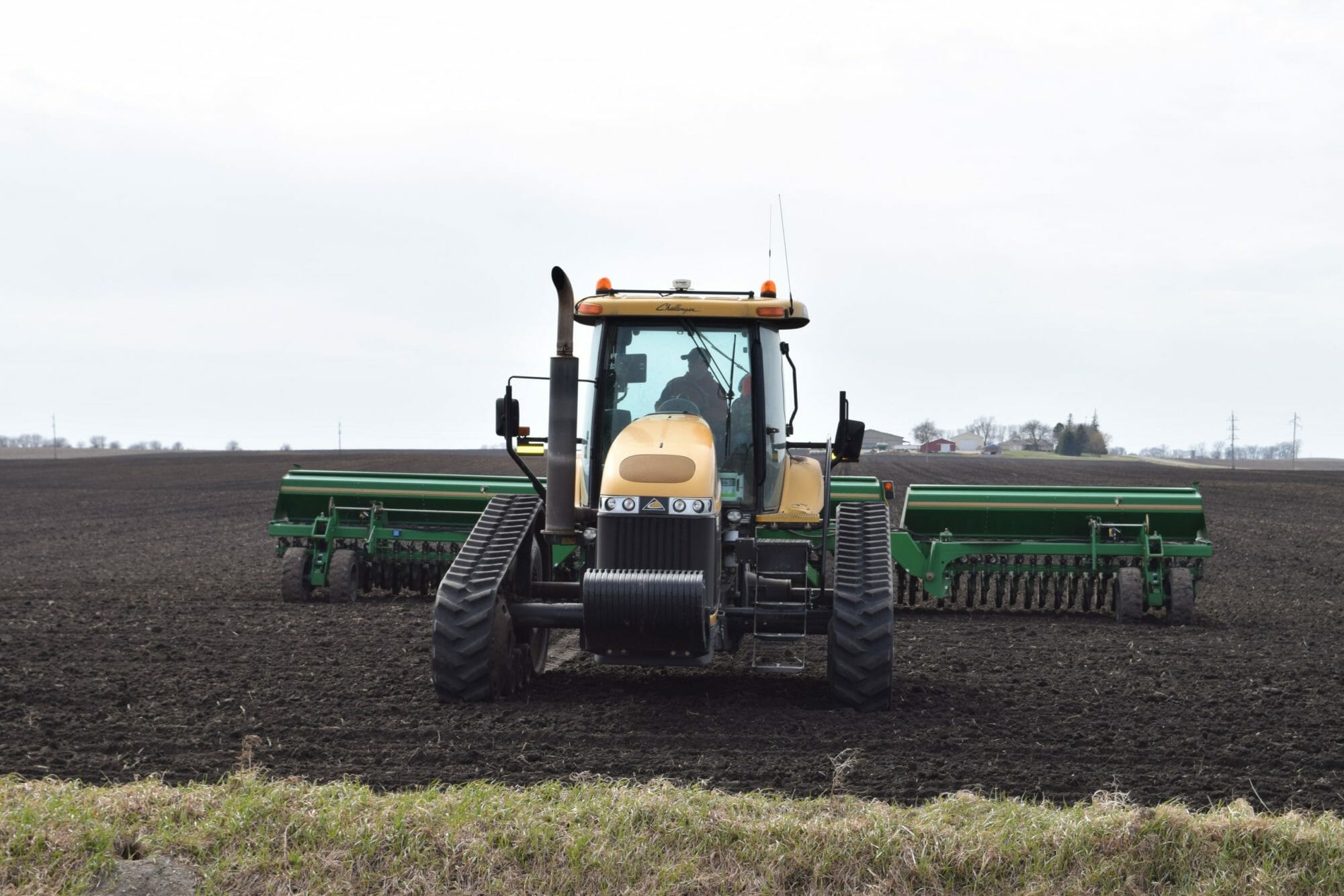
Make Any Final Adjustments With Combine Settings and Post-Harvest Management
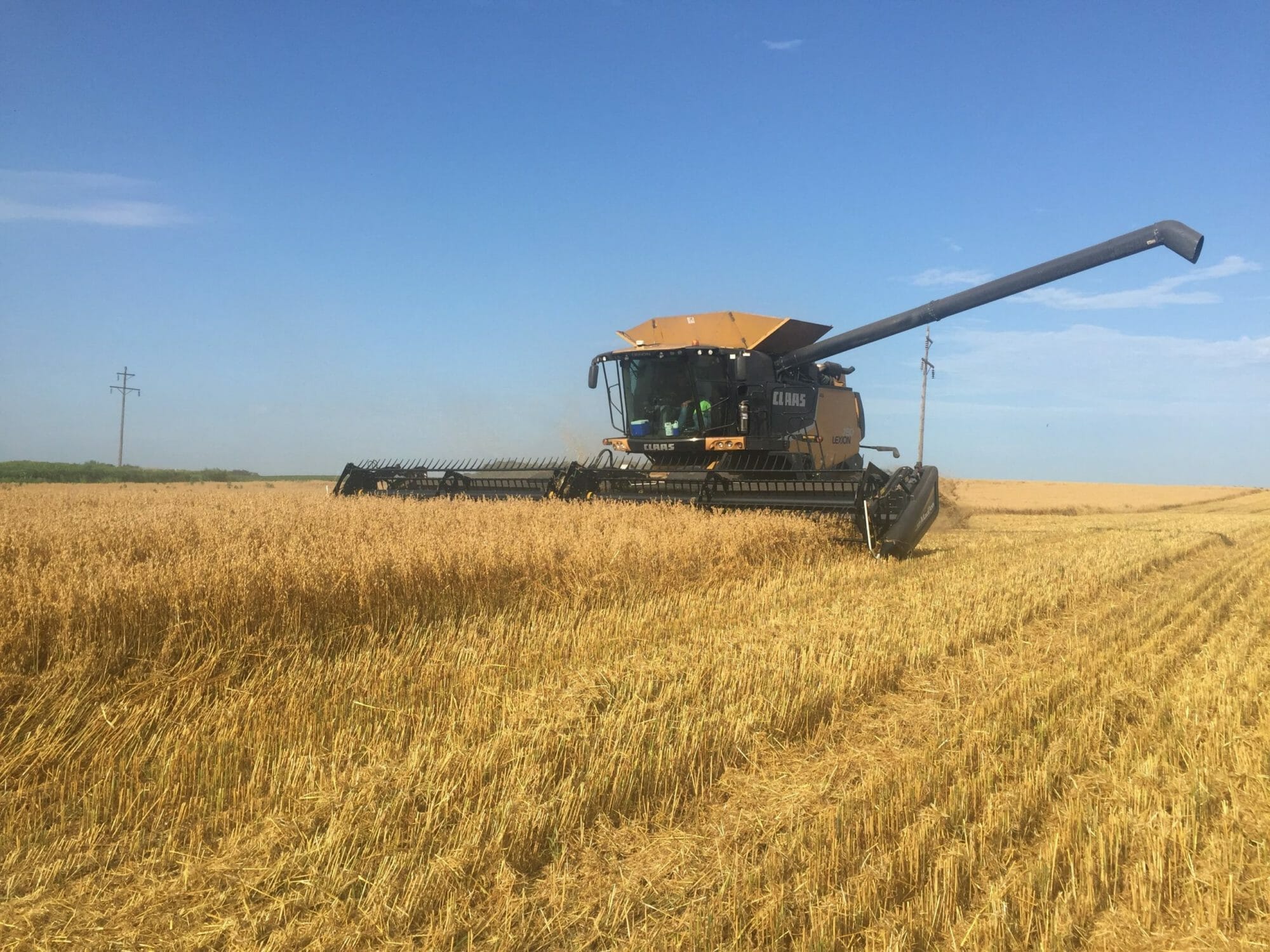
“Use your combine fan settings to adjust your test weight, but don't rely on it,” advises Darren. Instead, it is better to have a strong crop coming into harvest and then use your combine to dial in and make any final adjustments.