
Event Overview
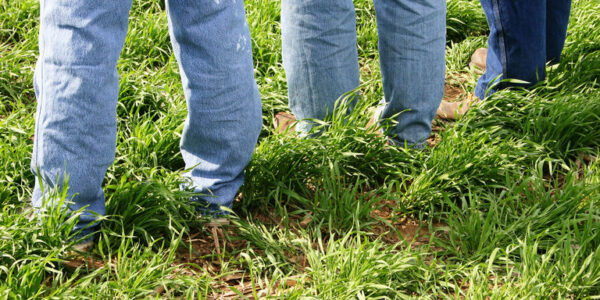
This virtual cover crop workshop offers an afternoon of sessions for farmers who are currently using cover crops in their farm practices, as well as those considering it. All are welcome to attend! You'll hear about grazing cover crops and seasonal cover crop management. We'll also share the basics of how to get started with cover crops and bringing livestock back to the land.
See & Discuss
- Grazing cattle on cover crops
- Reducing inputs with cover crops
- Getting started with cover crops
- Cover crop management strategies
Sessions
Session 1: 2:10-2:40 p.m.
Using Data and Cover Crops to Reduce Inputs
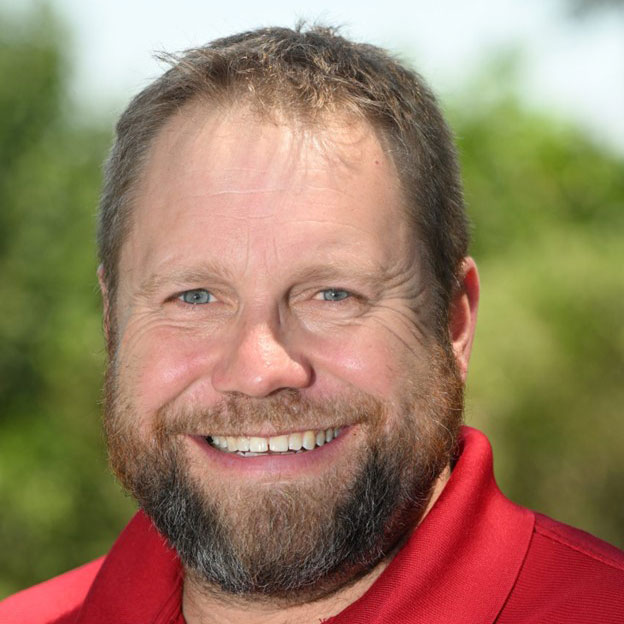
Tim Keegan farms 4,000 acres of corn and soybeans along with 150 head cow operation with his in-laws. Cover crops are one of the many conservation practices implemented in their row crop operation. To ensure the most accurate use of nutrients, they routinely run on-farm nitrogen and population trials and use precision technology.
Tim will discuss how he and his in-laws use precision technology, zone mapping and grid sampling to better apply seed, fertilizer and chemicals in their row-crop operation. He will also talk about their cover crop usage and how that also has allowed them to decrease inputs.
Session 2: 2:45-3:15 p.m.
Interseeding Cover Crops
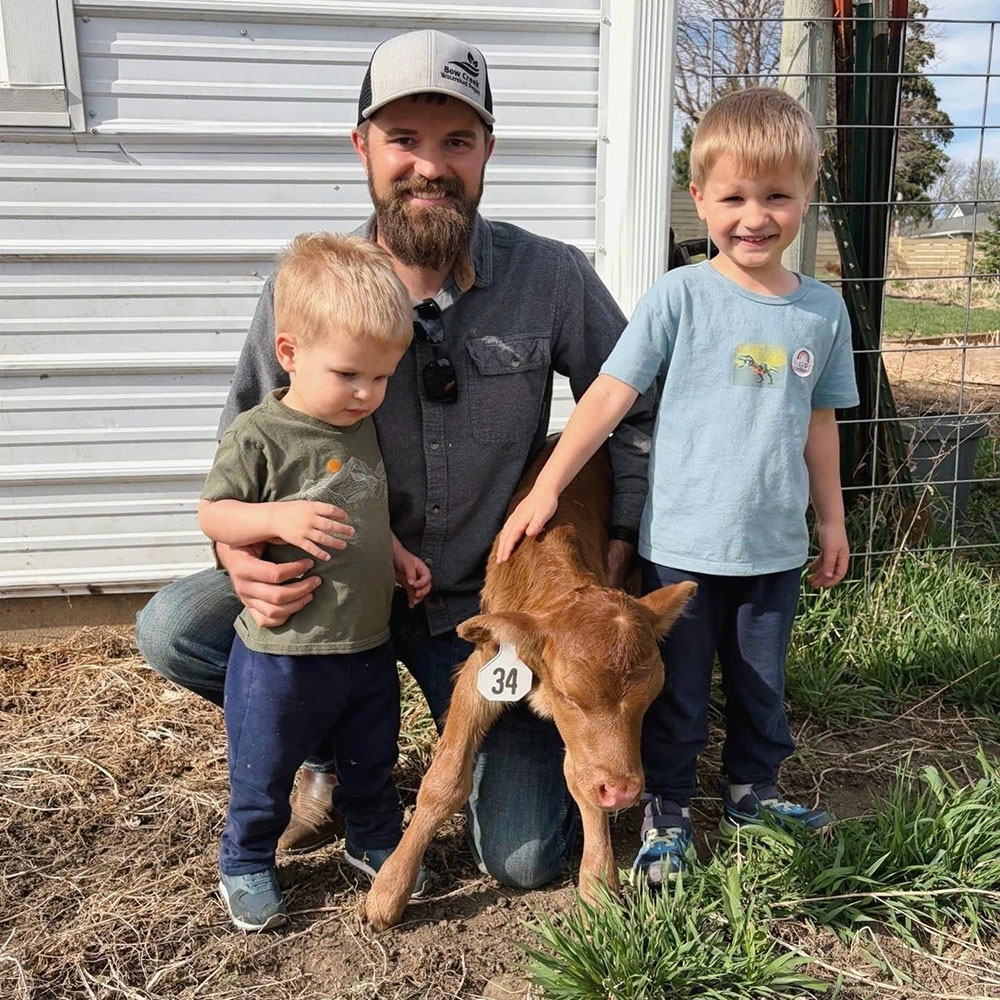
Austin Baldwin serves as a resource conservationist with the USDA–Natural Resources Conservation Service in Bloomfield, Nebraska. He has spent more than 12 years working with producers across Nebraska to develop conservation plans and implement practices related to soil health, grazing management and cover crop adoption. Drawing from both his professional experience and his own farm, Austin brings practical, hands‑on insight into fall‑seeded and late‑season interseeded cover crops.
Late season interseeding cover crops into corn or soybean fields during the growing season may help offset challenges like light competition and soil moisture shortages associated with shorter growing seasons. Austin will discuss the why's and how's of interseeding. He will also bring in his experience as a resource conservationist with the USDA-Natural Resources Conservation Service in Bloomfield, Nebraska, to provide more examples and resources.
Session 3: 3:20-3:50 p.m.
Grazing Cover Crops to Improve Your Bottom Line
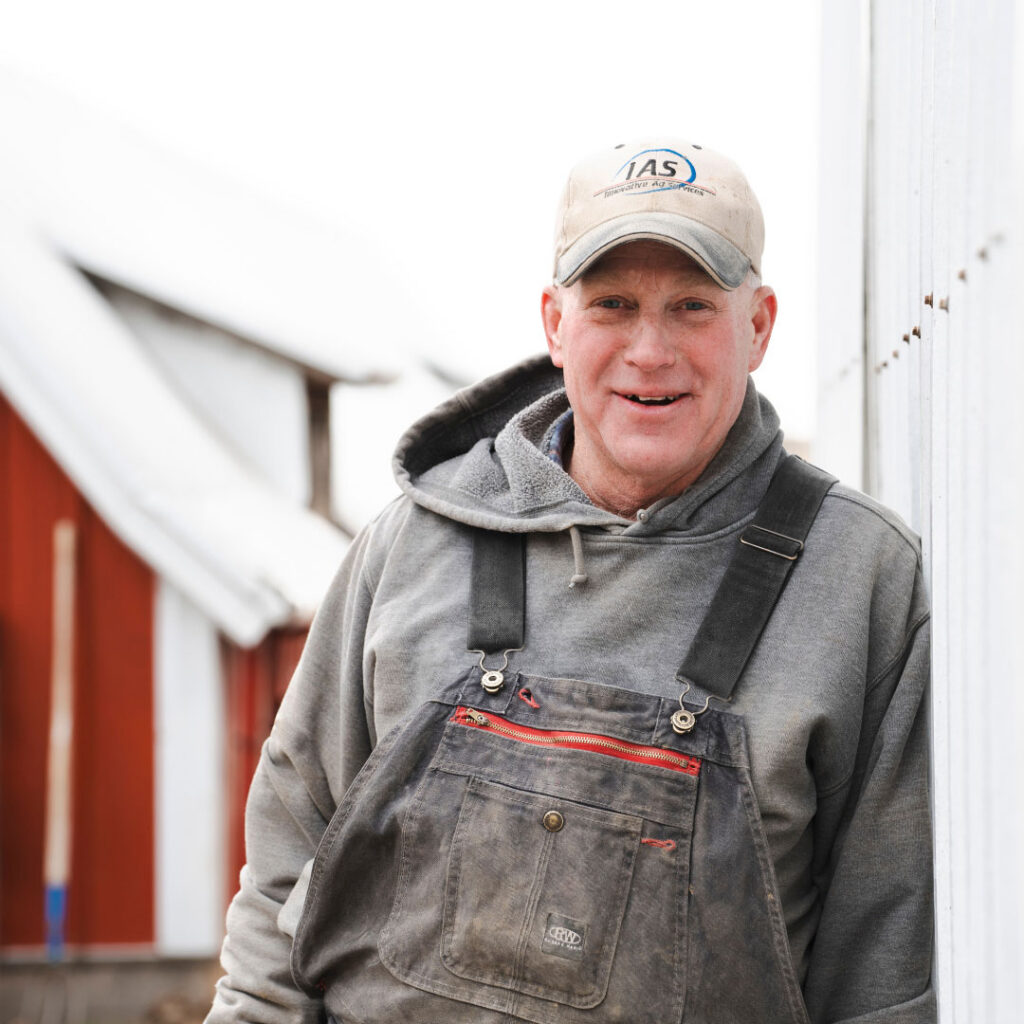
Tim Daly is a 4th generation farmer in Dubuque County, Iowa who is no stranger to cover crops. He has farmed for over 40 years, introducing cover crops in 2005.
Tim's 600 acre corn, soybean and alfalfa operation is 100% no-till and 100% planted in cover crops.
The profit gained from grazing cover crops covers the seed cost and improves Tim's bottom line. The cows leave fertilizer behind and clean up the fields, making Tim's no-till fields easy to plant into in the spring.
Tim will discuss the benefits and profits from grazing cover crops and talk about his future cover crop grazing plans.
Session 4: 3:55-4:25 p.m.
Growing Cover Crops for Seed
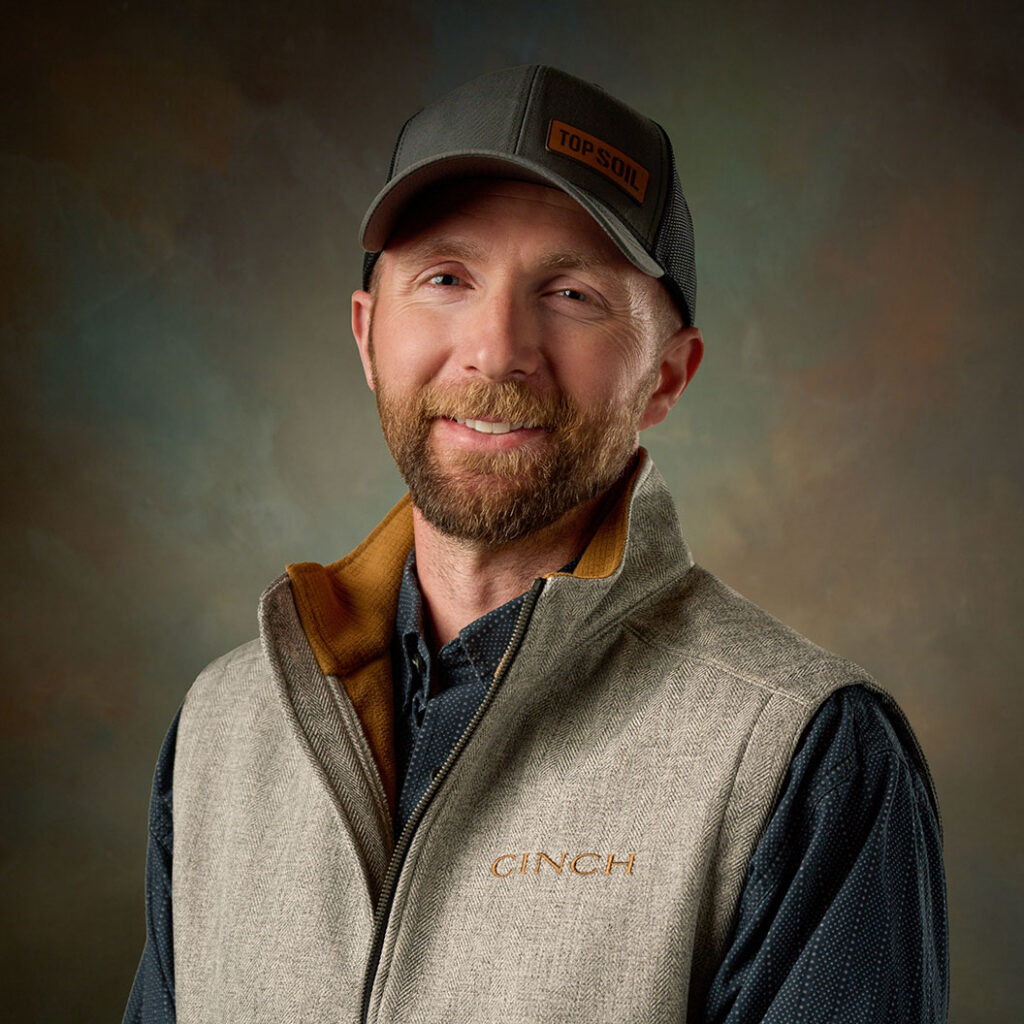
Levi and Amanda Shetler farm in Southwest Iowa, outside of Fontanelle. Levi took part in PFI's Cover Crop Business Accelerator program in 2022 and added a cover crop seed business to his enterprises.
Levi will discuss the basics behind growing cover crops for seed equipment, seeding rates, timing and more. He will also talk about his motivation behind starting a cover crop seed business, and tips and tricks he has for others who want to start their own business.
Session 5: 4:30-5 p.m.
Cover Crops Following Oats and Wheat

Mark Ditlevson farms just over 900 acres, with one third being small grains; primarily oats and wheat. His oats are sold to a company out of Oregon to be used as seed. The hard red spring wheat goes to a grain miller and is used for flour.
Mark plants a five-way cover crop mix after the small grains are harvested. Annual rye is part of the mix, but he prefers his cover crops to winter-kill so he doesn't have to terminate them the next spring. Mark will discuss the benefits and growing practices of his crop rotation.