Farmers incorporate annual forages into crop rotations to complement perennial pastures
Think of winter and summer annuals as links in your forage chain. These forages can be used to diversify crop rotations and provide a foundation for livestock integration into your crop fields – while putting gain on animals at a time when perennial pastures need rest.Diversifying Rotations
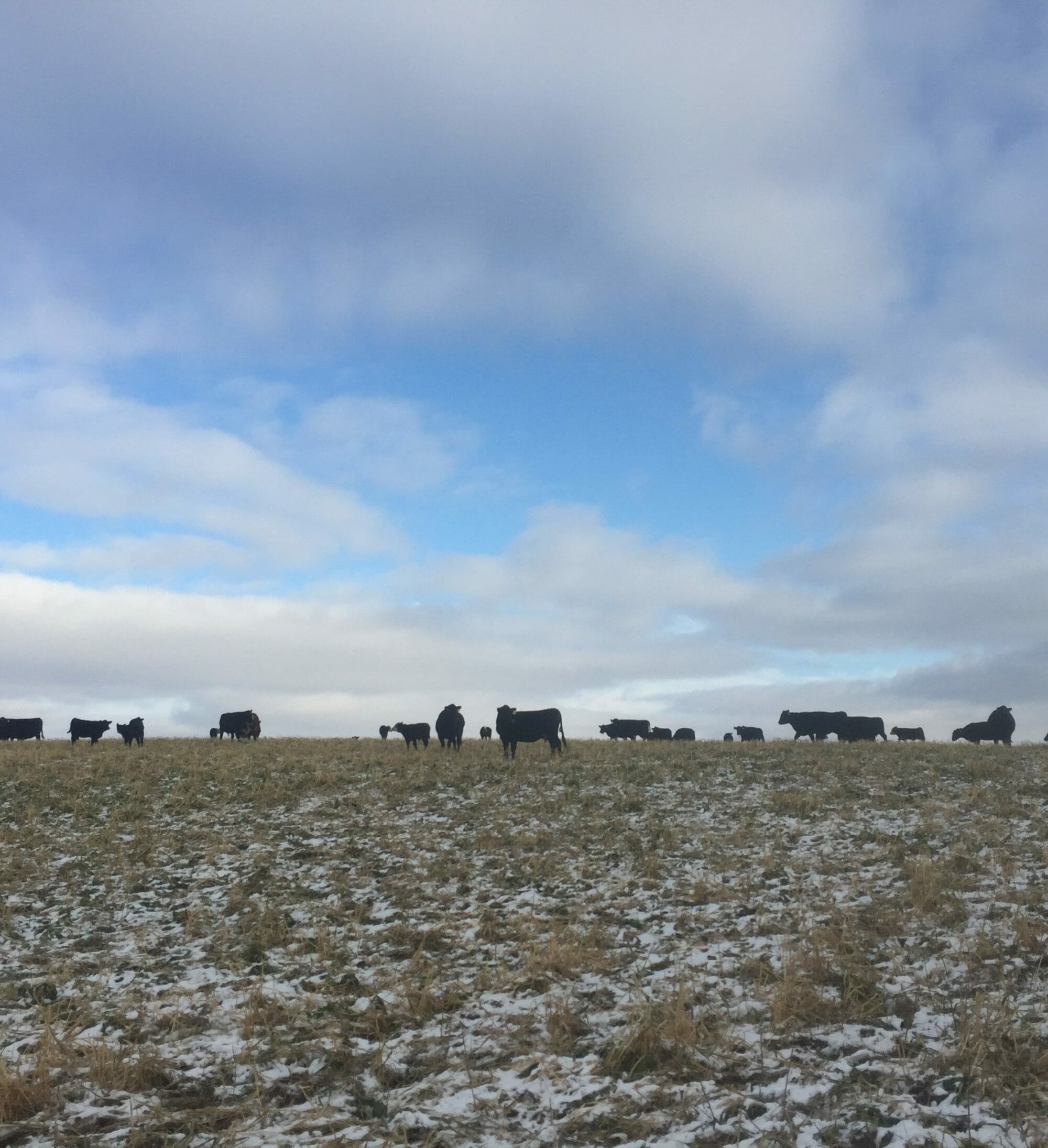
“My main purpose [for planting annuals] is to find a way to do what I love, which is livestock farming. My goal to bring grazing into my family's row crop rotation,” says Luke Wilson who farms near Prairie City in Jasper County. Luke incorporates a full year of annual forages every third or fifth year in his family's corn and soybean rotation – in order to graze cattle. Luke, who is active in Iowa Forage and Grasslands Council (IFGC), hosted a bus tour in November 2018 as part of the IFGC conference. Attendees witnessed cattle grazing stockpiled oats and turnips.
Mitigating the Summer Slump
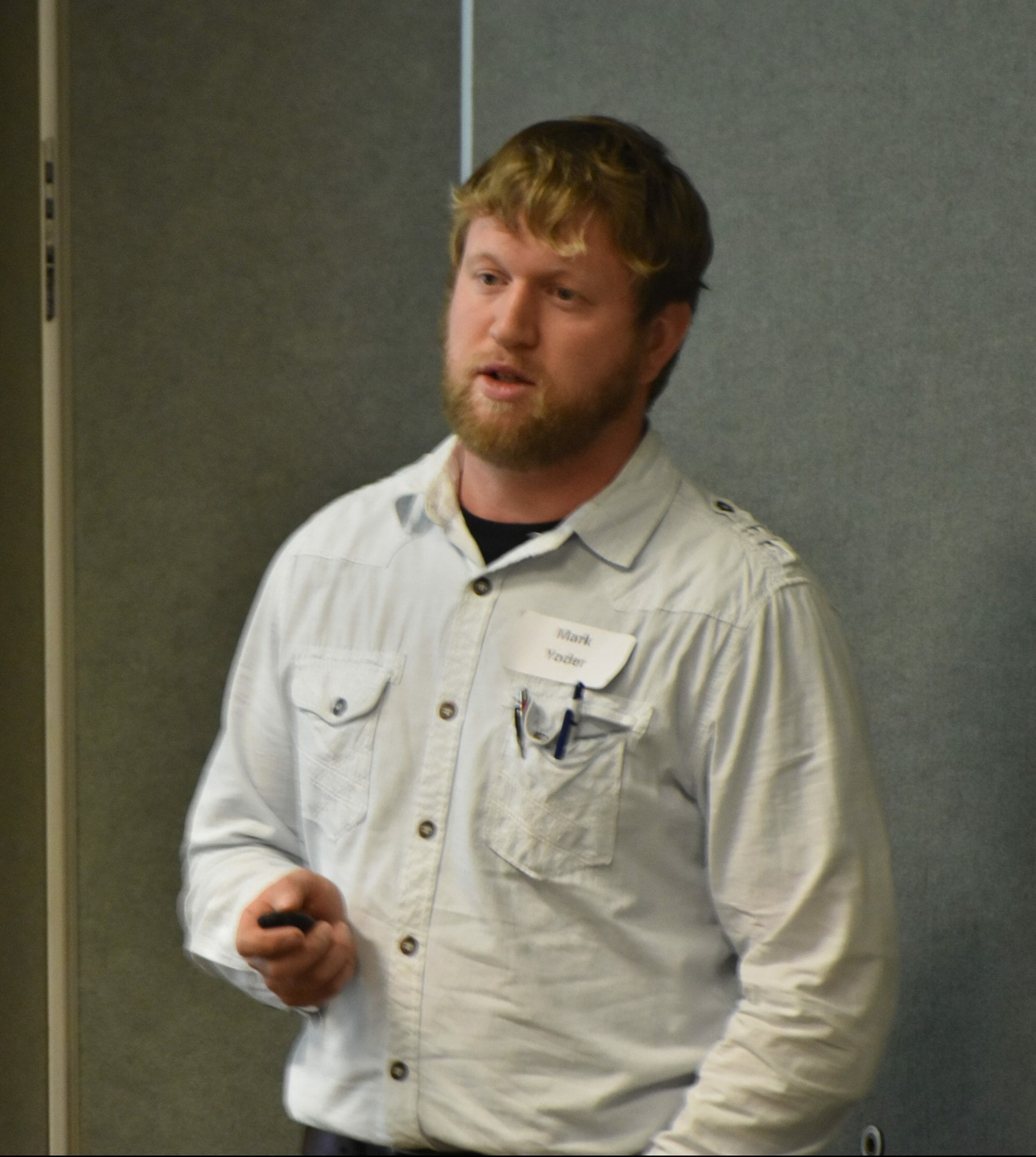
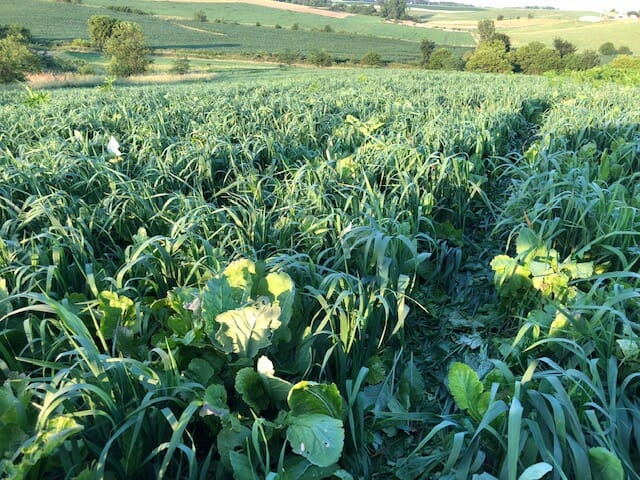
"When other people were running out of pasture, we had cows in the field eating forage that was 8 feet tall." - Mark YoderThe 48 acres of annuals were split into 10 paddocks with single-strand electric fence. Mark spend 15 minutes every three days rotating the herd to the next paddock. A fenced-in alley allowed cattle to access water from a nearby pond.
Strip Graze if Possible
Strip grazing is recommended in order best utilize annuals. “Annuals will bounce back and grow rapidly if you're diligent about strip grazing,” says Luke. It comes down to time and water; it's labor intensive and might not be economical for everyone. Also, livestock must have water access from each strip, which can become an issue. Luke has different gates opening into a timber pasture where water is located, and cattle can always get back to that watering point. Every couple of weeks Luke rotates his herd from annuals to perennials and back again. “This year I was shorter on time, so I grazed cattle on 50 acres of annuals for two weeks, then rotated them with three perennial paddocks. I know when I let them continuous graze for a week or longer I am giving up some production.” Luke doesn't recommend turning cattle out on annuals for months at a time because this can cause damage to plants by selective grazing."My main purpose [for planting annuals] is to find a way to do what I love, which is livestock farming. My goal is to bring grazing into my crop rotation." - Luke Wilson
Winter Annuals
Thinking ahead to next fall, a sequence of winter annual small-grain species can be seeded to provide forage over winter and early spring. According to Dr. Anibal Pordomingo, an animal scientist from Argentina, the potential for animal growth on winter annuals exceeds any other forage resource during that time period and can provide gains of 1.8 pounds per day in finishing steers. This gain is less costly than if feeding hay or silage. Cereal rye, barley, wheat, triticale and annual ryegrass are all viable winter forage options.