A Step in the Right Direction
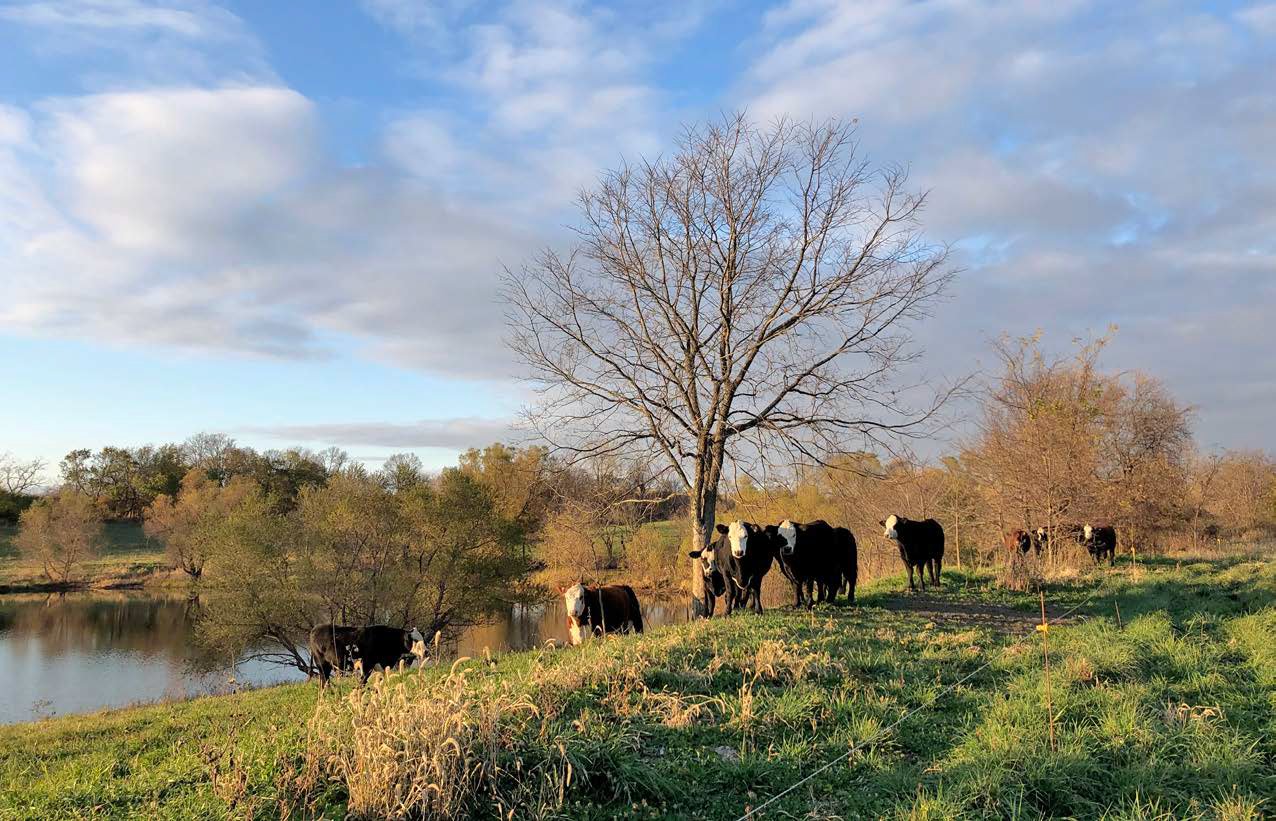
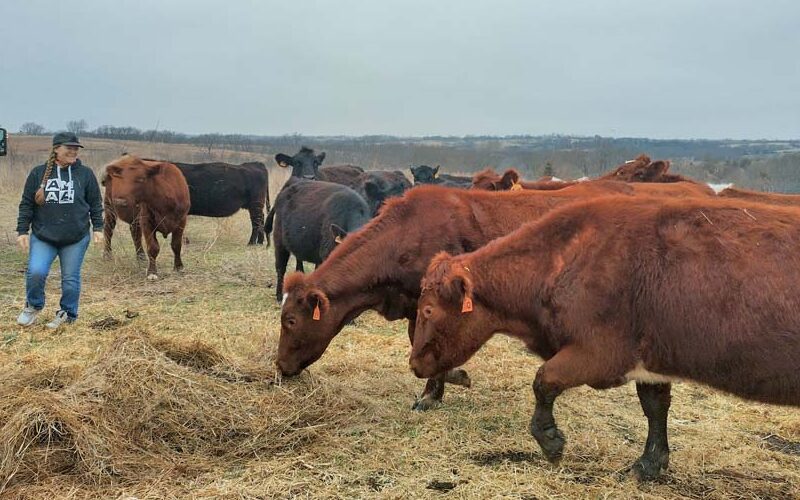
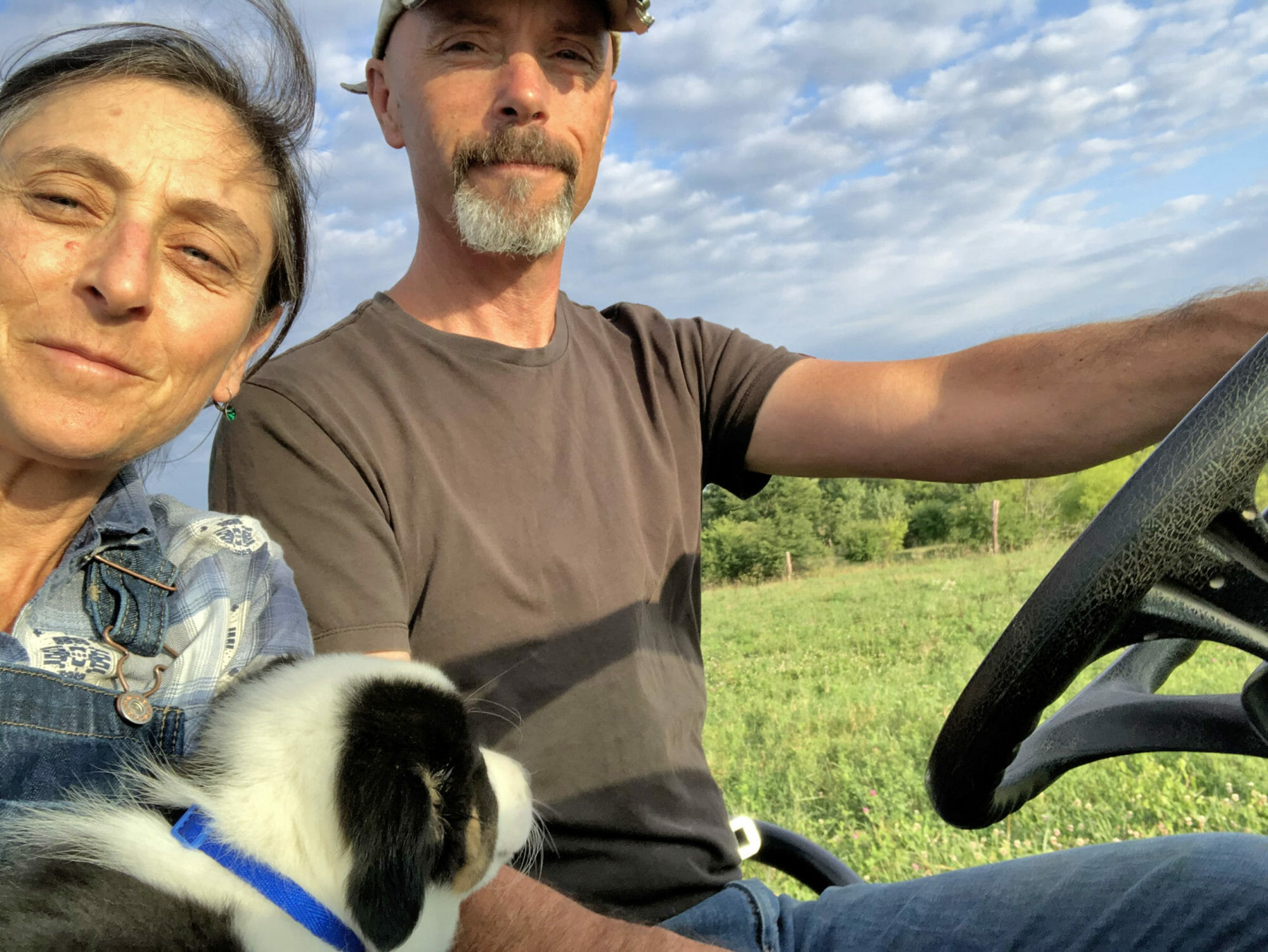
Born the son of traditional row croppers, John wanted to move away from method and focus instead on a more holistic and organic approach to farming. “There's certainly nothing wrong with traditional crops here in Iowa, and the money is definitely better, but I wanted something different. Being able to utilize parts of my farm that dad never did for pasture and tree cover has made a huge difference for our cattle and the local wildlife.” Utilizing the Environmental Incentives Program (EQIP), John was able to install six ponds, with a further two being done without assistance. “Dad also used some EQIP money back in the day to install some terraces, but they can cause drainage issues, so we're going to move away from those. ” A large chunk of the grant money has been used to establish more native vegetation on the cattle pasturelands that John uses for rotational grazing. “We used a lot of it for reseeding prairie grasses into the pastures. Adding these warm season prairie grasses, those come right back up after grazing. They are very deep rooted and help hold the water. Grasses like orchard grass, they get grazed down then just sit there. They don't hold that water like native grasses.” John has also been concerned with battling intensifying drought conditions. “I lived out in California, working with farmers, long enough that I've seen what is happening out there, and it could happen here too. You have to have access to water, whether it be for irrigation or animals.” With climate in mind, John and Beth have installed watering systems with EQIP using the ponds already on their land. Together, they laid down 3,000 yards of gravity-flow underground plastic piping, as well as hydrants, into what is normally dry pasture, allowing for even greater ability to graze cattle in a rotational cycle.