Evolving a Stewardship Ethic
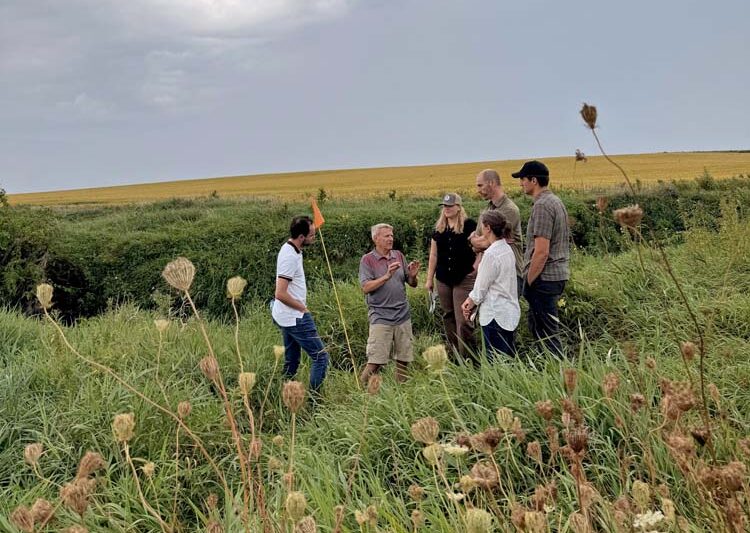
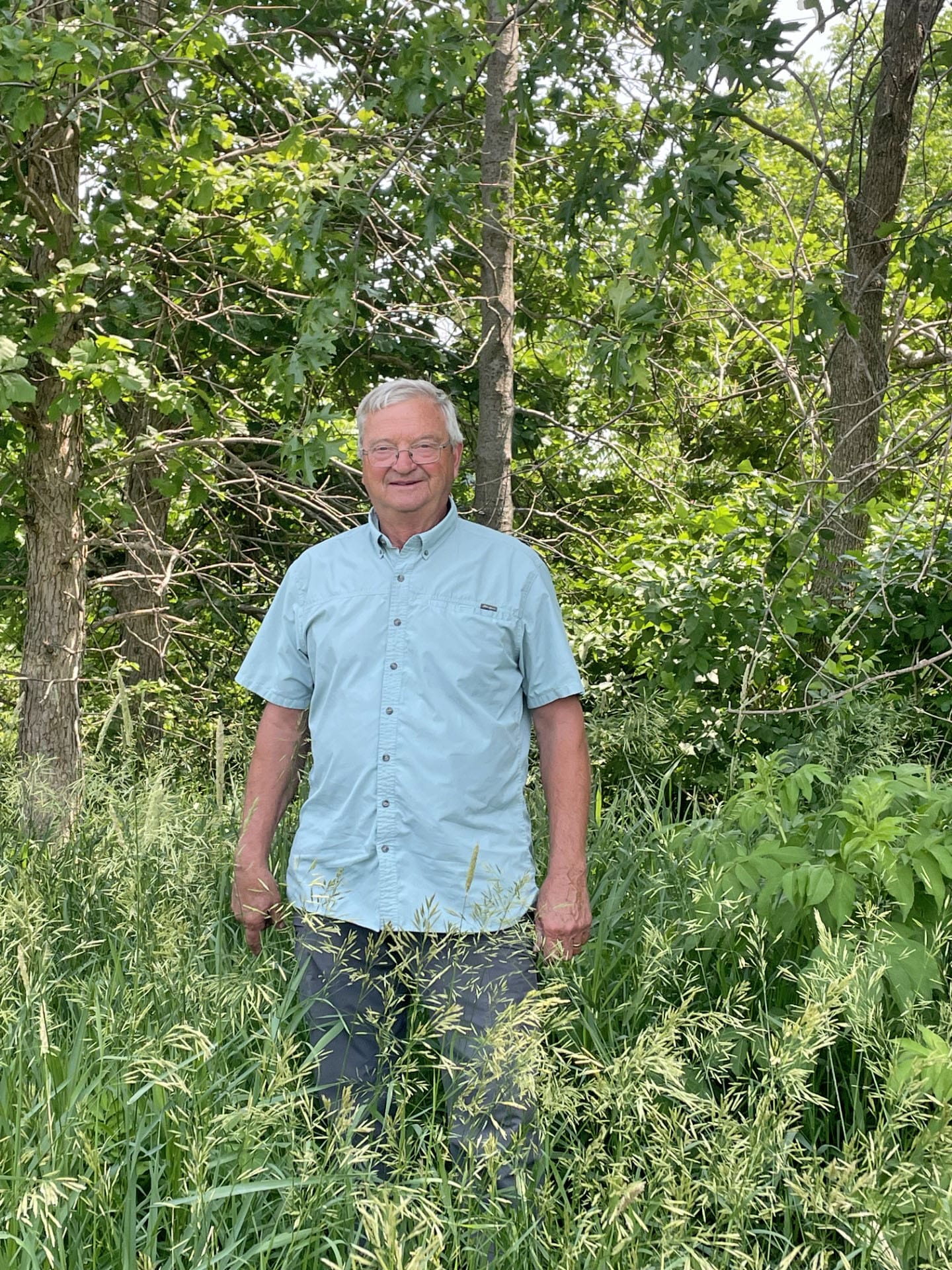
Today, Ken Fawcett is continuing the farming legacy started by his great-grandfather by operating a thriving corn and soybean farm in the original location where Thomas settled 170 years ago. Ken grew up walking the bean rows, bringing in the corn harvest and watching the seasons pass. He recalls one spring thunderstorm from his childhood that highlighted the importance of conservation in agriculture. “I vividly remember May 21, 1957. That day, I stood near the middle branch of Watson Creek after a violent thunderstorm and watched torrents of muddy water carrying our soil and seed and fertilizer off the farm,” Ken says. “Seeing the eroded soil leaving our farm, and the autumn profits with it, was a powerful lesson to me as a young boy of 8.” Ken knew from then on that maximum profit in any farm venture is important, but equally important are the soil and natural resources that go into nourishing the crops on which farmers' livelihoods depend. When he took over managing the farm in the ‘80s, a slow transition from traditional row cropping began, and what Ken describes as “a slow evolution of stewardship.” He began with cover crops to limit soil erosion in his corn and bean fields, with an emphasis on maintaining yields and profits. “In '85, we started hand-planting trees along the gully to stabilize the creek bank,” he says. “Then it just kept going from there.”Embracing Precision Conservation
The Fawcetts started using precision conservation to increase the soil, water and habitat quality of their land. With this approach, farmers use a range of technologies and techniques – such as GPS, remote sensing, yield maps and other tools – to identify marginal or consistently low-yielding areas of farmland. These acres, which usually lose money for the farmer, are then taken out of crop production and used for targeted conservation practices like prairie plantings, wetlands or saturated buffers.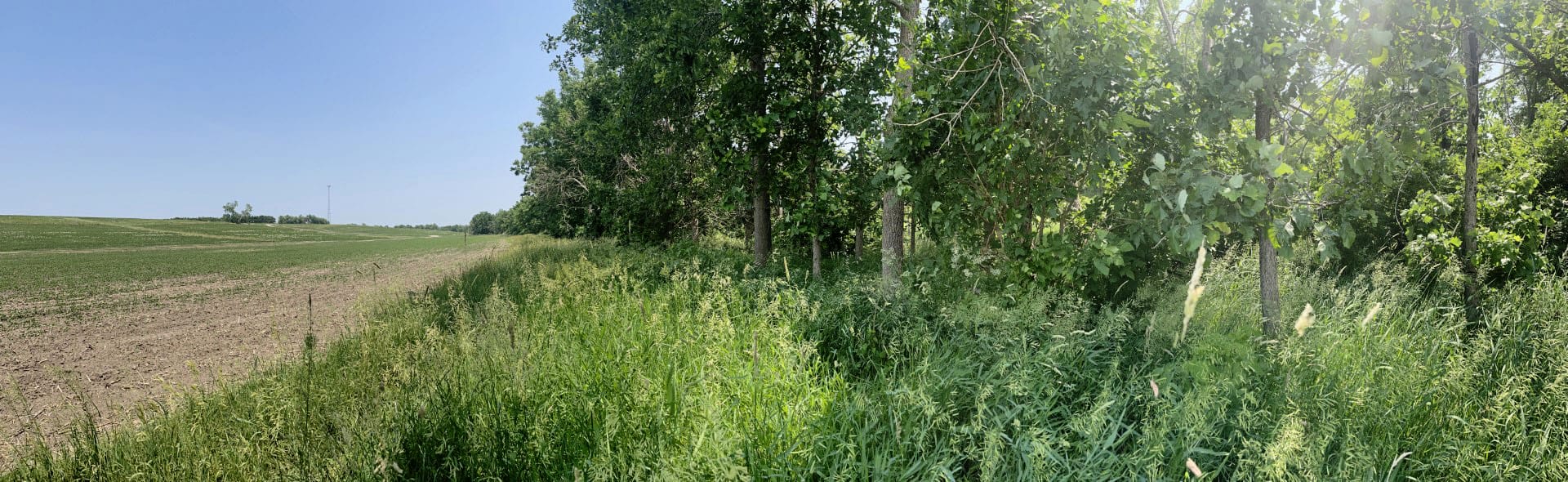
“I really embraced the technology of conservation. We worked with NRCS and various ag organizations using GPS and remote sensing to really get a sense of how much crop to keep and how much to set aside, down to practically the centimeter. Ensuring that you can still make a living while preserving and improving the environment is key, and all these new technologies are great for that.” - Ken Fawcett
Creating a Home for All
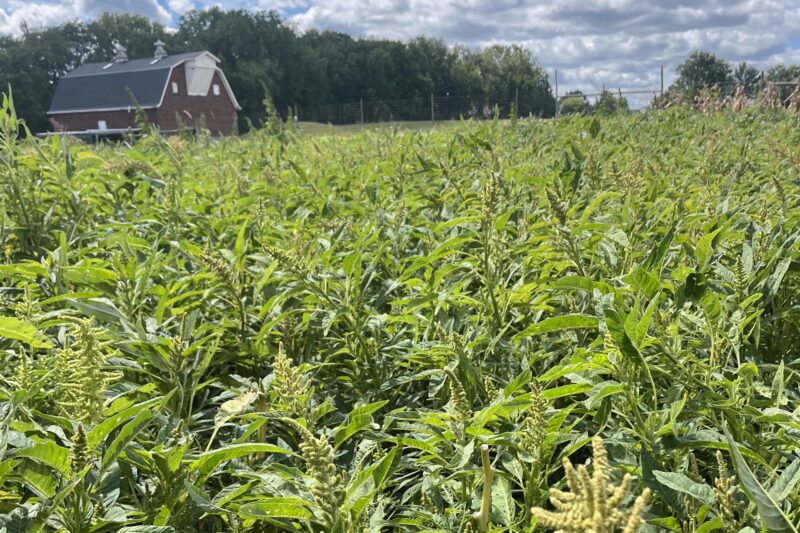
The Fawcett farmscape is showing how it's possible for farmers to realize both profit and preservation. Since first embarking on intentional habitat work in 1985, the Fawcetts have installed a pond that is home to several varieties of fish, including rainbow trout; planted 14 acres of prairie strips; and added 25 total acres of buffer strips along the creek that runs through their farm. They have also planted over 15,000 trees, mostly by hand. “This land has been a labor of love. We still have family reunions where all the descendants of Thomas Fawcett still come here to gather and catch up, no matter where they live now,” Ken says. “Preserving this land has been about preserving that family legacy as well as the land. And just like families can have ups and downs, the conservation has had its share of setbacks as well, but we pushed through because the legacy of the land is what is important.” One such setback was the introduction of Palmer amaranth, a weedy plant native to the U.S. southwest, that got mixed in with the prairie seed the Fawcetts used to establish their prairie strips. Fortunately, Palmer amaranth struggled to survive in Iowa's climate and the invasive weed didn't thrive in the field. But the Fawcetts have struggled with other invasive species, such as reed canary grass and the emerald ash borer, which has infected many of the ash trees Ken and his family planted by hand years ago. “Conservation is a learning process. When we established our cover crops or planted our prairie strips, we had to learn, and sometimes we made mistakes or nature had other ideas,” Ken says. “But we kept learning and adapting, caring for this land like a family member. “A farmer's land is their most treasured asset. It needs to be tended and respected. It needs to not only house their family, but all of nature as well. We share this land with birds, deer, fox and even an otter. It's their home too.”