Making Wildlife Feel at Home
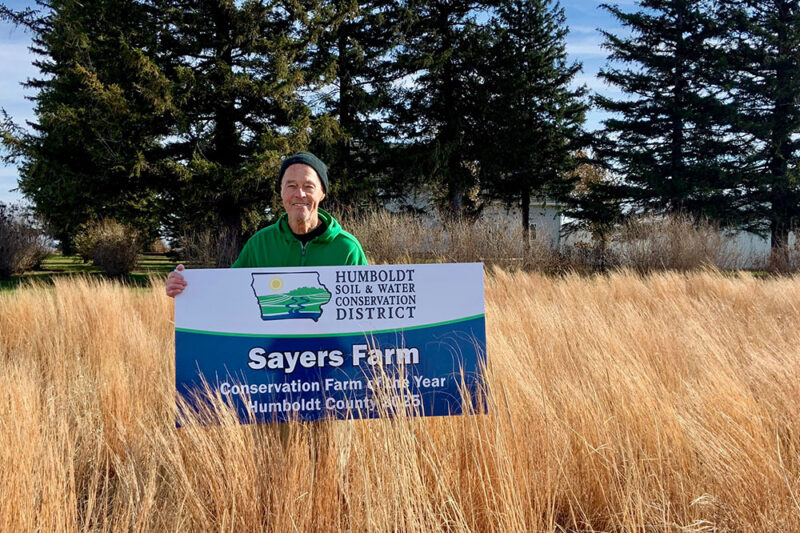
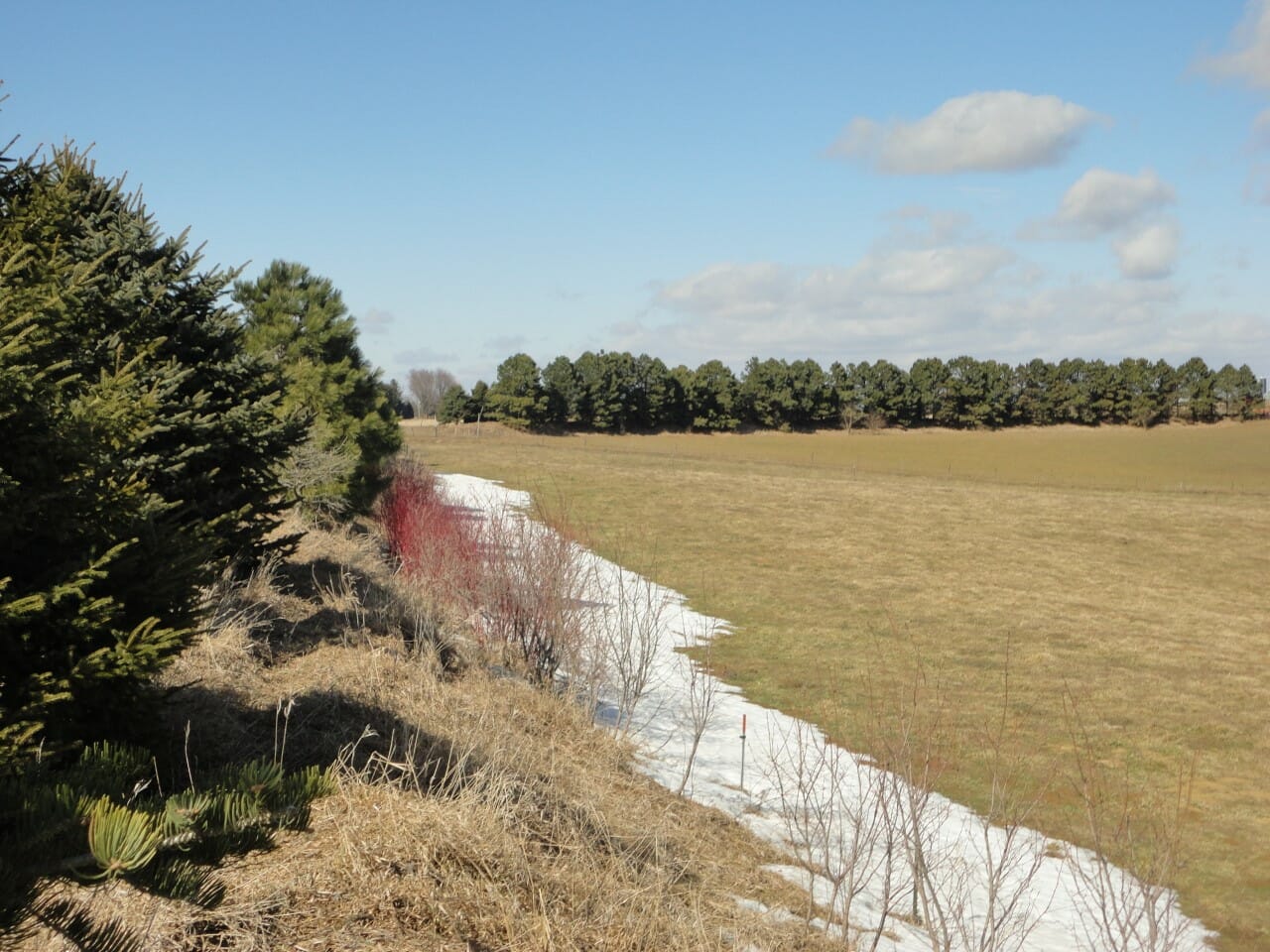
When Ron stopped all chemical applications to his farm in 1983, he knew he needed a game plan in place when the inevitable pests moved in. “We built terraces alongside our fields. You can plant on terraces and not lose any land for production. I've planted ponderosa pines back in the eighties, and those must be 40 feet tall now! I also have planted hundreds of hardwoods, mostly oaks, walnut and hackberry over the years. We really wanted to make wildlife feel at home.”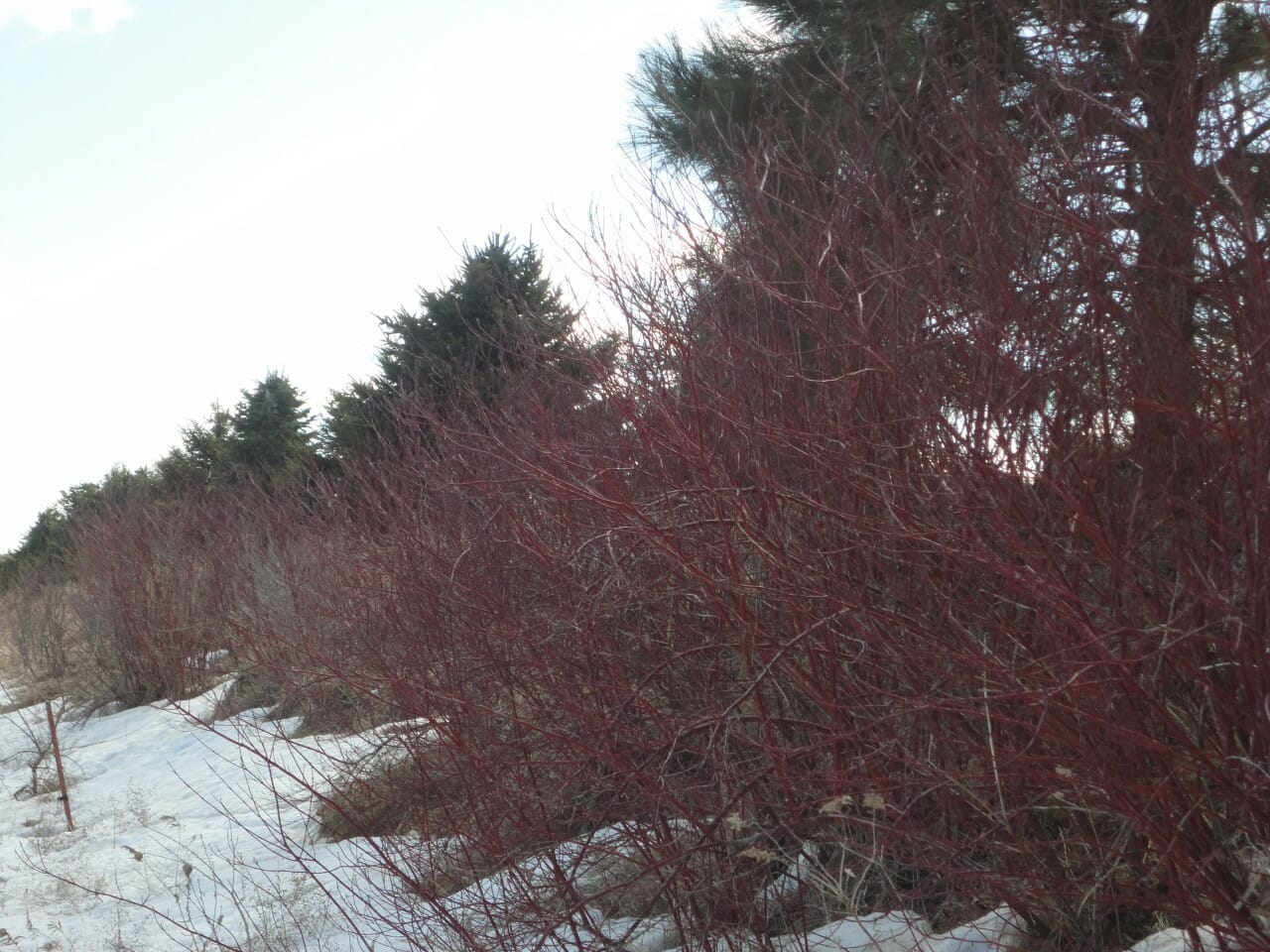
The Benefits of Wildlife in Pest Management
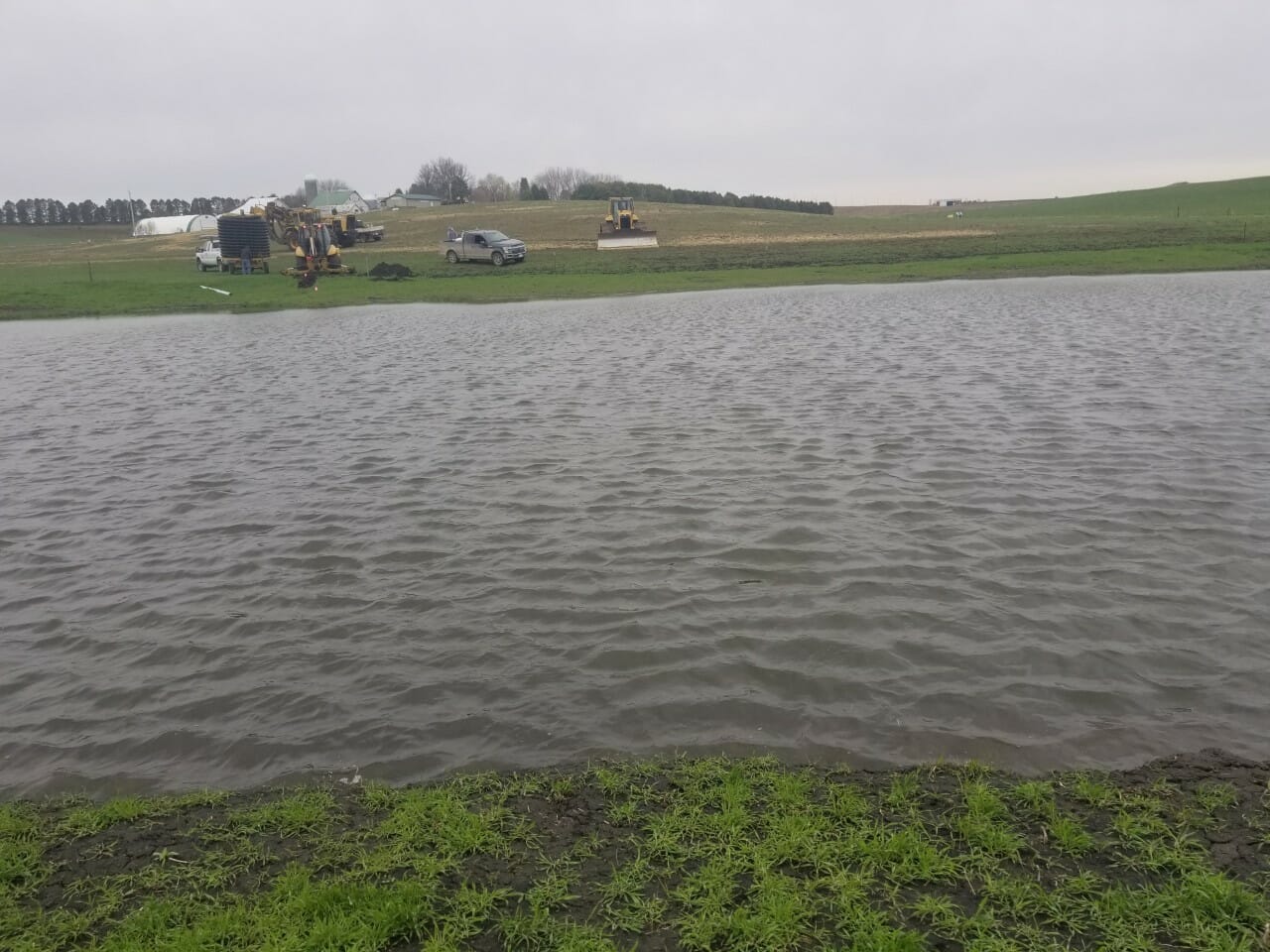
Utilizing wildlife as a method of control against such pests as rodents and aphids, is a form of integrated pest management, an ecosystem based method that focuses on long-term control of pests. “We have nesting pheasants on our farm as well as lots of songbirds. All of them eat the aphids and the bugs that damage crops before they can be harvested. Not including our harrier, we also have lots of raptors like hawks, barred owls and several great-horned owls. They like all the trees we planted and they keep the rodents under control, which is great, because rodents can take a real toll on seed storage.” Ron has taken this ecosystem based method to heart on his farm. “We really focused on soil and water quality. Our water quality is so good in our pond, that we have snapping turtles. Our soil supports good fungal growth, which loosens the soil, and weeds don't grow well in non-compacted soil. That soil and water is the base for the wildlife that helps control the pests, so we always take care of that.”
My advice to anyone wanting to reduce chemical use is just start small. Choose a few acres and really focus on its health and compare the productivity to treated areas. I think you'll be surprised!”“I must me doing something right. I've seen lynx and bobcats, which are returning to Iowa, here. Those are great for getting the bigger pests like raccoons. Everything is interconnected, and if the land is healthy, pesticides can absolutely be reduced. I personally have not seen a decline in productivity or profit from not using chemicals like pesticides in the last 40 years. My advice to anyone wanting to reduce chemical use is just start small. Choose a few acres and really focus on its health and compare the productivity to treated areas. I think you'll be surprised!”
To learn more about the conservation efforts by Ron Rosmann, click here.