The Decision-Making Process
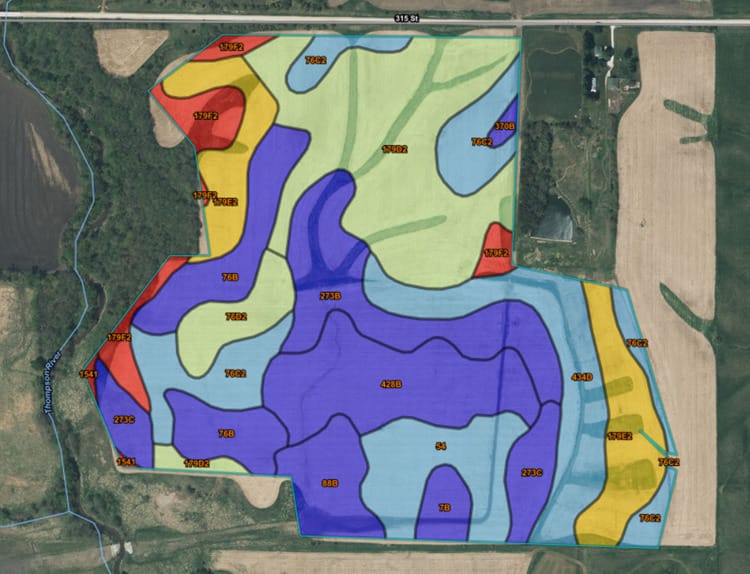
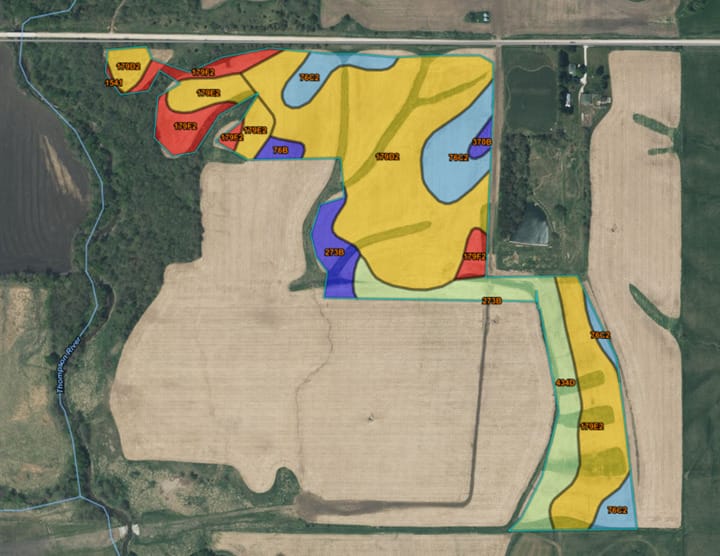
As someone who has spent more than 30 years as a wildlife biologist and restoration ecologist, I am biased toward habitat. As a landowner and farm manager, I also must carefully consider the financial considerations of developing habitat and whether I can do the work necessary to make it a successful project. In part one of this blog series, I explained the process of a precision conservation analysis. In part two, I showed the financial analysis I went through to take 46 acres out of production. In this blog, I will explain my rationale and the other benefits of taking land out of production.Removing Land From Production
As you can imagine, the decision was not entirely financial, although it was an important consideration. The other important parts of this decision were my goals on this farm and whether I have the ability and capacity to achieve those goals. My goal for this farm is to maximize profit while using quality habitat to amplify ecosystem services. It is comforting to know that right now, it looks like I will be making at least $45 more per acre with habitat versus cash rent from a corn and soybean rotation. I say right now because there is risk. The contract I signed for the switchgrass program and CRP is for 10 years. Inflation is a risk. Not knowing what cash rents will be in 5 to 10 years is part of that risk. Not knowing if there will be demand for switchgrass in years 6-10 is a major risk. Some risk can be mitigated by diversification. When I step back and look at our entire operation, it makes sense to take the poorest ground out of corn and soybean production and find an alternative revenue source. The 10-year payment schedule can be looked at as a guaranteed revenue source in case of a downturn in the farm economy, which is a positive.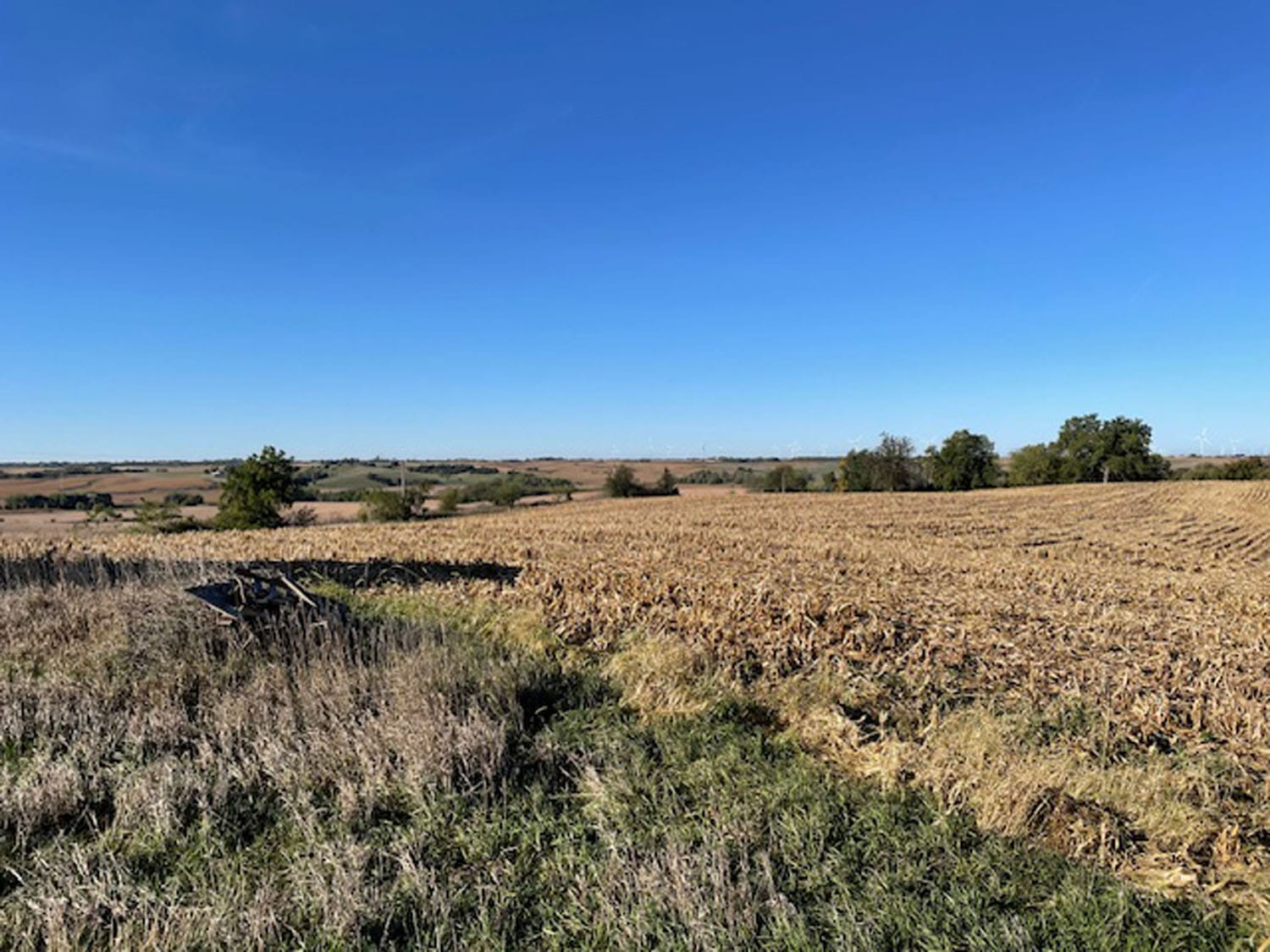 I was concerned about making sure I could do the required work for this project. One aspect that makes the Switchgrass RCPP so attractive is those 36 acres will be planted, maintained and harvested by FDC Enterprises Inc. for the first five years.
I know I would have better habitat if those 36 acres were in a diverse pollinator habitat, however, I have many other projects on my “to-do” list that will require my attention. I look at the 36 acres of switchgrass as a bonus that will reap many environmental benefits while allowing me to work on other projects.
The 10 acres of Quail SAFE CRP is one of those projects. As I mentioned, I have worked in habitat management since 1989. Creating and managing habitat can be challenging, but it has also been one of the most rewarding aspects of this profession.
I have seen fish colonize streams I have helped re-meander; ducks, grebes, bitterns and rails nest in marshes I have helped restore; and pheasants, quail, meadowlarks and bobolinks nest in prairies that I have had a hand in planting. I have seen prairies subtly change from year to year based on rainfall, a prescribed burn or some other unknown factor.
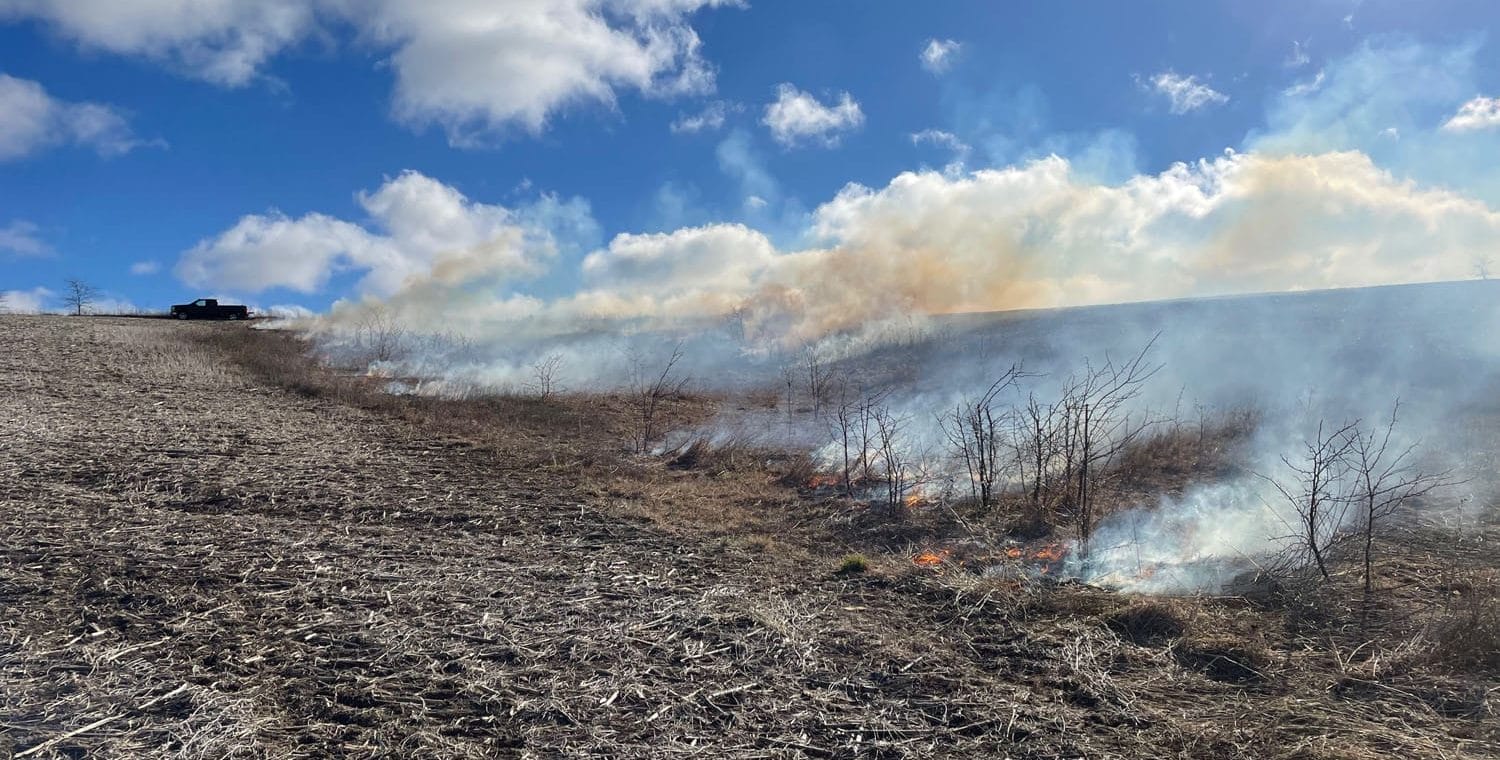
I enjoy managing habitat, have the knowledge to do this type of work and I have most of the “tools” I need. I have an ATV with a water tank that can be used to conduct prescribed burns and spray noxious weeds.
I was concerned about making sure I could do the required work for this project. One aspect that makes the Switchgrass RCPP so attractive is those 36 acres will be planted, maintained and harvested by FDC Enterprises Inc. for the first five years.
I know I would have better habitat if those 36 acres were in a diverse pollinator habitat, however, I have many other projects on my “to-do” list that will require my attention. I look at the 36 acres of switchgrass as a bonus that will reap many environmental benefits while allowing me to work on other projects.
The 10 acres of Quail SAFE CRP is one of those projects. As I mentioned, I have worked in habitat management since 1989. Creating and managing habitat can be challenging, but it has also been one of the most rewarding aspects of this profession.
I have seen fish colonize streams I have helped re-meander; ducks, grebes, bitterns and rails nest in marshes I have helped restore; and pheasants, quail, meadowlarks and bobolinks nest in prairies that I have had a hand in planting. I have seen prairies subtly change from year to year based on rainfall, a prescribed burn or some other unknown factor.
I enjoy managing habitat, have the knowledge to do this type of work and I have most of the “tools” I need. I have an ATV with a water tank that can be used to conduct prescribed burns and spray noxious weeds.
The Benefits of Planting Habitat
The benefits of habitat are many. Native perennial cover helps prevent erosion, increases water infiltration, increases soil carbon and soil health, and reduces fertilizer and pesticide use. It also creates food, cover and space for wildlife. Some of these benefits are personal, some are societal and others are both. If I go hunting on these 46 acres with family and friends next fall, I will certainly enjoy this “new” opportunity. The recreational value of land for hunting is tangible. A societal benefit that can be attributed to habitat acres is water infiltration and storage. The higher the percentage of rainfall that infiltrates the soil rather than runs off the surface the better. This prevents downstream flooding which is a societal benefit. Many of our major cities and towns are located along large rivers. The watershed of these large rivers extends over thousands of acres of land. Every acre where soil health and water infiltration can be improved by perennial cover, cover crops or good agronomic practices will have positive downstream benefits. This is also true with the reduction or elimination of pesticides and fertilizers on native perennial habitats.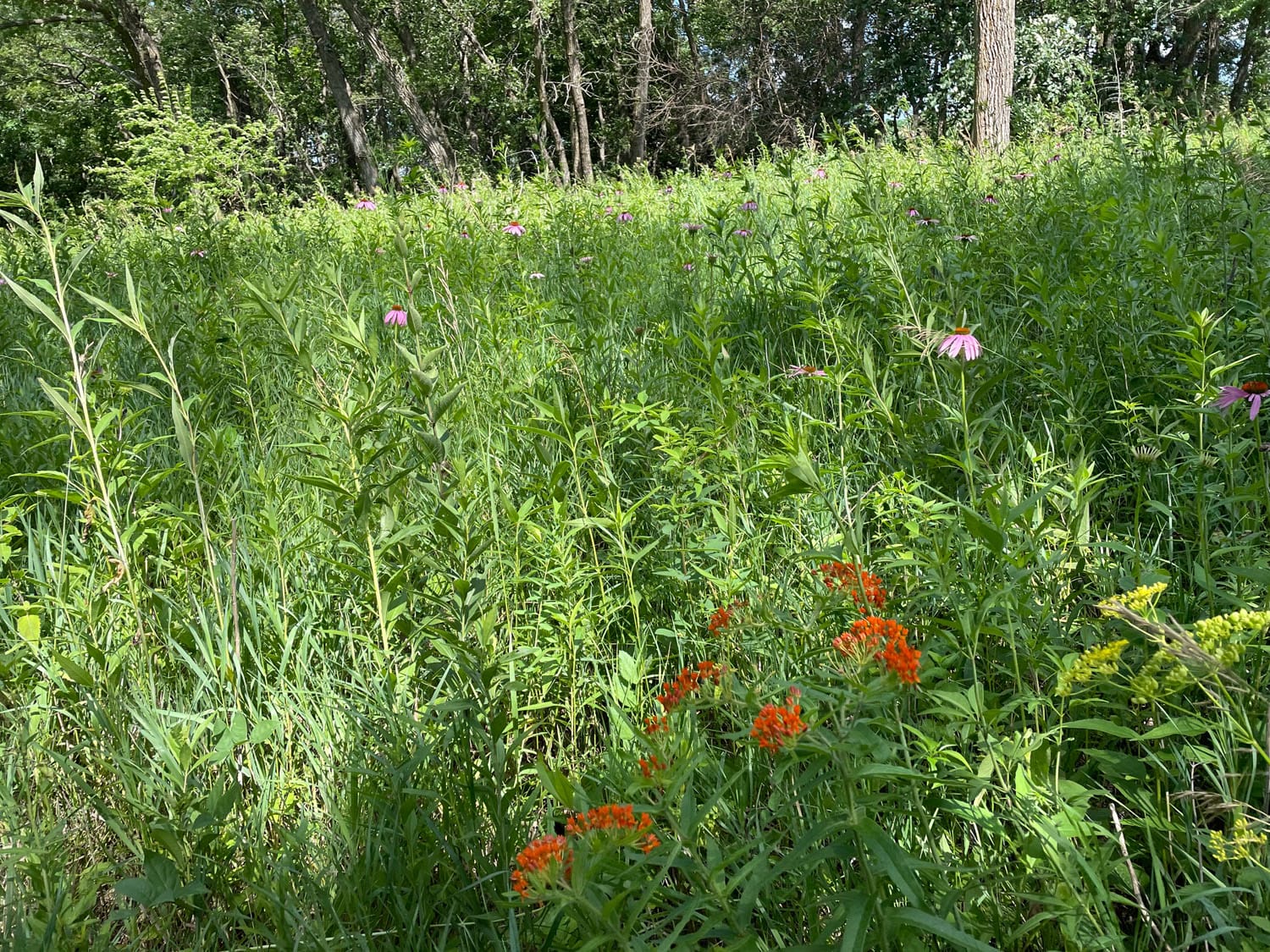
Maximizing Profitability
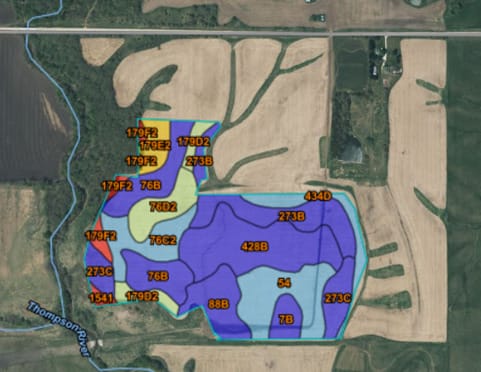
One additional benefit of doing a precision conservation analysis is to maximize profitability of the area that will continue to be farmed. This can be shown by evaluating the corn suitability rating (CSR2) throughout your field. By working with a precision conservation specialist at Pheasants Forever, you can see the value of taking unprofitable soils out of production. You can also conduct your own analysis using the tutorial on the Iowa State University Extension and outreach website as a guide.