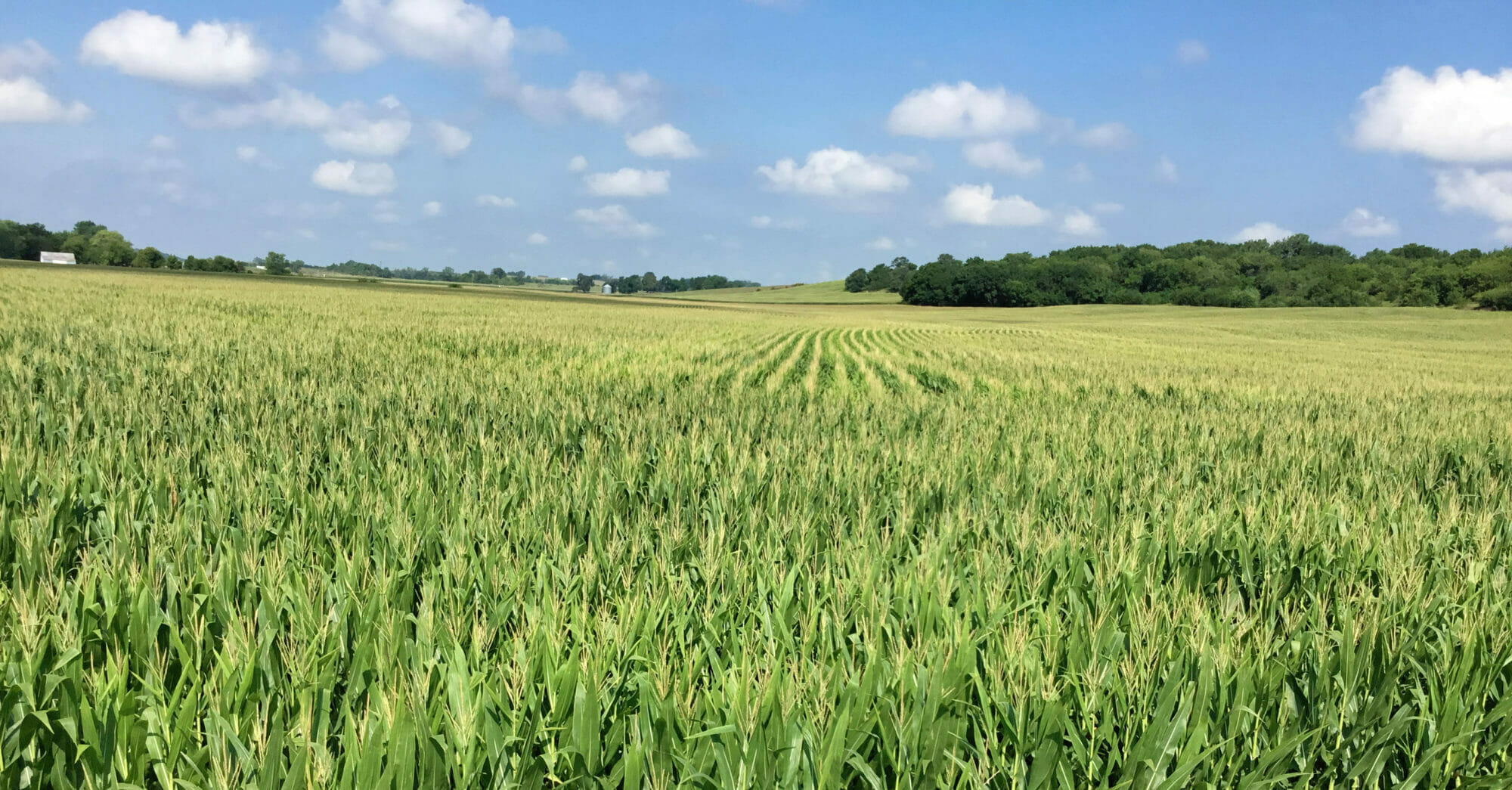
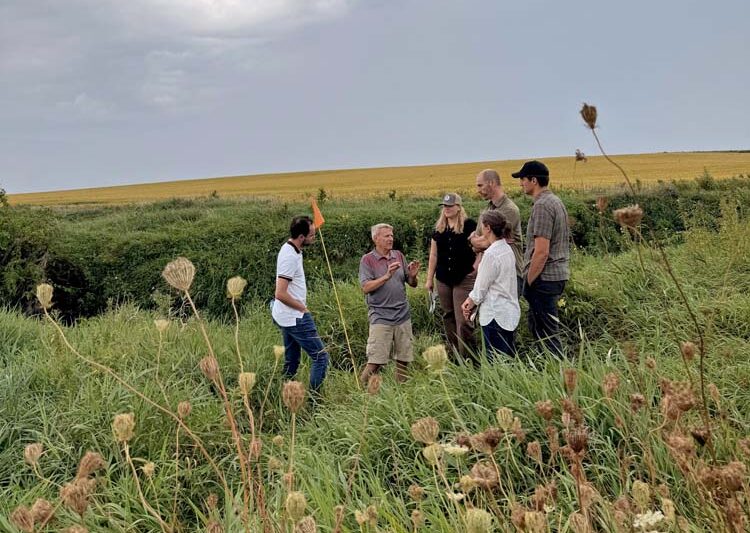
“The results of these trials drastically improved our farms, and overall, they played an important role in building and maintaining PFI's farmer-to-farmer network.” - Vic MadsenThe results are adding heft to the Natural Resources Conservation Service's dynamic definition of soil health as “the continued capacity of soil to function as a vital living ecosystem that sustains plants, animals and humans.” For farmers, the results mean that as they improve their soil's health, they may be able to reduce the amount of fertilizer they need to get the same yields – a win for the environment and their net returns.
History of Trialing Nitrogen
The current project got underway in fall 2021 – but it isn't the first time PFI members have tackled the question of fertilizer use on the farm. The farm crisis of the 1980s that helped usher PFI into existence forced many farmers, and early PFI members, to take a hard look at their farming practices. While some farmers survived the crisis by farming more land (“getting big”), many more could not afford to purchase or rent more acres, and were forced to “get out.” But several of PFI's early members took a middle approach: They thought that by cutting the most expensive input costs – such as nitrogen fertilizer – they could improve profit margins enough to get by. From 1988-1993, farmers participating in PFI's newly established Cooperators' Program conducted 57 trials that compared their typical high fertilizer rate with a reduced rate of their choosing. Across sites, the average difference between high and low rates was 56 units of nitrogen per acre. In 88% of those trials (50 of the 57), the farmers involved found that applying the high rate offered no statistical advantage to corn yield – and that in most cases, they were applying more nitrogen than they needed. “We felt like we were ‘on a mission from God,' to quote the iconic line from the popular 1980 movie, ‘The Blues Brothers,'” says Vic Madsen, who farms near Audubon, Iowa, and participated in those early fertilizer trials. “We learned that we could save money and improve our bottom lines by reducing application rates, and feel better about being stewards of the environment in doing so,” he says. “The results of these trials drastically improved our farms, and overall, they played an important role in building and maintaining PFI's farmer-to-farmer network.” Since those first trials in the late 1980s, more than 250 farmers have conducted nearly 1,500 research trials on their farms. Today, the Cooperators' Program brings together a community of curious and creative farmers from across the agricultural spectrum who take a scientific approach to improving their farms.The Next Generation
Alec and Rachel Amundson, who farm with Rachel's family, the Norbys, near Osage, Iowa, weren't even born yet when the first PFI nitrogen trials got started in the late 1980s. But farming practices that focus on soil health and water quality have long been important on their family farm and in their area. “My dad and uncles, who we now are transitioning the farm from, were some of the first ones to start things like no-tilling and strip-tilling,” Rachel says. “With other farmers in the neighborhood, they started doing cover crops and saw the benefits.” Soon after the Iowa Nutrient Reduction Strategy was released in 2013, a group in the Rock Creek Watershed, where the Amundsons farm, was the first in the state to create a watershed plan specifically tailored to addressing the goals laid out in the new strategy.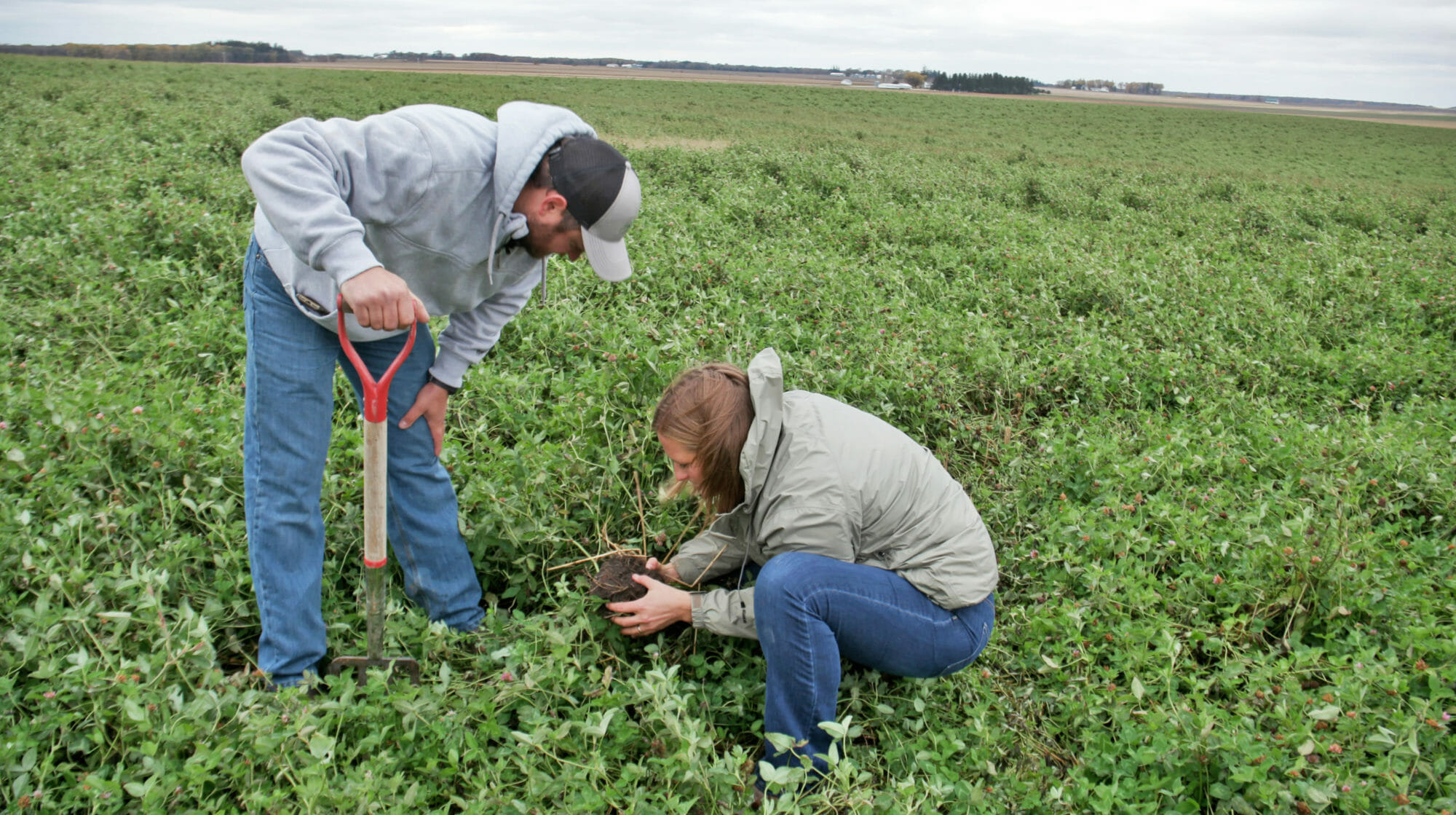
Nitrogen Trials 2.0
For this newest PFI-led fertilizer project, PFI staff recruited farmers, including the Amundsons, who have been using soil health-promoting practices for at least five years. Using a replicated strip-trial design, farmers are comparing their usual fertilizer rate with a rate that is reduced by 50 pounds of applied nitrogen per acre. If they can maintain corn yields at the reduced rate, results might spark confidence to reduce (or at least question) fertilizer rates going forward, much like what happened for the original cohort of farmers who trialed fertilizer rates. To some degree, this project is asking: Is the ability to reduce nitrogen fertilizer without losing corn yield a simple yet robust test of soil health? The project's premise echoes the sentiment of the idiom “the proof of the pudding is in the eating” – in a sense, it suggests that how well the crop performs with less fertilizer is a reflection of the soil's health. And what if the reduced rate ends up lowering corn yields and financial returns? The farmers will still have gained valuable information: They can probably be satisfied that their typical rate is the right rate for their farm. Knowing this could encourage them to adopt more soil health-promoting practices in the hope they could eventually reduce that fertilizer rate (and expense).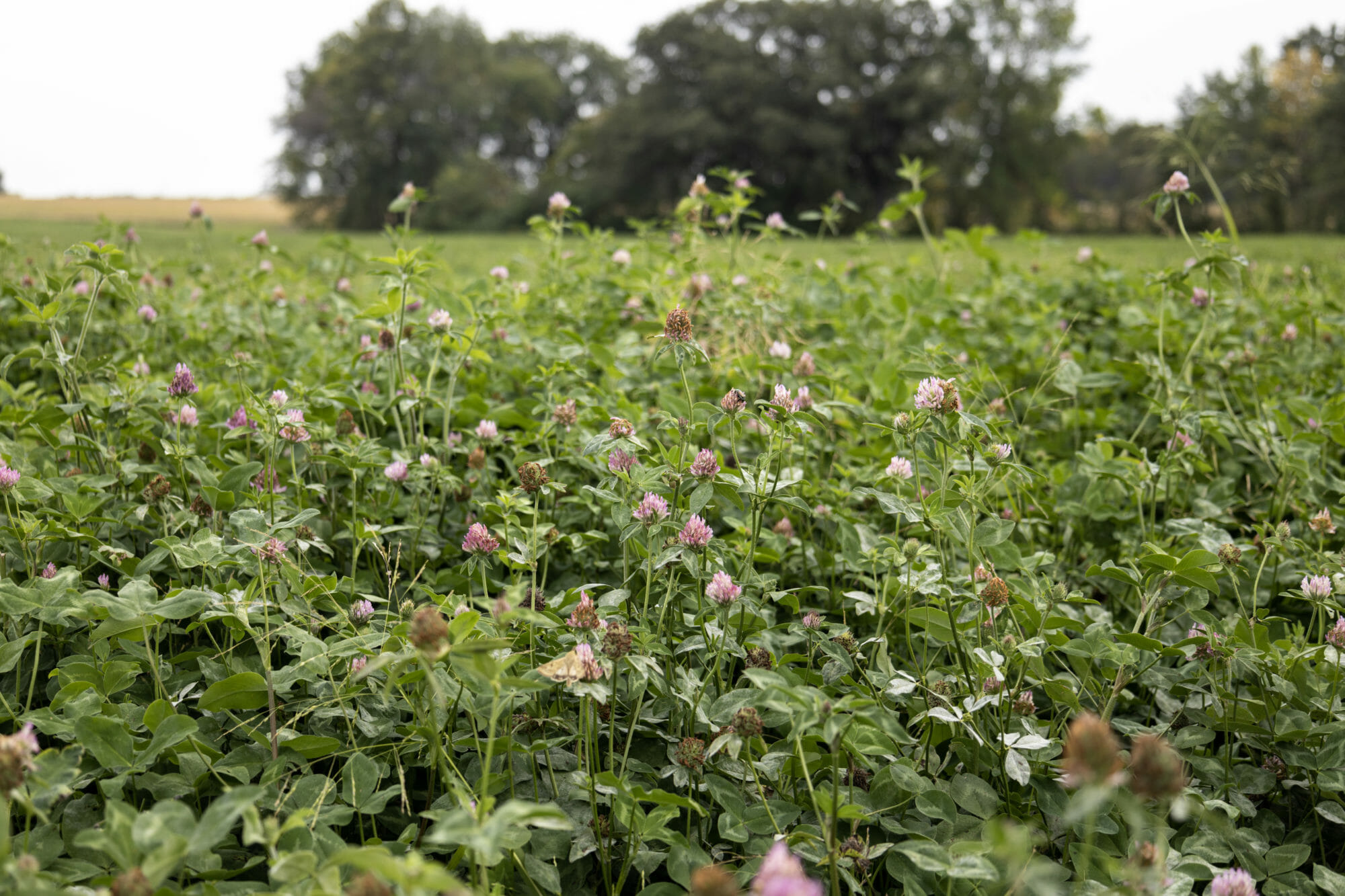
Cost Savings and Environmental Benefits
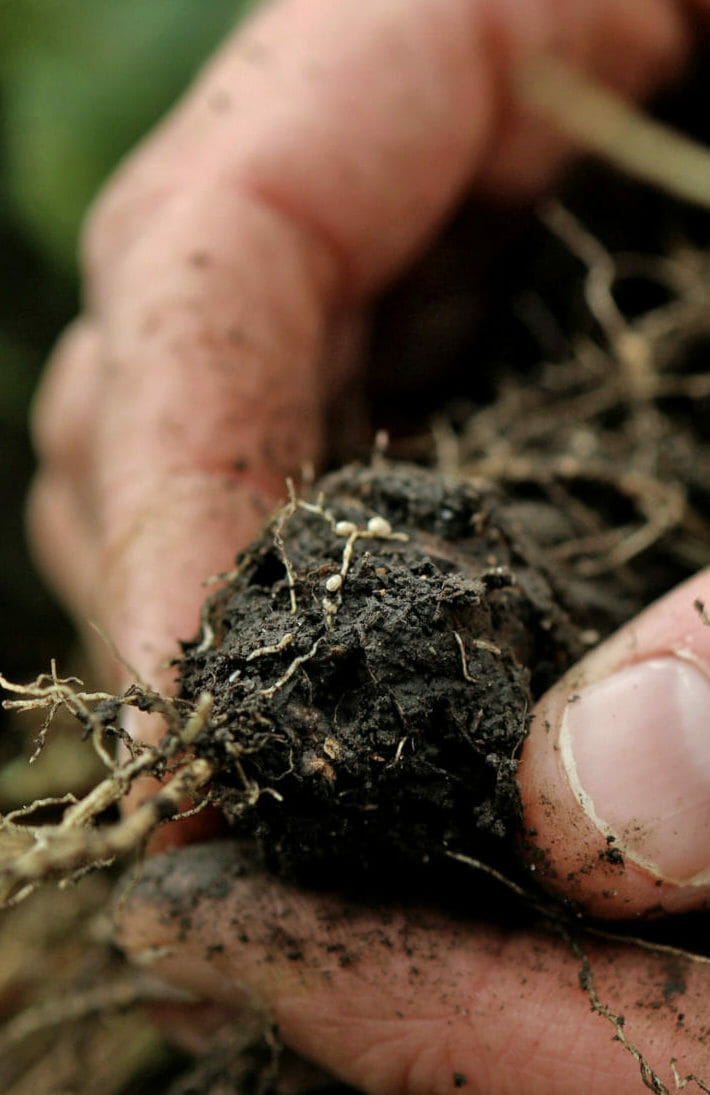
Scientists have long shown that soil health-promoting practices pay off in the long run by reducing soil erosion and improving soil-water infiltration. And while the original nitrogen trial participants of the 1980s saw that improvements in water quality accompanied cost-savings, this new generation believes there's a benefit to the climate. Cutting back on rates of manufactured nitrogen significantly lessens the greenhouse gas emissions associated with their farms. As Alec says, legumes “fix” or capture nitrogen from the atmosphere, converting the element into a form plants can use. Commercially produced nitrogen fertilizer mimics that process synthetically – but with a high energy toll. The Haber-Bosch process – the industrial process invented over 100 years ago to artificially fix nitrogen – accounts for 2% of global carbon dioxide emissions. As we look to improve the resilience of our farming systems, green manure crops – like red clover – will play a big role in a truly climate-smart agriculture. But the short-term benefits of planting clover, and other soil health-promoting practices, may not be visible right away. If research could show short-term advantages, like saving money on nitrogen fertilizer, more farmers might be swayed to adopt soil health practices.Year One Results
By mid-November 2022, results from 12 trials showed that in half of them, farmers found a $25 per acre financial advantage, on average, from reducing their fertilizer rate. Other participants saw declines in both corn yield and financial returns from reducing their fertilizer rate.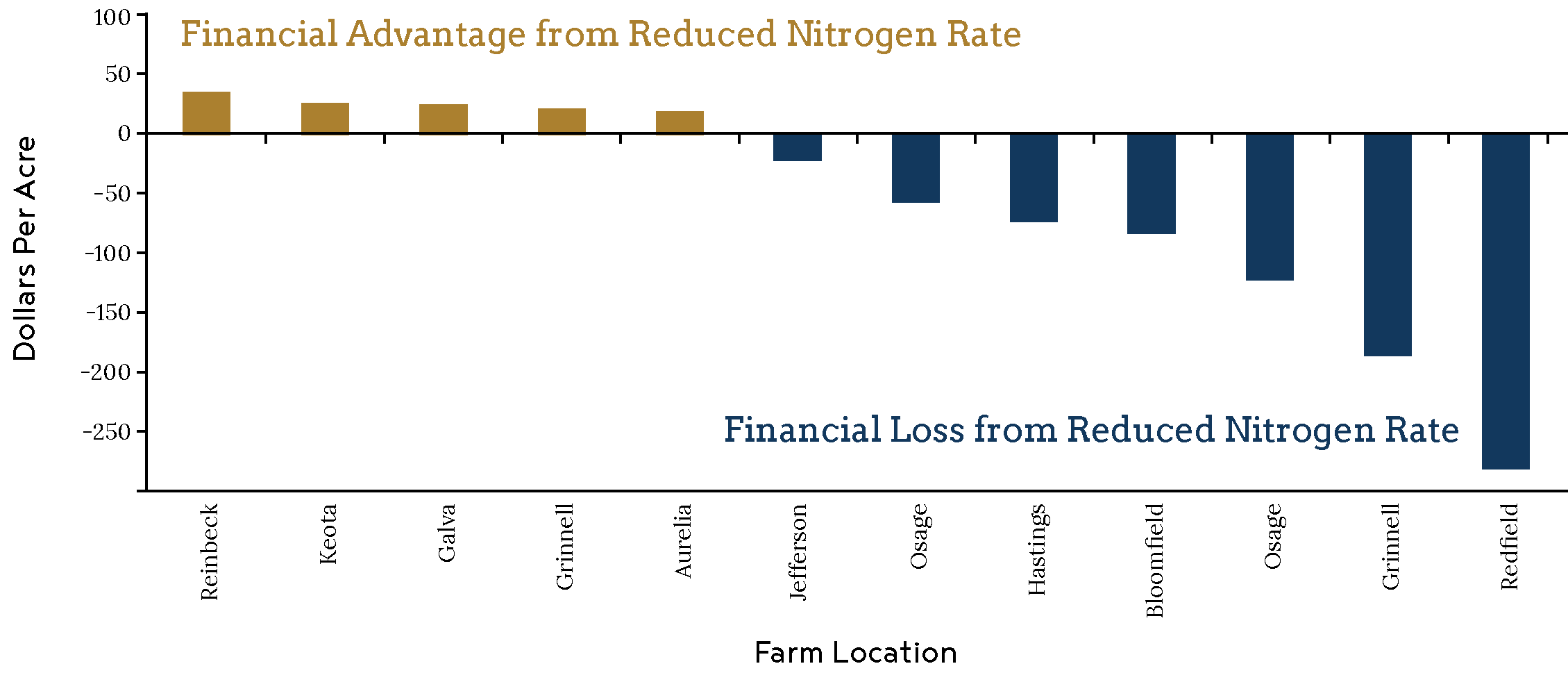
Notes from the Field
The new nitrogen project lets PFI farmers choose the fields they used soil health practices on to enroll in the study. By doing this – and letting them choose their typical and reduced nitrogen rates – the project empowers them as the scientist and, ultimately, makes the data meaningful and relevant to each of them. Here are a few of the PFI farmers putting their farms' soil health to the test: Here are a few of the PFI farmers putting their farms' soil health to the test: Sam Bennett
Galva, Iowa
Farm overview: Corn-soybean rotation with cereal rye cover crops and either no- or strip-tillage
Typical N rate: 189 pounds per acre
Reduced N rate: 139 pounds per acre
“I hope to see if improved soil health practices can reduce the need for inputs.”


Chris Deal
Jefferson, Iowa Farm overview: Corn-soybean rotation with cereal rye and winter wheat cover crops and limited tillage Typical N rate: 200 pounds per acre Reduced N rate: 150 pounds per acre “I have made a conscious effort to utilize sustainable farming practices, including no-till and cover crops and I hope to right-size the amount of nitrogen I'm using on my farm. By focusing on the amount of N that offers peak profitability, rather than peak yield, I hope to avoid the use of unnecessary fertilizer and further reduce the possibility of leaching and runoff from my farming operation." Alec & Rachel Amundson
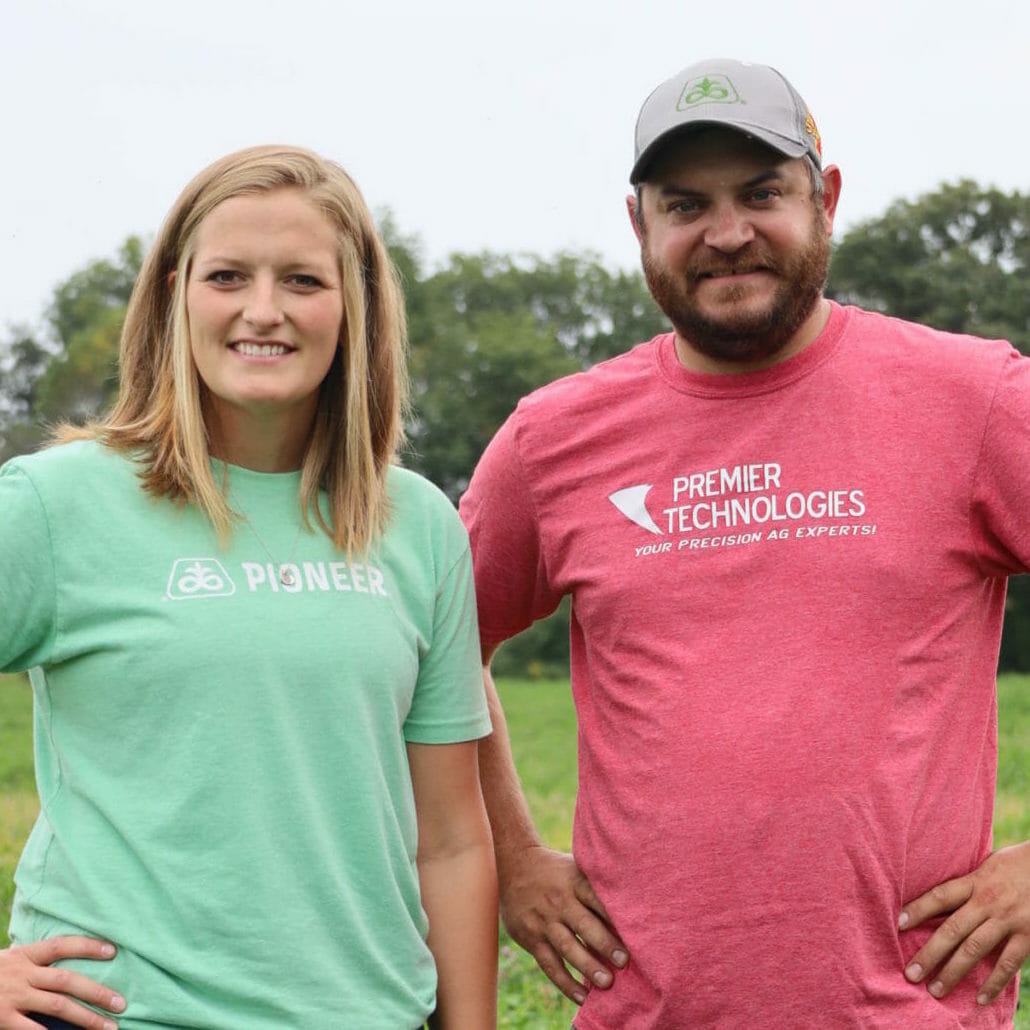
Osage, Iowa
Farm overview: Diversified crop rotation including corn, soybeans, oats, cereal rye and red clover cover crops and no- or strip-till
Typical N rate: 130 pounds per acre
Reduced N rate: 80 pounds per acre
“[This trial will impact our farm by] helping to fine-tune our nitrogen management.”
 Jon Bakehouse
Hastings, Iowa
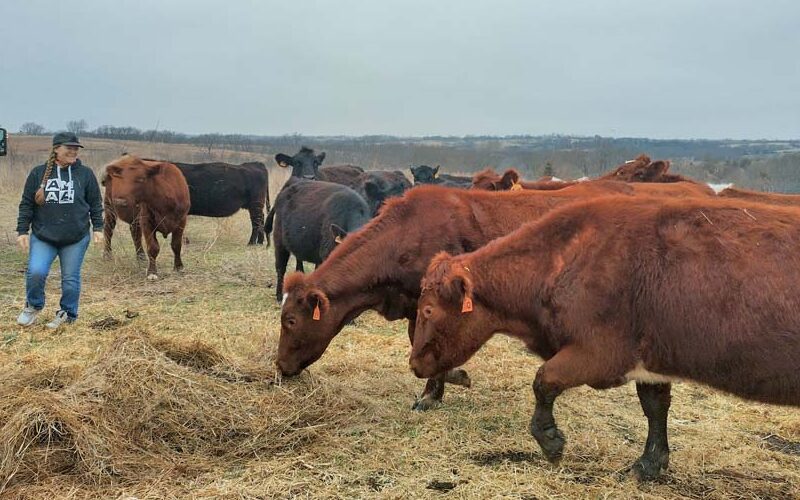
Farm overview: Corn-soybean rotation with cereal rye cover crops seeded after each corn harvest and no tillage. Cattle graze crop residue and cover crop forage from September to April.
Typical N rate: 151 pounds per acre
Reduced N rate: 95 pounds per acre
“[This trial will] give me the confidence to either reduce nitrogen rates or be secure in the knowledge we aren't over-applying nutrients. [I also hope to discover] unexpected outcomes that kick-start thinking in new and different directions.”

 Bill Frederick
Jefferson, Iowa
Farm overview: Corn-soybean rotation with winter wheat, turnip cover crops and no tillage. After harvest, cattle graze the crop residue and cover crop forage from October to May.
Typical N rate: 150 pounds per acre
Reduced N rate: 100 pounds per acre
“If it works, it will greatly reduce nitrogen costs and increase profitability.”

 Nathan Anderson
Aurelia, Iowa
Farm overview: Corn-soybean rotation with cereal rye cover crops, no tillage and composted cattle or turkey manure. Cattle graze crop residue and cover crop forage each winter.
Typical N rate: 158 pounds per acre
Reduced N rate: 105 pounds per acre
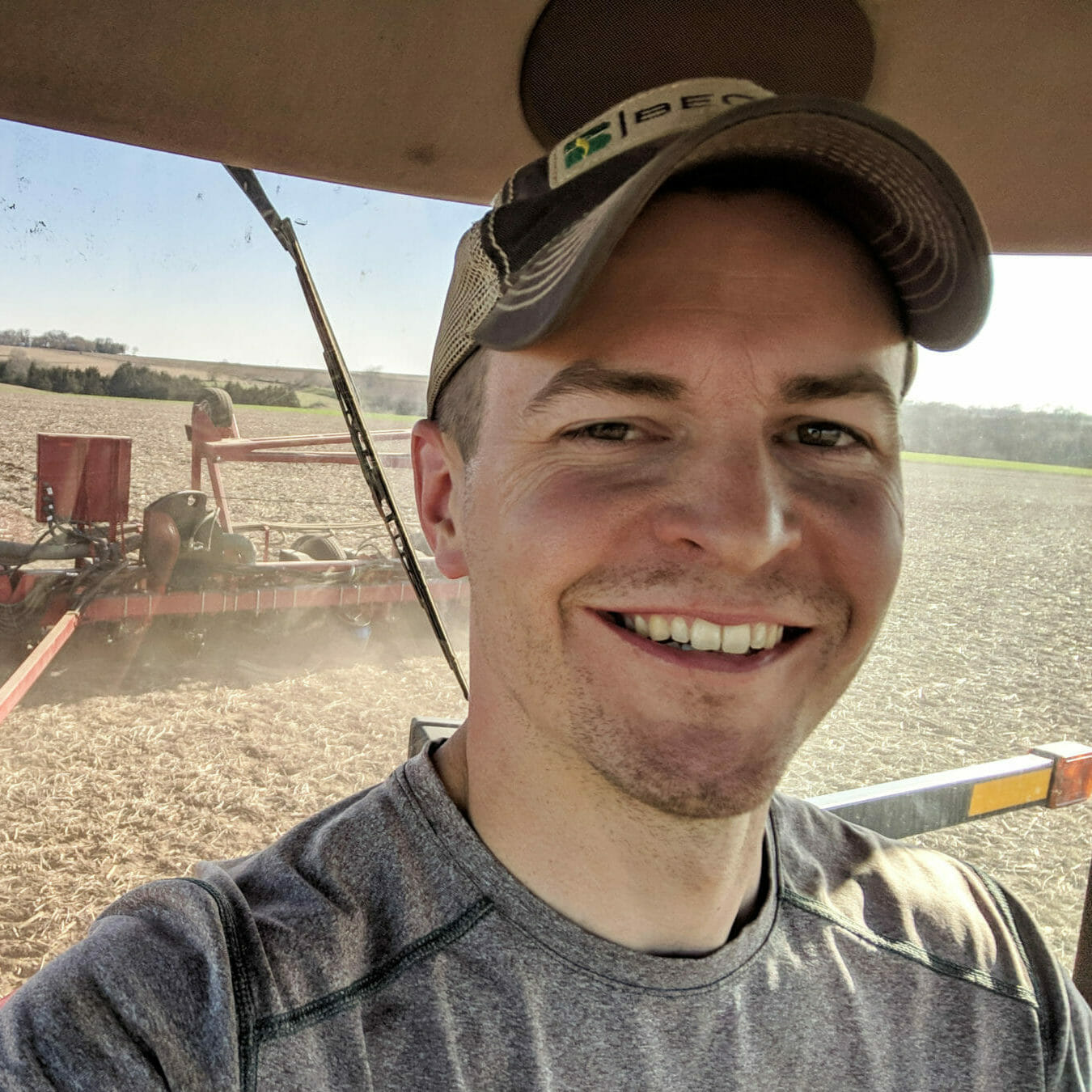
“I hope my research site, combined with other farmer-cooperator sites and our collective results, can reform the narrative around nitrogen fertilization and use for the benefit of farmers and the environment.”
Want to Get Involved? Sign up Today!
Do you want to test nitrogen use on your farm?
We're looking for corn farmers in Illinois, Iowa, Minnesota, Missouri and Nebraska. Eligible fields will have at least a five-year history of soil health practices (cover crops, diverse rotations, integrated grazing, reduced tillage, etc.).What's Involved?
The trial involves eight treatment strips that are about 2 acres each. Four strips (~8 acres) will receive your typical fertilizer rate, and four strips (~8 acres) will receive the reduced rate. Total trial footprint: ~16 acresWhy Participate?
- You'll receive a stipend for completing the trial.
- You'll learn more about fertilizer use in corn on your farm.
- You will contribute vital data to a broader effort by PFI and partners to gauge risk associated with reducing N fertilizer.