Articles

Small Grains Afford Cover Crop Options and Benefits

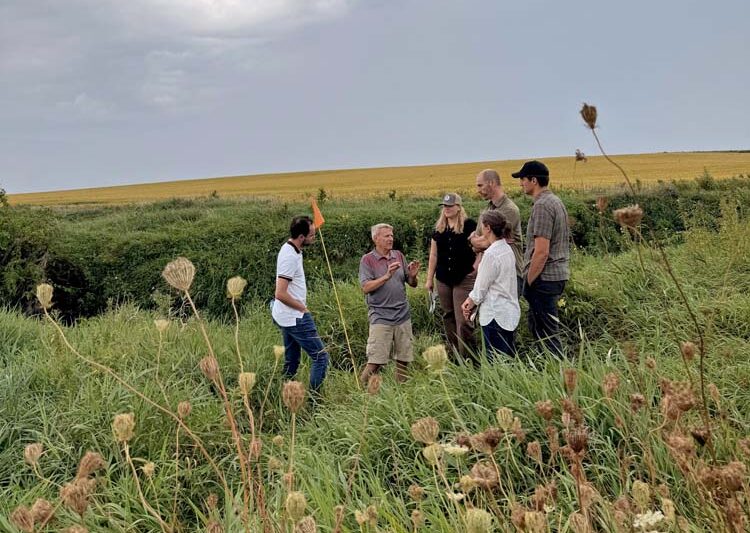
Because small-grains crops like wheat or oats are harvested in mid-summer, farmers have a wide window before winter arrives to consider a panoply of cover crop options. Noah Wendt and Caleb Akin farm together near Cambridge in central Iowa. Among other reasons, they use small-grains crops in their rotation to facilitate cover crop mixes that can be used as high-quality forage for grazing cattle while boosting soil fertility.

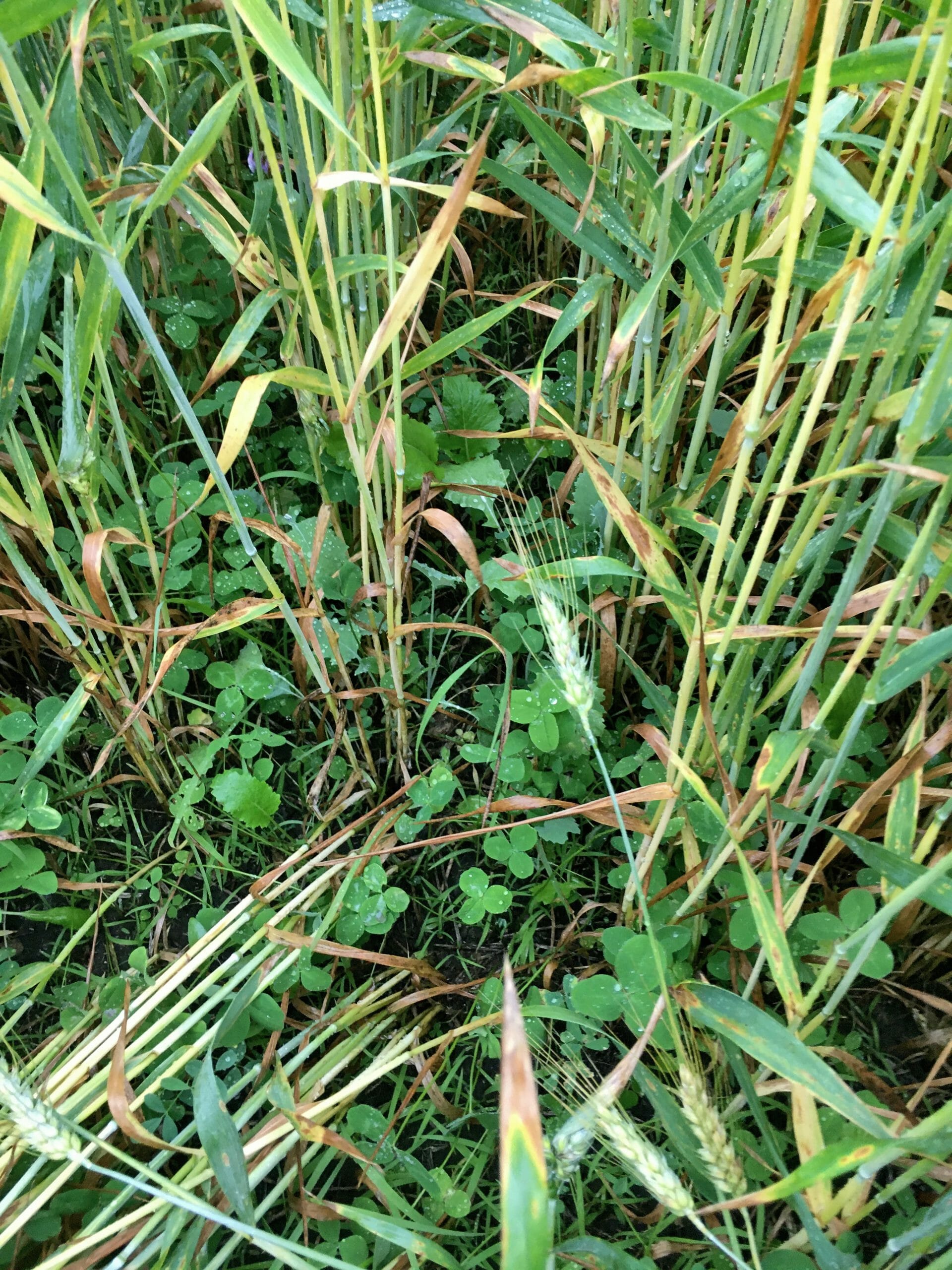
IMG 5209
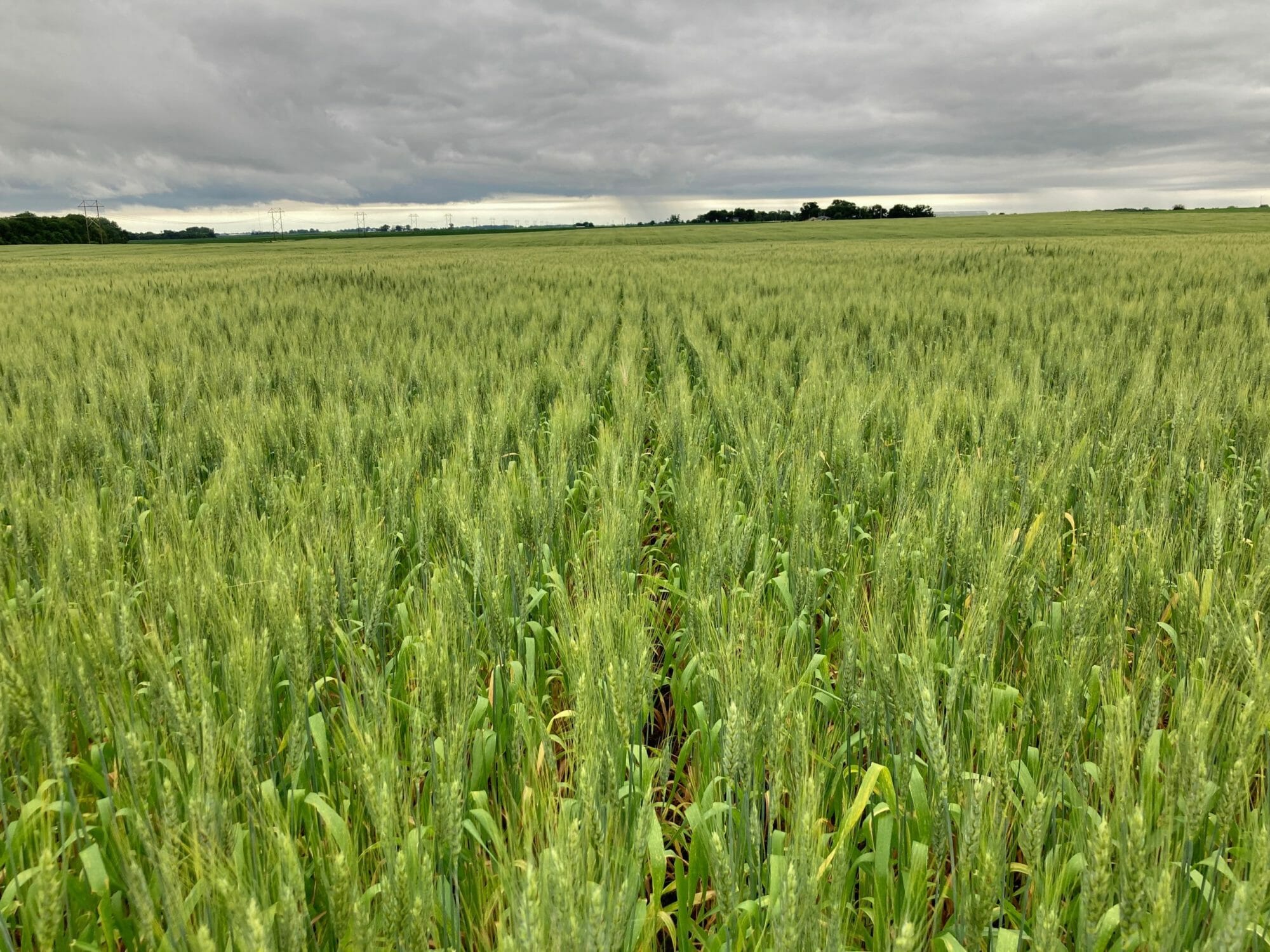
June 20, 2020: Winter wheat that was planted on Oct. 15, 2019.
IMG 5211
June 20, 2020: A mix of vernal alfalfa, medium red clover, rapeseed, hairy vetch, sorghum-sudangrass, turnips and kale was underseeded to the wheat on Apr. 6, 2020.
  13 WWheat underseedingSeptgrazing AkinWendt
13a WWheat underseedingSeptgrazing AkinWendt
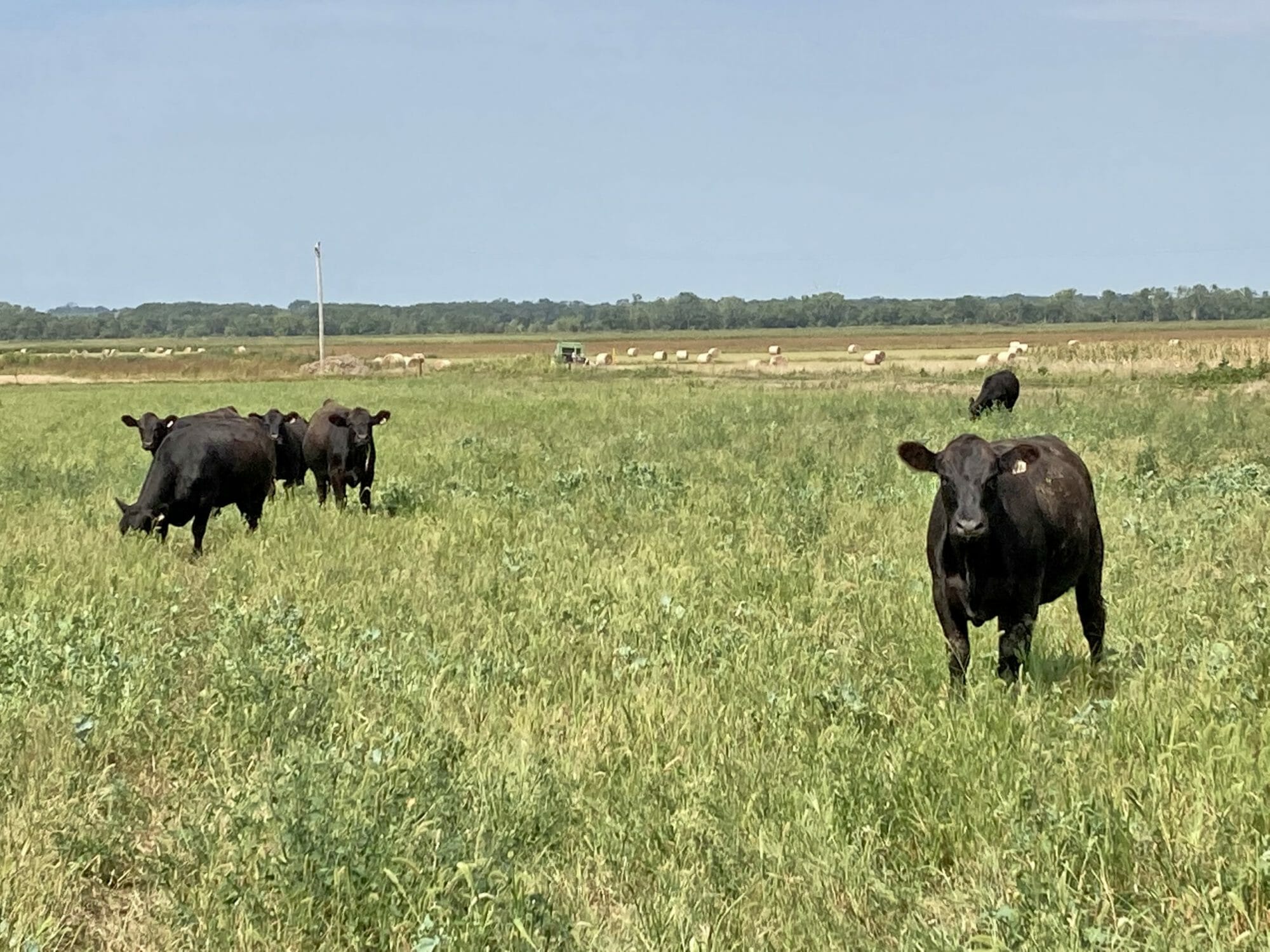
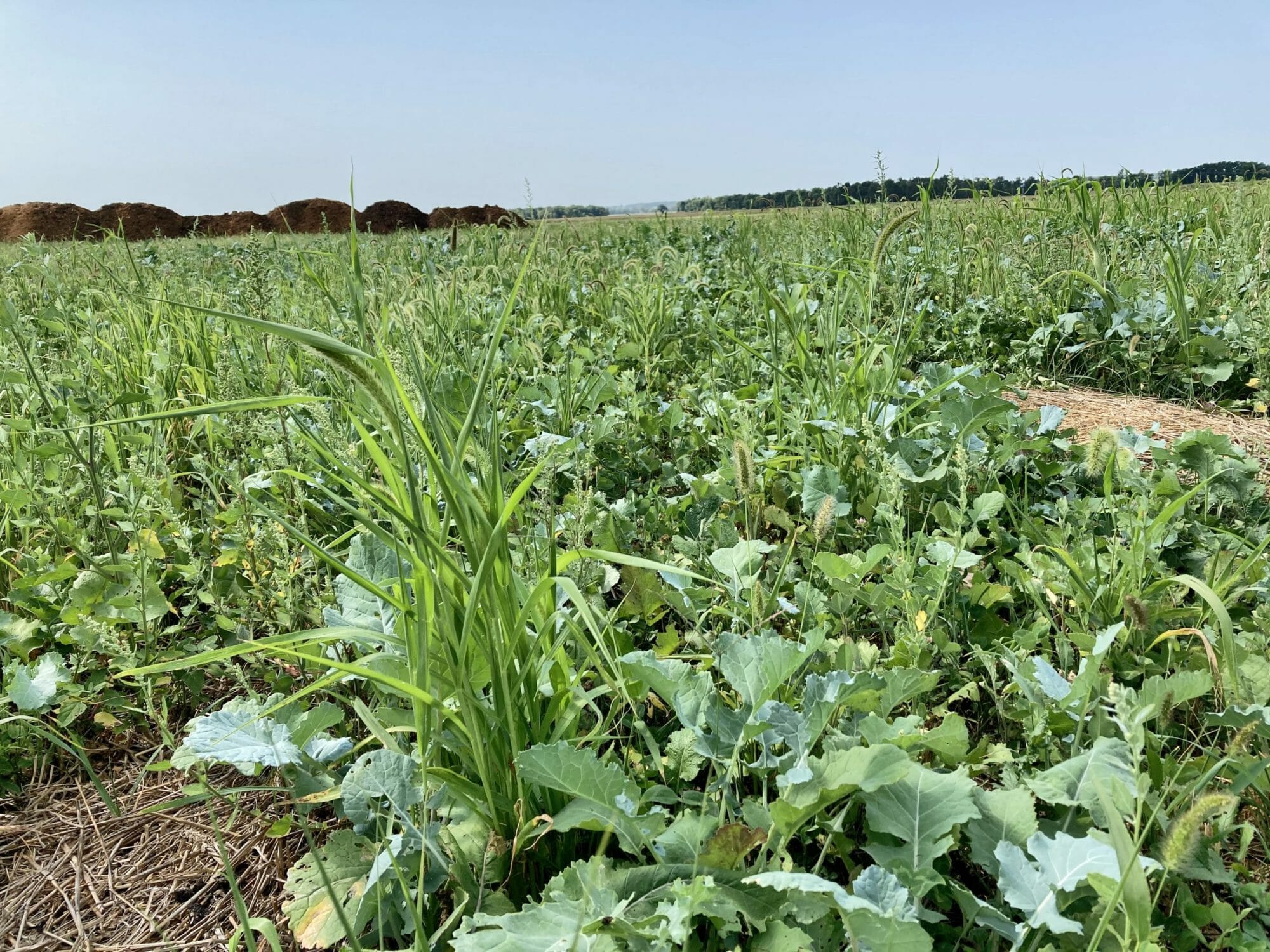
This picture and the one above: Aug. 28, 2020: Cattle graze the underseeded mix that grew up following wheat harvest on July 7, 2020.
IMG 0832
June 20, 2020: Spring wheat that was planted on Apr. 18, 2020.
22 SWheat coseeding AkinWendt
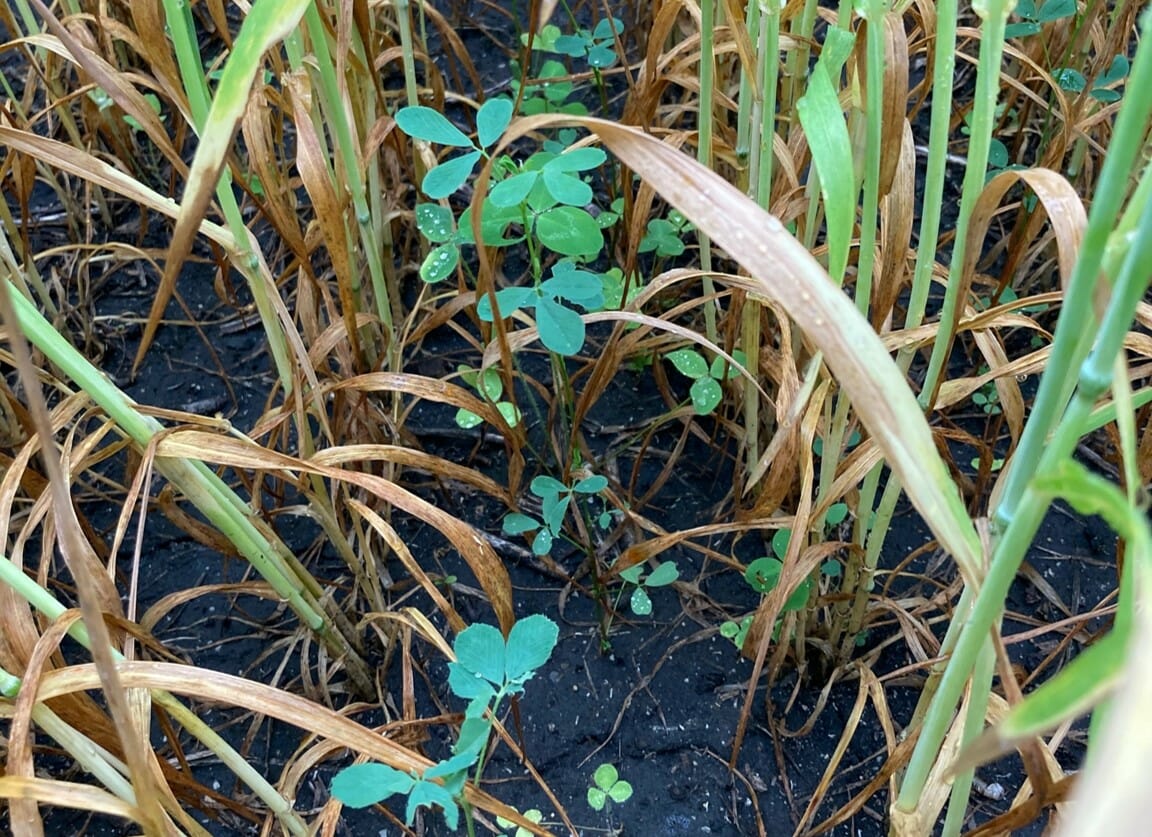
June 20, 2020: Vernal alfalfa and medium red clover were co-seeded with the spring wheat.
  02.Wendt Akin BumbleBee Sept2020
Wendt Akin CloverField Sept2020
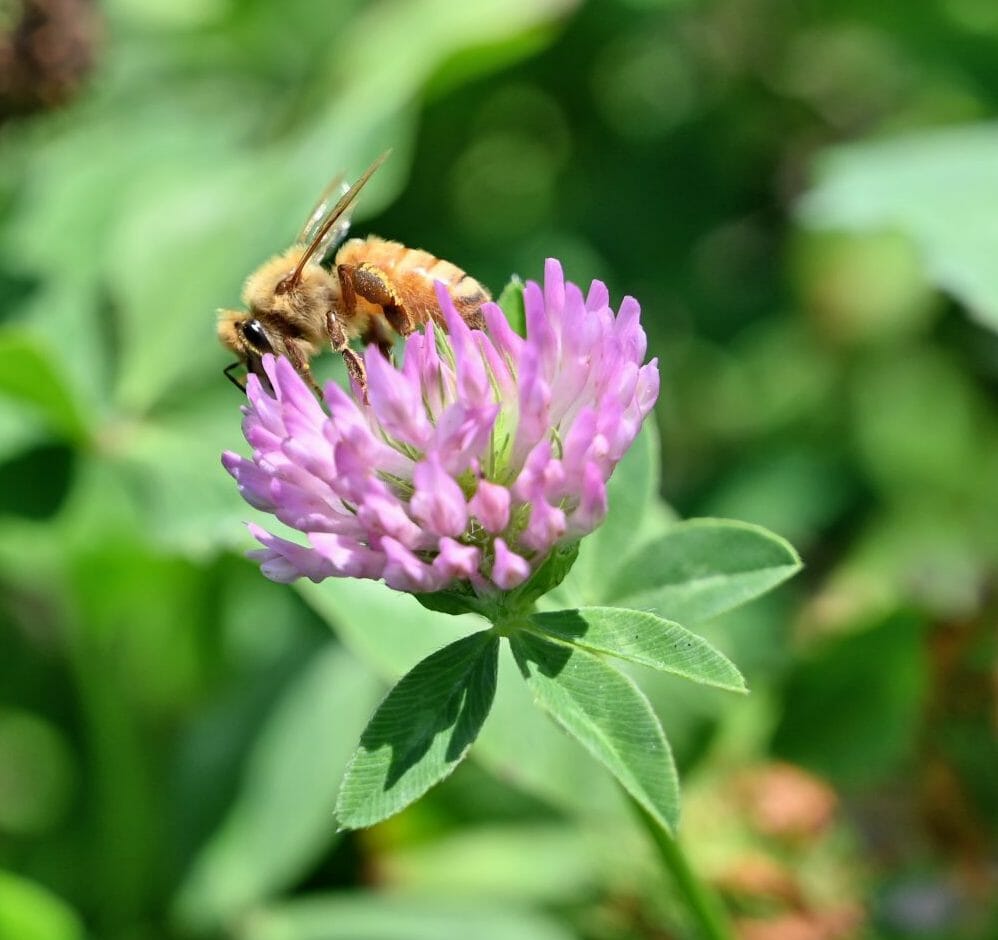
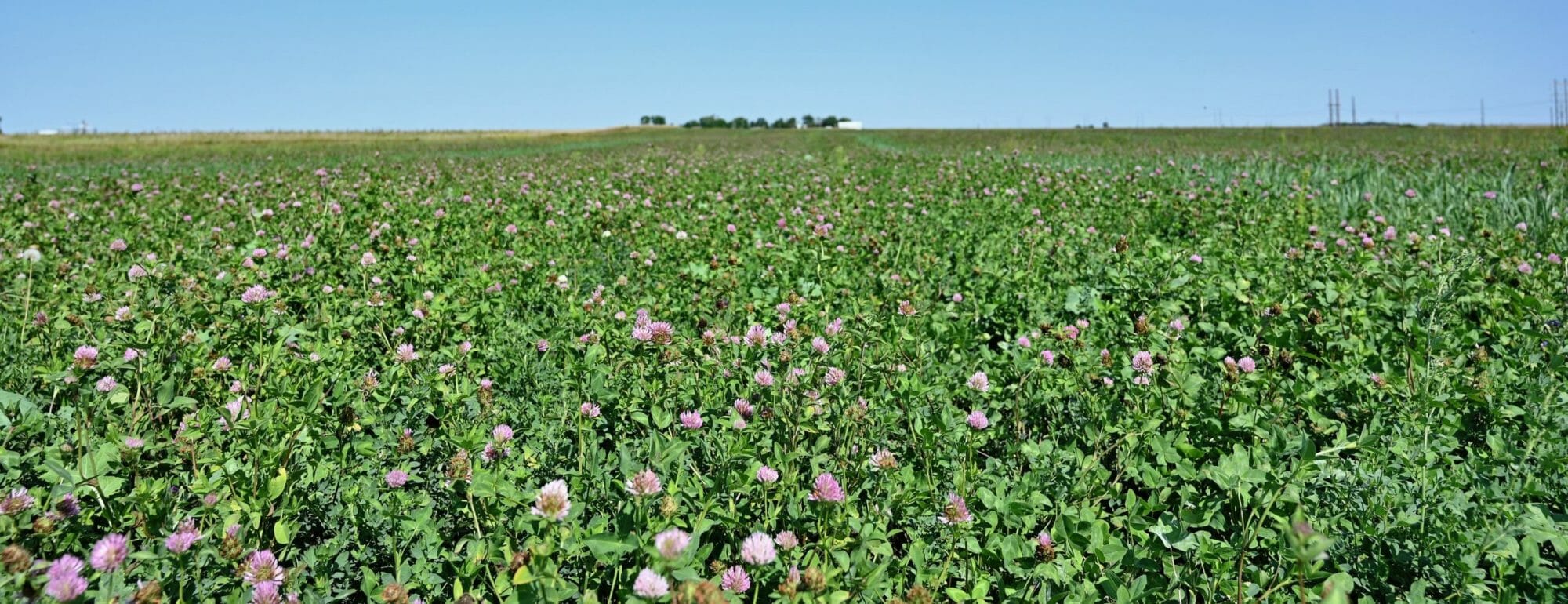
This image and the one above it: Sept. 15, 2020: The alfalfa and clover are both legumes that fix nitrogen from the atmosphere with the help of soil bacteria. After wheat harvest on July 20, 2020, Noah and Caleb chose not to allow cattle to graze these cover crops. Instead, Noah and Caleb are letting the alfalfa and clover grow as a green manure cover crop to boost soil fertility – they're estimating a nitrogen credit of 80–100 units for next year's corn crop. The pollinators enjoy the clover blooms, too!