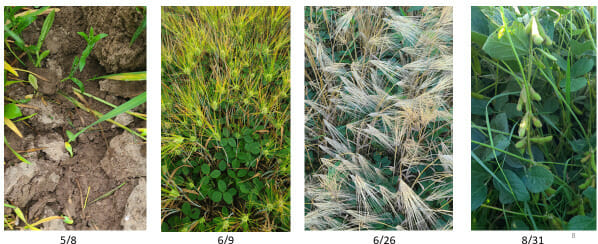

Why Fall-planted Barley?
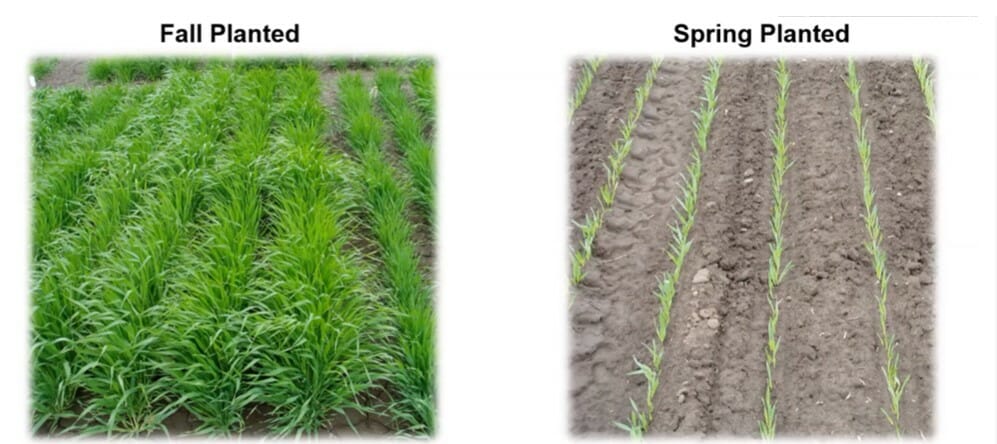
One might opt to grow winter barley instead of spring barley for many reasons. Planting in the fall means there is no chance of spring planting delays. Having a winter crop reduces soil erosion, suppresses weeds, and improves water quality and soil nitrate use efficiency.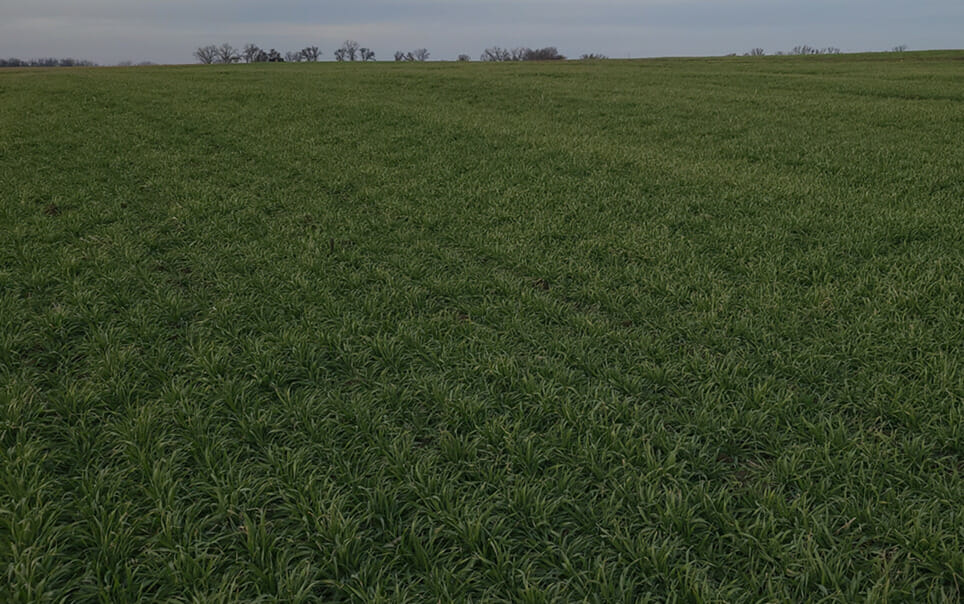
Winter-kill Still a Challenge for Barley

1. Select a Winter Barley Variety That Suits Your Goals
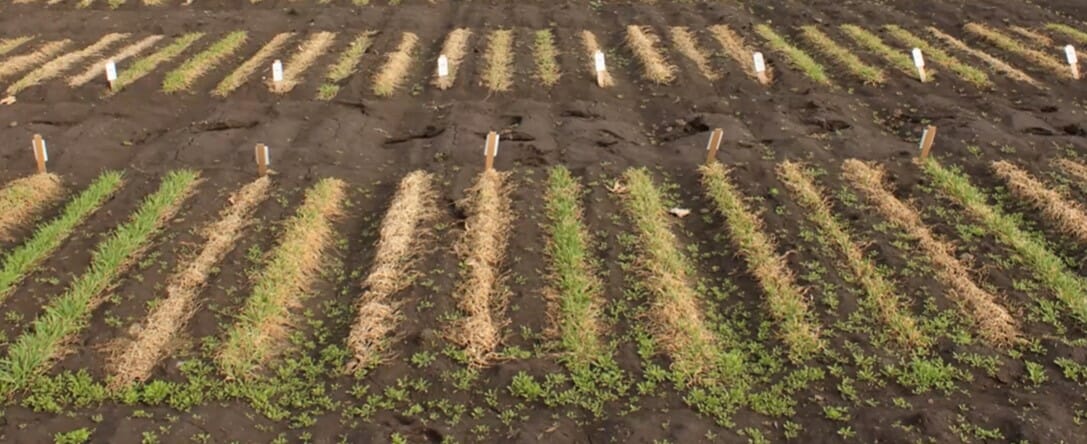
Your winter barley variety should meet your market specs and come close to your grain and straw yield expectations. Resistance to lodging and disease are also helpful traits. University of Minnesota's Barley Variety Trails webpage could be a helpful resource for selecting spring barley; UMN hopes to add winter barley varieties in the next few years. Last fall Chis planted two winter varieties: SB151 from Albert Lea Seed and Thoroughbred from Virginia Tech. Here are some observations of those varieties on his farm.
2. Plant Deep, Plant Early for Reduced Risk of Winter-kill
3. Think through Fertility and Crop Protectants
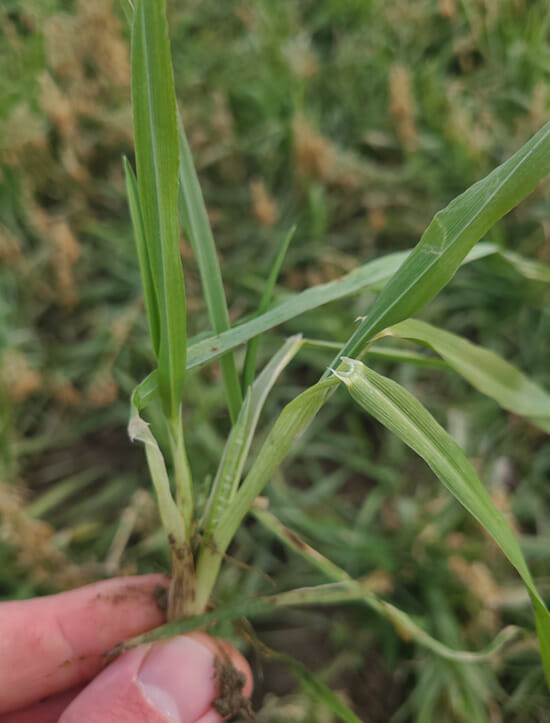
Soil P and K levels are sufficient on the Wilsons' farm due to their dairy manure, so Chris did not apply supplemental nutrients for the barley. Nor is he adding a nitrogen source beyond the nitrogen reserves in the rotation; he estimates that he had around 130 lbs./acre N available to the barley crop from his earlier alfalfa crop, dairy manure and the nitrogen released from the soil. Chris doesn't want to over-supply nitrogen, given the lodging risk of excess N. Kevin also recommends sticking to the lower side of N rate recommendations if raising barley for malting since it is crucial to keep the protein levels low.
4. Double Crop with Soybeans?