

Ahead of the official annual conference festivities, we are pleased to offer four “short courses.” Short courses are in-depth explorations of a specific topic that our members have expressed interest in learning more about. A short course is a unique opportunity to expand your conference learning experience and gain more detailed knowledge about topics that interest you.
Because space is often limited for short courses, preregistration is strongly encouraged, and short course attendance is charged per person.
This year's short courses include:
- Nitrogen Management Strategies
- Establishing Successful Forestry Practices: The First Five Years
- Perennial Horticulture
- Commercial Targeted Grazing 101
Registration
Preregister by Dec. 23. Walk-in registration will also be available at the event.
| Preregistration | Walk-In Registration | |
|---|---|---|
| PFI Members | $70 | $100 |
| Nonmembers | $145 | $175 |
Short Courses
Nitrogen Management Strategies
Nitrogen management is a perennial topic in Iowa agriculture, from overall reduction to preventing nutrients from moving off the farm and into waterways. In this short course, take a deep dive into counting nitrogen sources, precision application, long-term nitrogen reduction projects and mitigation strategies for whole-farm nitrogen loss. Hear from farmers, PFI staff and researchers about nitrogen management strategies and take part in activities designed to help you make decisions for your farm.
Session 1: Identifying Your Farm's Nitrogen Sources and Credits
Speakers: Rick Hartmann and Dan Miller
Nitrogen comes in many forms, combinations and availability to crops. Rick Hartmann, PFI's crop nutrition coordinator, will walk farmer Dan Miller through the process of counting his farm's nitrogen sources and calculating the credits for each. You'll then have the opportunity to engage in the process by filling in a worksheet with information from your farm to identify and calculate your own nitrogen credits.
Session 2: Fine-Tuning Nitrogen Applications
Speakers: Clay Govier, Tim Keegan and Ben Storm
There are many ways to apply nitrogen on a farm. The timing and method of application, and the product applied, can lead to varying impacts on the crop. Weather conditions and field and soil variations also influence if nitrogen is needed, and how effective it'll be. Tim, Clay and Ben will share how they optimize their nitrogen use and reduce unnecessary costs. Come hear how they're fine-tuning their applications using data collection, observation and technology.
Session 3: Reducing Nitrogen With Support From PFI
Speakers: Stefan Gailans and Chelsea Ferrie
Practical Farmers of Iowa offers several opportunities for farmers to access financial and technical support for reducing nitrogen applications. Chelsea Ferrie will share the latest updates on PFI's nitrogen-focused cost-share programs. Stefan Gailans will give an overview of the ongoing PFI on-farm research trial "Can We Reduce N Rates and Improve ROI?" He'll share results and helpful insights gained from participating farmers.
Session 4: Managing Farm Fertility Without Synthetic Inputs
Speakers: Kevin Prevo and Torray Wilson
As concerns about fertilizer supply chains linger, many farmers are looking to further reduce their use of synthetic fertilizer or eliminate it altogether. Kevin Prevo will share how he has removed synthetic fertilizers from his farm and fine-tuned his manure application with help from PFI's research trials. Torray Wilson, an organic farmer, will offer his perspectives on cropping rotation, rotational grazing and composting to meet his farm's fertility needs.
Session 5: Grasping the Complexity of Potential Solutions to Iowa’s Nitrate Challenge
Speakers: Daniel S. Andersen, Matthew J. Helmers and D. Raj Raman
Iowa's nitrate problem is complex. Efforts to address it are hampered by technical and economic barriers. Various mitigation practices can be costly, and have their own impacts. Hear findings from an ongoing effort to develop key performance indicators to characterize in-field, edge-of-field or land-use-change approaches. Dan, Matt and Raj will estimate KPIs for nitrate-reduction practices – including cover crops, bioreactors and land in the Conservation Reserve Program – and discuss the implications.
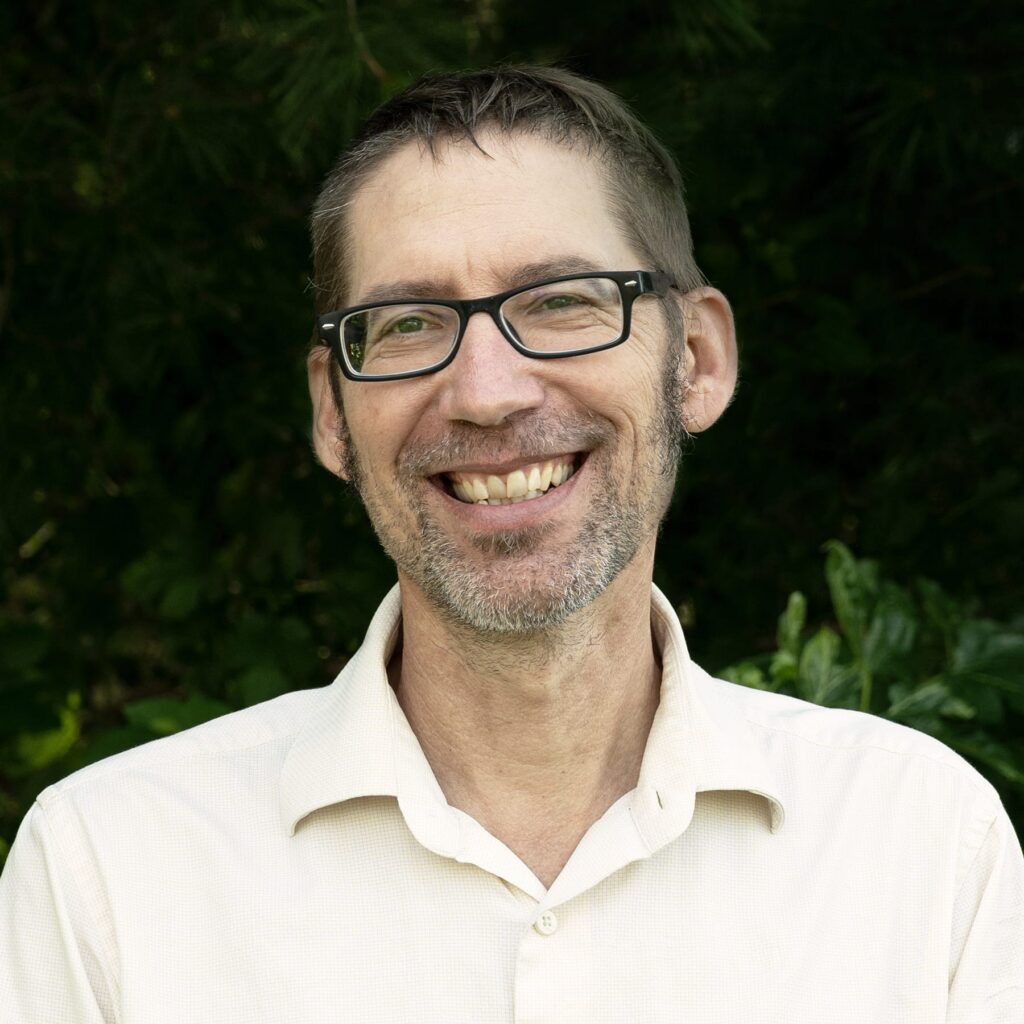
Rick Hartmann is a crop nutrition coordinator with Practical Farmers of Iowa. In this position, he offers technical assistance to farmers involved in PFI's N Rate Risk Protection Program and cost-share programs. He previously ran a small-scale vegetable farm and inspected organic operations.
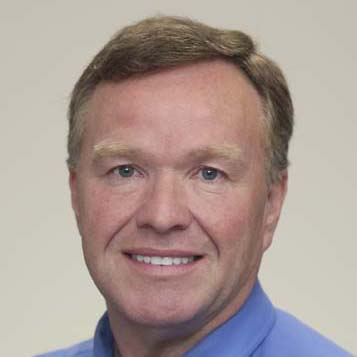
Dan Miller operates Valley Angus Farm in Spring Valley, Minnesota, producing organic and non-organic corn, oats, soybeans, alfalfa and rotationally grazed cattle. He also works as a farm business management consultant through Valley Farm Management, LLC.
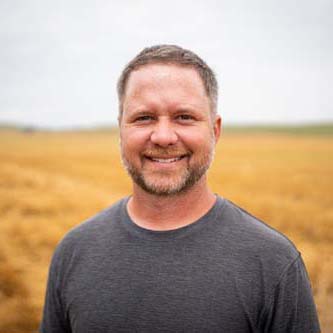
Clay Govier is a fifth-generation farmer at Govier Farms near Broken Bow, Nebraska. He has helped the farm expand to include yellow field peas, cereal rye and alfalfa in addition to corn and soybeans. Clay experiments with various farming methods, cover cropping systems and fertilizers on the farm.
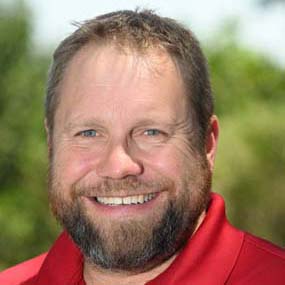
Tim Keegan has an animal science degree from Iowa State University and a master’s degree in swine nutrition from Kansas State University. He began farming in 2009 with his in-laws, becoming a third-generation farmer in Linn County, Iowa. Together, they farm corn and soybeans and have a 150-head cow-calf herd.
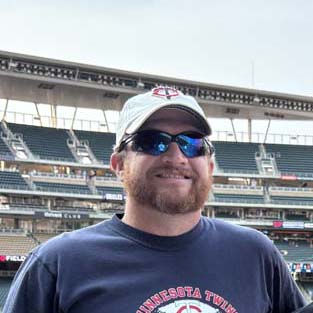
Ben Storm farms with his wife, Natalie, and their four children near Dover, Minnesota. Together, they grow corn and soybeans in a no-till system and are currently adopting more cover crops every year. They also have a small farrow-to-finish swine herd.
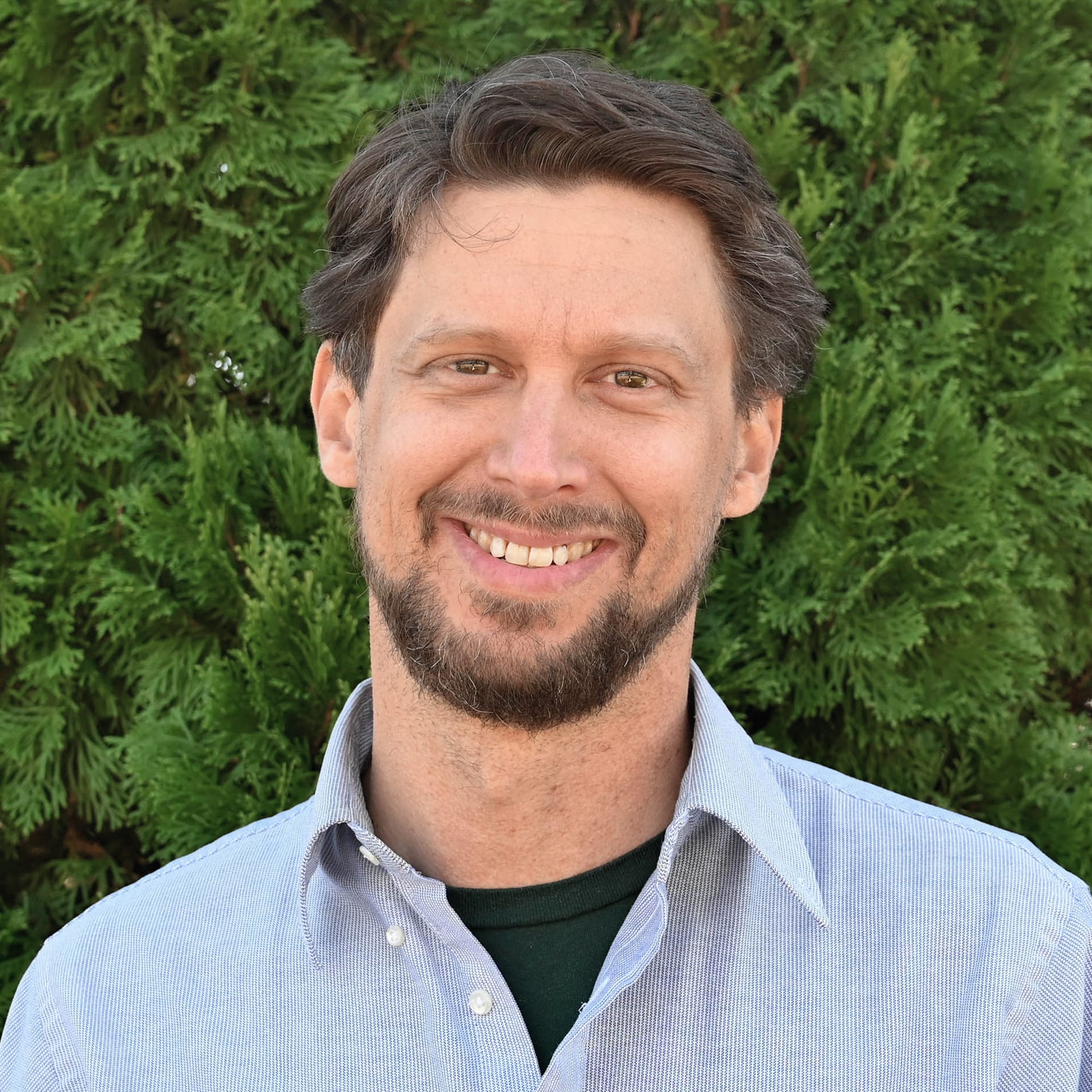
Stefan Gailans is the research director at Practical Farmers of Iowa. He leads the Cooperators’ Program, which empowers farmers to generate and share knowledge through farmer-led research. Stefan has helped farmers conduct scientific inquiry in over 700 on-farm research trials since 2013.
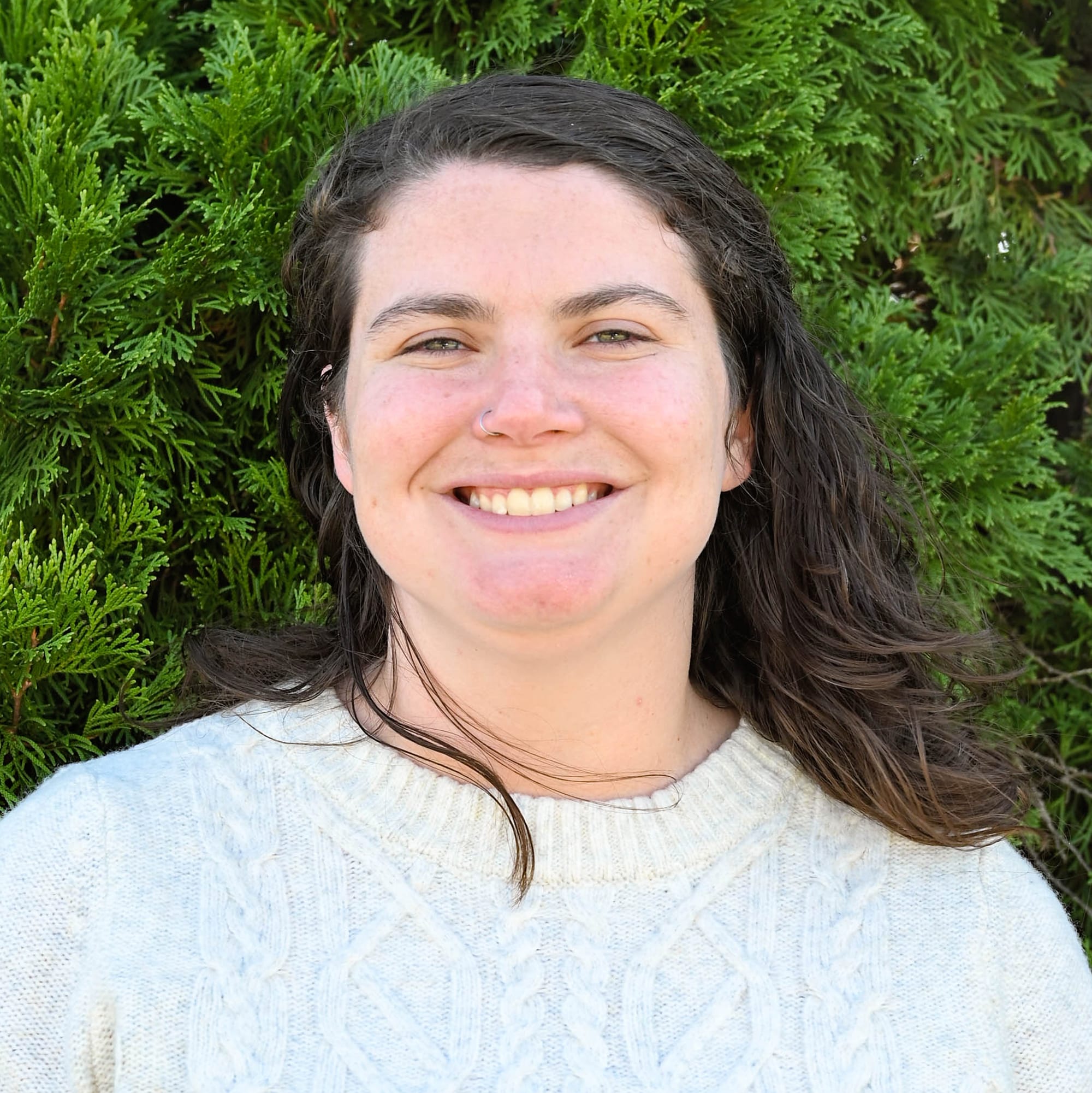
Chelsea Ferrie serves as the crop nutrition systems manager for Practical Farmers of Iowa. In this role, she leads the team assisting farmers with PFI's cost-share programs related to fertilizer management, including the N Rate Risk Protection Program.
Kevin Prevo is a fifth-generation farmer who farms near Bloomfield, Iowa, alongside his parents, two brothers and their families. Together, they raise corn, soybeans, rye, straw, cattle and hogs on 1,400 acres. They have been 100% no-till and integrating cover crops since 2014.
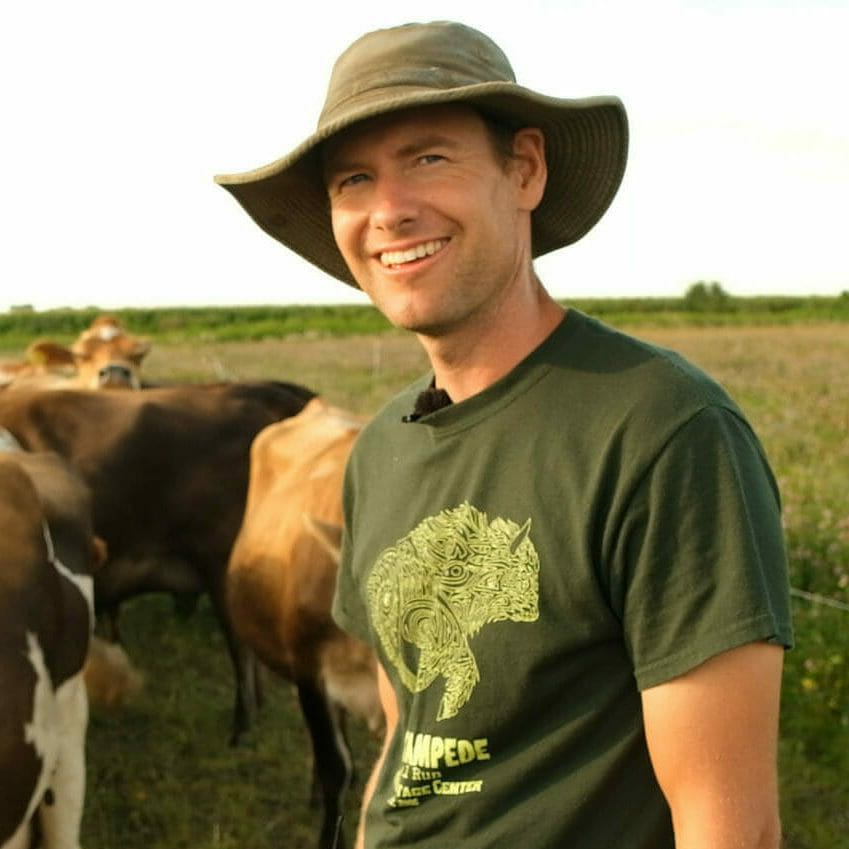
Torray Wilson and his wife, Erin Wilson, are part of Seven W Farm, a 660-acre diversified organic farm. Each branch of the family focuses on a different enterprise. Torray and Erin operate the grass-based dairy, selling milk to Organic Valley. Torray also helps with row cropping and nutrient management.
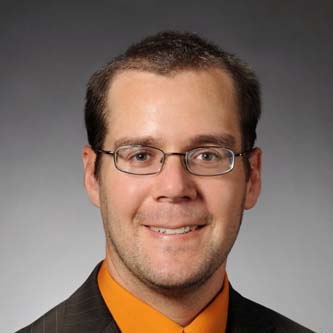
Daniel S. Andersen is a professor and extension specialist in the Department of Agricultural and Biosystems Engineering at ISU. His work focuses on manure management, nutrient cycling, livestock systems and the practical integration of manure into sustainable crop production systems.
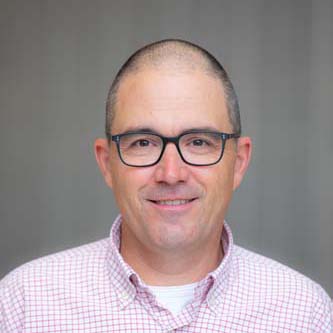
Matthew J. Helmers is the director of the Iowa Nutrient Research Center and a professor in the Department of Agricultural and Biosystems Engineering at ISU. He also served as the nitrogen science team lead on the Iowa Nutrient Reduction Strategy Science Assessment.
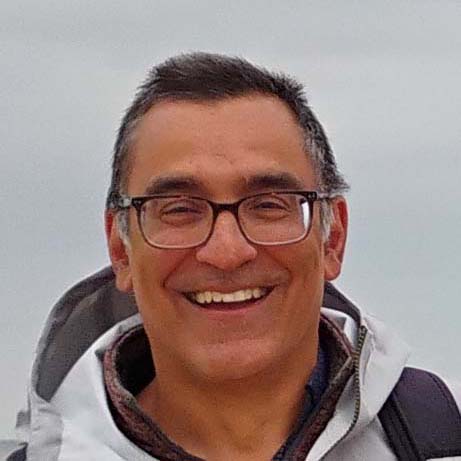
D. Raj Raman is a Morrill professor of agricultural and biosystems engineering at ISU and director of RegenPGC, a USDA-funded project focused on perennial ground cover systems. He is also a member of Iowa State's College of Agriculture and Life Sciences Nutrient Management Work Group.
Woodland Stewardship: Forestry Practices for a Healthy and Resilient Landscape
Setting realistic goals for woodland restoration is key to managing forests for biodiversity and resilient habitat on Midwestern farms. This course covers evidence-based approaches to selecting species, planting and establishing trees, early stand maintenance and planting for structural biodiversity. Come learn about practices – and their corresponding funding opportunities – that enhance forest health, regeneration and water quality while creating healthy habitat.
Session 1: Establishing Successful Forestry Practices: The First Five Years
Speaker: David Lubben
Establishing a woodland is a long-term investment, but success is determined in the first few years. Learn what to expect during the critical first five years of the process, from selecting the right tree species to planting techniques and early maintenance. We'll explore the methods for choosing between bare root stock and seedlings. We'll also discuss tree tubes, watering, understory and grass management and determining staggered planting times The goal is to ensure a successful and resilient woodland.
Session 2: Principles of Woodland Management for Optimal Biodiversity
Speaker: Emma Kerns
Woodlands can be one of the most valuable conservation assets on a farm when managed with intention. This session explores practical woodland management strategies to improve forest health, resilience and long-term function while supporting wildlife. Learn how improving forest stands, thinning, controlling invasive species and maintaining species and structural diversity contribute to healthier woodlands and diverse wildlife habitat.
Session 3: Case Study: Addressing Stream Bank Erosion Through Riparian Forest Restoration
Speakers: Lindsey Barney and Stephen (Steve) Lind
Since 2020, Stephen Lind has been addressing a creek erosion challenge on his farm through a Conservation Reserve Program riparian forest buffer. The project has included fencing, building a pond and well, and planting native trees such as cottonwoods, sycamores, walnuts and oaks. Lindsey Barney of the Iowa Department of Natural Resources will discuss the technical support behind the project, including mapping and soil analysis as well as site planning.
Session 4: Early Successional Forest and Timber Harvesting for Habitat
Speaker: Emma Kerns
Many of Iowa's oak woodlands are aging, with few young oaks replacing them. Explore how woodland management and sustainable timber harvest work together to improve forest health, regenerate shade-intolerant oaks and create the early successional habitat wildlife needs. Learn how practices like stand thinning, clear-cuts, patch cuts and selective harvests influence forest structure, food, cover, nesting and edge-of-field habitat. Together, these practices help woodland owners strengthen biodiversity across the broader landscape.
Session 5: Setting Realistic Goals in Woodland Restoration: Forestry Practices for the Farm and Landscape
Speakers: Lindsey Barney and Stephen (Steve) Lind
Site suitability and financial considerations are critical when integrating trees for economic and habitat benefits. Lindsey Barney and Stephen Lind will examine riparian buffers, cattle windbreaks, snow fences and shelterbelts. Lindsey will highlight available funding options, timelines and potential outcomes to help landowners evaluate practices aligned with their objectives.
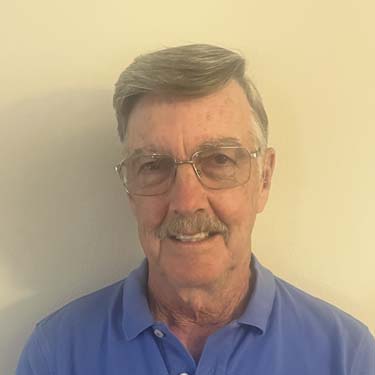
David Lubben and his family operate a diversified crop and livestock operation in Monticello, Iowa. The operation consists of a beef cow herd and feedlot along with corn, soybeans and hay. Over the last four years, David has planted about 400 trees to restore critical forest habitat.
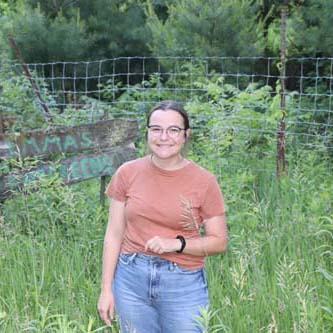
Emma Kerns is the northeast Iowa forestry field specialist for ISU Extension and Outreach. In her role, she works across seven counties in the Driftless Region providing technical support to woodland stewards and professionals in the forest industry. Emma aims to enhance active forest management and promote sustainable practices that help improve ecosystems, the economy and local communities.
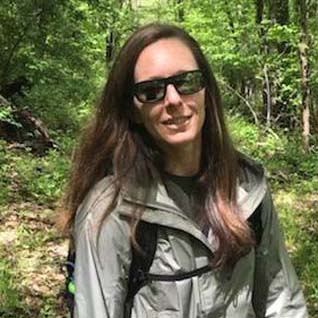
Lindsey Barney is a native southern Iowan and 2007 Iowa State graduate with degrees in animal ecology and forestry. She has been a district forester for southwest Iowa with the Iowa DNR since 2010. In this role, Lindsey has helped landowners with forest management and health, and with conservation planning. She also administers forestry activities on state wildlife management areas in the region.
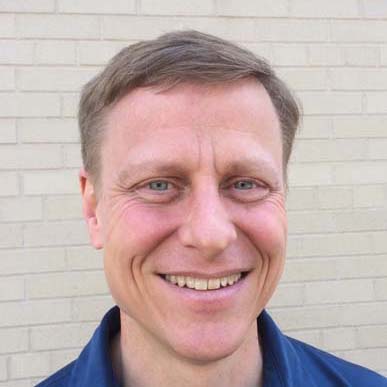
Stephen (Steve) Lind is a retired engineer who manages his family farm near Clarinda, Iowa. He grew up with this farm as a central part of his life, and from his parents learned to love the land and its care. He is actively passing that love on to his children and grandchildren, nieces and nephews. Steve currently lives in Onalaska, Wisconsin.
Perennial Horticulture
Perennial horticulture encompasses a broad range of plants and systems for growing them. This short course will focus on growing perennial fruit and nut crops in Iowa. Attendees will also take part in a roundtable to discuss barriers to implementing perennial horticulture and opportunities for market development.
In this full-day short course, you'll learn:
- Models for growing perennial plants, from monoculture orchards to diverse agroforestry systems
- What perennial plants are right for particular systems and how to start trees from seed
- Long-term farm planning for crops that take five-plus years to mature
Session 1: Models for Perennial Horticulture
Speaker: Katie Hochstedler
Perennial horticulture is a broad topic that covers a large range of plants and ways of growing them. In this session, Katie will discuss different models for perennial farm management, from monocrop orchards to diverse integrated agroforestry systems. Learn about differences in management practices and what might be best for you and the plants you want to grow.
Session 2: Perennial Selection: Which Perennials Are Right for You?
Speakers: Tom Wahl and Kathy Dice
When choosing perennial plants, you have many options – and each has varying attributes, markets and management needs. Tom and Kathy have many years of experience in perennial horticulture and agroforestry. In this session, they'll explain how to pick the right perennial plants for your system and site. They will also discuss potential markets and pitfalls for various fruits and nuts.
Session 3: Long-Term Farm Planning: Waiting for Trees To Grow
Speaker: Meredith Nunnikhoven
Planning a business focused on perennial production, particularly trees such as chestnuts, takes a different approach than annual production. Learn how Meredith is planning her business long-term using diversified revenue streams to support her current needs and build her future market. Meredith will also discuss how she managed to get started and what she would have done differently.
Session 4: Starting Quality Trees From Seed
Speaker: Elana Gingerich
Buying trees can be a big expense when starting or managing a perennial-focused farm. Growing trees from seeds can reduce startup costs while adding a potential revenue source. In this session, Elana will talk about best management practices for growing trees such as chestnuts, pawpaws and more from seeds for long-term tree health. She will also touch on how some perennial plants can be directly seeded.
Session 5: ROUNDTABLE: Opportunities, Barriers and More
Speakers: Tom Wahl and Kathy Dice
In this roundtable session, you'll be able to continue discussions that came up throughout the day and ask new questions. You'll also have a chance to discuss market opportunities and barriers to successful perennial horticulture businesses in the region. Tom Wahl and Kathy Dice have 40 years of experience in the industry, and will guide the conversation.
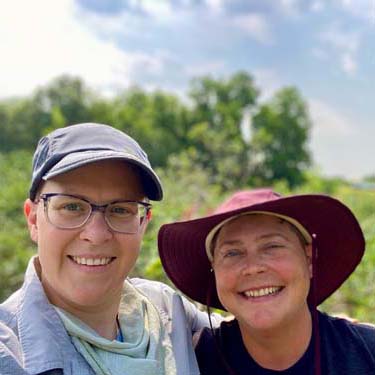
Katie Hochstedler is a recovering vegetable farmer transitioning to perennials. In 2025, she and her wife, Nicki, moved to Riverside, Iowa, and launched HartWood, where they planted their first trees and berries. Katie is also the Iowa Agroforestry Farm Network coordinator for the Savanna Institute.
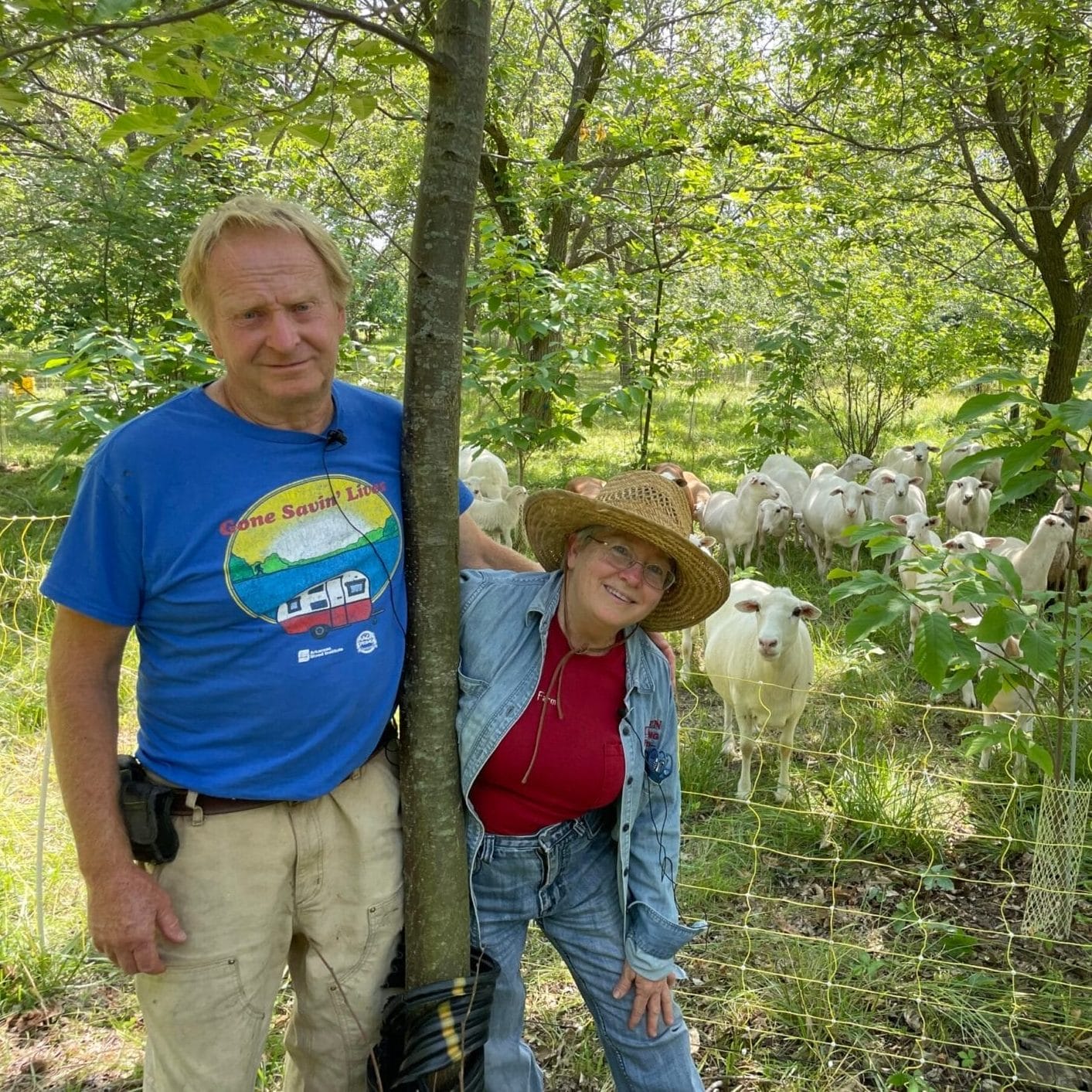
Tom Wahl and Kathy Dice launched Red Fern Farm near Wapello, Iowa, in 1986 and now grow over 75 species of common and not-so-common fruits and nuts. They are dedicated to educating consumers and growers, researching fruit and nut trees and shrubs, and practicing perennial polyculture at their farm. In addition to their forest-farm products, available through you-pick, they raise hair sheep, which they rotate throughout their farm. Tom and Kathy are lifetime members of PFI and recipients of PFI’s 2015 Sustainable Agriculture Achievement Award.
In 2018, Meredith Nunnikhoven established Barnswallow Flowers near Oskaloosa, Iowa. Following a career in the film industry, Meredith came home to reengage with the family farm in a way that feeds her passions, reflects her environmental ethics and exercises her artistic creativity, supported by strategic thinking.
Elana Gingerich operates Olivia’s Orchard, a 40-acre farm near Parnell, Iowa, with over 10 acres of chestnut trees. Beef cattle play a crucial role on the farm: They are rotationally grazed to manage pasture and timber. Elana also operates a nursery supplying chestnut and pawpaw trees.
Commercial Targeted Grazing 101
Targeted grazing with goats and sheep is a rewarding but surprisingly complex business. In this course, grazing pros from Goats On The Go will provide an essential foundation for those considering their own startup. They'll discuss customer motivations, goat and sheep selection, vegetation impact, economics and on-the-ground details. Attendees will benefit from a real-world project case study and an honest look at the realities of the business.
Session 1: Commercial Targeted Grazing Overview
Speaker: Aaron Steele
Before diving deeper, this first session will be a high-level flyover of commercial targeted grazing. You'll learn what makes it "targeted" and how it differs from typical on-farm grazing. We'll discuss how you can identify customers and understand their motivations. We'll also cover the merits of goats versus sheep; discuss breeds and types; and explore how grazing impacts vegetation depending on type and season.
Session 2: Targeted Grazing on the Ground
Speaker: Aaron Steele
In this session, Aaron will lay out the how-tos of commercial targeted grazing. He’ll cover practical strategies and logistics for day-to-day operating. You'll hear about stocking rates for maximizing efficiency, as well as water, fencing and recommended equipment. You'll also learn about dealing with risks (predators, people, weather, health) and what it takes to become a targeted grazing professional.
Session 3: Virtual Fence for Targeted Grazing
Speaker: Stephen Paul
New technology is changing the way targeted graziers can operate. Virtual fencing opens up new opportunities, and some challenges, that are important to recognize. In this session, Stephen will give a primer on virtual fence and its application to commercial targeted grazing. He’ll share his experience using a case study on a U.S. Environmental Protection Agency site near Raleigh-Durham, North Carolina, as the backdrop.
Session 4: Targeted Grazing Economics
Speaker: Aaron Steele
To be sustainable as a targeted grazier, you need more than hard work and livestock. You need to be profitable and know the numbers. In this session, Aaron will give an overview of the economic factors affecting the success of a targeted grazing business. He'll discuss the importance of understanding costs, revenue and profit. You'll hear about choosing a pricing structure and market niche. You'll also learn about common pricing mistakes and managing for the realities of a seasonal business.
Session 5: 10 Things I Wish I Knew Before Starting a Goat Grazing Business
Speaker: Stephen Paul
To round off the short course, Stephen will give you an inside look at what being a commercial targeted grazier is like. You'll hear an honest reflection on the journey of one of Goats On The Go’s most successful operators, from bare-bones concept to thriving venture. Now that you understand what goes into the business, you’ll learn how it all comes together and what it could look like for you.
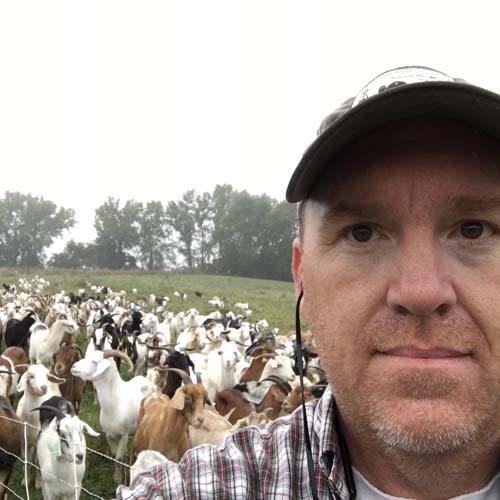
Aaron Steele is the cofounder of Goats On The Go, a national network of targeted grazing service providers that use goats and sheep to sustainably manage vegetation. Goats On The Go offers training, support and community to a network that currently comprises over 70 independent businesses across the U.S. Aaron also raises sheep and goats in a pasture-based operation near Ames, Iowa. He holds a bachelor's degree and MBA from Iowa State University.
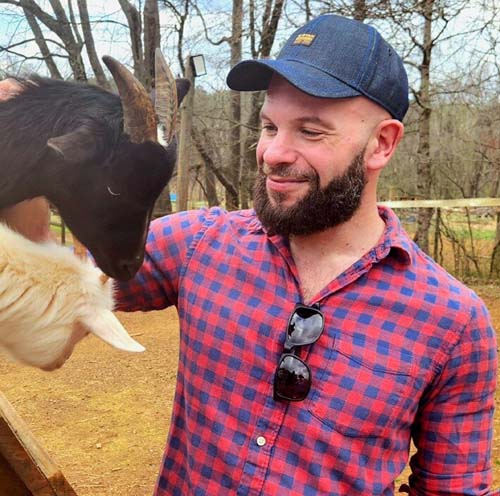
Stephen Paul is from London, England. He first built a 20-plus-year career in technology in London and Melbourne, Australia, before moving to the U.S. to start Goats On The Go Raleigh-Durham in North Carolina. He specializes in targeted grazing and virtual fencing to manage invasive vegetation and overgrown landscapes.