
Wednesday Schedule
Bus Tour
Stops
Stop 1 – Carney Family Farm
Bruce Carney and his wife, Connie, operate Carney Family Farms near Maxwell, Iowa. Located on pastures that once grew corn soybeans, Bruce now focuses on grazing the land as well as extensive conservation efforts. Come hear how Bruce grass-finishes his cattle on annuals and his efforts to establish warm-season native perennials as part of his forage chain. Bruce will talk about how having the right type of cow is important for successful production, and what that cow looks like, as well as the work his daughter does direct-marketing quarters and halves.
Stop 2 - Cory Family Farm
Tom Cory and Mary Cory raise livestock on their farm outside of Elkhart, Iowa. For the last seven years, they’ve been grazing cattle and sheep together in a rotational system. After raising wool sheep and direct-marketing for decades, Tom is trialing a move to hair sheep and now sells them at the sale barn because of the economics. He’ll share the meticulous budgets he has kept over the years that convinced him to make that change. He’ll also show the pastures where his budget allowed him to put in infrastructure without NRCS money. And he’ll share how his grazing system affects the nutrient analysis of his lamb.
Stop 3 – Story City Locker
Ty and Bobbie Gustafson own and operate Story City Locker, an abattoir and artisan butchery business in central Iowa practicing ethical animal harvest and sustainable butchery. On this tour, Ty will walk us through their livestock pens and handling, which follow Temple Grandin’s guidelines and are Animal Welfare Approved by A Greener World. He’ll discuss the locker's processing system, which focuses on one animal at a time. He'll also explain why sanitation is so important in their facility and how they achieve it.
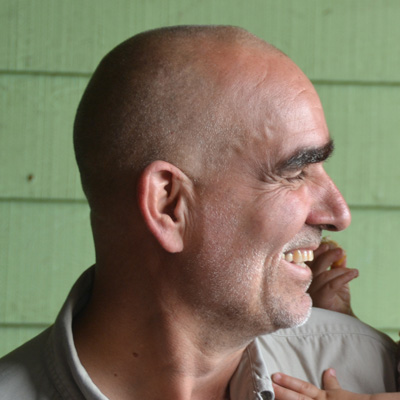
Bruce Carney
Bruce Carney and his wife, Connie, operate Carney Family Farms near Maxwell, Iowa.
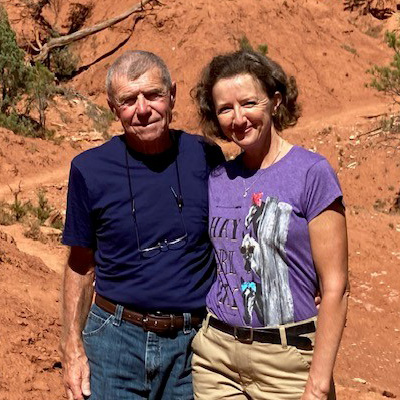
Tom Cory
Tom Cory and Mary Cory raise livestock on their farm outside of Elkhart, Iowa.
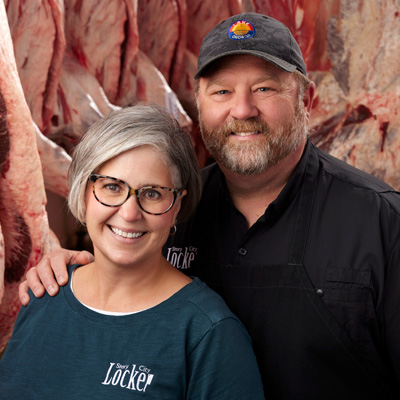
Ty Gustafson
Ty and Bobbie Gustafson own and operate Story City Locker, an abattoir and artisan butchery business in central Iowa practicing ethical animal harvest and sustainable butchery.
Session One
Seasonality, Cash Flow and Coordination: How Farmers and Processors Can Reduce Costs and Stress Together
Seasonality creates real cash‑flow, labor and pricing challenges that quietly drain profitability for both livestock farmers and meat processors. This plenary examines how fall congestion and winter under‑use affect profitability. You'll hear why underpricing is common on both sides and how better coordination around livestock flow, scheduling and pricing can reduce risk and stress while improving business resilience for farms and plants alike.
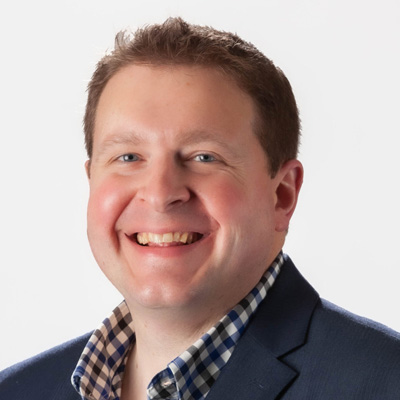
Andy Larson
In his role with the University of Wisconsin's Food Finance Institute, Andy Larson works with small-business owners, like farmers. He loves getting to know his clients in-depth and provide critical consulting in areas key to farm financial and organizational health. Andy's areas of expertise include strategic farm business and marketing planning; farm financial statements and projections; agricultural credit and loan structure; loan guarantees and credit enhancements; farm succession and intergenerational transition; and grantsmanship.
Session Two
Grass‑Based Reality Check: Slaughter Timing, Winter Costs and Where Cash Really Goes
For grass‑fed livestock farmers, winter costs often feel unavoidable – but freezer time can be even more expensive. This interactive breakout digs into the real dollars behind slaughter timing, frozen inventory and seasonal cash flow. Using relatable examples, we'll compare winter feed costs versus inventory costs and explore when frozen meat sells fastest. Attendees will leave with practical decision-making tools to reduce their financial stress without changing production values.
Andy Larson
In his role with the University of Wisconsin's Food Finance Institute, Andy Larson works with small-business owners, like farmers. He loves getting to know his clients in-depth and provide critical consulting in areas key to farm financial and organizational health. Andy's areas of expertise include strategic farm business and marketing planning; farm financial statements and projections; agricultural credit and loan structure; loan guarantees and credit enhancements; farm succession and intergenerational transition; and grantsmanship.
Creating a Welcoming Workplace So Employees Want To Stay
One of the biggest pinch points and headaches facing processors today is the difficulty in recruiting and retaining employees. How, then, does one create a welcoming environment that attracts workers? And how do you create a workplace where people feel fulfilled in their work? Come hear Cecka and Lou share insights from their experience in the world of butchering. They’ll give insights into what employers can do to make meat processing a long-term opportunity for employees from both a cultural and practical perspective.
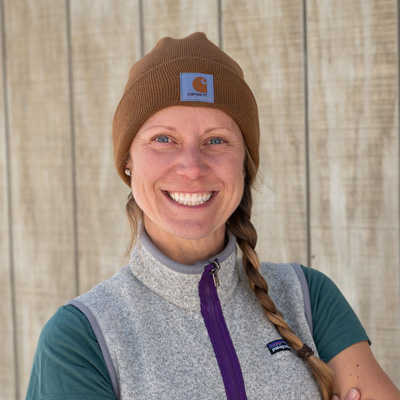
Cecka Parks
Born and raised in the Twin Cities, Cecka (Check-a) Parks has spent the last two decades living and working in the Minneapolis local food scene. Through her work at the Minneapolis Meat Collective, Cecka has developed a passionate community and foundation for both meat producers and enthusiasts. She is a speaker, consultant, manager, butcher, chef, business advisor and an active participant in many local food networks.
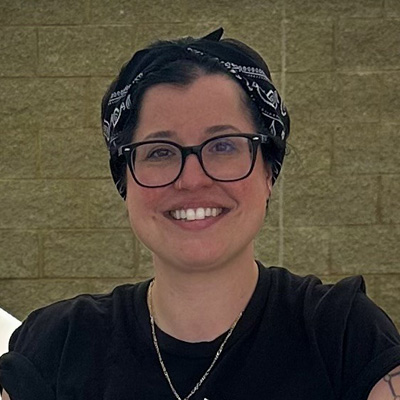
Louisa Farhat
Louisa Farhat is a butcher and owner of Sweet Lou’s Meats in St. Louis Park, Minnesota, with over 15 years of experience as a meat cutter. She has built the business from pop-ups and a food truck into a retail, wholesale and production operation. Her work focuses on whole-animal butchery, local sourcing and practical day-to-day systems.
Session Three
Do Food Hubs Work for Your Farm?
Learn how tapping into the Iowa Hub to Hub Network can open up new market opportunities, streamline logistics and make scaling your farm’s sales more manageable. We’ll cover the infrastructure that makes it work, the potential market impact and practical ways farmers can plug into the hub network. In addition to market opportunities to schools and institutions, the Iowa Hub to Hub Network also provides for-hire delivery services that can include locker pick-up or delivery direct to consumer.
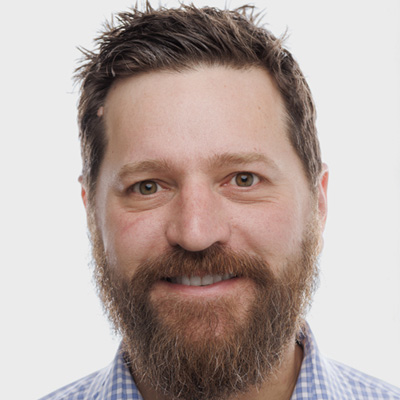
Phil Jahnke Sauer
Phil Jahnke Sauer is a value chain manager for Iowa Valley Resource Conservation and Development, working remotely in northeastern Iowa. Phil primarily works on value chain coordination in Iowa as part of the Resilient Food Systems Infrastructure grant. The work consists of providing operational support to the four main wholesale food hubs in Iowa to increase efficiencies in the middle of the supply chain.
Policy Trends in Meat Processing
This session will focus on current challenges facing smaller-scale and local meat processors, the emerging policy trends shaping the future of meat processing and what this means for livestock farmers across the Midwest. Tucker Maxwell, owner of Maxwell Custom Beef in Des Moines, will discuss the how working with a local processor benefits farmers. He'll also discuss challenges he faces as a local processor and how he navigates policy changes and the regulatory environment.
You'll also hear from Connor Kippe of the National Sustainable Agriculture Coalition. Connor will address recent shifts in how USDA is addressing concentration in meat processing, policy changes being proposed in the farm bill that would affect meat processors and what this all means for producers in the Midwest.
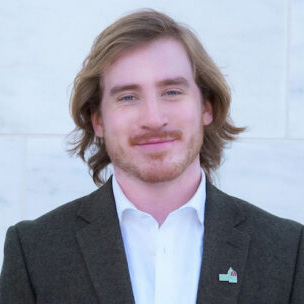
Connor Kippe
Connor Kippe grew up working in Michigan in agriculture and the food system – from picking weeds in fields to driving the occasional tractor. He spent time in North Carolina leading advocacy about how food and energy systems affect the climate, and also worked with communities to develop equitable coalitions, campaigns and policy. Connor staffs the NSAC Food System Integrity Committee, which focuses on key food safety, labeling and livestock processing issues.
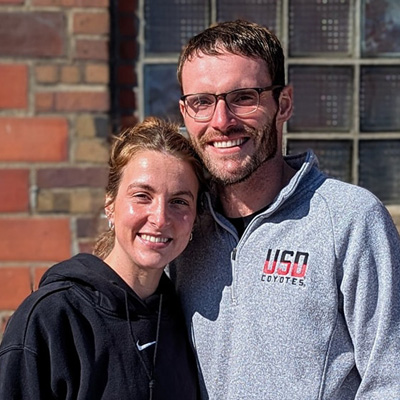
Tucker Maxwell
Tucker Maxwell grew up in Maxwell, Iowa, raising his own cattle from a young age and following in the family footsteps by working at Golly's Locker in Maxwell. After attending the University of South Dakota, Tucker spent time there and in Florida before moving back home after recognizing the growing need for quality, locally sourced meats and the growing desire for people to form connections with the farmers who grow their food.
Session Four
What's the Market for Tallow and Lard?
Value-added products can be an important part of a farm business. But current consumer trends have made lard- and tallow-based products especially hot commodities.
In this session, Laura will share how she's been tapping into this market demand for years by selling her own range of lard-based soaps and skin care products alongside her ready-to-eat products. She’ll share what she has heard from customers and describe her home setup to create products herself. We'll also hear what it's like working with an outside manufacturer.
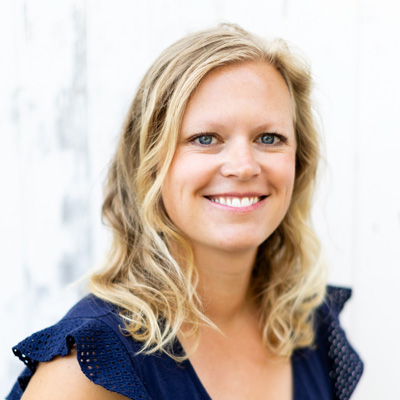
Laura Tidrick
Laura Tidrick is a passionate foodie who started farming to feed her family the highest-quality food possible. Along with her husband and two daughters, she raises heritage pork and poultry using certified organic feed and pasture grazing. She sells lard- and tallow-based soaps and skincare items, along with other value-added and ready-to-eat products, through an on-farm store, website, local grocery stores and restaurants.
Humane Animal Handling and Certification
As demand grows for meat raised with higher animal welfare and environmental standards, processors have an important role to play in ensuring compliance, transparency and supply chain integrity. This session brings together the Regenerative Agriculture Alliance, A Greener World and the ASPCA to explore how processing infrastructure, third-party verification and policy advocacy intersect.
Presenters will discuss how processors can help farmers meet certification requirements, maintain chain of custody and ensure credible product claims. ASPCA will highlight current policy efforts to advance higher-welfare farming and the opportunities for alignment across the sector. Together, this conversation will offer practical insights and systems-level strategies for building a more transparent, accountable and humane meat system.
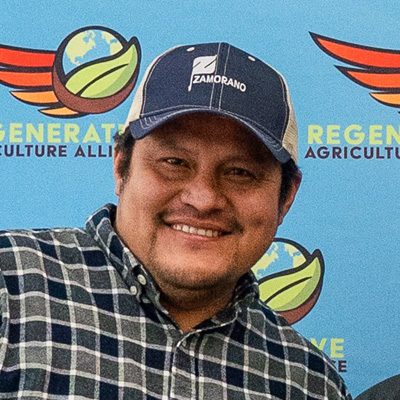
Arnulfo Perrera
Arnulfo Perrera joined the Regenerative Agriculture Alliance in August 2022 as the poultry processing facility manager. Since 2024, he has served as the farm services director. In this role, he provides supply chain support to farmers involved in the alliance's poultry-centered regenerative agroforestry production model.
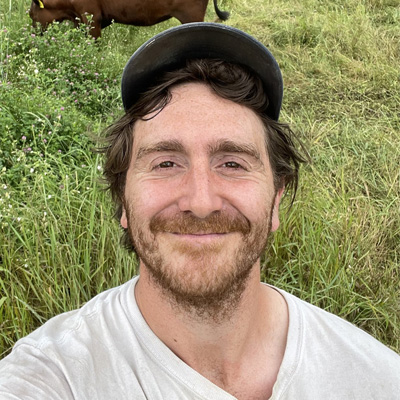
Eric Boatti
Eric Boatti is based in Asheville, North Carolina, where he serves as senior manager of farmer advocacy at the American Society for the Prevention of Cruelty to Animals. He has over a decade of experience working on and providing technical assistance to regenerative livestock farms. In his role, Eric manages the new FACE Ag Network, a national platform for pasture-based farmers and ranchers to advocate for policies that promote humane, healthy and resilient farms.
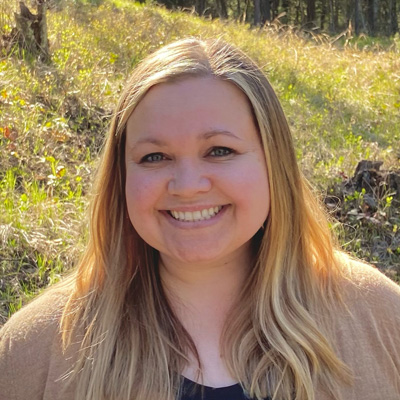
Caitlin Aguilar
Caitlin Aguilar is based in northwest Montana where she serves as director of compliance and quality at A Greener World. Before joining AGW, Caitlin worked in food safety and regulatory compliance gaining a strong background in slaughter, raw and ready-to-eat food production. She received her bachelor's degree in animal science from California Polytechnic State University, San Luis Obispo, and brings over 20 years of experience in commercial beef and poultry farming.
Session Five
Finishing Livestock With Feed From the Farm
Feed is a key part of getting significant and efficient finishing on livestock. Brice Hundling grows and mills the feed for his animals himself. Doing so gives him direct control over the quality and content of what his pigs and cattle eat. Come hear Brice share how what he grows influences what goes into his feed. He'll explain his feed mill setup and describe how he creates the rations that finish his livestock.
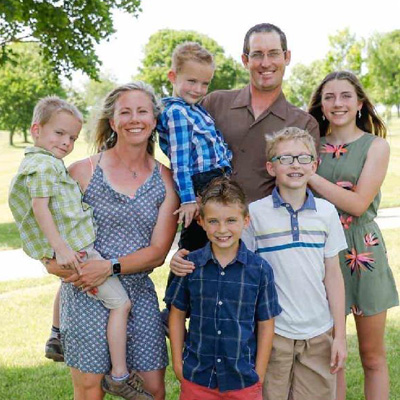
Brice Hundling
Brice Hundling and his wife, Melanie Hundling, run a diversified family farm in Breda, Iowa. Together, they raise pigs and cattle for Niman Ranch, along with sheep, goats, ducks, geese, laying hens, broilers, turkeys, peacocks, guineas, bees and several grain varieties.
Getting Started With Charcuterie
Charcuterie is an increasingly in-demand product that can create extra value for the farmer and processor. But it’s not yet commonly produced in Iowa. Dry curing to make products like salami or prosciutto comes with its own set of regulations and specifications. Come hear how Calvin navigated these requirements to start one of Iowa’s only licensed dry-curing facilities. He’ll also give an overview of the production process, as well as safety concerns to be aware of.
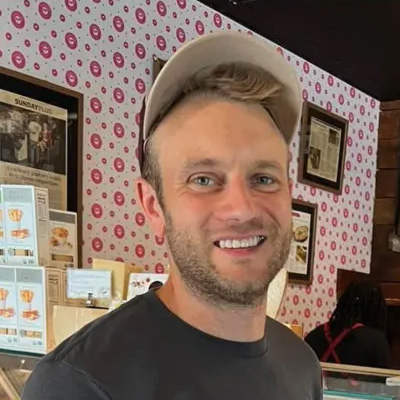
Calvin Schnucker
Calvin Schnucker has been a butcher for nearly two decades and owns The Good Butcher in Des Moines, Iowa. He has spent years developing the technical and food safety skill set required to run one of the only state-licensed dry-curing operations in Iowa. Calvin is passionate about connecting farmers growing great food with people wanting to eat and cook in a more local and responsible manner.
Session Six
Building a Poultry Processing Facility
Exciting new poultry processing ventures are taking place right here in Iowa. Jason Grimm started with processing his own chickens on the farm in converted buildings in 2015. Since 2021, he has been able to process his own chickens using a custom poultry license under the Iowa Department of Agriculture and Land Stewardship in a converted building on family land. In 2025, Jason and his family finished building a new facility on their own farm.
Grimm Family Farm will continue processing their own poultry and offer processing services to others farms as well. Come learn how Jason has scaled up to meet the demand he sees, and the logistics it takes to create a poultry processing plant.
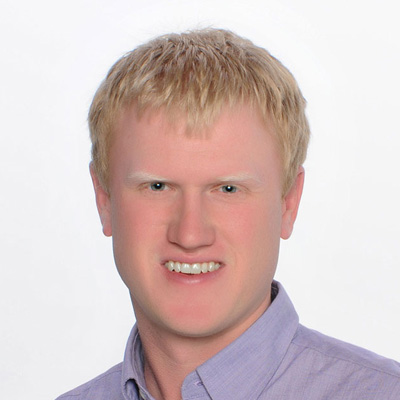
Jason Grimm
Jason Grimm owns Grimm Family Farm near Williamsburg, Iowa. The family produces dry beans, potatoes and pastured poultry that are marketed to restaurants, grocers, school districts, food hubs and directly to consumers. Jason has extensive experience with on-farm poultry processing and has recently built a new plant to accept poultry from other farms. When Jason isn't on the farm, he is the executive director for Iowa Valley RC&D, leveraging over 16 years of experience working in Iowa with local, state and national partners.
Ask Your Processor Panel
In the triangle of consumer, producer and processor, much focus is put on the relationship to the customer. But what about the needs of the farmer and the butcher? Life is busy and relationships can be challenging to navigate. In this session, a panel of processors will answer questions from farmers and share what will make work more sustainable for them as well. Come with questions you've wondered but never been able to ask your processor!
Arnulfo Perrera
Arnulfo Perrera joined the Regenerative Agriculture Alliance in August 2022 as the poultry processing facility manager. Since 2024, he has served as the farm services director. In this role, he provides supply chain support to farmers involved in the alliance's poultry-centered regenerative agroforestry production model.
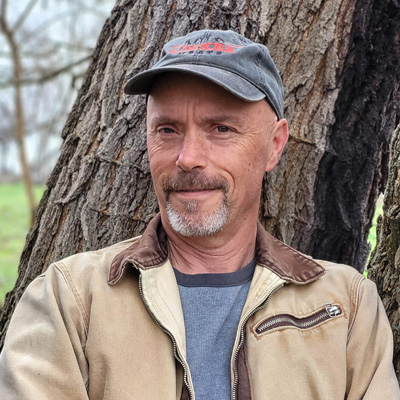
John Hogeland
John Hogeland moved back to Lovilia, Iowa, from California with his wife, Beth Hoffman, to take over the family farm. With a background as a butcher and chef, John has transitioned their 540-acre farm to a grass-fed cattle and goat operation. They use rotational grazing practices and are continuing to add native forages to their system.
Tucker Maxwell
Tucker Maxwell grew up in Maxwell, Iowa, raising his own cattle from a young age and following in the family footsteps by working at Golly's Locker in Maxwell. After attending the University of South Dakota, Tucker spent time there and in Florida before moving back home after recognizing the growing need for quality, locally sourced meats and the growing desire for people to form connections with the farmers who grow their food.
Cecka Parks
Born and raised in the Twin Cities, Cecka (Check-a) Parks has spent the last two decades living and working in the Minneapolis local food scene. Through her work at the Minneapolis Meat Collective, Cecka has developed a passionate community and foundation for both meat producers and enthusiasts. She is a speaker, consultant, manager, butcher, chef, business advisor and an active participant in many local food networks.