Experiencing Climate Change
Small Farms, Big Impacts
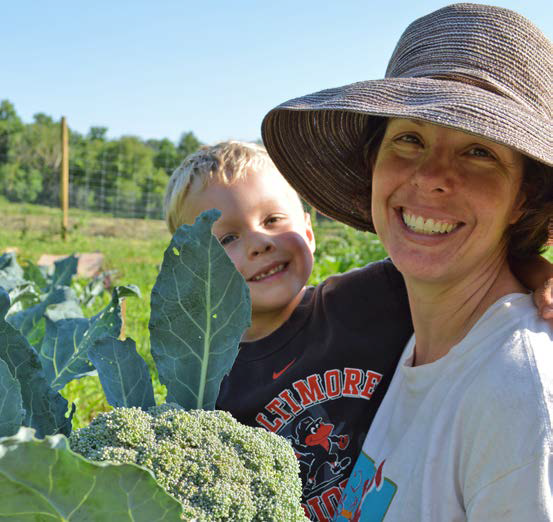
Because climate change is a global phenomenon, it can be daunting for farmers experiencing its impacts on their farms to think about how to make a difference. Angela says it helps to know that steps she takes to build resilience on her farm can have positive effects more broadly, beyond the boundaries of her land. Habitat plantings on small farms, for instance, can be vital refuges for a range of species that benefit the wider landscape. “Small changes can accumulate into big impacts,” she says. “There's a bunch of big environmental issues out there, and I can contribute to solving them on my little farm.” Using a systems approach to look at her farm and land, Angela says she thinks about food as well as biodiversity declines, climate change, water pollution and other bigger landscape challenges. While she knows she can't solve these big issues on her own, they do impact the farm – and her farm is a piece of the bigger system. “We have to look at the whole farm – the health and community in the soil, the health of the landscape surrounding the farm,” Angela explains. “The health of the ecosystem directly impacts the health of the farm, and vice versa.”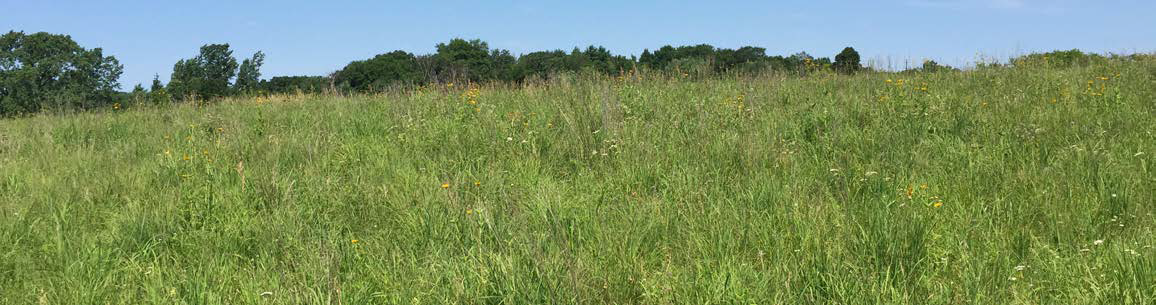
Taking Action
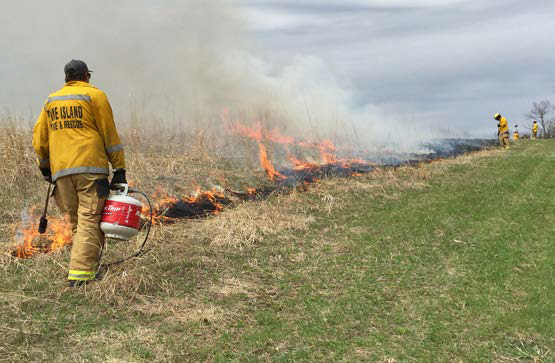
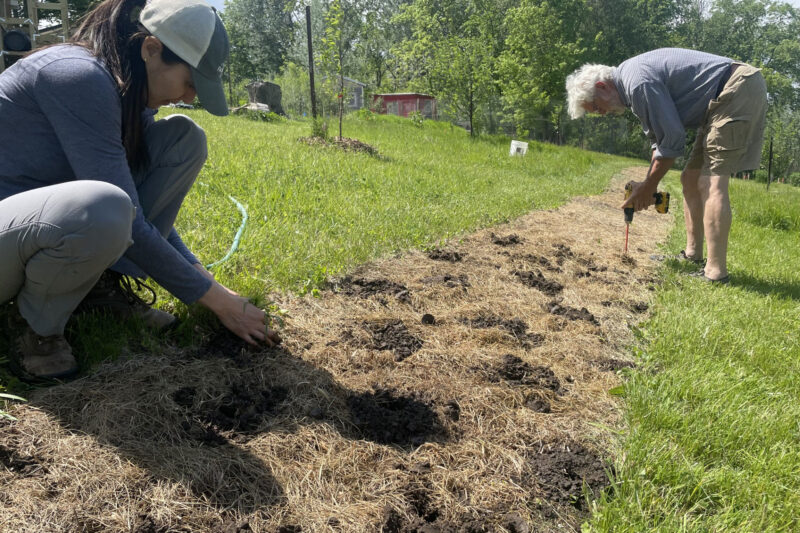
“I'm crazy about native plants and native ecosystems,” Angela says. “Throughout the drought, the native plants were still thriving and birds and insects were still there, all without help from me.” Angela's observations on her farm resonate with a growing body of science. According to the Xerces Society for Invertebrate Conservation, adding more habitat that is both diverse and better connected on the landscape is key to ensuring that pollinators and other insects can adapt to changing climate conditions. Angela has used a variety of programs and resources on the farm to restore native plant communities. Notably, she's worked with her local Natural Resources Conservation Service office and received funding through the Environmental Quality Incentives Program to plant native shrubs for pollinators. “We got in touch with the NRCS office and they were kind enough to come out and look at the farm and listen to what we were interested in doing,” Angela says. “We learned about the EQIP program for pollinators, got that funding and were able to plant a bunch of native flowering shrubs.”