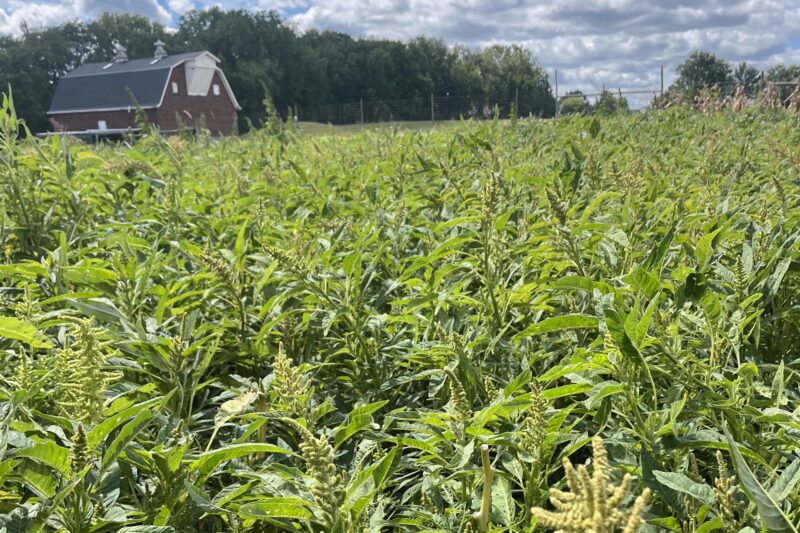
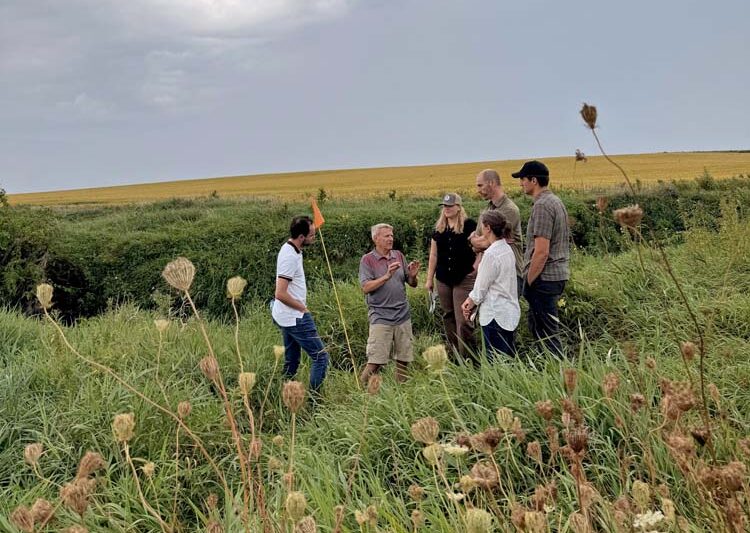
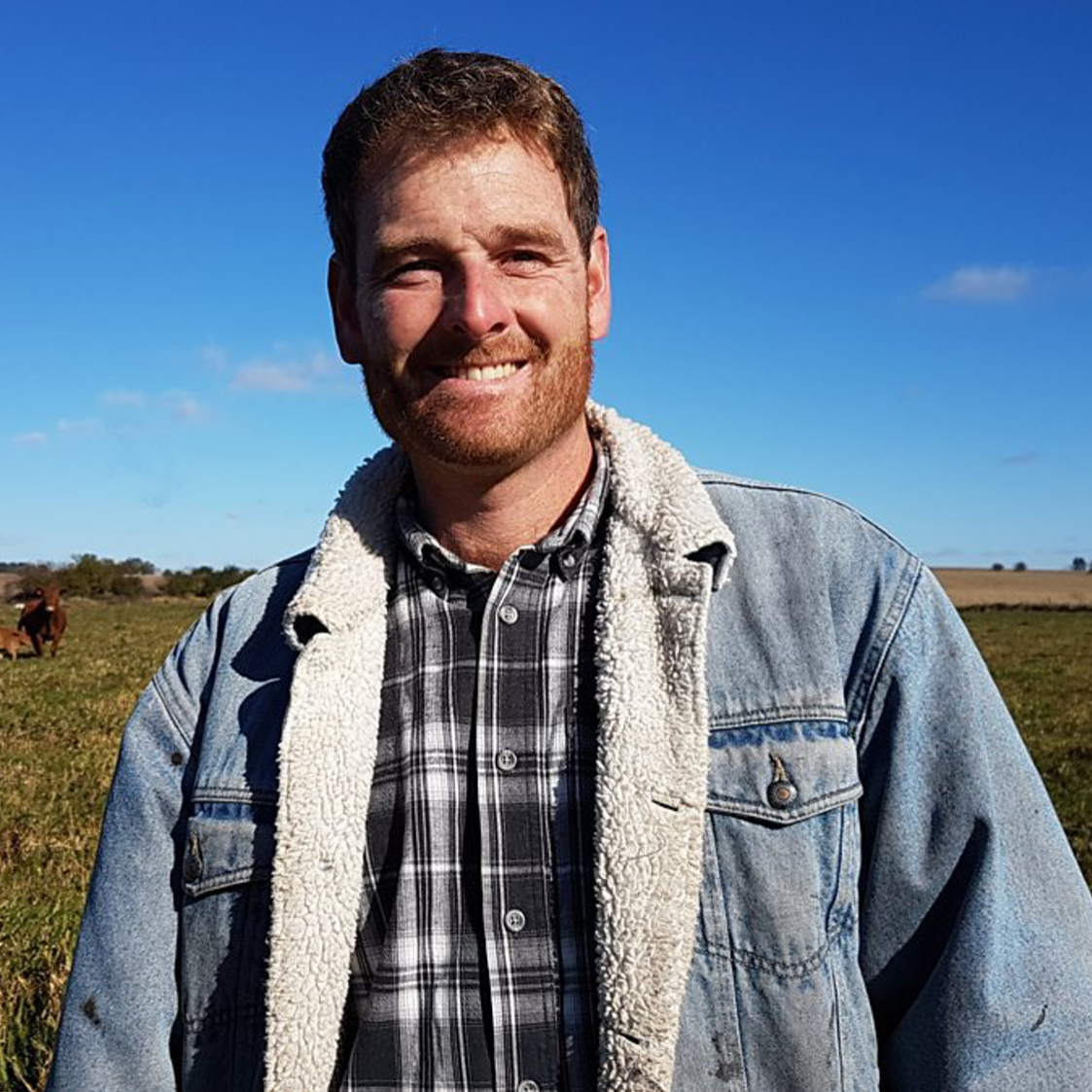
 Albion, Iowa farmer Wade Dooley started adding small grains into his rotation about ten years ago and promptly focused on custom seeding and growing cover crop seed. Throughout that time, he has continued to adapt his rotation to changing climate conditions.
Over the years, Wade has learned to manage diseases in his small grain crops, sometimes experiencing devastating loss, and other times successfully mitigating disease pressure.
“I've been able to completely change a farm in a single year with a really targeted approach of high diversity and low tillage. But I'm also more willing than a lot of folks to accept risk and I'm more willing to fail.”
Wade offered insights on effectively managing small grains diseases in a small grains shared learning call in April 2024.
Albion, Iowa farmer Wade Dooley started adding small grains into his rotation about ten years ago and promptly focused on custom seeding and growing cover crop seed. Throughout that time, he has continued to adapt his rotation to changing climate conditions.
Over the years, Wade has learned to manage diseases in his small grain crops, sometimes experiencing devastating loss, and other times successfully mitigating disease pressure.
“I've been able to completely change a farm in a single year with a really targeted approach of high diversity and low tillage. But I'm also more willing than a lot of folks to accept risk and I'm more willing to fail.”
Wade offered insights on effectively managing small grains diseases in a small grains shared learning call in April 2024.
Disease Season
“In Central Iowa, because we're raising a cool season crop that ripens right at the peak of our humidity and heat, there are a ton of diseases that can roll through,” Wade says. Any farmer that grows rye in the Midwest must be wary of Fusarium head blight, also known as scab. This disease hits when conditions are right and harbors vomitoxin that may reduce germination rates for cover crop seed or make the grain unsafe for animal or human consumption. FHB appears as bleaching of the small grain “flower” and can turn the grain a strange pinkish-purple color.
Making the Call to Spray
Wade pays close attention to weather conditions throughout the growing season and uses helpful resources to track the potential for Fusarium to crop up. One particularly beneficial resource is the webpage for the U.S. Wheat & Barley Scab Initiative which includes a regularly updated FHB risk map and various reports and videos about challenges and management of the disease. By following this map over time, a farmer can determine how likely it is FHB will become an issue. If that timing lines up with the expected flowering stage for the planted small grain variety, then fungicide should be applied. According to Wade, the best time to spray fungicide is when about 50% of the field is blooming, usually in early June. Ideally, spray nozzles will point in two directions so that the flower heads will be hit on both sides. Part of the flower head could still show signs of FHB if it is not adequately sprayed. “Often, the chemical folks at coops don't stock the right fungicide, so you have to call ahead and ask them to get it in stock a few weeks before you think you might need it. Otherwise, you might miss the window simply because they didn't have it on the shelf.”Saving Money Through Judicious Fungicide Use
Fungicide isn't always needed. Wade notes that he has not had to spray the last few summers, ironically thanks to the drought. “I know a lot of folks out there that don't pay attention to conditions, but just listen to their chemical rep who tells them to spray fungicide to get five or ten extra bushels,” Wade says. “So they do it without checking any of the climatic conditions, and often it's not even worth the extra cost.” Wade also points out that it is possible to avoid the high-risk FHB window by planting earlier flowering varieties. There are also various small grain varieties bred to be resistant to Fusarium and other diseases.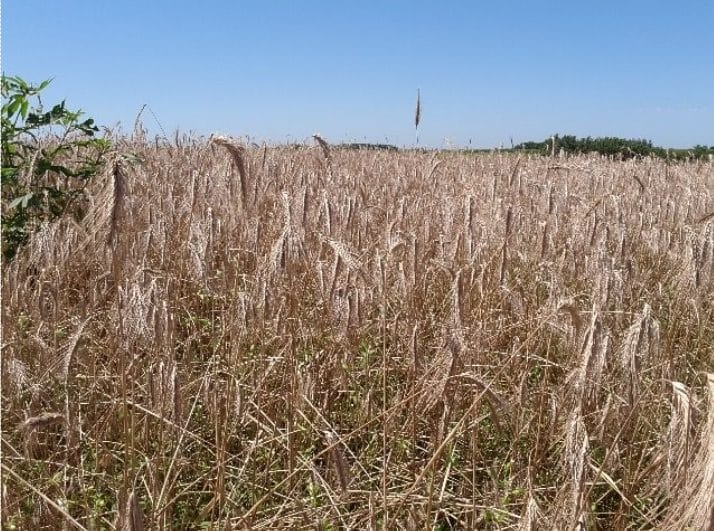
Other Diseases to Look Out For
Though rye is particularly susceptible to FHB, it experiences less damage from leaf diseases, such as rust, because its stalk photosynthesizes, making the leaves less critical. However, that is not the case for oats and wheat where leaf diseases can dramatically affect yield. There are many different fungicides available to stave off such diseases, but Wade emphasizes, “If you're going to spray fungicide, you need to do it at the right rate, in the right manner and at the right time.” Barley Yellow Dwarf Virus (BYDV) is another disease that can become a big issue, especially in barley and oats, because there is no real treatment. Brought in by aphids, it causes leaves to become yellow with reddish-purple tips. Since aphids target grasses, the best way to manage crops without the use of insecticides is to separate grasses in rotations, minimize weeds on field edges, and try to find varieties that are more resistant to BYDV.Additional Resources
For Scab/Blight info: U.S. Wheat and Barley Scab Initiative 2019 PFI blog post: How to Manage Small Grain Diseases While Maintaining the Bottom LineSign up for PFI's monthly Small Grains News email newsletter to receive program updates, small grains resources and information on upcoming events. Register for our upcoming small grains shared learning calls via Zoom. Learn about and apply for our small grains cost-share program.