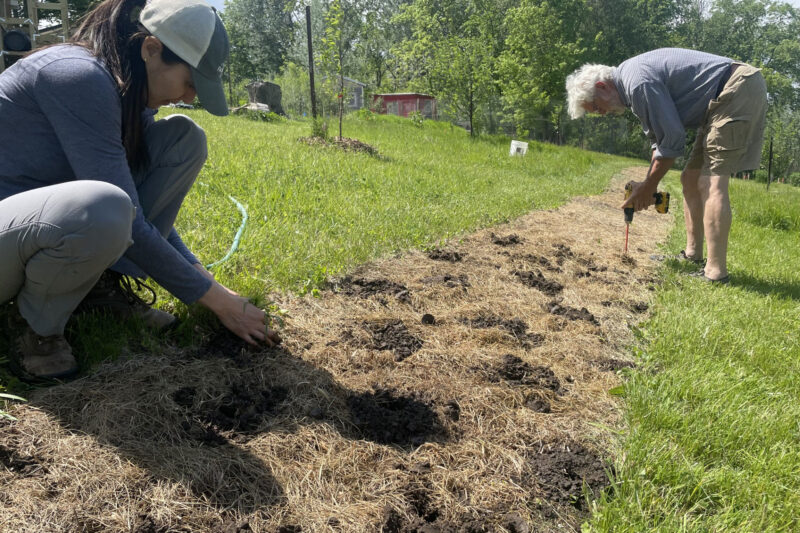
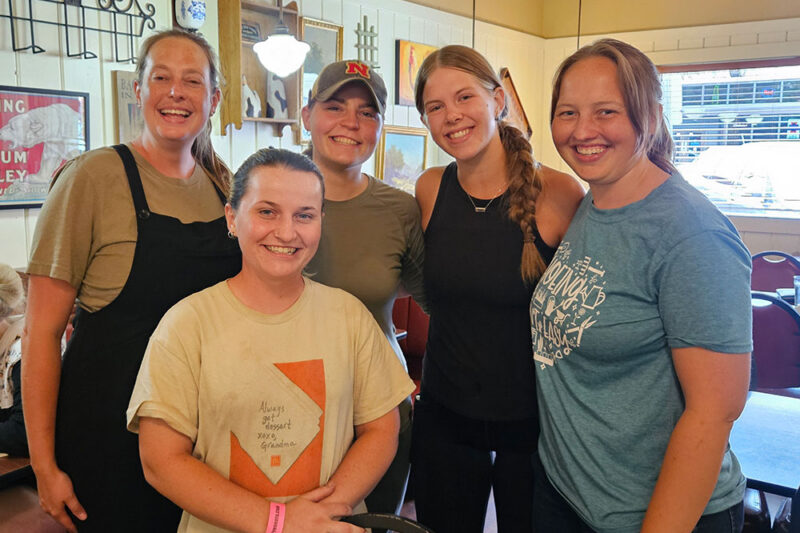
Beth and Rick McGeough own and operate Edge of the Woods Raspberry Farm, a 65-acre farm just a few miles north of Indianola, Iowa. The farm specializes in growing a variety of berries, including raspberries, blueberries, blackberries, currants and gooseberries. The McGeoughs sell their products, along with gifts, crafts and value-added products by other local businesses, through an on-farm store they call the “Berry Building.” They also hold seasonal berry-picking opportunities for area residents.
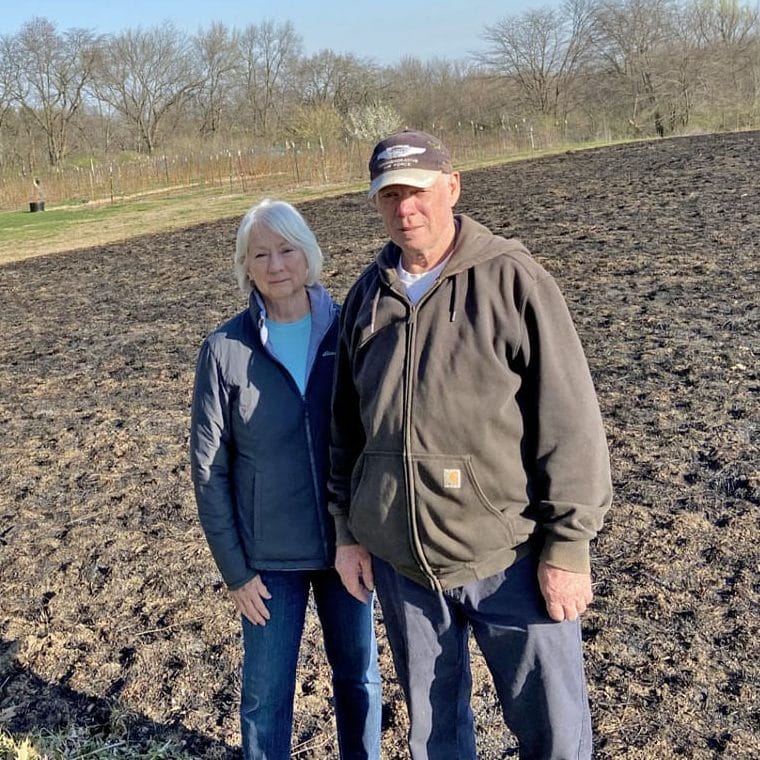
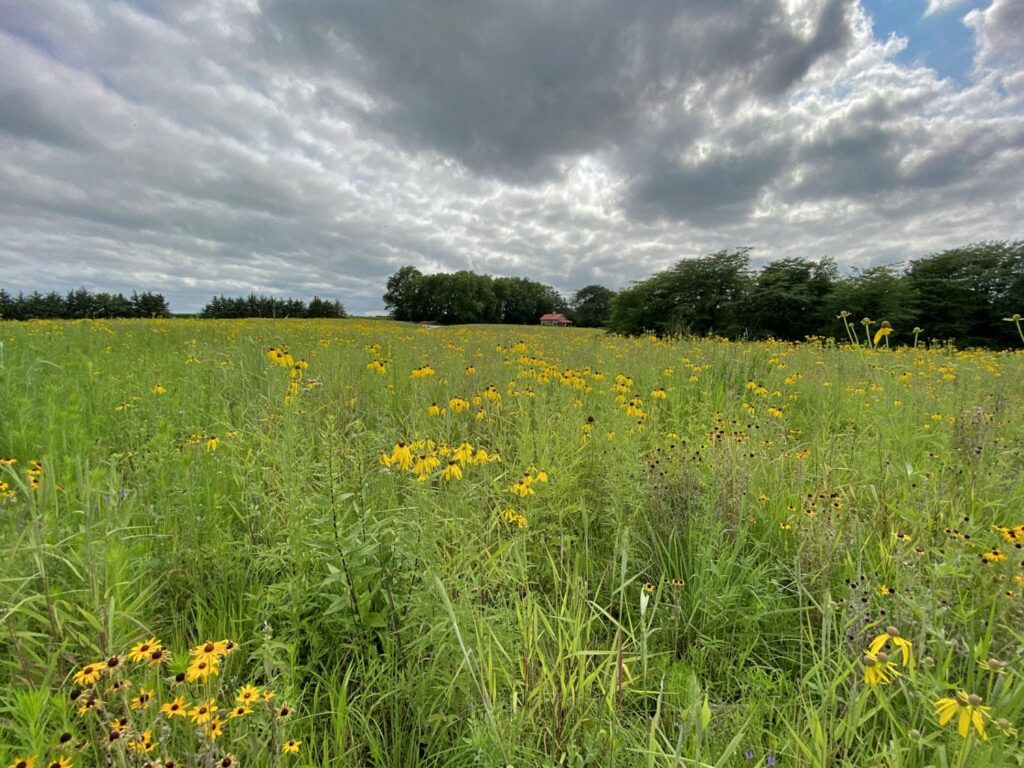
As its name suggests, most of the farm is mature timber, though Beth and Rick also have 6 acres in prairie. Standing on the farm, the setting feels remote and rural. To access the farm, a visitor would exit paved roads for gravel and pass a patchwork of farm fields and acreages. Once there, surrounded by trees, prairie and open fields of berry plantings, it could be easy to imagine urban life a faraway prospect.
Yet urban zones are a figurative stone's throw away. “We're just outside Indianola and only 12 miles outside of Des Moines,” Beth says. “So we're kind of riding between the two.” Sandwiched between these two cities, the McGeoughs are seeing development creep closer to them.
While the farm hasn't been isolated – one neighbor, Summerset Winery, has been a popular destination for events, weddings and tourists since 2001 – it's only recently that urban growth has started visibly expanding outward.
A year ago, Beth says, the cropland across the road from them was bought by a developer to turn into a housing development. “Their first phase involves building 18 to 20 spacious lots spanning 2 acres each,” Beth says. “Currently, excavation and tree removal are underway, with future plans for lot layouts and potential expansion of the housing development.”
The Habitat Toll of Urban Sprawl
Why does this matter? From a habitat perspective, development like this signals the potential loss of more habitat for wildlife – especially pollinators. Habitat in Iowa has already been profoundly altered. Prairie once covered up to 80% of Iowa's landscape, supporting an abundance of pollinator species – bees, wasps, butterflies, moths, beetles and others. Today, roughly 85% of Iowa's land is farmed, while just 0.1% of the state's prairies remain.
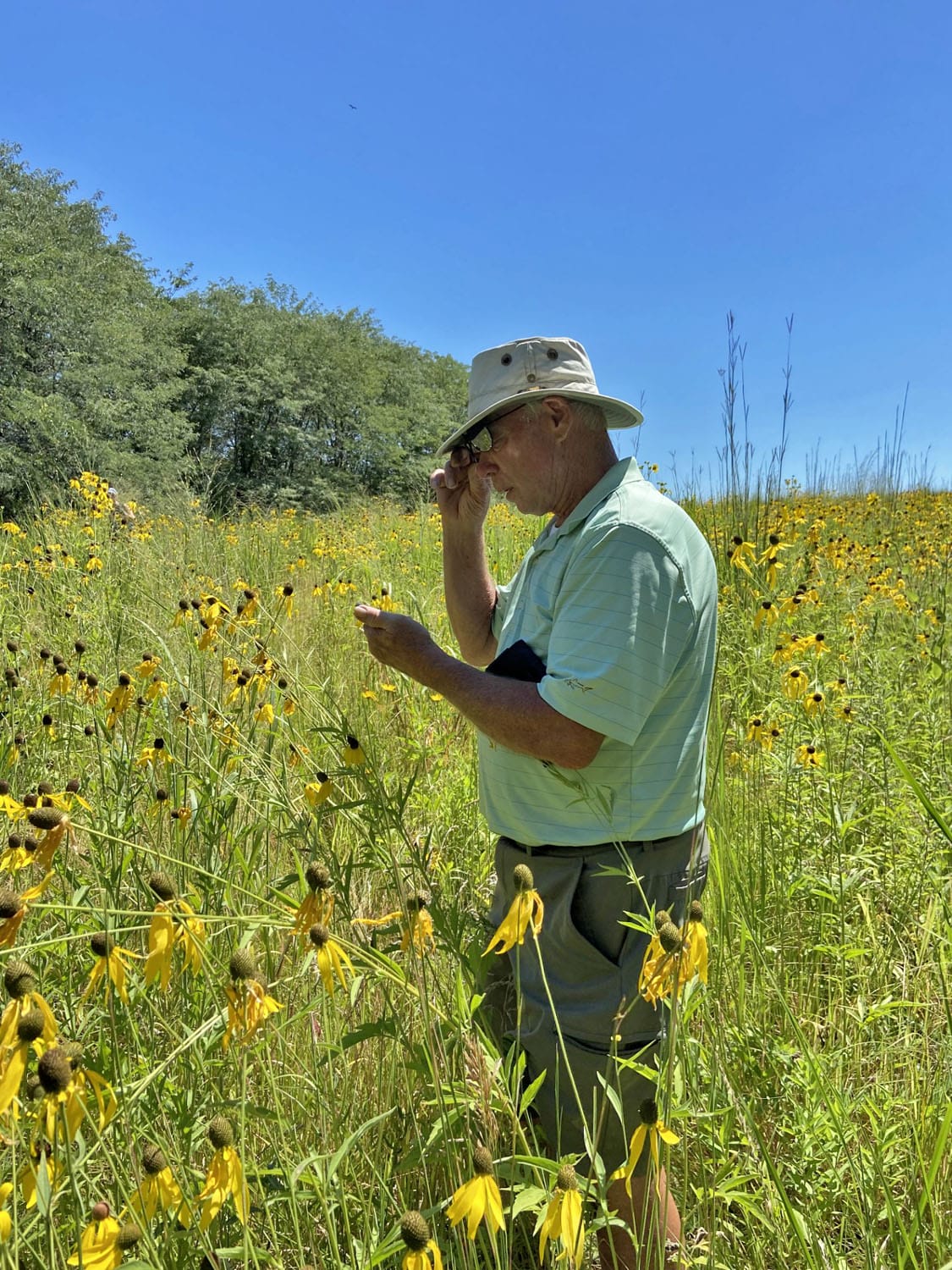
That's not to say farms can't support pollinators – they can, for instance, by adding more diverse crops or devoting some acres to habitat. The problem is there's not enough habitat on farms right now to address the sharp decline of many pollinator species.
And, because cropland has the potential to support pollinators in various ways, once it's paved over, that potential is lost – along with the possibility of farming the land in ways that benefit the landscape more broadly, according to American Farmland Trust.
Meanwhile, many of Iowa's urban areas continue to grow. Recent U.S. census figures revealed the six-county Des Moines metropolitan area – which includes Warren County, where the McGeoughs' farm is located – to be the Midwest's fastest-growing large metro.
Between 2020-2023, the area grew by 3.1%, according to a story published in March by the Des Moines Register.
Indianola is a microcosm of that growth. In the last four years alone, the city's population has increased by nearly 2.7%, creating a need for more housing and services. As once-rural areas like these develop, preserving existing on-farm pollinator habitat – and creating new habitat on farms and within urban zones – is crucial.
A Butterfly-Friendly Farm
At Edge of the Woods Raspberry Farm, Beth and Rick are doing what they can. On land once used to grow corn and soybeans, they planted a variety of native prairie plants, including butterfly milkweed, pale coneflower, purple prairie clover and rattlesnake master.
“We were really striving for diversity, a place where butterflies and bees could find a home,” Beth says. “In the summer, when we have berry-picking, it smells like a perfume factory out here. Our customers call it a magical place.”
The McGeoughs are now focusing on a new habitat project that involves planting native eastern red cedars.
“We wanted to create a new ecosystem of habitat for pollinators as well as other wildlife like owls,” Beth says. It will add to the other trees they have on their land, ranging from chestnuts and hazelnuts to oaks and maples, which can serve as both food and shelter for overwintering beneficial insects.
In 2020, Beth and Rick also took part in a three-year monarch butterfly project organized, in part, by the Iowa Natural Resources Conservation Service and the Monarch Joint Venture at the University of Minnesota. As part of the citizen-science project, Beth and Rick recorded monarch eggs, larvae, caterpillars and flying or feeding monarchs at six sites around the farm. By the end of the project in 2022, they had found an abundance of monarchs on the farm.
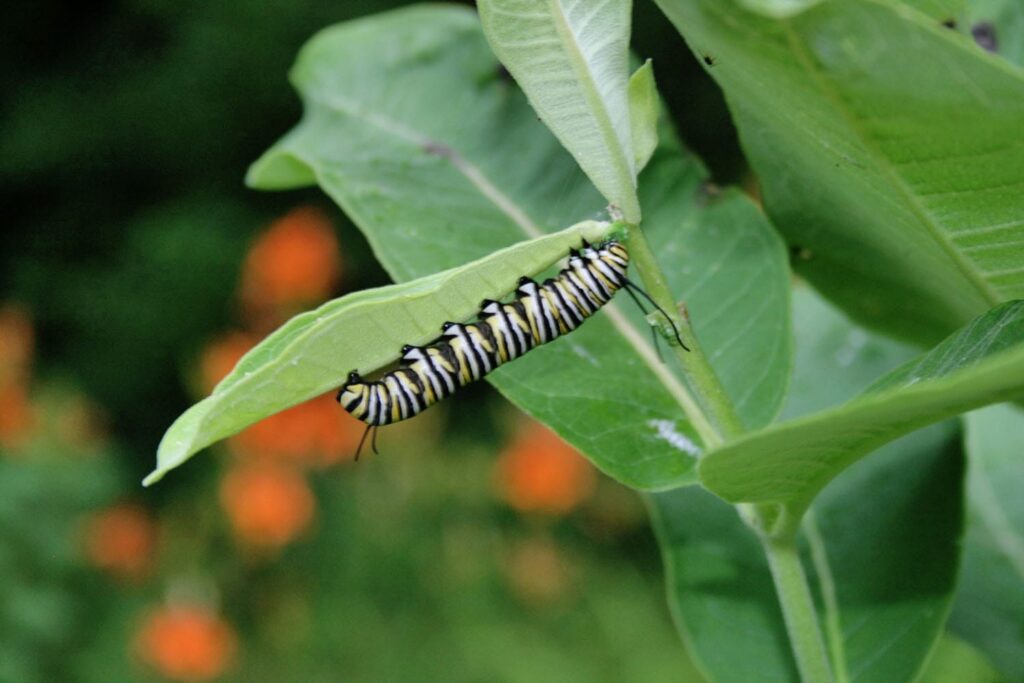
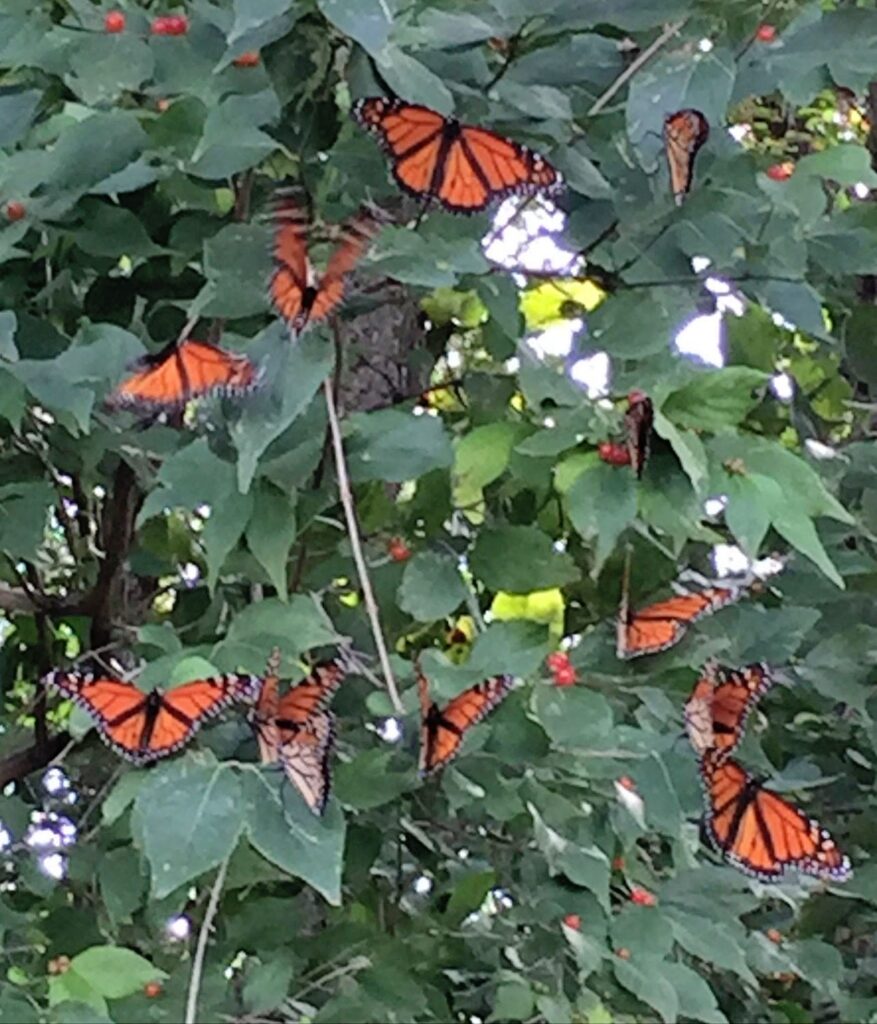

The study highlighted for them why it's so important to create pollinator habitat – and how even small pockets of habitat can serve as vital oases amid urban growth. Monarchs, known for their vivid orange, black and white color pattern, migrate up to 3,000 miles each year on their way to and from central Mexico. The iconic insects pass through Iowa on their epic journey, and need a mix of nectar-rich flowers for food and milkweed to lay their eggs on.
As these plants have disappeared from the landscape, monarch numbers have plummeted. According to the Xerces Society for Invertebrate Conservation, the population of monarchs east of the Rocky Mountains has dropped by more than 80% since the 1990s.
“Habitat loss of any kind is a significant driver of pollinator decline and wildlife generally,” says Sarah Nizzi, an Iowa-based pollinator conservation specialist with Xerces Society.
“Pollinators, like any other group of wildlife, have habitat needs in order to be successful,” she adds. “Native flowering plants and host plants, nesting and overwintering areas and protection from pesticides are all key components of pollinator habitat. This holds true whether we're thinking about habitat in cities and towns or in our rural landscapes.”
Every Little Bit Matters
So what can farmers in urban zones do?
Sarah says there are a variety of ways to supply habitat, regardless of farm size or location. ”Pollinators are capable of thriving in large or small areas,” she says. “In my experience working within residential spaces and on urban farms, if we build it, they will come.”
Sarah advises those looking to support pollinators to consider planting native wildflowers, grasses, trees or shrubs.
While some urban and suburban areas have local ordinances banning tall prairie species, adding smaller flowering plants – such as milkweeds, bergamot and coneflowers – along the edges of primary crop areas can still provide much-needed nectar.
“Wherever we are able to implement habitat counts, regardless of size,” Sarah says. The advice applies to farms of any size. Those with more acres can consider integrating prairie strips, planting trees or identifying marginal areas to convert to habitat.
All farms could look to add flowering plants along field edges or leave some areas in grasses. Even some weeds, so long as they don't affect crop growth, can provide shade and shelter for many pollinator species.
“It's important to remember every living thing benefits from diversity,” Sarah says. “Monocultures, whether it be mowed turf grass or row crop production, offer little to wildlife. If we are able to diversify our cities, towns and farms, we all benefit ecologically and socially.”
Get Help With Habitat From PFI
If you're interested in adding habitat to your farm, PFI's Habitat Incentive Program offers technical and financial support for adding prairie strips or having a precision conservation analysis of your farm to identify conservation opportunities.