In a Nutshell
- Brewers' spent grain (BSG) has been shown to provide organic matter and nitrogen to soils when used as a soil amendment [1].
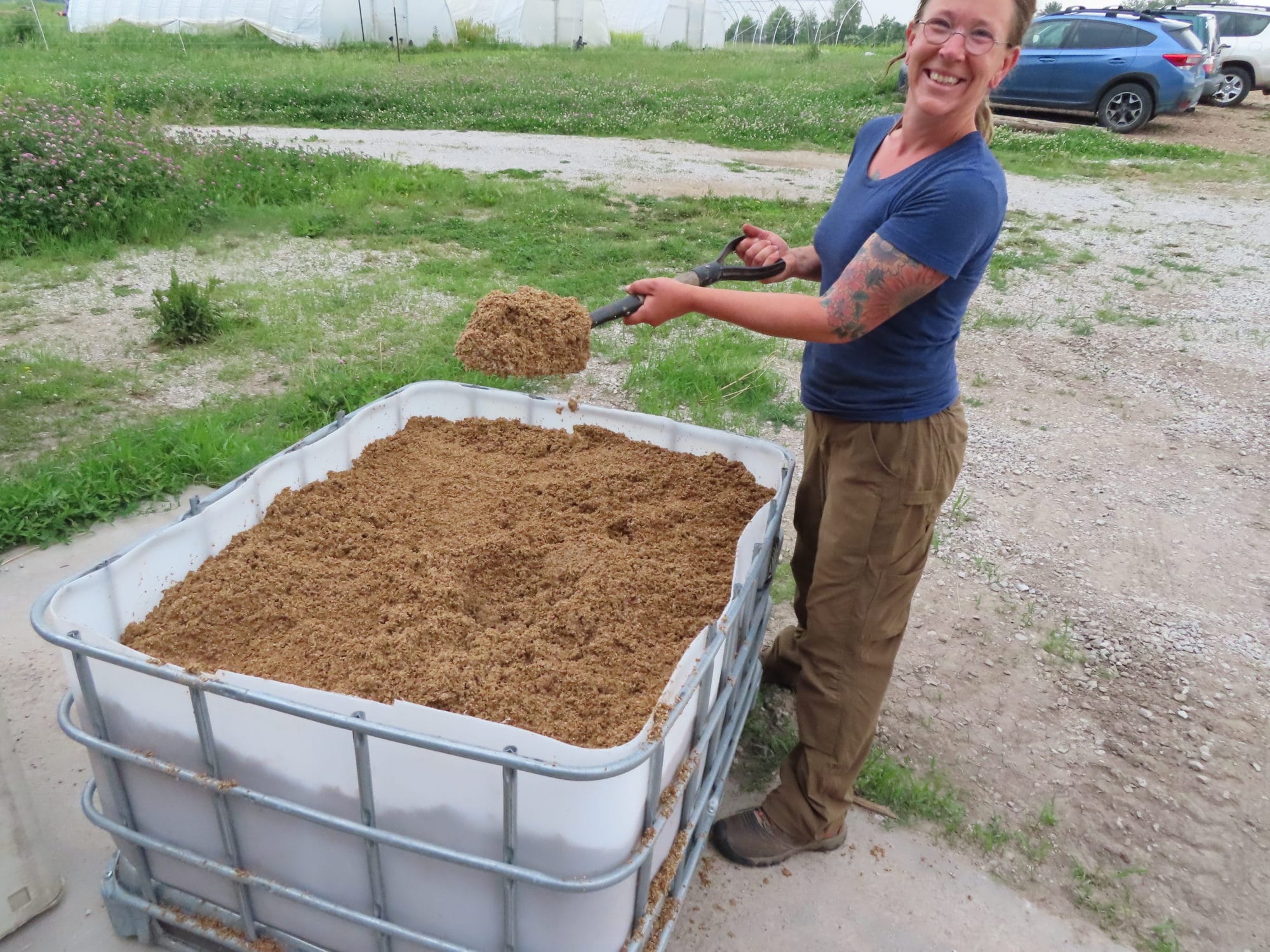
- Kate Solko and Kyle Maxwell of Root to Rise Farm operate on the same property as a brewery and therefore have access to a lot of free BSG. They tested using BSG as a soil amendment instead of their usual organic fertilizer, Sustane 8-2-4.
Key Findings
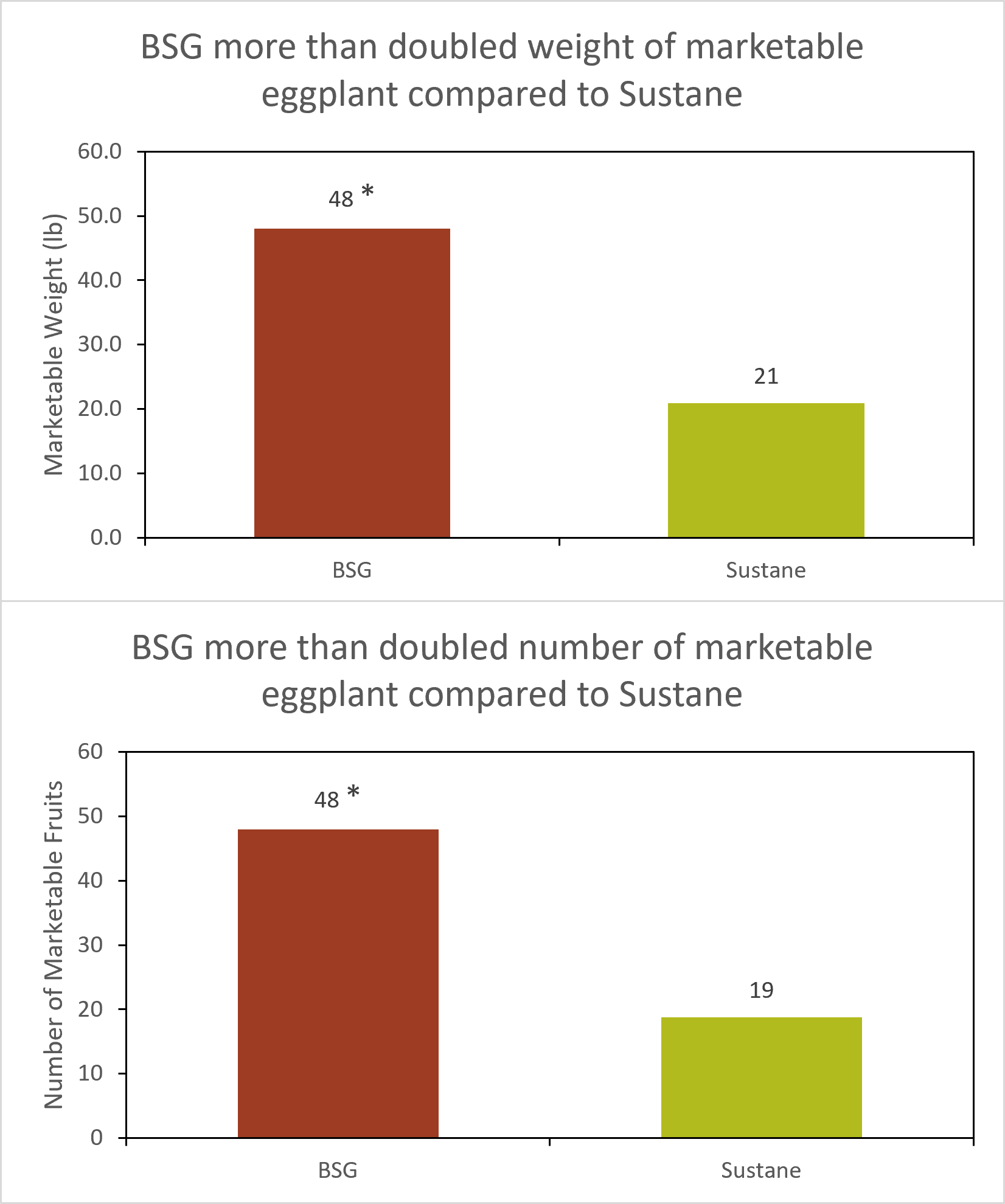
- Solko and Maxwell found that fertilizing with BSG more than doubled both the number of marketable eggplants and the total weight of marketable eggplant harvested compared to fertilizing with their typical Sustane rate.
Background
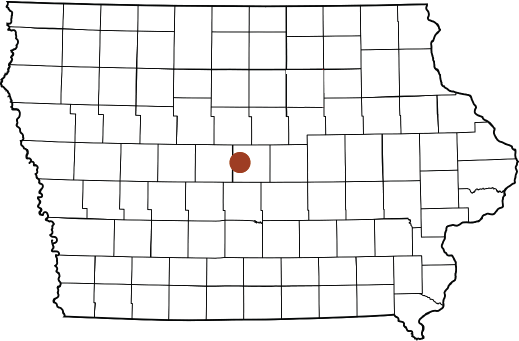
The spent grain left over after brewing beer (brewers' spent grain, BSG) contains a lot of nutrients and organic matter that make it a potentially useful agricultural fertilizer [1]. Ames farmers Kate Solko and Kyle Maxwell operate Root to Rise Farm on the same property as a brewery.
They are excited about the potential of BSG as a soil amendment because using it would allow them to decrease off-farm inputs and find a use for an otherwise wasted product. It could also help their ongoing efforts to improve soil health on the farm.
Methods
Design
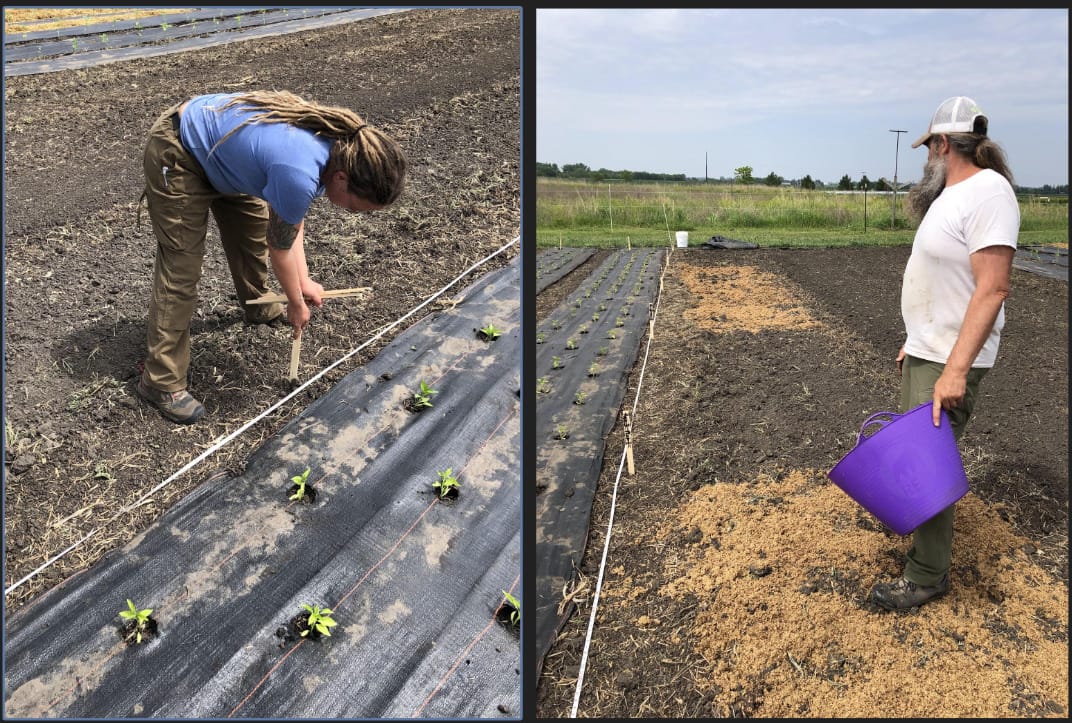
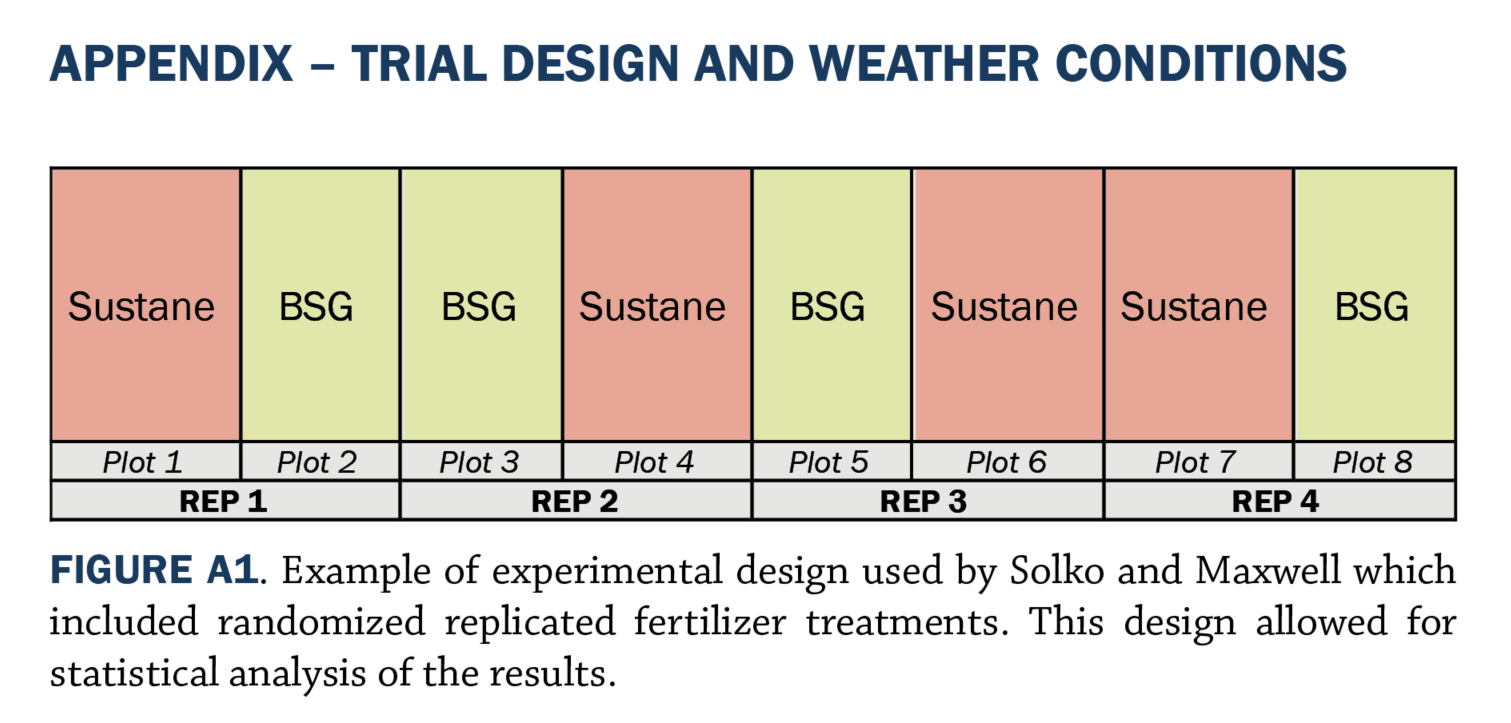
Solko and Maxwell investigated two pre-transplant fertilization treatments 1) Sustane 8-2-4 applied at 0.04 lb/ft2 and incorporated into the top 4 inches of soil, and 2) BSG at 1.5 lb/ft2 incorporated with a small walk behind tiller. They planted four randomized replicates of each treatment (Figure A1). Replication and treatment randomization allow for statistical analysis and conclusions about the effect of the treatments on yield.
 Measurements
During the harvest season, Solko and Maxwell recorded yield as the weight of all marketable fruit per plot and the number of all marketable fruit per plot. They also recorded the number of unmarketable fruits per plot. Finally, they made visual observations of disease pressure in each plot on each harvest date and assigned them a numeric score where 0=none, 1=some, and 2 = much and documented plant survival.
Data Analysis
To evaluate the effect of the fertility treatments on eggplant yield, we used an analysis of variance (ANOVA) followed by Fischer’s least significant difference (LSD) at 95% confidence. If the difference between the two treatments was greater than the LSD, we considered this to be a statistically significant effect. 95% confidence means that 95 times out of 100, the differences we see between treatments would be due to true differences in the means rather than random chance.
On the other hand, if the resulting difference between the two treatments was less than the LSD, we would consider the treatment results to be statistically similar. We could make these statistical calculations because the cooperators’ experimental design involved replication of the treatments (Figure A1).
Measurements
During the harvest season, Solko and Maxwell recorded yield as the weight of all marketable fruit per plot and the number of all marketable fruit per plot. They also recorded the number of unmarketable fruits per plot. Finally, they made visual observations of disease pressure in each plot on each harvest date and assigned them a numeric score where 0=none, 1=some, and 2 = much and documented plant survival.
Data Analysis
To evaluate the effect of the fertility treatments on eggplant yield, we used an analysis of variance (ANOVA) followed by Fischer’s least significant difference (LSD) at 95% confidence. If the difference between the two treatments was greater than the LSD, we considered this to be a statistically significant effect. 95% confidence means that 95 times out of 100, the differences we see between treatments would be due to true differences in the means rather than random chance.
On the other hand, if the resulting difference between the two treatments was less than the LSD, we would consider the treatment results to be statistically similar. We could make these statistical calculations because the cooperators’ experimental design involved replication of the treatments (Figure A1).
Results and Discussion
Survival Rate and Pest Pressure
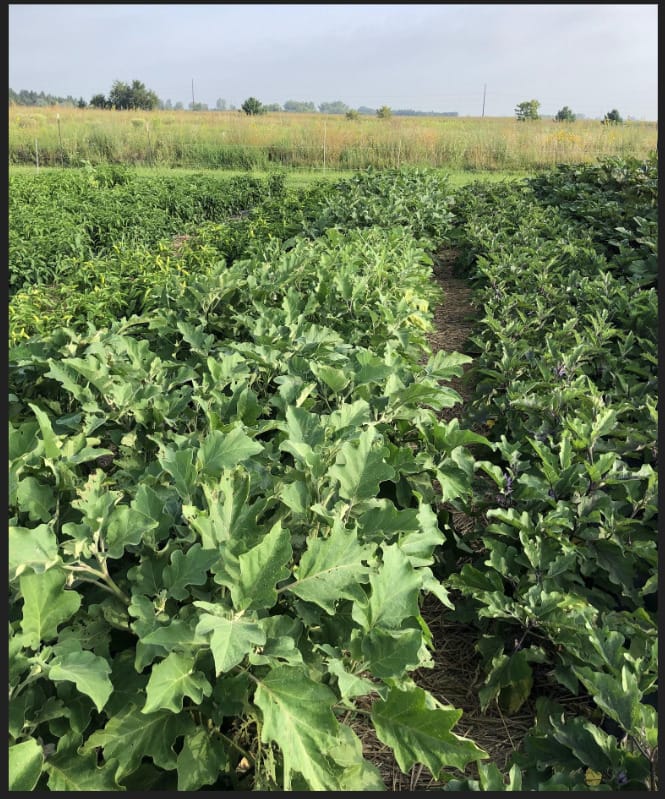
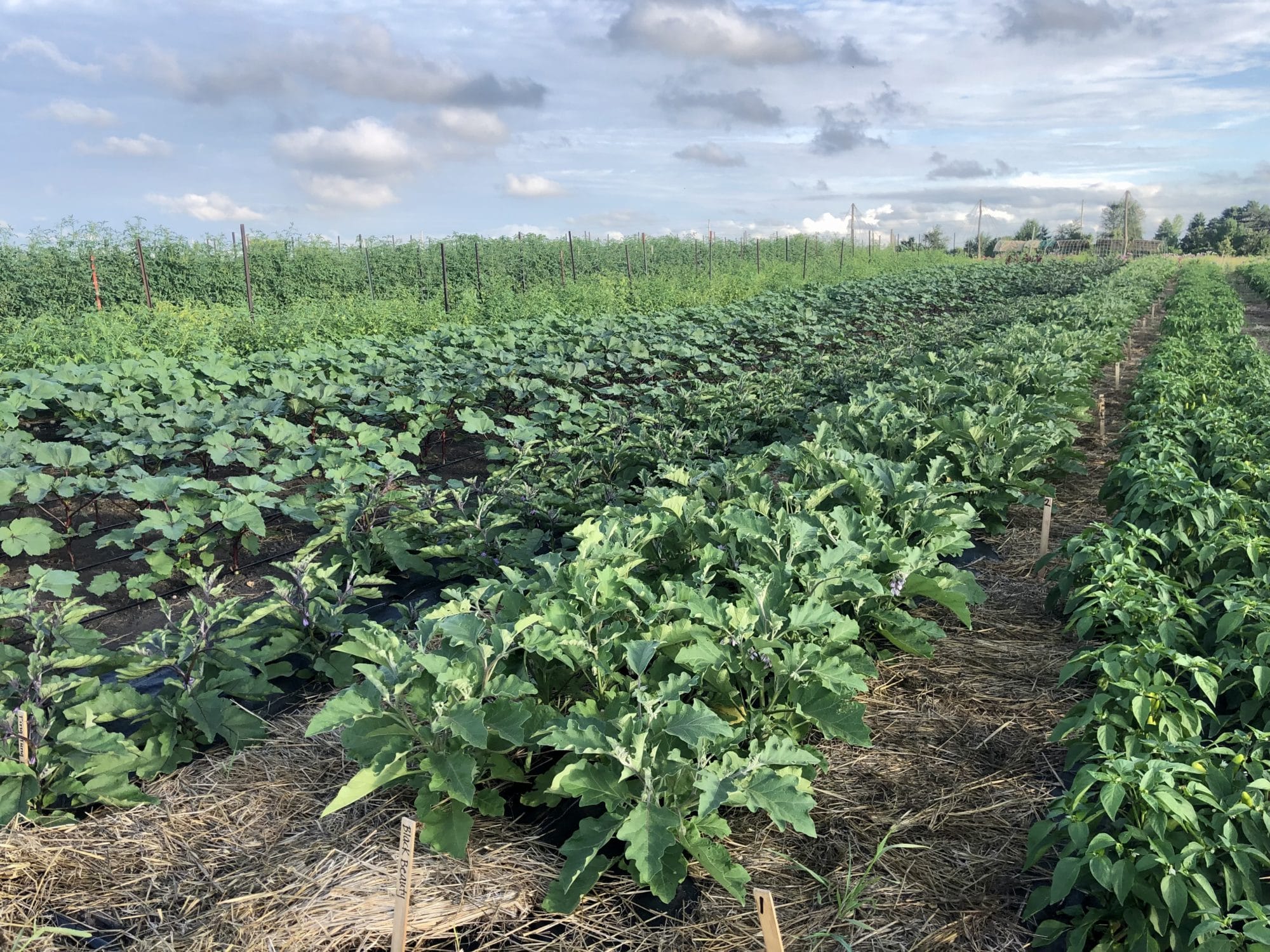
While Solko and Maxwell were concerned about disease pressure after the heavy application of damp BSG, they observed no disease pressure in either fertilization treatment. However, both treatments experienced heavy pest pressure from potato beetles. While the cooperators did not quantify pest pressure, they noted that the Sustane treatment appeared to recover from pest pressure better than the BSG treatment.
Conclusions and Next Steps
Applying 1.5 lb/ft2 of BSG per plot resulted in double the yield in terms of number of eggplants and pounds of marketable eggplant compared to fertilizing with 0.04 lb/ft2 of Sustane per plot. It is not possible to determine what features of the fertilizers or application rates drove this difference in this trial, but the trial demonstrates that BSG can support healthy and high-yielding plants. Solko and Maxwell are pleased that they “now have a good idea that the waste product from our neighbor will be a benefit to us.” They are eager to keep experimenting with BSG and may trial bioprocessing the BSG through fermentation or composting before application in the coming growing season.
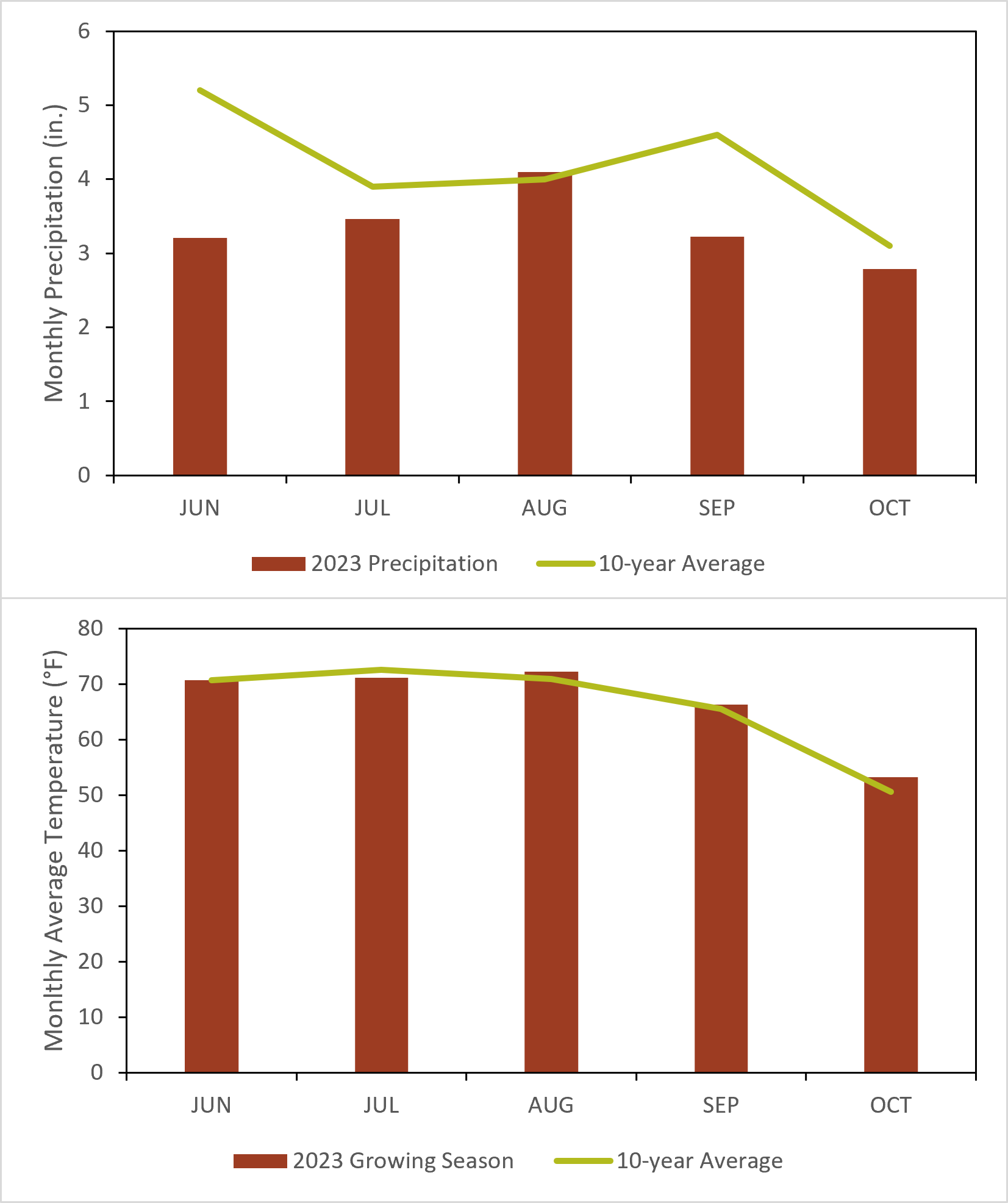
Appendix – Trial Design and Weather Conditions
References
[1] C. Cacace et al., “Potential of native and bioprocessed brewers’ spent grains as organic soil amendments,” Front. Sustain. Food Syst., vol. 6, 2022, Accessed: Jun. 01, 2023. [Online]. Available: https://www.frontiersin.org/articles/10.3389/fsufs.2022.1010890 [2] A. Biller, “Building soil fertility with spent brewers' grains.,” Final report for FNE17-864-SARE Grant Management System, 2018. Accessed: May 25, 2023. [Online]. Available: https://projects.sare.org/project-reports/fne17-864/ [3] Climodat Reports, “Iowa Environmental Mesonet.” Iowa State University. Accessed: January 16, 2024. [Online]. Available: http://mesonet.agron.iastate.edu/climodat/