Funding provided by Builders Vision Philanthropy and USDA-NRCS.
In a Nutshell:
- Corn gluten meal can be used as an organic pre-emergent herbicide. If applied at the correct time, it will prevent weed seeds from rooting once they germinate.
- Cooperator Gary Guthrie proposed this trial because he has applied corn gluten meal to his onion crop for several years but was not quite sure if the product was affecting weed presence.
- In 2025, Guthrie, Nick Campney, Roxane Mitten and Emmaly Renshaw conducted trials assessing how corn gluten application affects weed biomass and crop yield compared to their typical cultivation or mulching methods.
Key Findings:
- Cooperators found that corn gluten plots had more weed biomass than mulched plots (Campney and Mitten) and about the same weed biomass as plots that were cultivated and not mulched (Guthrie and Renshaw).
- Mitten and Guthrie found that corn gluten treatments had significantly higher crop yield compared to their control treatments. They attribute this to the corn gluten functioning as a nitrogen fertilizer.
- Cooperators concluded that corn gluten might be useful as a pre-emergent in some niche use cases such as high tunnels, but application method and strict timing requirements limit its usefulness for many farms. However, it is a nitrogen fertilizer option!
Background
Corn gluten meal is a corn milling by-product that contains 60% protein and is often used in livestock and pet feed. It can also be used as an organic pre-emergent herbicide [1]. The corn gluten prevents germinating seeds from forming roots but does not affect ungerminated seeds or already established weeds [2]. Therefore, it only works as an herbicide during a very narrow window of time at germination. The product is also 10% nitrogen by weight and acts as a slow-release fertilizer.
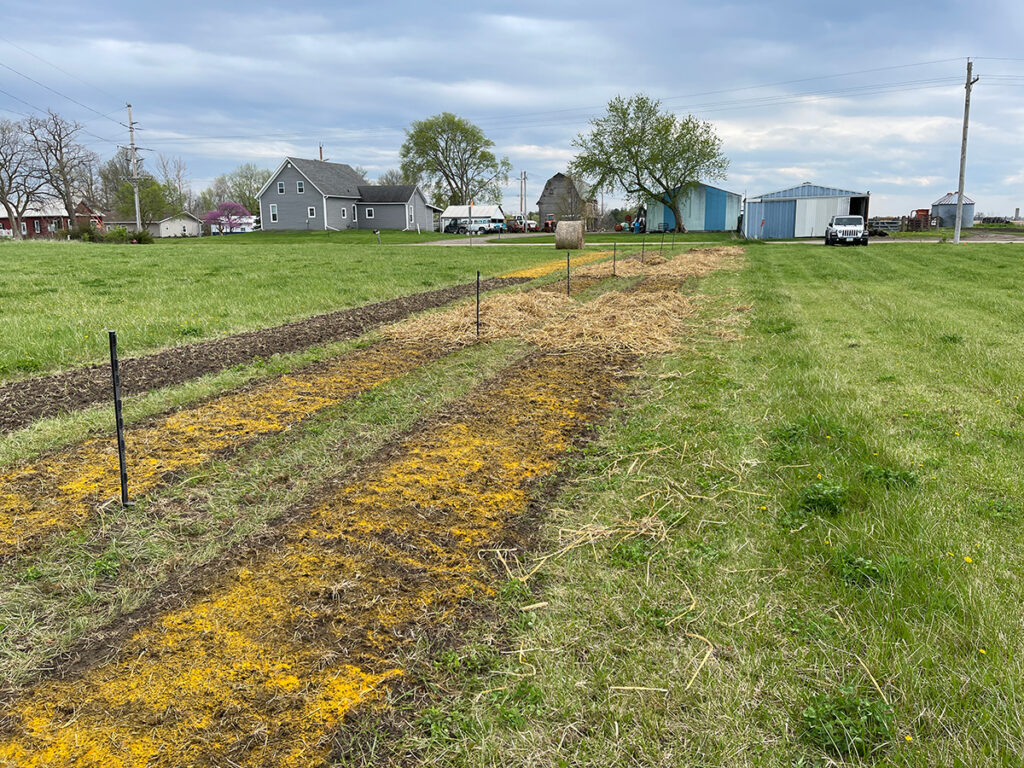
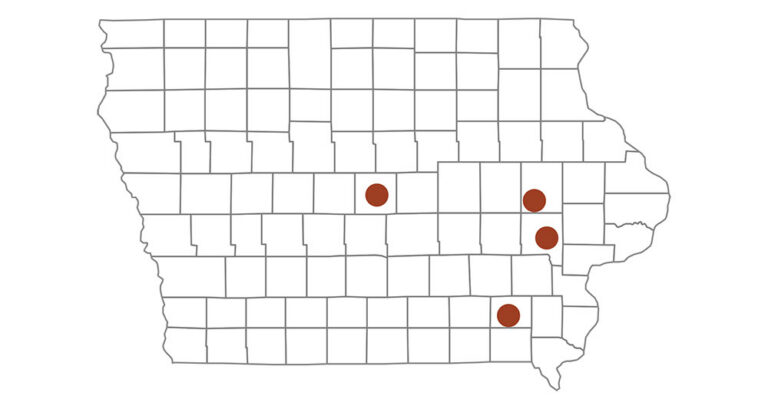
In 2025, Nick Campney, Gary Guthrie, Roxane Mitten and Emmaly Renshaw decided to conduct trials on the efficacy of corn gluten meal as a weed suppressant compared to their normal mulching and weed management practices. They were motivated by the potential for corn gluten to reduce early-season labor needs, costs and/or soil disturbance compared to cultivation or mulching. Gary Guthrie and Emmaly Renshaw had both previously used the product, while Roxane Mitten and Nick Campney were both new to it. Campney, who usually uses straw for weed suppression, said that he wanted to do the trial because “corn gluten may be easier to apply than straw. A high nitrogen weed suppressant may have a positive effect on overall crop health or vigor compared to a carbon-based mulch.”
Methods
Design
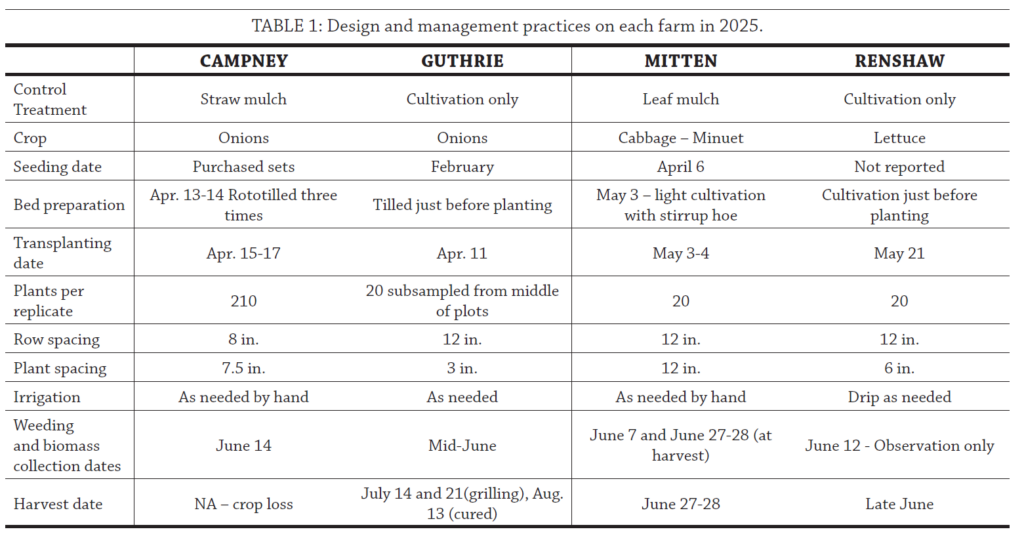
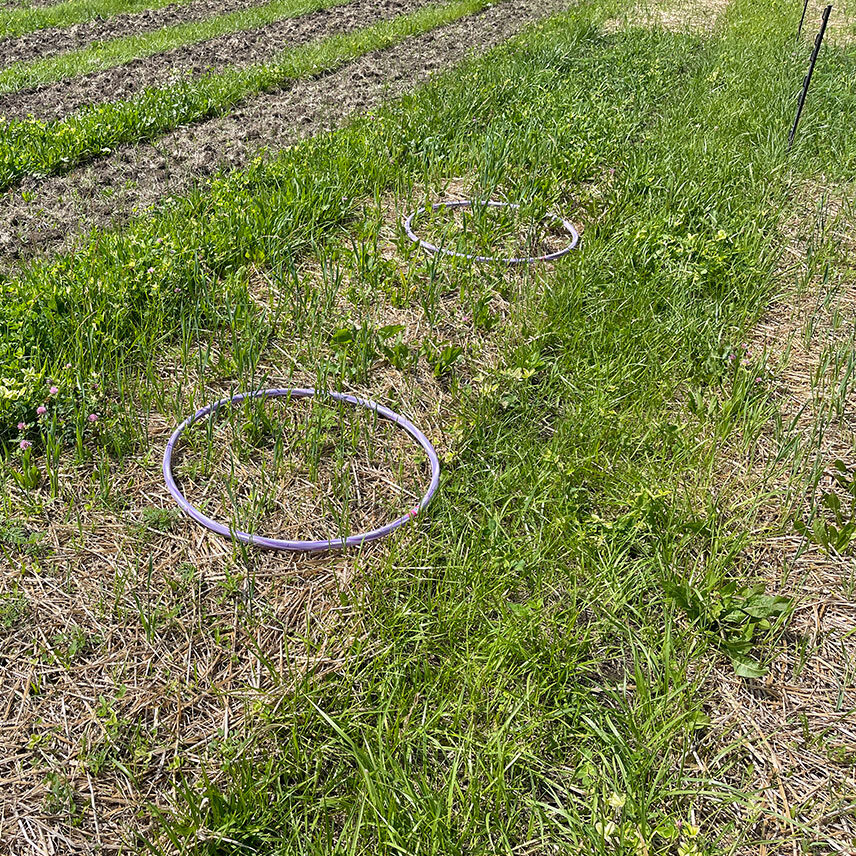
While the farmers initially planned to conduct trials in onion plots, in the end, only Guthrie and Campney established their trials in onion plots. Mitten conducted her trial on cabbages and Renshaw conducted the trial on lettuce. All farmers used their standard mulching practices as a control to ensure that their data was meaningful for their operation. They used a standard corn gluten application rate of 20 lb/1,000 ft2. Treatments and management details for each farm are included in Table 1. Campney, Guthrie and Mitten planted four replicates of each treatment, corn gluten and control, and Renshaw planted three replicates. All farmers used a randomized block design. An example trial layout is shown in Figure A1.
Measurements
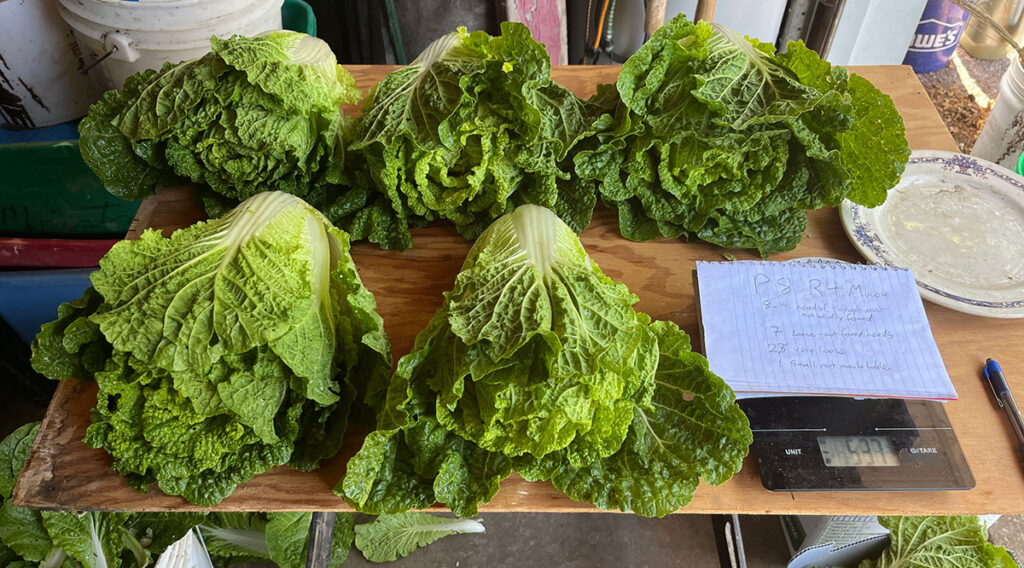
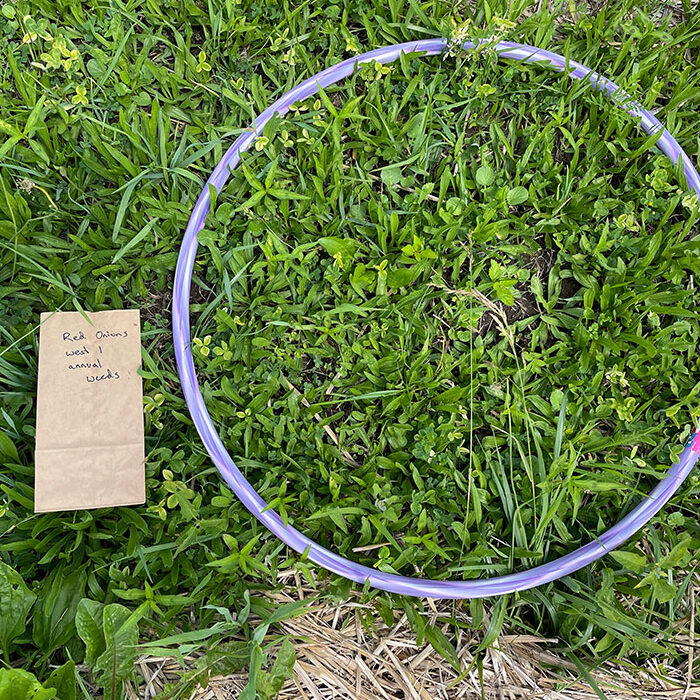
At about four weeks after transplanting, or whenever the crop needed to be weeded, the farmers pulled all weeds each replicate, air dried it in paper bags and weighed it once dry. Guthrie counted number of weeds per plot instead of weighing biomass. At harvest, farmers weighed the amount of crop harvested from each treatment replicate. Mitten opted to measure weed biomass again at harvest and counted the number of cabbages harvested from each replicate and their individual weights. Campney was unable to harvest his onions due to crop failure but did record weed biomass earlier in the season.
Data Analysis
We used an ANOVA (Analysis of Variance) at a 90% confidence level to determine if there were significant differences in weed biomass and crop yield at each farm. The models accounted for whether weed suppression treatment and/or replication contributed to weed biomass or yield, respectively (2-way ANOVA). The 90% confidence level means any effects we declare statistically significant would be expected to occur at least 9 times out of 10 if the experiments were carried out in identical conditions. We could perform statistical analysis because each farm had replicated and randomized experimental designs (Figure A1).
Results and Discussion
Weed control
Campney and Mitten both compared corn gluten to a mulch weed suppressant and found that the corn gluten performed significantly worse than their mulches (Figure 1). Guthrie compared corn gluten to cultivation alone and found that corn gluten did not significantly improve weed control compared to cultivation alone.
Renshaw similarly compared corn gluten to a cultivation treatment. While she did not measure weed biomass, she did note that “areas of heavier application did better [in terms of weed suppression]! We spread with a walk-behind lawn fertilizer and at the beginning on our open bed, the door was open and it threw a lot. This area did really well.”
Yield
Guthrie and Mitten both found that crops in their corn gluten treatment outyielded the crops in their control/mulch treatments (Figure 2). They both attribute this to the nitrogen released by corn gluten. Guthrie reflects that “while the gluten probably did not lower my weed count, the 10% nitrogen from the gluten aided significantly in yield and onion quality. I have had excellent onions (while using corn gluten), now I know why.” Mitten also observed that her leaf mulch may have cooled the soils and harbored more cabbage pests, hampering early cabbage growth.
Renshaw did not find any significant difference in lettuce weight between her corn gluten and control treatments (Figure 2). However, she continues to be interested in corn gluten as a potential fertilizer source on her farm for other more nitrogen-sensitive crops. She also observed less pest pressure in her corn gluten treated plots and is interested in continuing to investigate corn gluten for pest control.
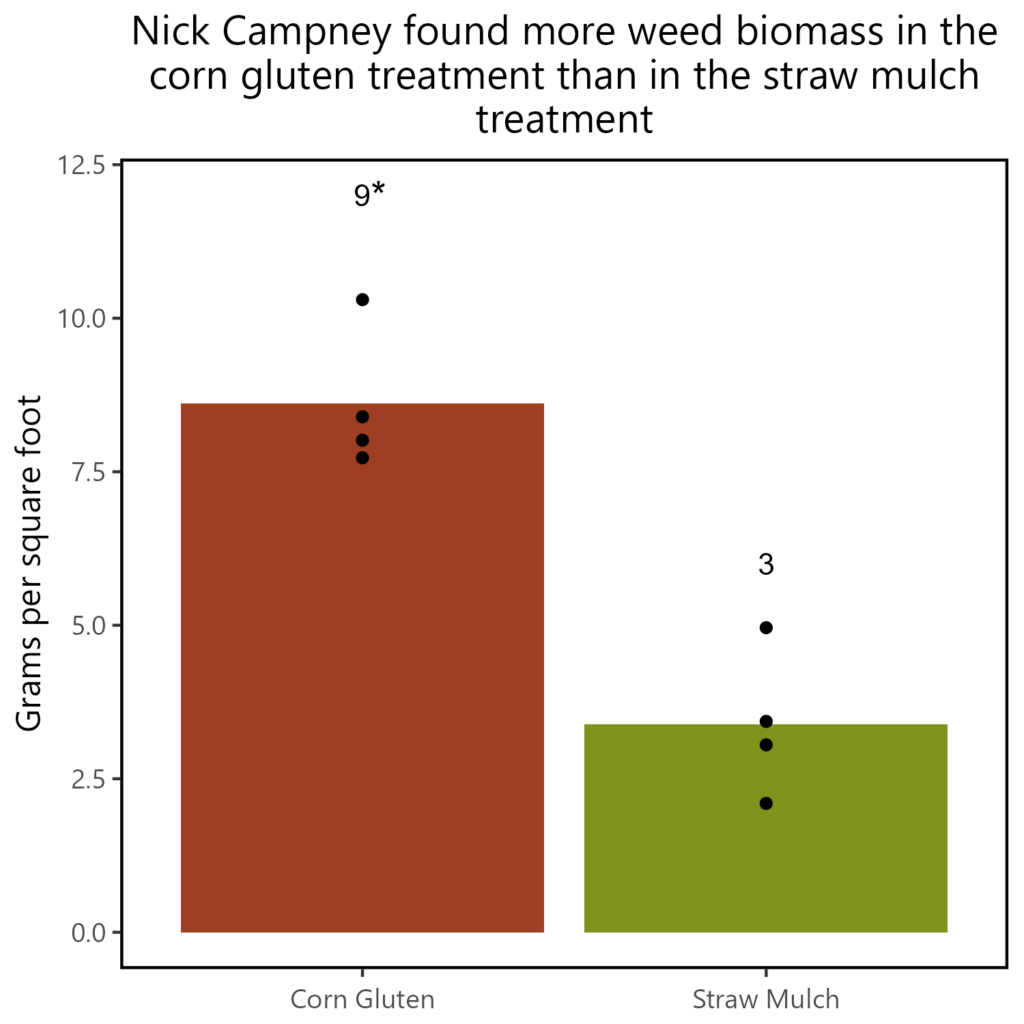
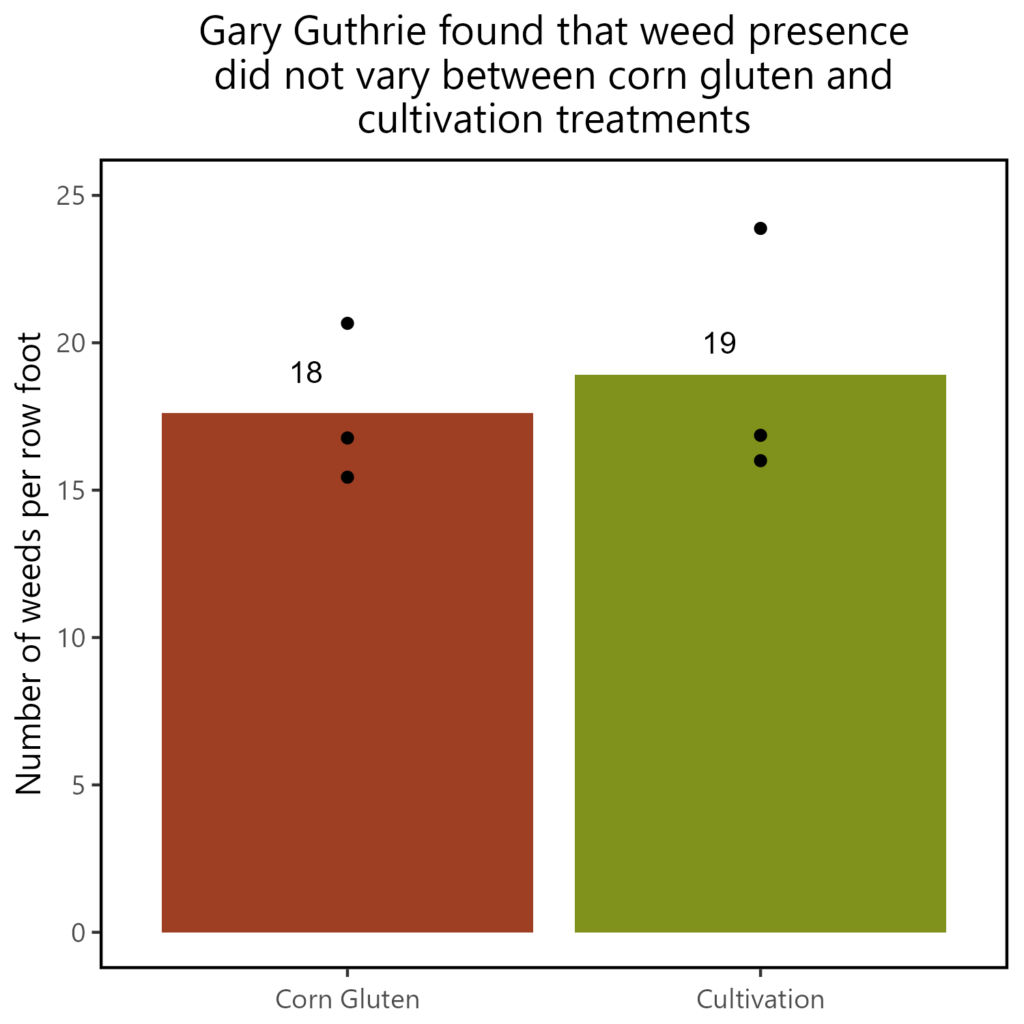
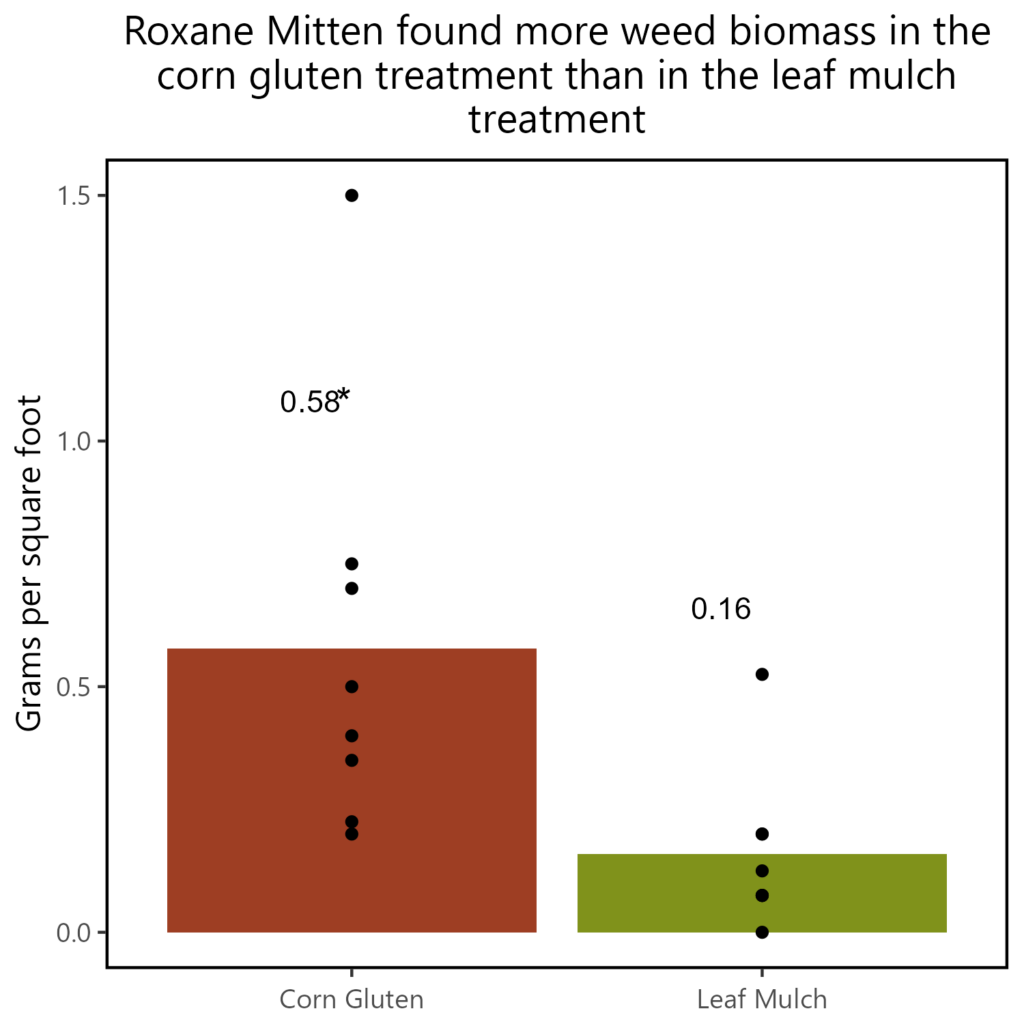
FIGURE 1. Weed biomass at Nick Campney’s and Roxane Mitten’s and weed counts at Gary Guthrie’s in June 2025. Columns represent the average weed biomass or count for each treatment. Points represent weed biomass or count from each individual plot. Asterisks (*) indicate that corn gluten resulted in statistically greater weed biomass than control at Campney’s and Mitten’s at the 90% confidence level. Click graphs to enlarge.
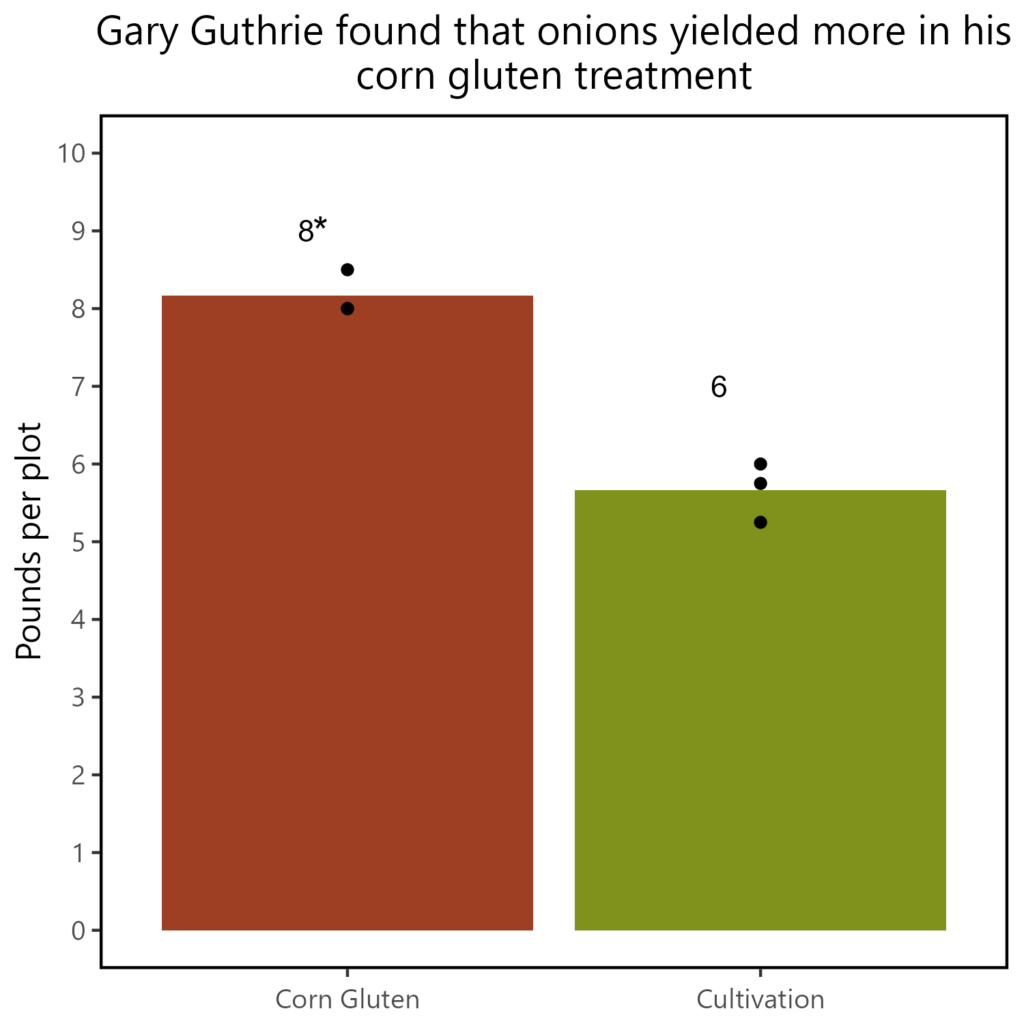
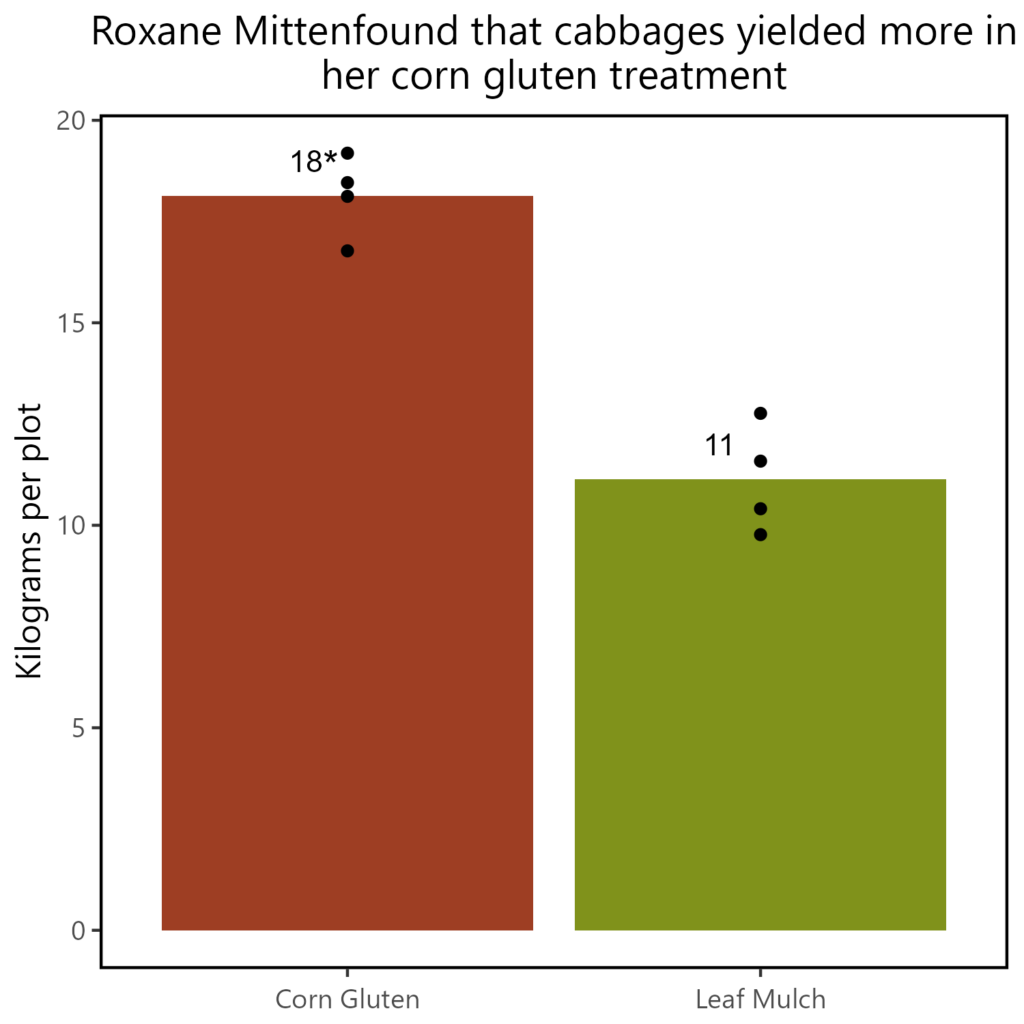
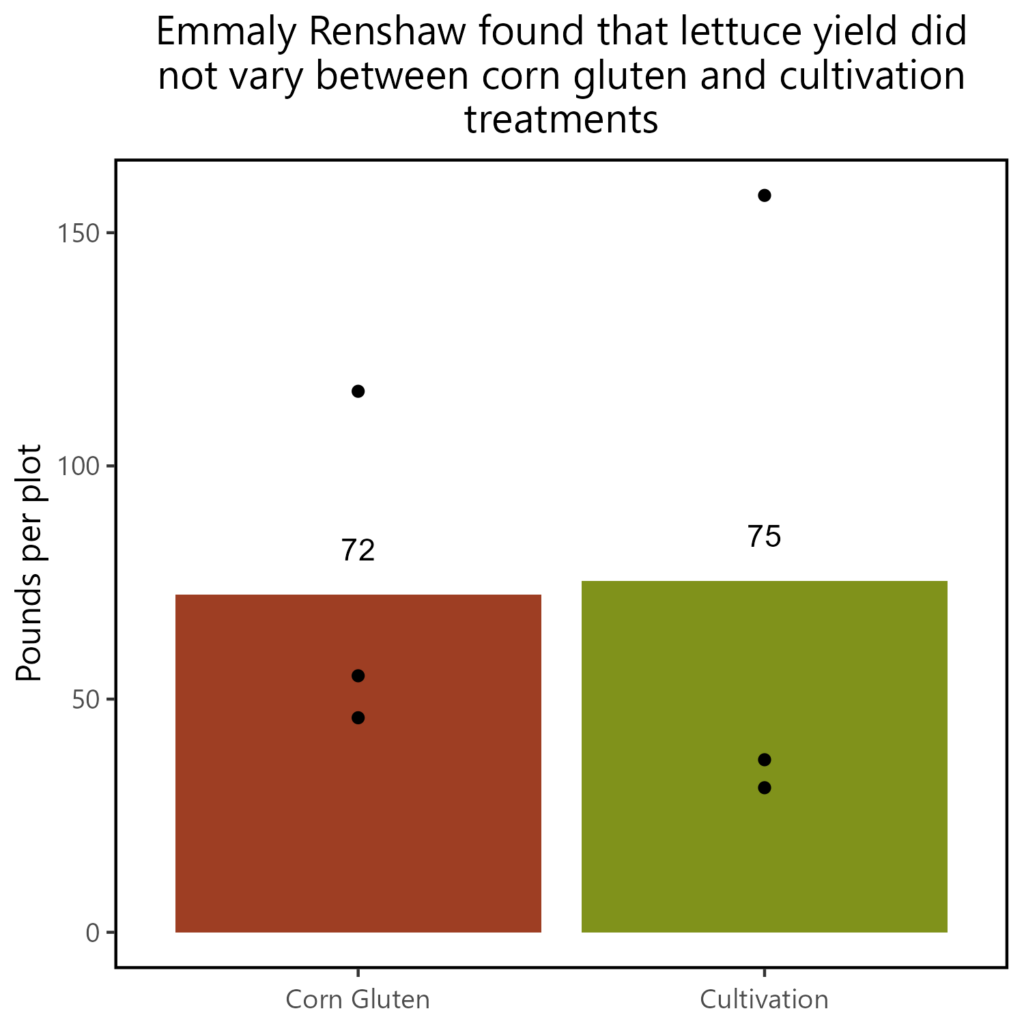
Figure 2. Onion (Guthrie), cabbage (Mitten) and lettuce (Renshaw) yields in 2025. Columns represent the average yield for each treatment. Points represent yield from each individual plot. Asterisks (*) indicate that corn gluten resulted in statistically greater yields than control at Guthrie’s and Mitten’s at the 90% confidence level. Click graphs to enlarge.
Conclusions and Next Steps
Overall, the farmers concluded that corn gluten might be useful as pre-emergent herbicide in some cases. However, it cannot be relied on in field settings because it washes away easily with rain or sprinkler irrigation and is difficult to apply evenly and at scale in powdered form. Still, they thought it was valuable to try a new product through a trial and were happy to learn just how valuable it can be as a fertilizer. Renshaw notes that the most valuable aspect of the trial for her farm was “having funding and peer support to try something outside of our typical scope! Thank you for the partnership.”
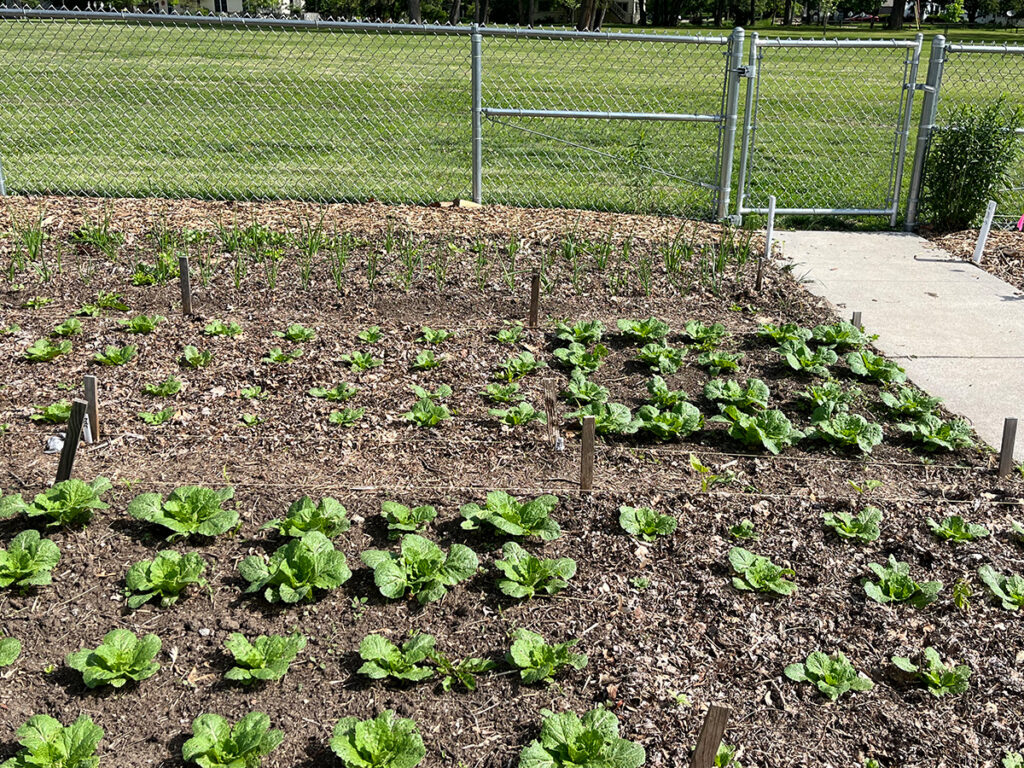
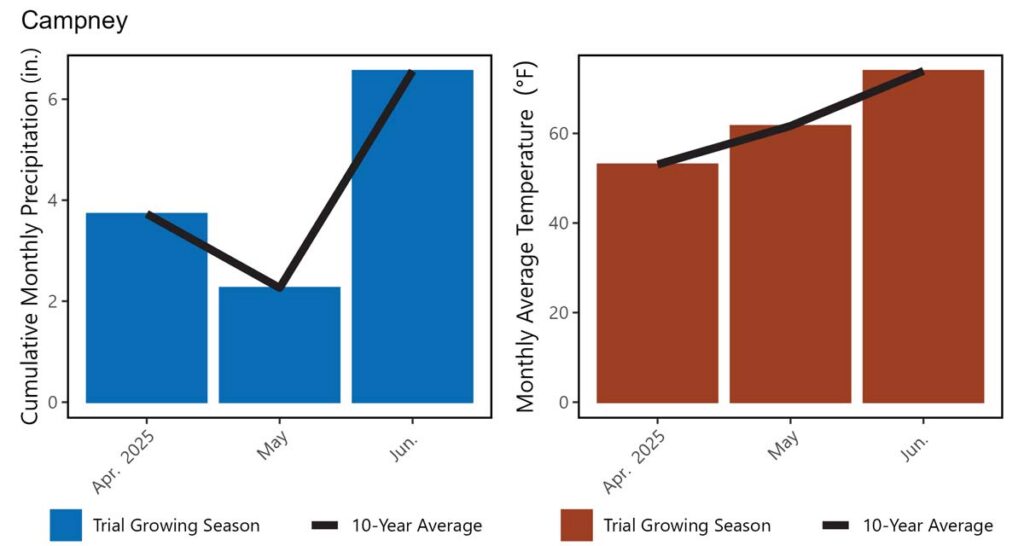
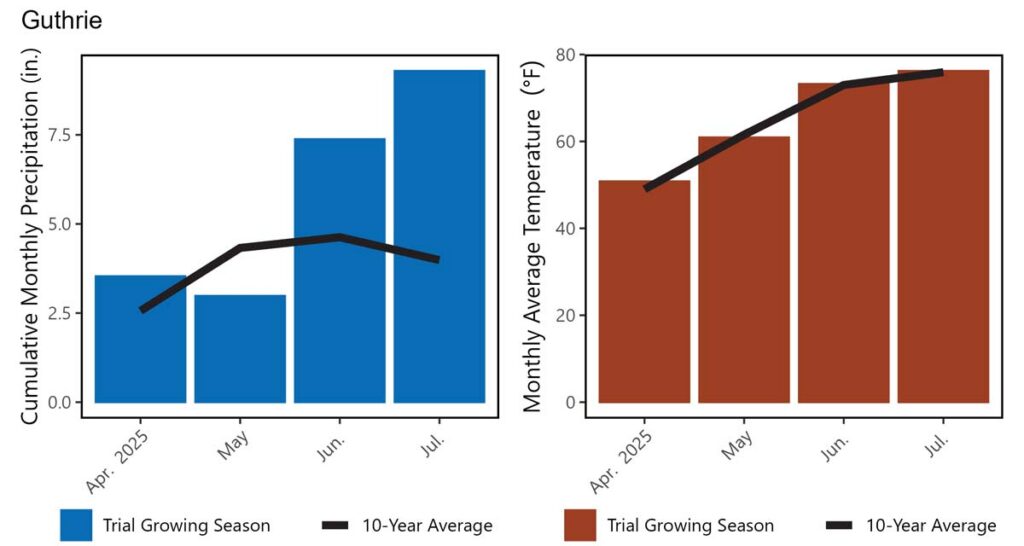
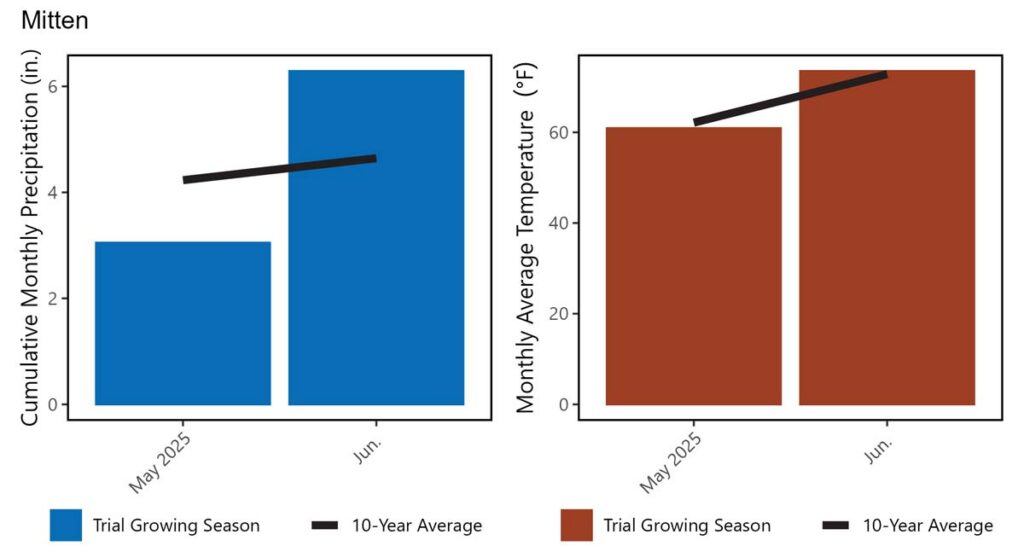
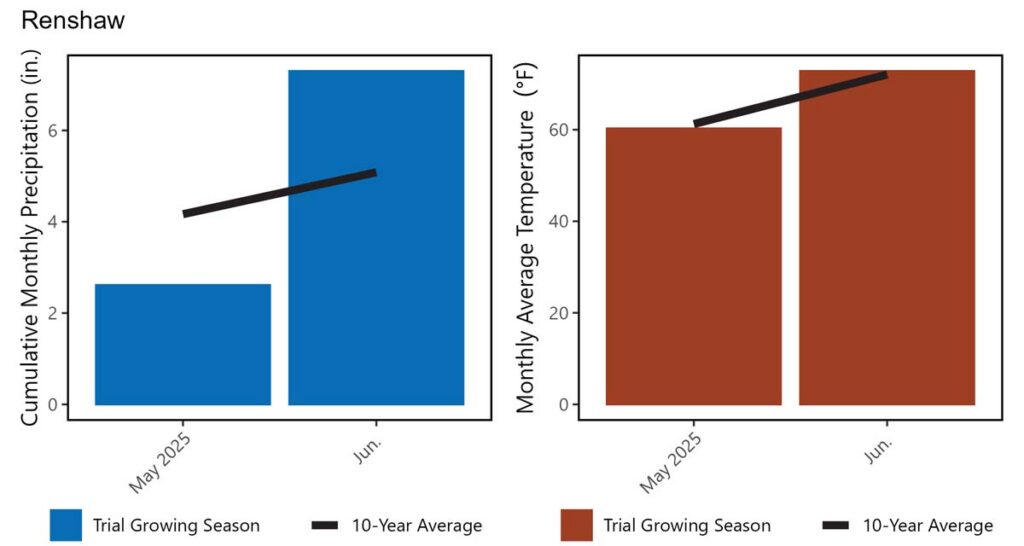
Appendix - Trial Design and Weather Conditions

Funding Acknowledgement
This material is based upon work supported by the U.S. Department of Agriculture, under agreement number NR226114XXXXG004. Any opinions, findings, conclusions, or recommendations expressed in this publication are those of the author(s) and do not necessarily reflect the views of the U.S. Department of Agriculture. In addition, any reference to specific brands or types of products or services does not constitute or imply an endorsement by the U.S. Department of Agriculture for those products or services.
References
- “How to Use Corn Gluten Meal as Herbicide in the Lawn and Garden,” Yard and Garden. Accessed: Apr. 22, 2026. [Online]. Available: https://yardandgarden.extension.iastate.edu/how-to/how-use-corn-gluten-meal-herbicide-lawn-and-garden
- N. E. Christians, “The Use of Corn Gluten Meal as a Natural Preemergence Weed Control in Turf,” Int. Turfgrass Soc. Res. J., vol. 7, 1993, [Online]. Available: https://www.hort.iastate.edu/wp-content/uploads/2014/12/cornglut3.pdf
- A. H. Sparks, “nasapower: A NASA POWER Global Meteorology, Surface Solar Energy and Climatology Data Client for R,” J. Open Source Softw., vol. 3, no. 30, p. 1035, Oct. 2018, doi: 10.21105/joss.01035.
- A. H. Sparks et al., nasapower: NASA POWER API Client. (May 18, 2024). Accessed: Sep. 11, 2024. [Online]. Available: https://cran.r-project.org/web/packages/nasapower/index.html