In a Nutshell:
- Hybrid rye is a grain commonly fed to pigs in Europe. It is high in fiber and low in energy.
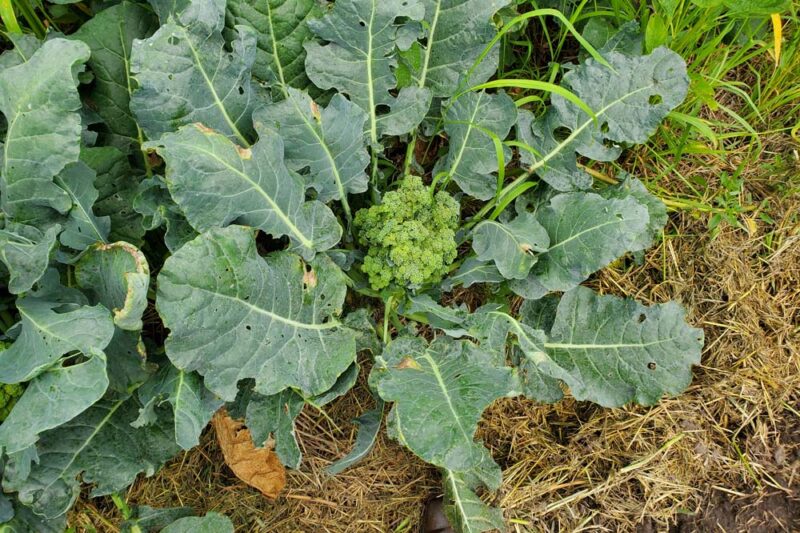
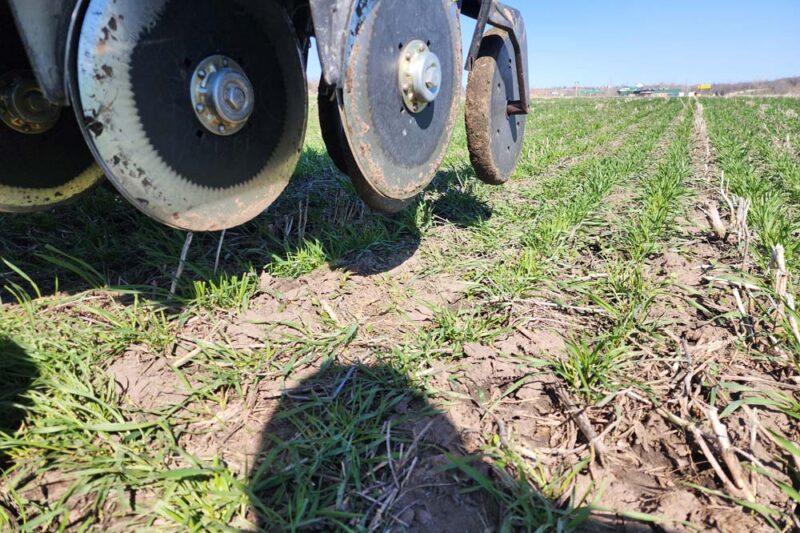
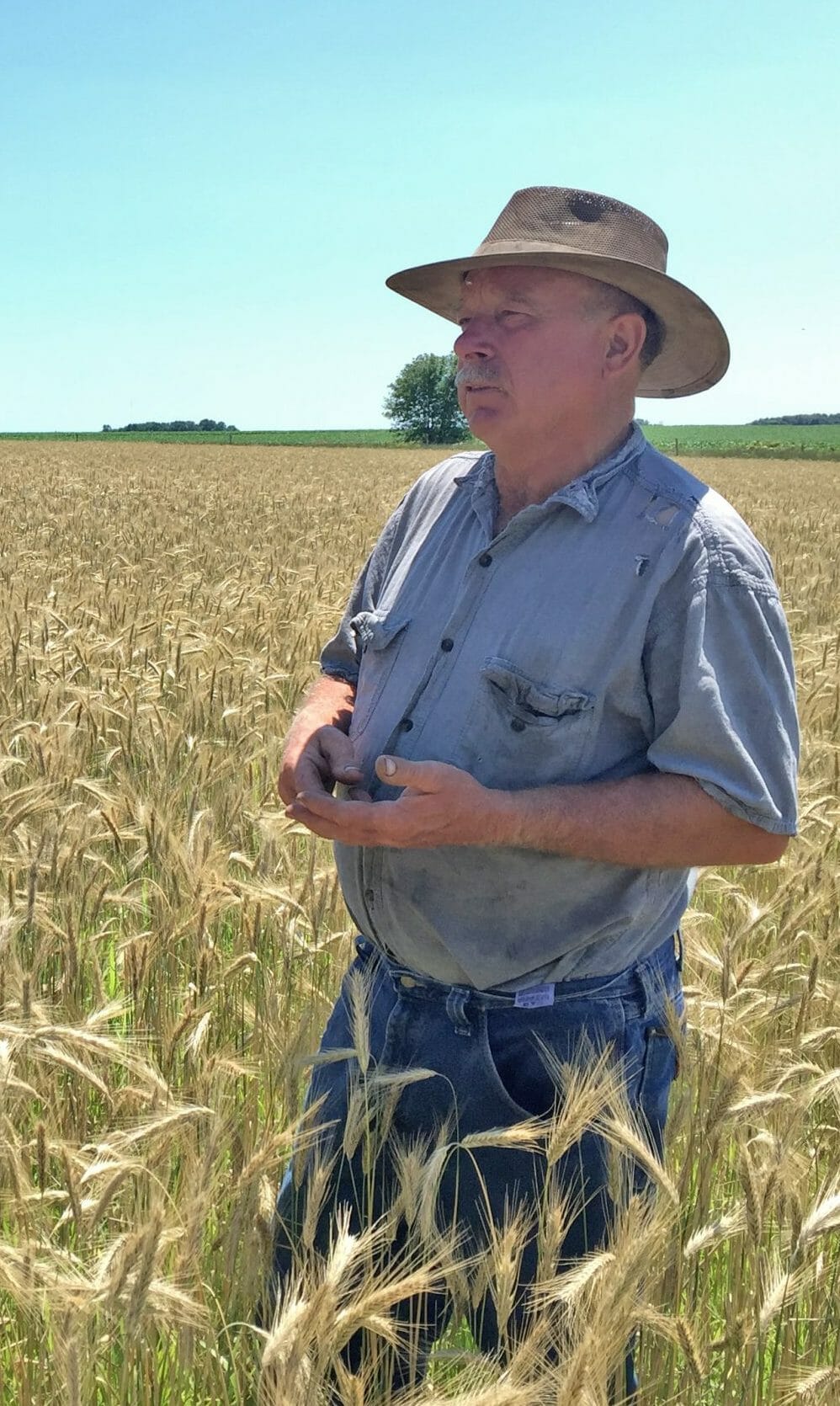
- To evaluate the performance of hybrid rye as a feed for organic pigs, the Frantzens raised hybrid rye on the farm and then used it to replace half of the corn of their standard ration.
Key Findings:
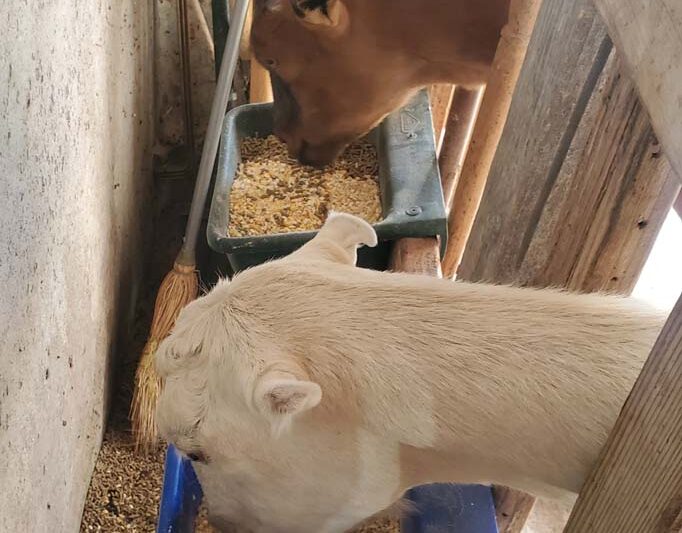
- Feeder pigs fed a ration with corn/hybrid rye/soy performed equally to feeder pigs fed a standard corn/soy ration.
- The corn/hybrid rye/soy ration was also less expensive to feed than the standard corn/soy ration.
- Growing hybrid rye helped diversify and extend the Frantzens’ organic crop rotation, and served as an adequate feedstuff, which benefited the farm’s field crop and livestock operations.
Background
Methods
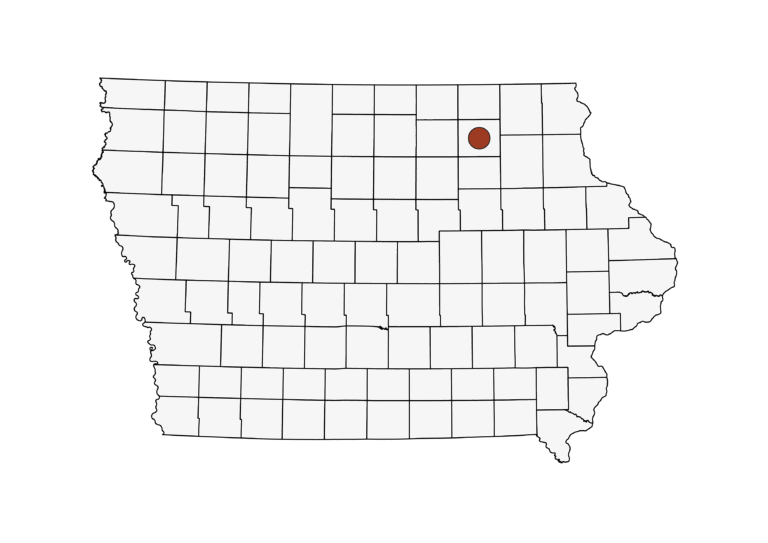
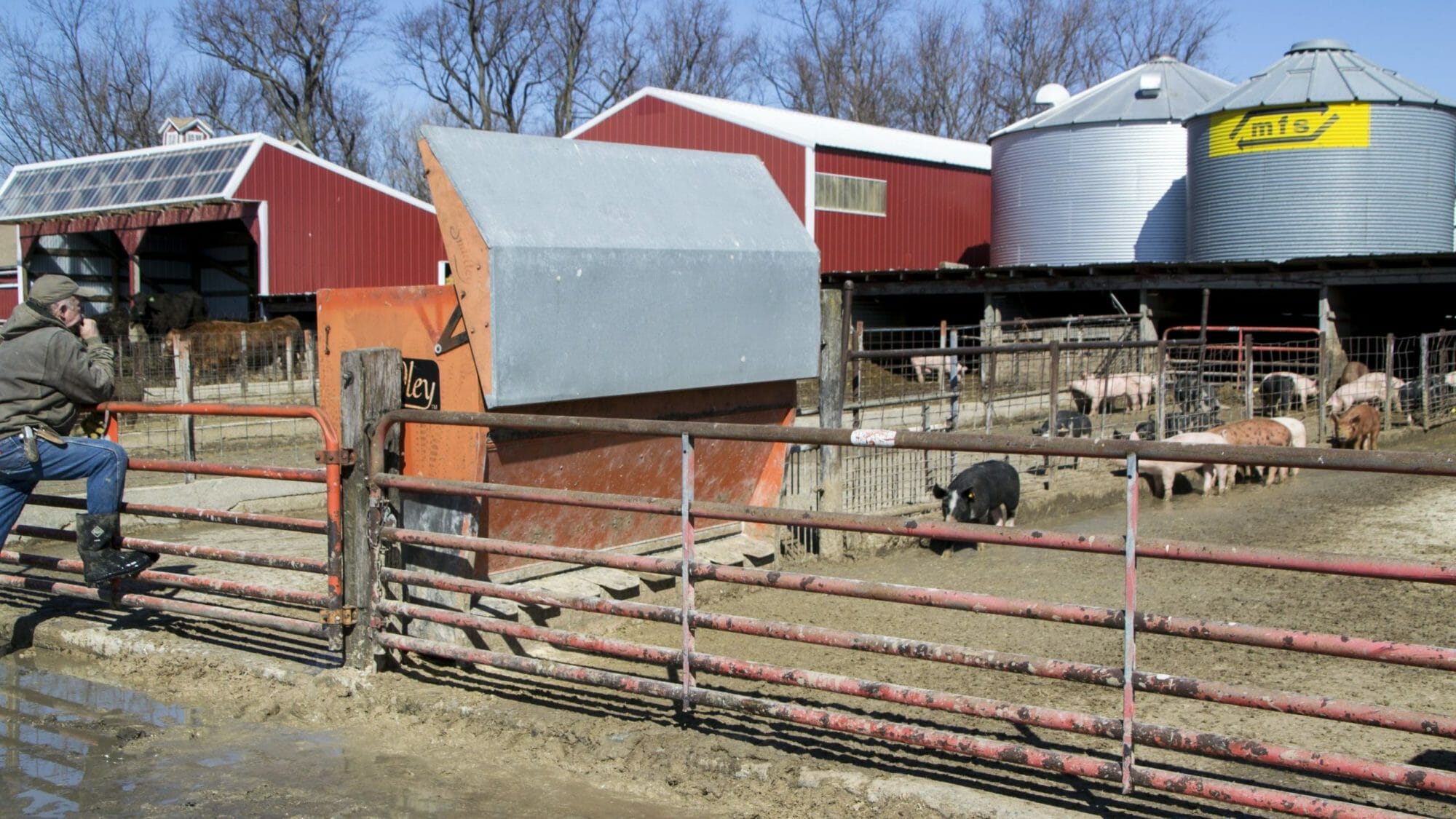
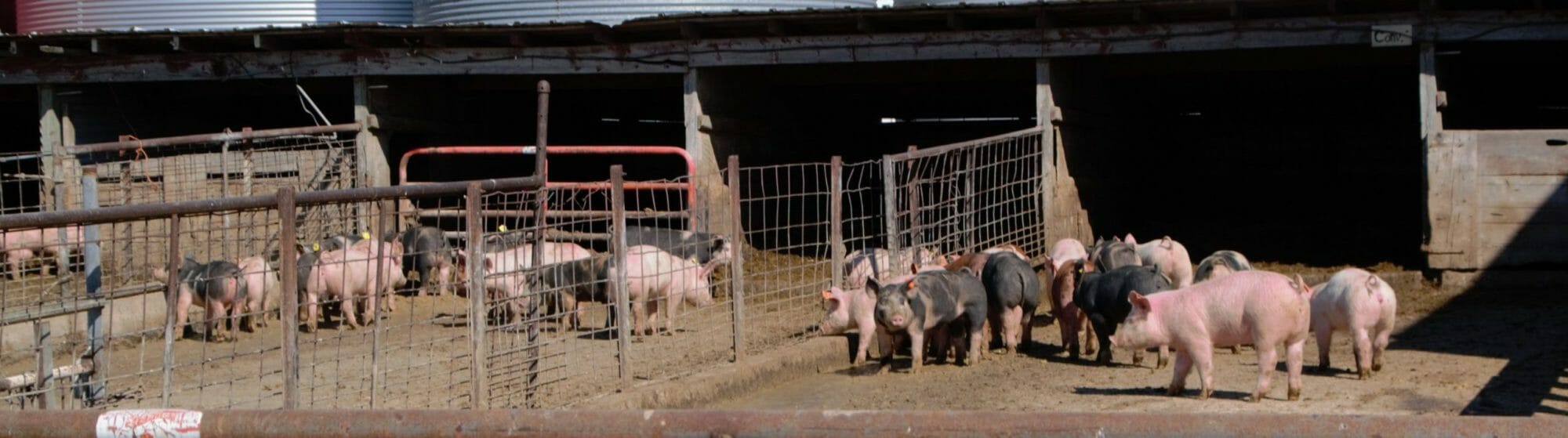
This trial was conducted by Tom and Irene Frantzen, Frantzen Family Farms, in New Hampton, IA from October 2018 to December 2019. The farm’s 300 acres of crops support a 30-sow farrow to finish operation and 60-head beef cow-calf herd.
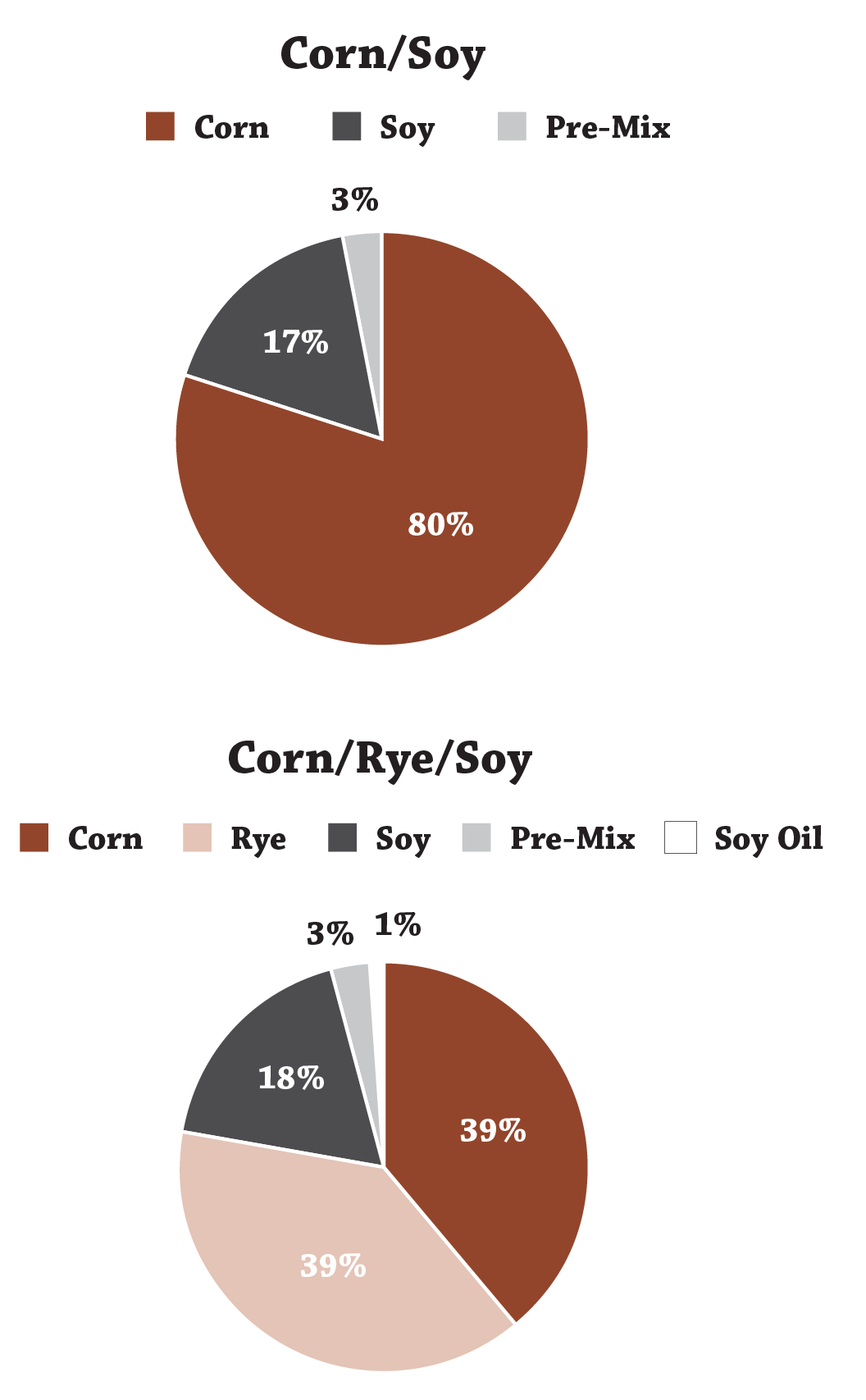
- Standard corn/soy ration (control)
- Corn/hybrid rye/soy ration (treatment)
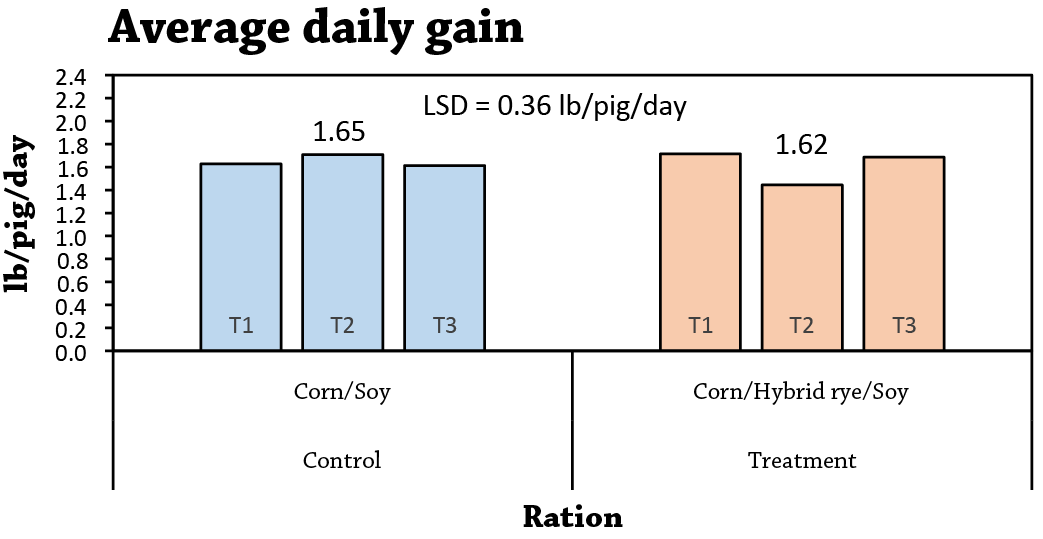
- ADG (lb/day) = (Avg. pig end weight – Avg. pig start weight) ÷ Number of days
For each turn, the Frantzens recorded how much feed was fed to all pigs in either group. They considered the total amount of feed, the number of pigs and the total amount of weight gained by the entire group of pigs to determine daily feed intake and feed conversion as follows:
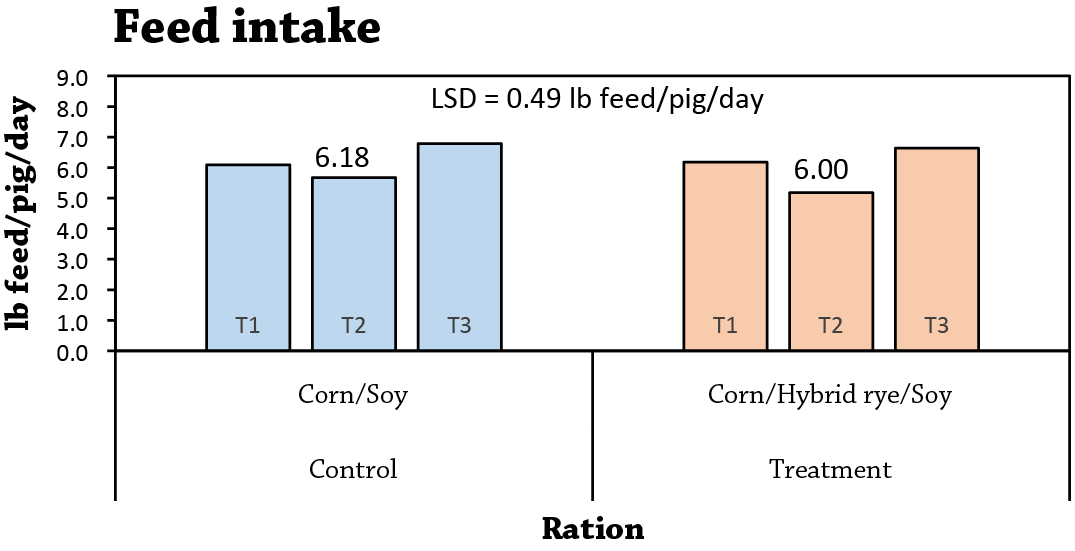
- Daily feed intake (lb feed/pig/day) = Total feed consumed by all pigs in group ÷ Number of pigs in the group ÷ Number of days
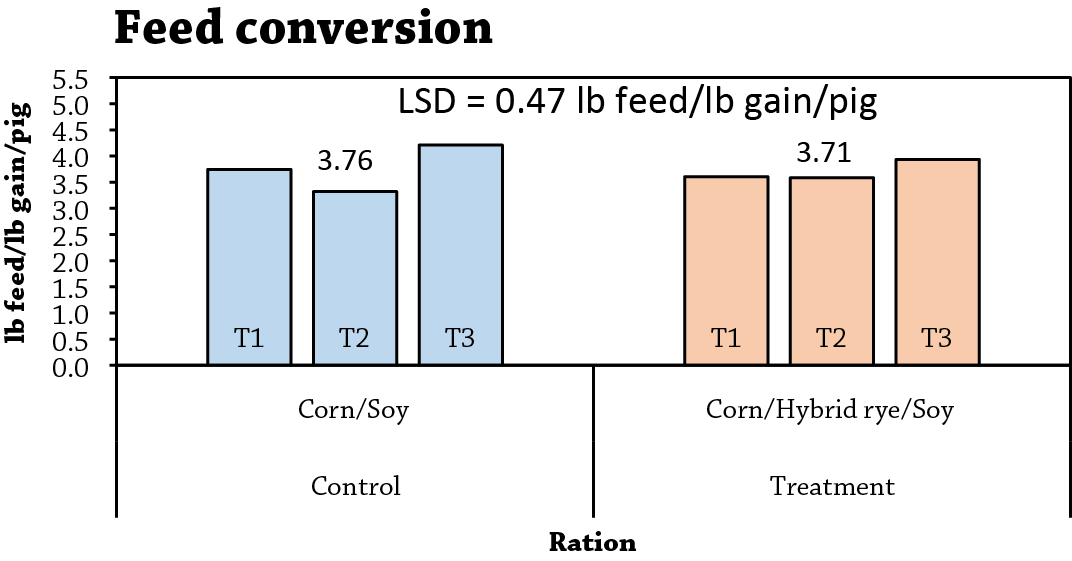
- Feed conversion (lb feed/lb gain) = Total feed consumed by all pigs in group ÷ Total weight gained by all pigs in group
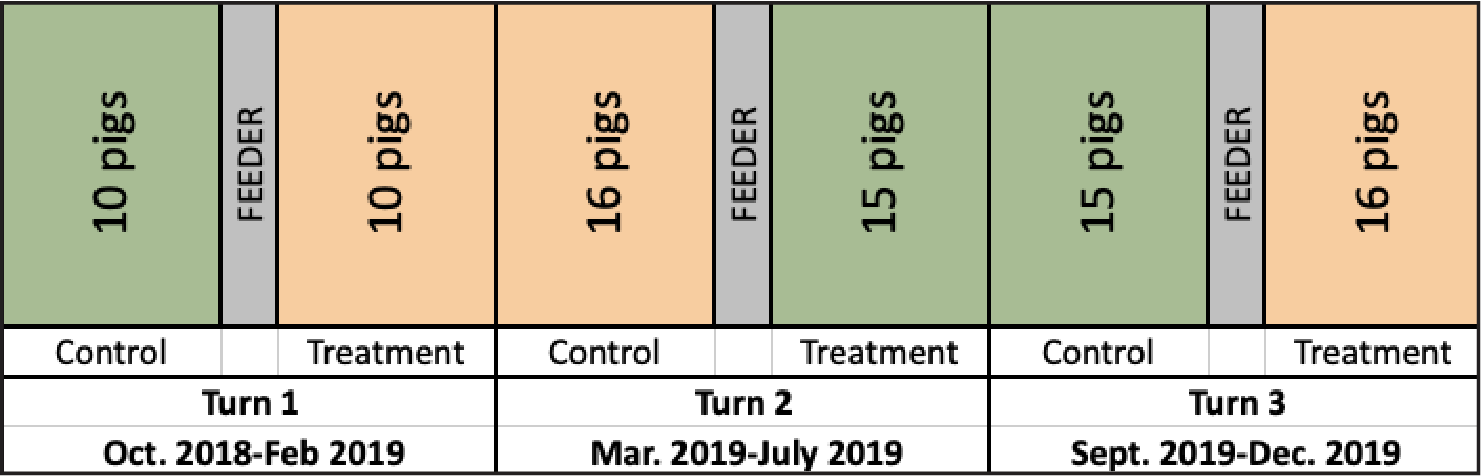
For the purposes of statistical analysis, we considered turns as replications (three replications of two rations in this case) (Figure A1). To evaluate any effects of ration on ADG, daily feed intake and feed conversion, we calculated the least significant difference (LSD) using a t-test. If the difference resulting from the two rations was greater than or equal to the LSD, we considered this a statistically significant effect. On the other hand, if the difference resulting from the two rations was less than the LSD, we considered the groups to be statistically similar. We used a 90% confidence level to calculate the LSDs, which means that we would expect our findings to occur 9 times out of 10.
Results and Discussion
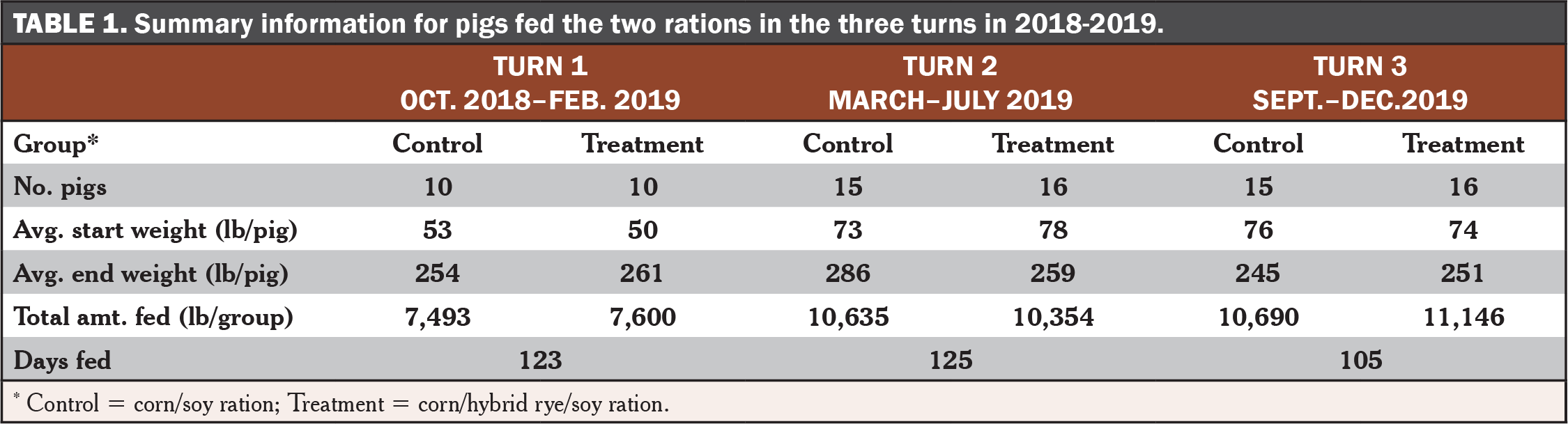
Number of pigs, average start weight, average end weight, amount fed and days fed for both groups in each turn can be found in Table 1.
 Average daily gain
ADG for each turn and the mean of the three turns are shown in Figure 2. Rations had no statistical effect on ADG.
Average daily gain
ADG for each turn and the mean of the three turns are shown in Figure 2. Rations had no statistical effect on ADG.
Conclusions and Next Steps
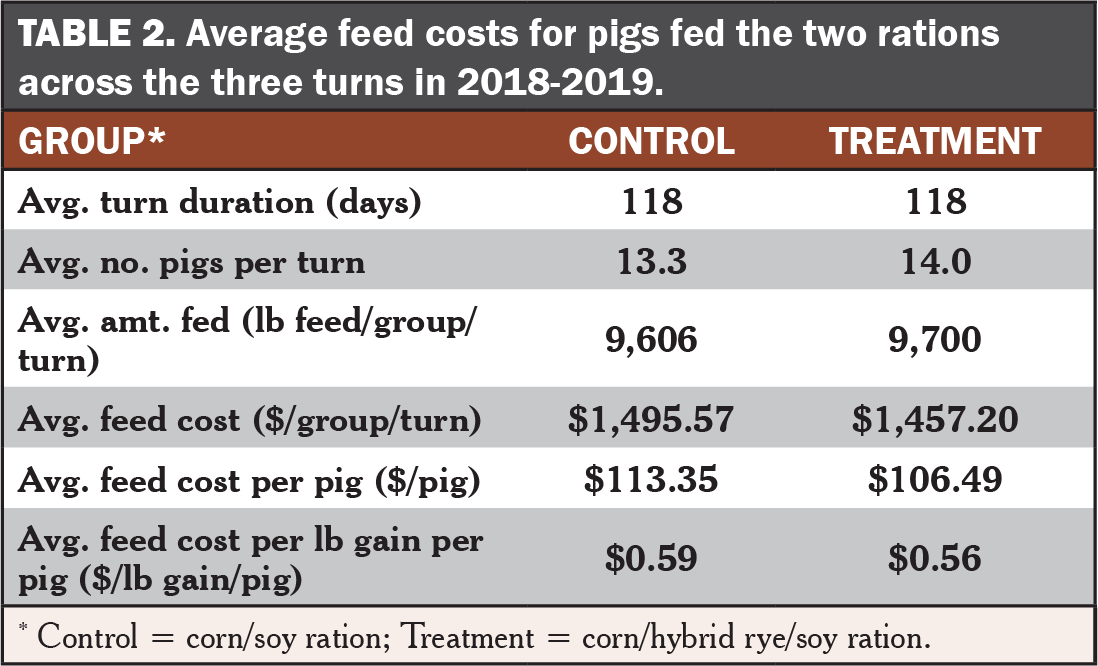
This trial demonstrated feeder pigs performed similarly when fed either a ration with corn/soy (control) or a ration with hybrid rye replacing half of the corn (treatment). On average, ADG, daily feed intake and feed conversion were statistically similar between the pigs fed the control and treatment rations. Feed cost per pound of gain was less for the pigs fed the treatment ration. Raising hybrid rye satisfied the Frantzens’ desire to diversify the farm’s organic crop rotation in an effort to suppress weeds. Planting a winter annual crop like hybrid rye in September can disrupt lifecycles of weeds like giant ragweed that proliferate in the spring. The Frantzens concluded the benefits of hybrid rye not only impacts their feeder pig enterprise, but their entire integrated farm operation. Hybrid rye allowed the Frantzens to extend their five-year rotation to a six-year rotation providing an additional window in their cropping sequence. After hybrid rye harvest, the Frantzens plant a diverse cover crop mix that is grazed by stocker cattle in the fall, providing approximately 30 days of grazing. An extended crop rotation allows the Frantzens to apply manure in September, rather than April, generating a more even spread of labor through the year. “During winter we would have the stocker cows out on corn stalks and apply manure in April. Now, with hybrid rye in the rotation, we are able to adjust the majority of our labor in September rather than April,” Tom said. The Frantzens will continue to grow and feed hybrid rye to their entire farrow-to-finish pig operation. The Frantzens hope the results of this trial help other farmers to learn that farm diversity leads to stability. “We can successfully diversify integrated livestock and crop farms, while being better stewards of the land,” said Tom. “In this trial we not only learned the value of hybrid rye as a feedstuff for feeder pigs, but we are better equipped knowing how this crop benefits our entire farming system.”
Appendix – Trial Design and Production Costs
References
- Oelke, E.A., E.S. Oplinger, H. Bahri, B.R. Durgan, D.H. Putnam, J.D. Doll and K.A. Kelling. 1990. Rye. Alternative Field Crops Manual. https://hort.purdue.edu/newcrop/afcm/rye.html (accessed April 2019).
- Clark, A. 2007. Managing Cover Crops Profitably. 3rd ed. Sustainable Agriculture Research and Education (SARE). https://www.sare.org/Learning-Center/Books/Managing-Cover-Crops-Profitably-3rd-Edition (accessed April 2019).
- Sullivan, Z., M. Honeyman, L. Gibson, J. McGuire and M. Nelson. 2005. Feeding Small Grains to Swine. https://store.extension.iastate.edu/Product/Feeding-Small-Grains-to-Swine-PDF.
- Boggess, M., H. Stein and J. DeRouchey. 2008. Alternative Feed Ingredients for Swine Rations. https://nutrition.ansci.illinois.edu/sites/default/files/AlternativeFeedIngredientsSwineDiets.pdf (accessed April 2019).
- Christy, C.C., T. Frantzen and I. Frantzen. 2019. Adjusting Feeder Pig Rations to Include Hybrid Rye. https://practicalfarmers.org/wp-content/uploads/2019/06/18.L.Hybrid-Rye-as-a-Swine-Feed_Final.pdf (accessed March 2020).
- Hill, G., D.W. Rozeboom, N. Trottier, D.C. Mahan and L. Adeoli. 1988. Tri-State Swine Nutrition Guide. https://archive.lib.msu.edu/DMC/Ag. Ext. 2007-Chelsie/PDF/tristate869.pdf (accessed April 2019).
- KWS Cereals. 2020. Hybrid Rye for Feed Grain. https://mediamaster.kws.com/01_Products/UK_Britain/Cereals/Landing-Page/kws_hybrid_rye_flyer_pig_feeding.pdf (accessed March 2020).
- Coufal-Majewski, S., K. Stanford, T. McAllister, B. Blakley, J. McKinnon, A.V. Chaves and Y. Wang. 2016. Impacts of cereal ergot in food animal production. Frontiers in Veterinary Science. 3: Plastina, A. and A. Johanns. 2019. 2019 Iowa Farm Custom Rate Survey. https://www.extension.iastate.edu/shelby/sites/www.extension.iastate.edu/files/shelby/2019 Custom Rate Survey.pdf (accessed April 2020).