Land-based condominiums offer a creative path to farmland access
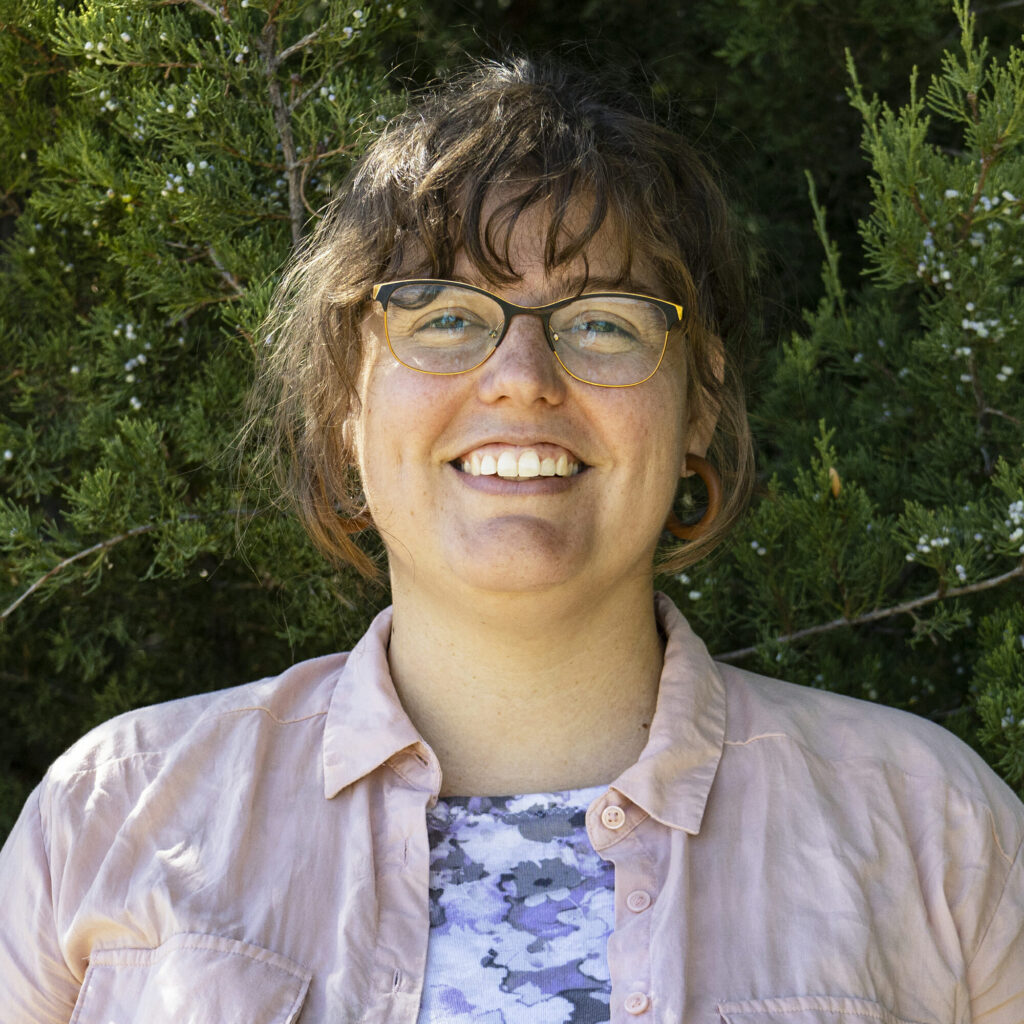
In nearly every decision she makes – as a farmer, land steward and advocate for beginning farmers – Bonnie Warndahl is guided by a singular mission. “I’ve spent my whole life invested in protecting land and natural resources and trying to regenerate land,” she says.
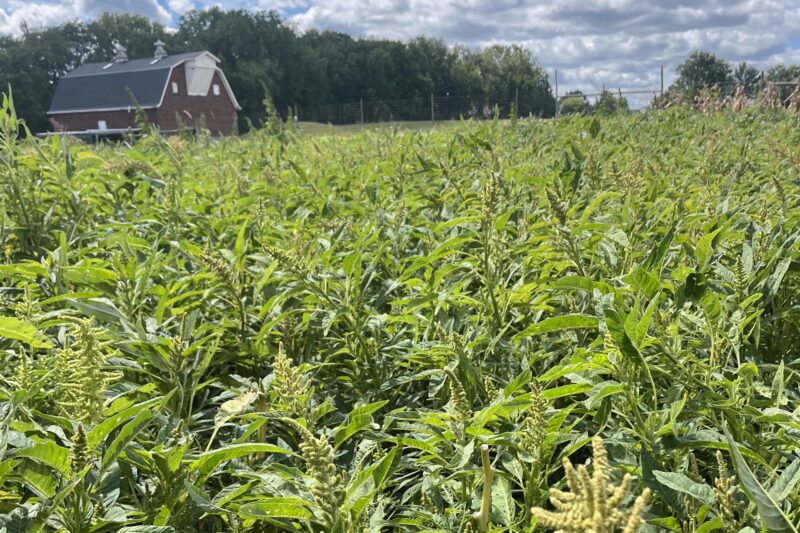
That mission has shaped not only how she farms, but where – and under what kind of ownership structure. Bonnie is the owner and operator of Winnowburrow Farm & Florals in Colfax, Wisconsin, where she has spent the past seven years building a farm business. She began by growing vegetables for a community supported agriculture program, then transitioned primarily to cut flowers while also occasionally raising chickens, cultivating mushrooms and growing dried beans.
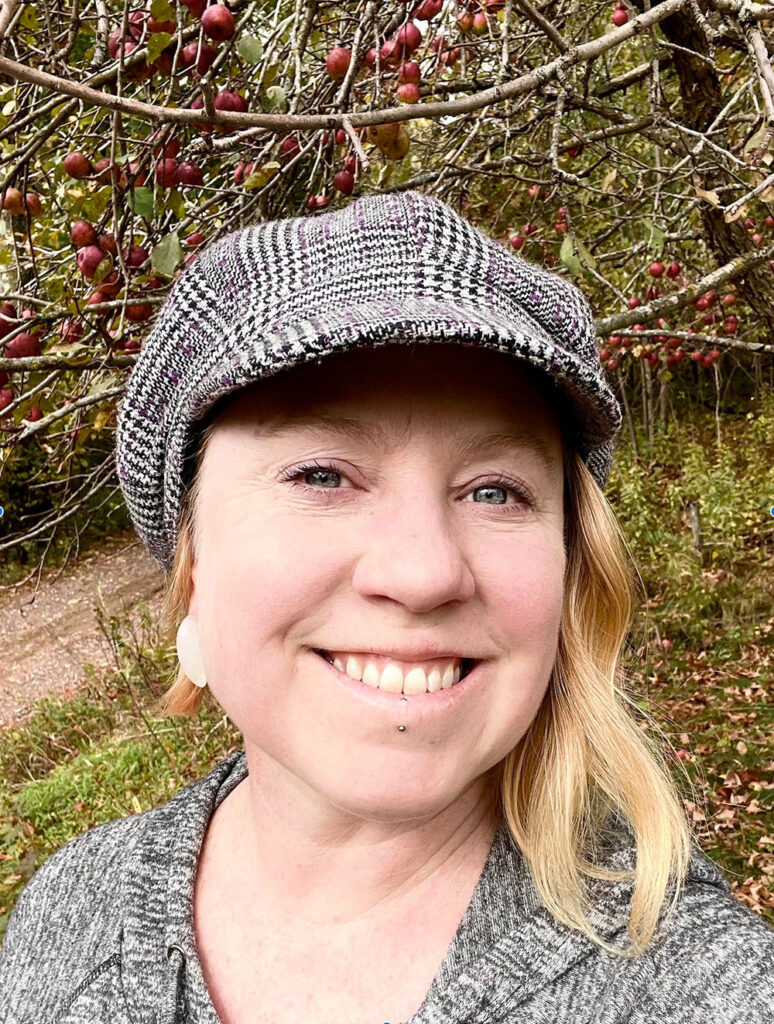
In addition to her farm work, Bonnie serves as a farmland access specialist for Renewing the Countryside, where she helps beginning farmers navigate one of the biggest barriers in agriculture today: gaining secure, affordable access to land.
She brings deep insight to that role in part because of her own experience living and farming within something known as a land-based condominium – a lesser-known land access model that offers long-term affordability and shared stewardship.
Private Home, Shared Land
In a traditional condominium, residents own individual units and share responsibility for common amenities, like a pool or gym, by paying a fee to their condo association. In a land-based condominium, the common amenity is land.
The approach differs from similar land access models, like community land trusts and agrihoods. With community land trusts, a nonprofit organization owns the land and provides long-term leases to farmers. Agrihoods are planned residential communities that tend to center around a single farm and often have a high price point for entry. With land-based condominiums, by contrast, land is subdivided into a mixture of privately owned plots and common lands. Residents own their homes on the private plots while sharing ownership of the remaining common lands with other condo members.
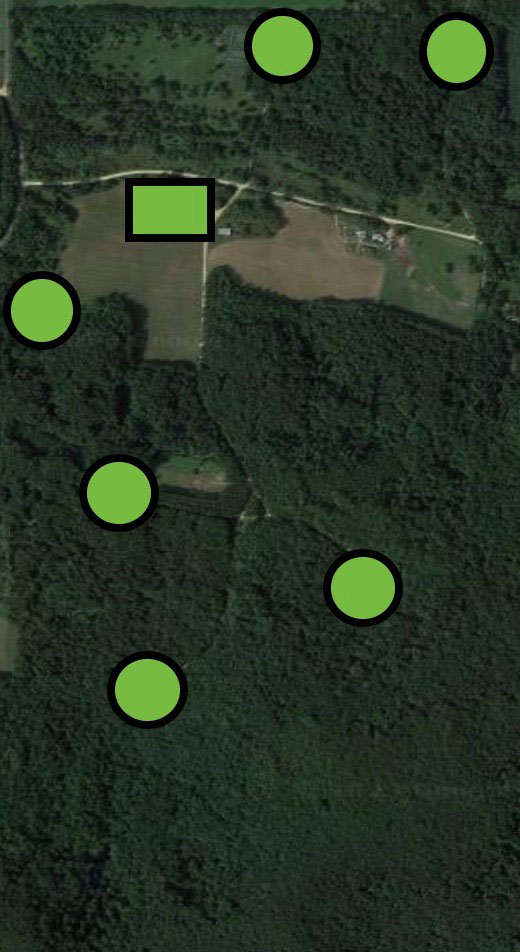
Bonnie and six of her neighbors each own a homestead consisting of a house surrounded by 5 acres. In addition to their individually owned parcels, they collectively share access to about 276 acres of common land, which is owned by their condominium association. “We don’t have association fees because we don’t have shared infrastructure,” Bonnie says. “Twice a year, we each pay our one-seventh share of the property taxes on the common land, which comes out to about $1,500 a year for me.”
Because the shared land is hilly and primarily recreational, the tax burden remains relatively low. “If it were prime farmland, it would be much higher,” she adds. The model significantly reduces the financial burden of land ownership – especially for beginning farmers. “I only had to finance a house and 5 acres, but through the condo association I have access to 276 acres,” Bonnie says. “It’s a much lower investment upfront and a lot less financial risk.”
The land-based condominium where Bonnie lives was established long before she moved there. In the 1970s, a group of friends came together to purchase the 300-acre property and create a communal living environment rooted in shared land access and stewardship. They formed a condominium association, which still governs the property today. The shared land is held by the association in perpetuity, meaning it is not subdivided or sold off as individual parcels. Residents can access the land without bearing the full financial burden of purchasing farmland outright.
If someone in the association decides to leave, they sell their homestead – the house and 5 acres they own individually – as well as membership in the LBC. This allows the departing resident to retain the equity they have built while creating an opportunity for a new resident to step into an affordable land access arrangement.
“That continuity is really important,” Bonnie says. “The land stays intact, and new people can access it without starting from scratch.”
Governance Matters
Bonnie sees many benefits to the land-based condominium model. But she is quick to emphasize that its success depends heavily on strong governance – particularly well-written bylaws. She advises anyone thinking of starting an LBC to draft them early in the process. “Bylaws are incredibly important in a condo association, and the accountability written into those bylaws is just as important,” she says. “They’re your governance structure. They’re what everyone refers to when questions come up about what you can and cannot do on the land.”
Bylaws can cover a range of issues – like where and how farming can happen, rules around livestock, noise ordinances, insurance requirements and conflict resolution processes. They are meant to establish clear communication, outline shared expectations and provide mechanisms for accountability when those expectations are not met. For example, farmers can create a bylaw that requires approval from the rest of the farmers in the condo association if they plan to take on new enterprises or build new infrastructure.
In Bonnie’s association, gaps in the bylaws have created challenges. “We don’t have accountability written in,” Bonnie says. “So when bylaws are broken, there isn’t always action we can pursue.” This gap became apparent when her LBC had problems with a homestead owned by someone who did not live on the property. The house fell into disrepair and the owner’s teenager began hosting parties there.
“One of our bylaws requires that every owner carry insurance on their house and any outbuildings,” she says. But when the owner failed to comply, the association realized the bylaws did not include an enforceable mechanism to require compliance or remediation. “We ended up having to consult an attorney. It took a lot of time and money to resolve.”
Opportunities for Beginning Farmers
Despite those challenges, Bonnie says the cooperative nature of the LBC can build a strong culture of mutual support. She also believes they offer significant potential for beginning farmers, particularly as land prices continue to rise. Collaborative ownership can make farm systems more resilient while making farm expansion more feasible.
For instance, farmers in an LBC could share labor, coordinate livestock care, support one another during busy seasons or emergencies – or even collaborate on farm businesses. “There’s also a lot of potential for shared infrastructure,” Bonnie says. “Wash-pack facilities, outbuildings, tools or equipment could all be owned collectively.” The costs associated with this kind of infrastructure would be reflected in the condo association fees farmers would pay, Bonnie says, spreading costs across multiple users and reducing individual financial strain.
The biggest challenge to starting more land-based condominiums is acquiring the land. “With land prices so high, it requires a significant upfront purchase,” Bonnie says. And, she adds, it’s possible that whoever makes the initial purchase may not see a financial return. But the broader impact can be substantial. “They’re creating land access for generations of farmers,” Bonnie says. “They’re also protecting the land long-term, because selling it requires consensus from the association members.”
Bonnie is now actively thinking about how to implement the model intentionally from the start – and how to support others who want to do the same. “It’s incredibly hard for farmers to finance land, even when it’s a combined effort,” she says. “I would love to work with farmers and organizations to build another land-based condominium and make it replicable.”
Learn More
Bonnie is producing and hosting a new farmland access podcast called “Passing the Torch, Planting the Seed.” The series will explore farmland access stories and feature beginning farmers searching for land, as well as retiring farmers looking to transition their farms to the next generation.
Tune in at www.eFarmony.us to learn more about land-based condominiums and other creative approaches to farmland access.