
Friday Schedule
Session Resources will become available within each session sometime after the event.
Session 1
Getting Started With Agritourism
The Devneys created an agritourism destination at Devney Acres, welcoming 1,200 visitors in 2025 and projecting over 2,500 visitors in 2026. Brennen will share lessons learned and tips based on their experience so far. He'll discuss income feasibility, startup requirements, insurance, business structure, marketing and staffing. You'll also hear about the variety of agritourism experiences available at the farm, including farm tours, events, camping, weddings and educational workshops.
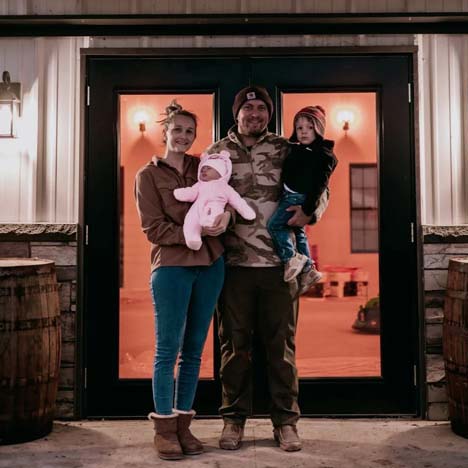
Brennen Devney
Brennen Devney runs Devney Acres with his wife, Lia, and their children, Aiden and Blakely. The small farm in Beebeetown, Iowa, was transformed into an agritourism site in March 2025. The farm now features a petting zoo, campsites, a tasting room and an event venue accommodating up to 170 people.
Restoring Ecosystem Services With Perennial Ground Covers: Vision, Challenges and Reasons for Optimism
Perennial ground cover systems involve planting a low-competition ground cover on about 50% of the interrow space and managing it for ecosystem services while reducing risks to yield and maximizing ground cover persistence. Hear Raj, Matt and Dan's findings from a multiyear, multistate project. You'll learn about the challenges they encountered, as well as time- and money-saving opportunities compared with annual cover crops.
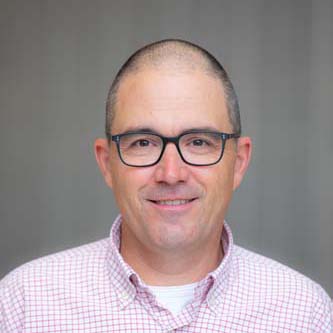
Matthew J. Helmers
Matthew J. Helmers is the director of the Iowa Nutrient Research Center and a professor in the Department of Agricultural and Biosystems Engineering at ISUIowa State University. He also served as the nitrogen science team lead on the Iowa Nutrient Reduction Strategy Science Assessment.
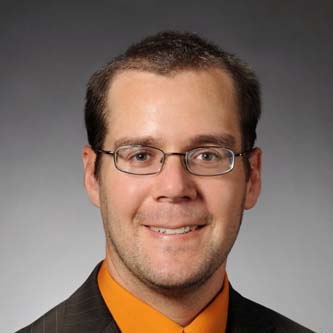
Daniel S. Andersen
Daniel S. Andersen is a professor and extension specialist in the Department of Agricultural and Biosystems Engineering at ISU. His work focuses on manure management, nutrient cycling, livestock systems and the practical integration of manure into sustainable crop production systems.
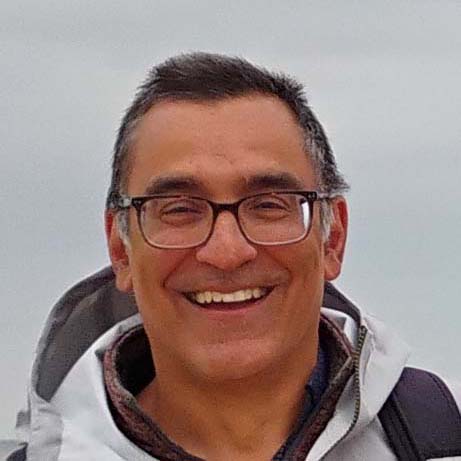
D. Raj Raman
D. Raj Raman is a Morrill professor of agricultural and biosystems engineering at ISU and director of RegenPGC, a U.S. Department of Agriculture-funded project focused on perennial ground cover systems. He is also a member of Iowa State's College of Agriculture and Life Sciences Nutrient Management Work Group.
Cover Crop Basics
Why cover crops? What do they actually do for my farm? How do I select the right variety? How do I terminate the cover crop? How do they pencil out financially? If these are questions you’ve asked, then this session is for you. Come listen to Jacob Bolson as he walks you through the basics of cover crops and what they can add to your farm.
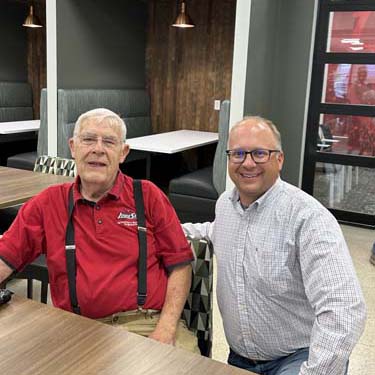
Jacob Bolson
Jacob Bolson lives near Hubbard, Iowa, where he advances soil conservation on rented and family land, as well as custom spring strip‑tillage acres. He leads sales and operations for a custom cover crop business and serves on the Southfork Watershed Alliance board.
Meet-and-Greet at the PFI Conference
Whether it's your first time at the conference or you're a longtime attendee, it can be hard to strike up conversations with new people. In this "non-session," we'll spend the time passing the mic around the room so people can introduce themselves and then continue visiting as time allows. Don't be a stranger!
Rewilding: Habitat Diversity for Grazing and Wildlife
Maggie and Steve farm 173 acres in Red Oak, Iowa. In 2012, they set a goal to restore diversity and soil health with conservation practices mimicking nature and transitioning away from row crops. They have added native prairie, a riparian buffer, wildlife habitat and rotational grazing. They also support Montgomery County’s conservation efforts. Join Maggie and Steve to learn about the challenges of rewilding, and the benefits it offers their farm and county.
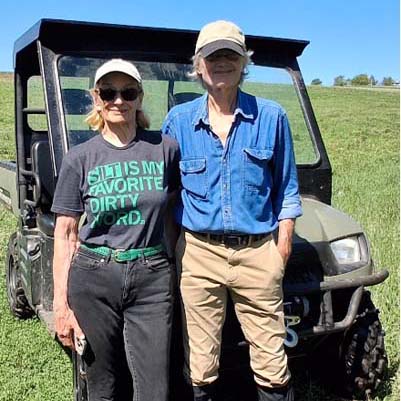
Maggie McQuown and Steve Turman
In 2012, Maggie McQuown and her husband, Steve Turman, moved to the farm where she grew up near Red Oak, Iowa. Since then, they have added multiple conservation practices and engaged a young farm family as operators to help them transition the farm from conventional row crops to adaptive livestock grazing using regenerative practices. Maggie and Steve were PFI’s 2018 Farmland Owner Legacy Award recipients.
Leveraging Networking and Marketing for Small Farms
Networking and marketing are key parts of building a successful farm business, but the process can be intimidating and the outcomes vague. Catherine will discuss her small-budget, scrappy approach to building her farm business. In this session, you'll hear how she developed her brand messaging, leveraged networking toward specific purposes and created a harmonious online shop and web presence.
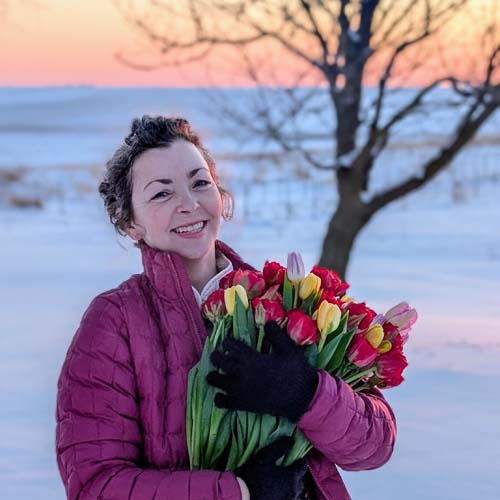
Catherine Schut
Catherine Schut launched Hive and Petal, a beekeeping and flower farm in Prairie City, Iowa, in 2023. She began her career in industrial agricultural production before transitioning into education. At Hive and Petal, her work now centers on seasonal flowers, honeybees and locally grown products.
Year-Round High Tunnel Production
High tunnels are a key tool farmers use to extend their vegetable production season and improve crop quality throughout the year. Liz Graznak has extensive high tunnel experience and 15 tunnels on her farm. In this session, she'll share how she grows high-quality organic produce, from winter leafy greens to summer tomatoes, all year long. She'll share tips on fertility, irrigation, rotation, succession planting for important crops and pest management.
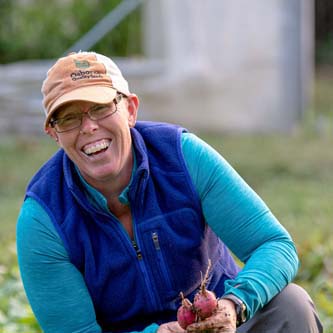
Liz Graznak
Liz Graznak and her team grow organic vegetables for CSA, farmers markets and wholesale accounts at Happy Hollow Farm in Moniteau County, Missouri. MOSES recognized Liz as the 2021 Organic Farmer of the Year for her work raising outstanding organic vegetables while expanding the borders of organic food and her community engagement.
Pastured Pigs From Farrow to Finish
From pasture farrowing to acorn finishing, Harry Cope’s pigs live their lives outdoors. Come learn how Harry manages his pigs to be profitable and practical on pasture. He’ll discuss how he manages the pigs through his systems, including all that goes into farrowing, forage, feed and finishing. He’ll also walk through the plan for silvopasture he’s planting for his pigs. Come with all your pastured pig questions!
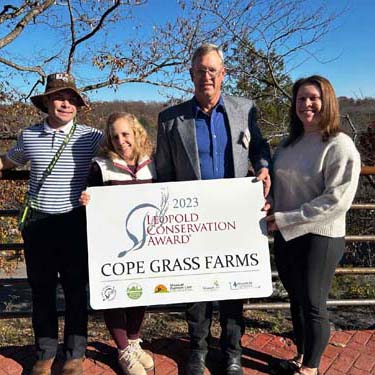
Harry Cope
Harry Cope rotationally grazes cattle, lamb, pigs and poultry in diverse pasture on his fourth-generation farm near Truxton, Missouri. Harry received the Leopold Conservation Award in 2023 and is certified as a grassland bird-friendly beef producer through the National Audubon Society's Conservation Ranching program.
Session 2
PANEL: Operating a Cover Crop Business: Challenges, Opportunities and Lessons Learned
As cover crop adoption grows, more farmers need help finding seed and managing their cover crops. This growth means opportunities for those already experienced with cover crops to put their skills and experience to work. PFI's Ann Krause will lead a discussion with three cover crop business owners who will share what they've learned about growing seed, building a customer base and effectively applying cover crop seed with various equipment.
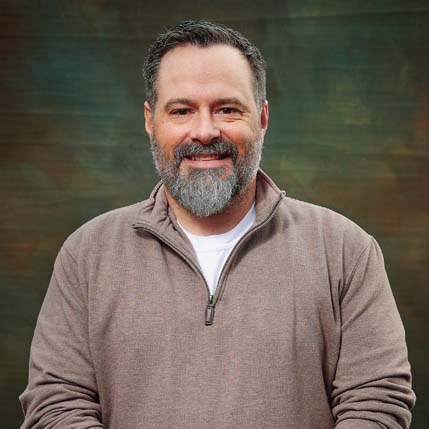
Dan Miller
Dan Miller runs Millermatic Seed, a seed application business that custom-seeds cover crops, forages, pastures and more using airplanes, custom ground rigs and broadcast spreading. The business seeds more than 600,000 pounds of covers crops per year in counties across southwest Iowa and into Nebraska.
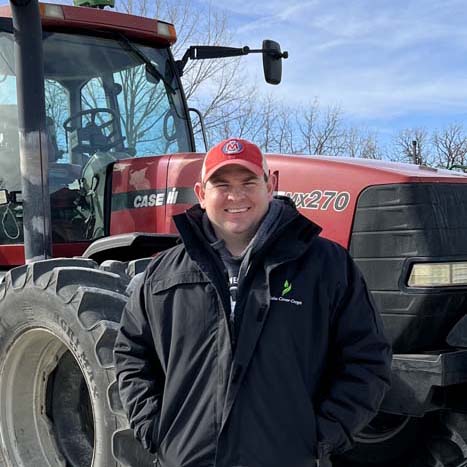
Dan Bahe
Dan Bahe operates Bahe Cover Crops with his wife, Jessica. Since starting the custom drilling business over seven years ago, they’ve grown from seeding 1,000 to 10,000 acres and have expanded into nutrition and equipment sales, repairs and the development of an online marketplace and business management platform.
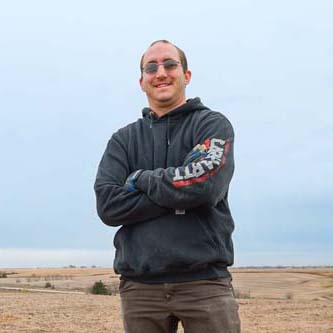
Chris Gaesser
Chris Gaesser farms just over 4,000 acres of corn, soybeans and small grains with his wife, Shannon, near Corning, Iowa. Together, they also run GX Agriculture, a farm service business that sells and custom-applies cover crop seed.
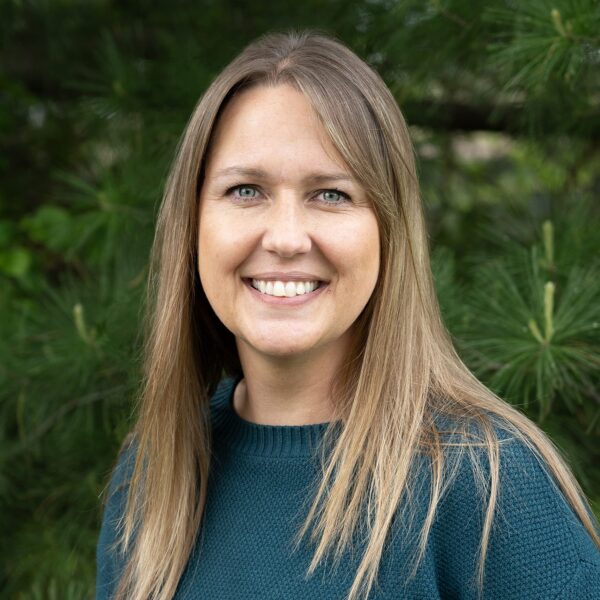
Ann Krause
Ann Krause is the senior cover crop business coordinator for Practical Farmers of Iowa. In this role, Ann oversees the Cover Crop Business Accelerator program and works to ensure the ongoing success of its participants. She also farms near Slater, Iowa, with her husband and children.
PANEL: Cover Crops and Water Quality
Are you interested in the role cover crops have on water quality? Then engage with this panel of farmers who are taking an active role in managing the water quality on their farms. Hear what cover crops can do to support clean water, healthy soils and healthy communities.
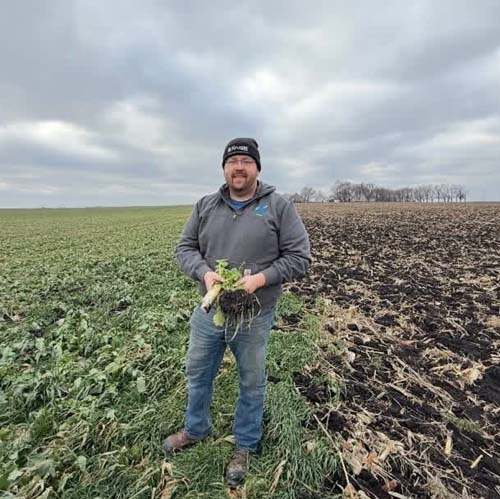
James Hepp
James Hepp is a first-generation farmer in Calhoun County, Iowa, raising corn, soybeans and rye with his family. He has used strip-till, no-till, cover crops and in-season nitrogen for eight seasons. James also runs a crop insurance business and sells agricultural inputs. He holds an agricultural business degree from Northwest Missouri State University.
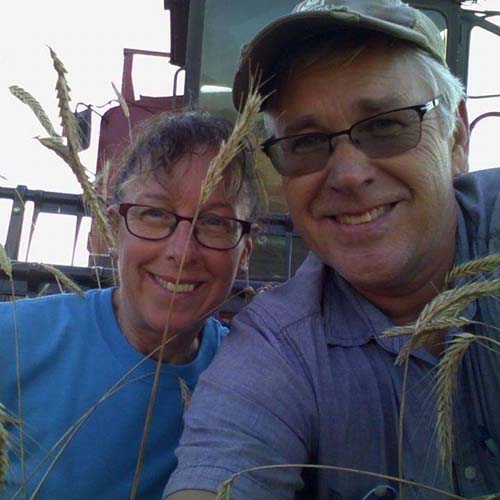
Mark Peterson
Mark Peterson farms about 500 acres of corn and soybeans with his wife, Melanie Peterson, at Bent Gate Farm near Stanton, Iowa. They also rent and have sold acres to their son, Monroe, for his hay business. Mark is a past board president of PFI, and a longtime promoter of cover crops.
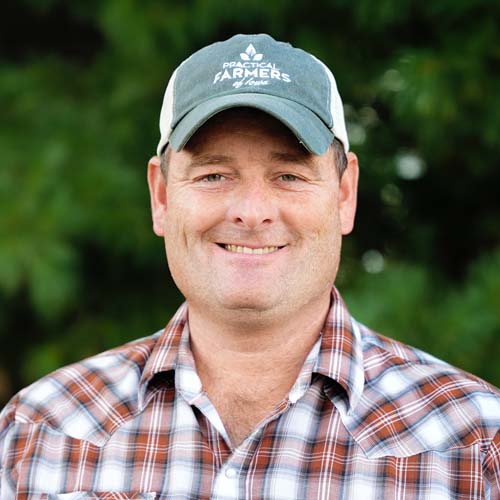
Wade Dooley
Wade Dooley is a sixth-generation farmer in Marshall County, Iowa. He operates Glenwood Century Farm, a diversified crop and livestock operation focusing on raising cover crop seed. Wade also owns Dooley Ag Stewardship Inc., offering custom cover crop seeding services and seed.
Jacob Bolson
Jacob Bolson lives near Hubbard, Iowa, where he advances soil conservation on rented and family land, as well as custom spring strip‑tillage acres. He leads sales and operations for a custom cover crop business and serves on the Southfork Watershed Alliance board.
Growing a Legacy: A Family's Journey of Woodland Stewardship
Since 1986, Jim and Jody Kerns have built a legacy of conservation in northeast Iowa. Operating across multiple parcels, they, along with their six children, have planted close to 1 million trees and restored prairie. Working with a district forester, the Kernses have restored former cropland to woodlands to promote healthy hardwood forest, with emphasis on oak, walnut and hickory. Their land also serves as a place of recreation for their family, and a place of education for area schools.

Jim and Jody Kerns
Jim and Jody Kerns, landowners in northeast Iowa, have spent 43 years restoring marginal farmland to native trees and prairie, alongside their six children and eight grandchildren. They are passionate about restoration and sharing their experience through the variety of educational programming they host.
Understanding and Managing Pesticide Drift on Vegetable Farms
Pesticide drift is a perennial threat to specialty crop, livestock and organic farms throughout the state. Though reporting tools and awareness have improved, the problem persists. Dan will share how pesticide drift is affecting vegetable farms around the state, signs to look out for and resources for managing drift events. He will share tips to help reduce the risk to your farm, and outline growers' options for recourse after incidents.
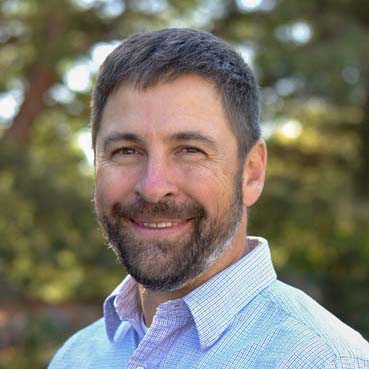
Dan Fillius
Dan Fillius is the commercial vegetable and specialty crop specialist with ISU Extension and Outreach. Prior to this role, Dan spent more than 14 years managing vegetable farms in Michigan, Wisconsin, Minnesota and Iowa. He brings a wealth of practical knowledge and vision to horticulture in Iowa.
Specialty Crops From Establishment to Market
Learn about the journey from establishing a specialty crop to creating value-added products and developing a market. Anna will focus on her journey with elderberries, but will offer tools that can be translated to other specialty crops. Come learn how she builds efficiencies into her field work and processing to improve profitability. She'll also share how she is exploring unconventional marketing pathways to build relationships with local buyers.
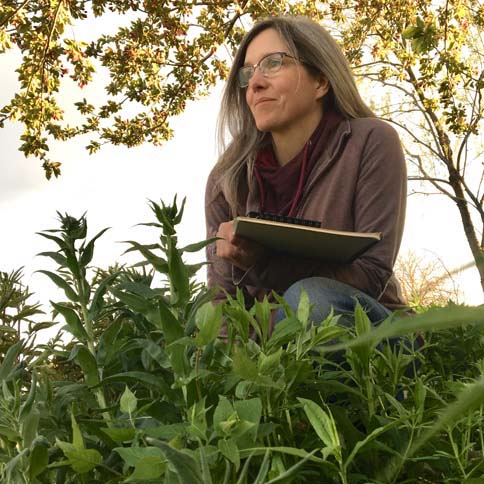
Anna Geyer
Anna Geyer farms on the 120-acre farm that her husband, Dave, grew up on near Iowa City, Iowa. The Geyers have developed the farm for their community. They raise traditional row crops, hay and grass-fed beef. In addition, Anna has created agritourism enterprises that include Geyer’s Oven, Crust & Crumb; Anna’s Cutting Garden; and Land Alliance Folk School and Retreat Center.
The Milky Way: Starting and Managing a Microdairy
Most milk these days comes in plastic or cardboard cartons. But at Sundae Morning Dairy, you'll still find milk sold in glass bottles. Come hear how Erich Hodges started his microdairy focused on pasteurized milk from Brown Swiss cows. He’ll share his experience of starting up the business, from funding, to finding equipment, to navigating regulations. He’ll also walk through the daily work of dairying and direct-marketing milk.
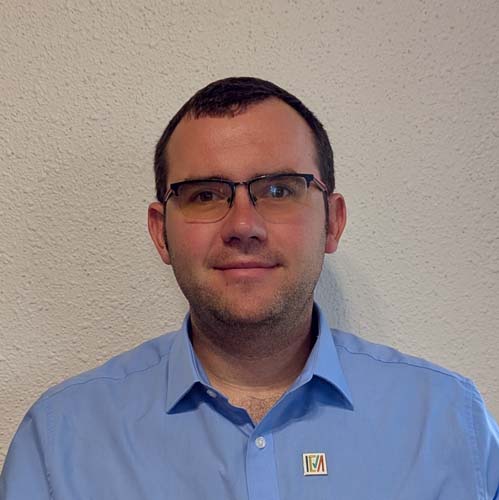
Erich Hodges
Erich Hodges always loved Brown Swiss cows, the same breed his grandparents raised in Switzerland. He received a doctorate in veterinary medicine from Iowa State University and started practicing near Ogden, Iowa. In 2025, Erich started Sundae Morning Dairy, a microdairy offering pasteurized milk to the community.
The How and Why of Hay Production for Beginning Farmers
In 2024, beginning farmers Tessa and Wyatt increased their land access by 100 acres, beyond what their cattle required for feed. With high cattle prices, they couldn't afford more livestock. Instead, they sold small square bales to boost the earning potential of their hay enterprise. Come learn the ins and outs of commercial hay production. Tessa and Wyatt will discuss land access, equipment, marketing to customers and adapting to weather and labor limitations. They'll also discuss the importance of testing each lot.
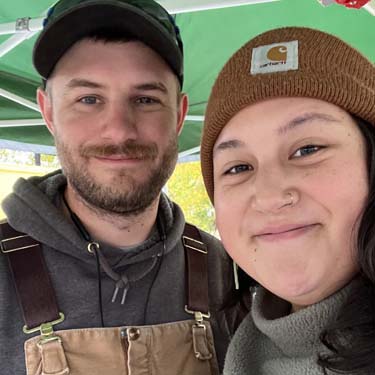
Tessa and Wyatt Parks
First-generation beginning farmers Tessa and Wyatt Parks own and operate W.T. Farms, a direct-to-consumer beef and certified organic hay operation. They previously raised Holstein steers from calf to butcher, and are now building a British White cow-calf herd. All animals graze on certified organic pasture at Sharing Our Roots Farm in Northfield, Minnesota, with additional production hay fields in neighboring townships.
PANEL: Civic Engagement for Beginning Farmers
Ready to get more involved in the farm policy landscape across Iowa? Come learn from farmers Anna Pesek, Elle Gadient-Besler and Ryan Marquardt. They'll share how you can take part in local government and engage in conversations about policy change with your representatives. You'll hear ideas for expanding your farming community. They'll also share how you can become a leader by advocating for yourself and fellow beginning farmers. Adam Mason, PFI's senior policy coordinator, will moderate the discussion.
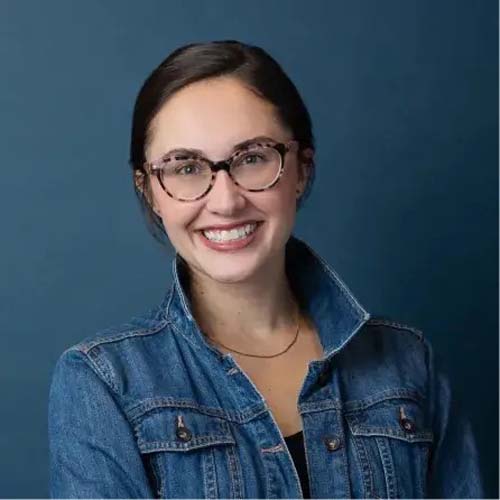
Elle Gadient-Besler
Elle Gadient-Besler is a fifth-generation Midwestern farmer who farms with her husband, Steve Besler, raising Hereford cattle, laying hens and crops. Off the farm, she serves as the farmer advocate to the Niman Ranch network of 600-plus independent family farmers committed to high standards for animal welfare and environmental stewardship.
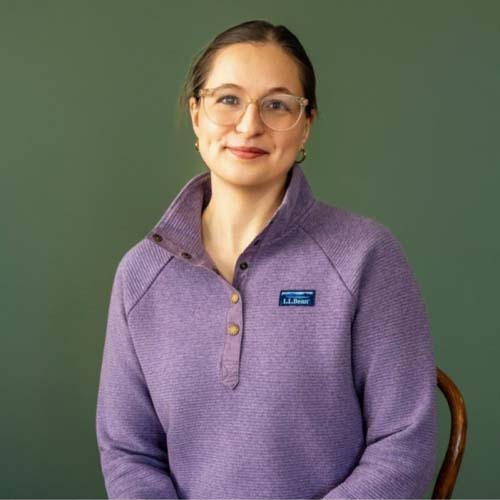
Anna Pesek
Anna Pesek co-owns Over the Moon Farm in Delaware County, Iowa, where she raises pigs and poultry alongside her wife and young son. Anna has over a decade of experience in farm advocacy work. She holds a Master of Business Administration from the University of Northern Iowa. Anna is also PFI’s marketing and communications manager.
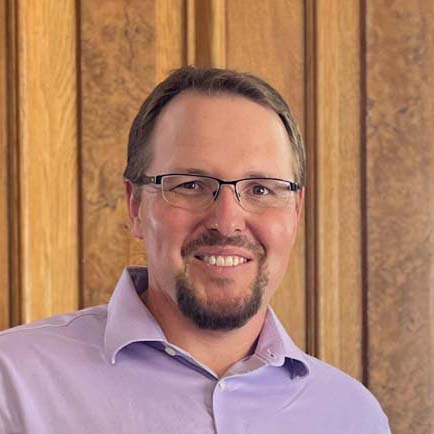
Ryan Marquardt
Ryan Marquardt and his wife, Janice, own and operate Wild Rose Pastures near Van Meter, Iowa. Since 2007, they’ve raised grass-fed beef and eggs for customers using sustainable farming practices. Ryan also manages his family’s fifth-generation conventional farm, where they raise corn, soybeans and hay.
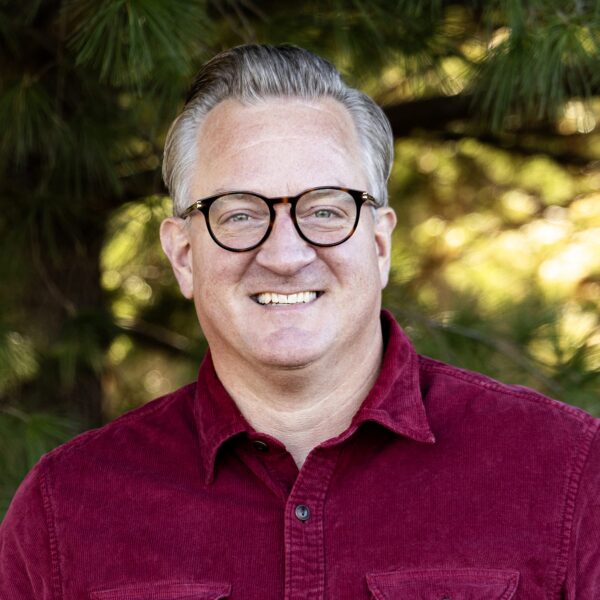
Adam Mason
Adam Mason joined Practical Farmers of Iowa in November 2025 as the senior policy coordinator. In this role, he works to ensure PFI members are effectively and strategically sharing the organization's priorities with policymakers, as well as with other state and federal leaders.
Lunch and Exhibit Hall
Lunch and Exhibit Hall
Visit with exhibitors and enjoy lunch with locally-sourced ingredients. Lunch is included with your conference ticket.
Session 3
PANEL: First-Generation Farmers Accessing Land
Finding farmland can be one of the biggest challenges for first-generation farmers. Come listen to a panel of three beginning farmers as they share how they found and secured land. This session, moderated by PFI's farm transition manager, will explore practical strategies, lessons learned and resources to help you take the first steps on your own land access journey.
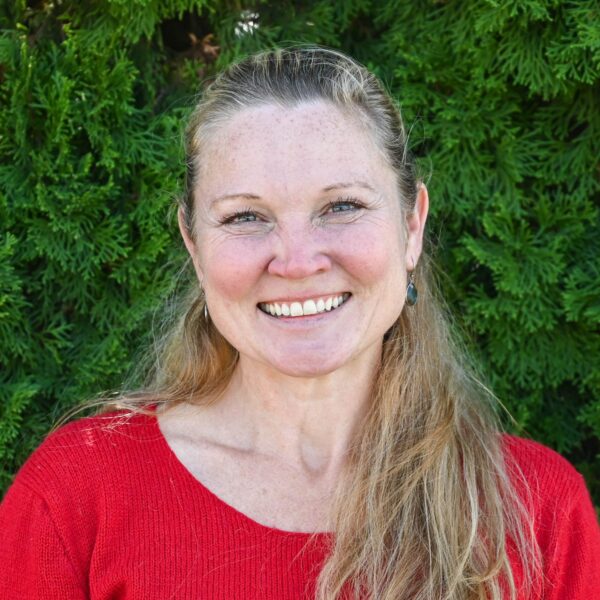
Martha McFarland
Martha McFarland runs Hawkeye Buffalo & Cattle in Fredericksburg, Iowa, where 50 bison and a small herd of Polled Hereford breeding stock graze year-round. She sells bison meat from her farm store and offers tours of the ranch. Martha is also PFI's farm transition manager.
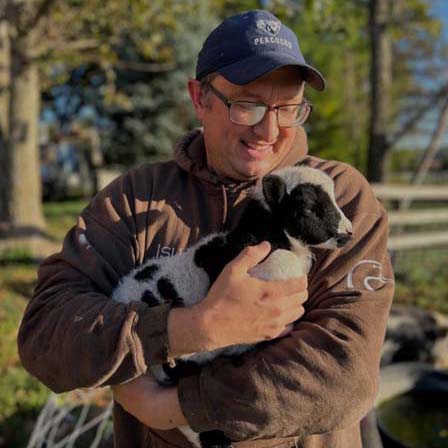
Paul Skrade
Paul Skrade is a wildlife biology professor and beginning farmer. He developed a passion for farming while growing up in Alaska and working with a rural veterinarian in Ireland during high school. He and his wife, Miriam, now raise Kiko goats and pastured poultry for meat and eggs on their farm near Fayette, Iowa.
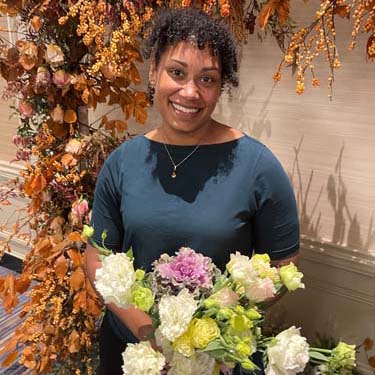
Hannah Scates Kettler
Hannah Scates Kettler and Kurtis Kettler started Minerva's Meadow near State Center, Iowa, in 2020. They grow cut flowers that they arrange with native species, and market through farmers markets, subscriptions and you-pick.
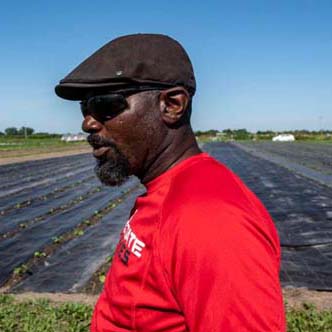
Alfred Matiyabo
Alfred Matiyabo grows vegetables at Africando Farm, his 2.5-acre farm in Iowa City, Iowa. Alfred is an innovative businessman. He is constantly brainstorming, pivoting and trying new things to improve his farm’s bottom line and suit his and his family's needs.
Catching Up on Organic No-Till Strategies
As more farmers seek to reduce reduce tillage in organic farming systems, organic no-till continues to draw interest. Learn from Iowa organic farmer Scott Shriver about his methods, as well as his use of a roller-crimper for growing no-till soybeans. You'll also hear from Erin Silva about the latest no-till research with corn, soybeans and cover crops through the University of Wisconsin-Madison.
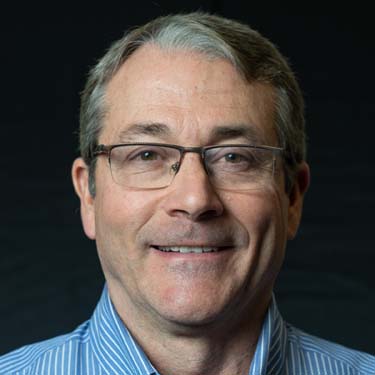
Scott Shriver
Scott Shriver and his family operate a 2,000-acre organic farm near Jefferson, Iowa. They raise corn, soybeans, wheat, barley and alfalfa. Scott also uses cover crops and no-tills on soybean acres. He is a member of PFI's Cooperators' Program and is working on a number of on-farm trials.
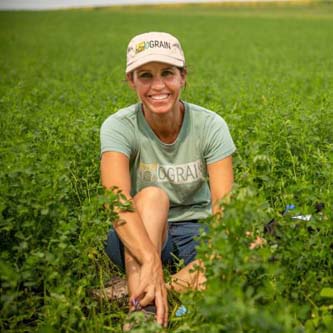
Erin Silva
Erin Silva is a professor and extension specialist in the University of Wisconsin-Madison Department of Plant Pathology. Her research includes projects involving organic no-till production and organic cover crop systems.
Alternative Cover Crops to Cereal Rye
Thinking of changing up your cover crops this year and wondering what to plant? Or do you want to know how other cover crops performed before trying them? Tim Shellabarger has been trialing alternative cover crops with PFI's Cooperators' Program for three seasons. Come learn how wheat and barley performed on his farm. Then hear from Alison Robertson, who will discuss challenges the subsequent corn crop can face following a non-cereal rye cover crop.
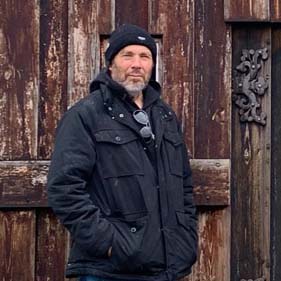
Tim Shellabarger
Tim Shellabarger raises corn, soybeans, small grains, cover crop seed and livestock on his family farm in Blue Grass, Iowa. Growing up on the family dairy farm led Tim to investigate alternative cover crops. Tim has participated in PFI's Cooperators' Program for several years and has multiple trials ongoing on his farm.
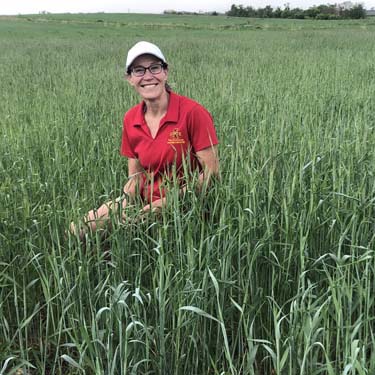
Alison Robertson
Alison Robertson is a professor and extension field pathologist in the Department of Plant Pathology, Entomology and Microbiology at Iowa State University. She is interested in how crop production practices, like cover crops, affect soil microbial communities. Alison's program is developing best management practices for cover crops in row crop production.
PANEL: The Cutting Edge of Edge-of-Field: Putting Waterways To Work on Water Quality
Join farmer Rick Rottinghaus; researchers Matthew Streeter and Jen Merryman; and Clark Porter, a farmland owner and watershed advocate, as they discuss the multipurpose waterways established on Rick's and Clark's farms. These new designs are reducing nitrates from tile drainage just like saturated buffers – but without the need for creek banks or tile outlets. This panel will explore how to implement and farm with a multipurpose waterway.
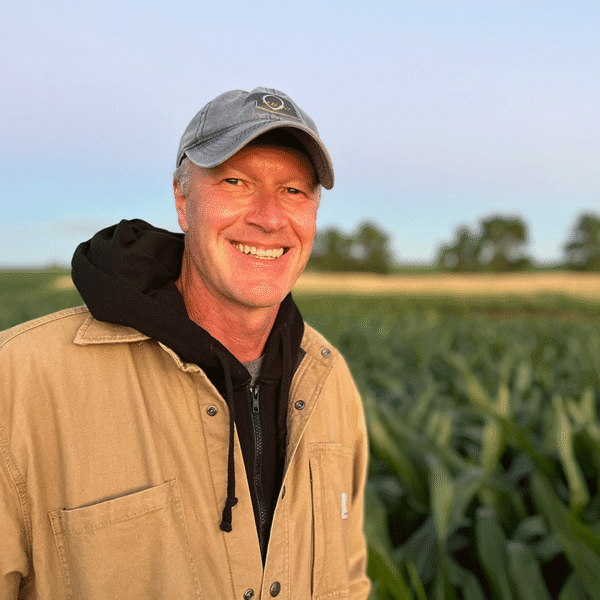
Clark Porter
Clark Porter is a landowner and farm manager for Porter Family Farms in Iowa’s Grundy and Tama counties. Comprising a little over 570 acres, Clark’s farm is entirely no- or minimum-till, and Clark hires custom operators to work his farm. Clark also works as a watershed coordinator for the Iowa Department of Agriculture and Land Stewardship.
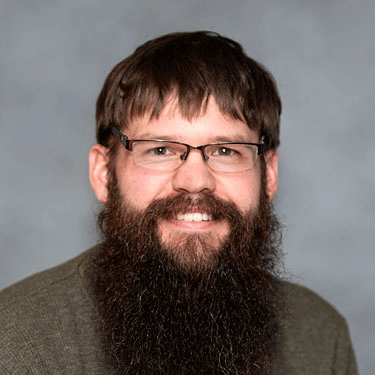
Matthew Streeter
Matthew Streeter is an assistant research scientist at the Iowa Geological Survey, based at University of Iowa, specializing in soil health and water quality. Since 2014, he has conducted research trials on new edge-of-field conservation practices to see how effective they are at improving water quality. Some practices include multipurpose oxbows, saturated buffers, modified blind inlets and, now, multipurpose grassed waterways.
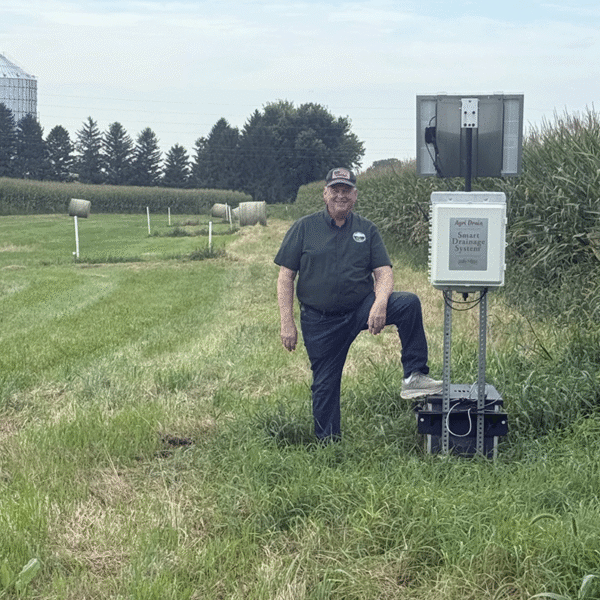
Rick Rottinghaus
Rick Rottinghaus has farmed in Iowa for 53 years, transitioning from conventional tillage to no-till and strip-till. In 2019, he designed and built a saturated buffer next to a waterway without having a separate grass strip. This buffer significantly reduces nitrate loss. Nitrate levels are being monitored by ISU and show significant reduction. Rick advocates for voluntary conservation to avoid regulation.
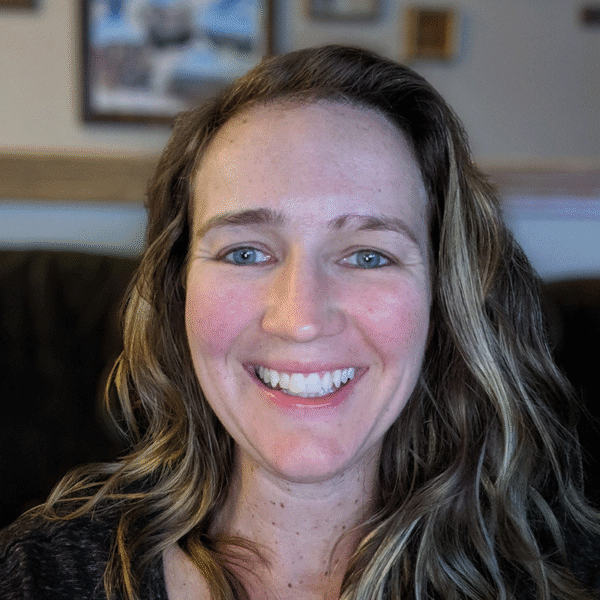
Jen Merryman
Jen Merryman is an assistant teaching professor in the Department of Natural Resource Ecology and Management at ISU. Her research focuses on multipurpose waterways that reduce nitrate loss from tile-drained fields while maintaining drainage. Her work evaluates field performance and water quality benefits.
Advocacy, Action and Education: Creating Change at the Watershed Level
What does it take to protect Iowa's water? James Larew, an attorney for the board of Driftless Water Defenders, will share his work focused on environmental litigation, advocacy and efforts to establish clean water as a constitutionally protected right. Kevin Eicher of Nishnabotna Water Defenders focuses on education, regenerative agriculture and watershed-level organizing. Together, they'll highlight ways communities can build relationships and capacity to improve water quality.
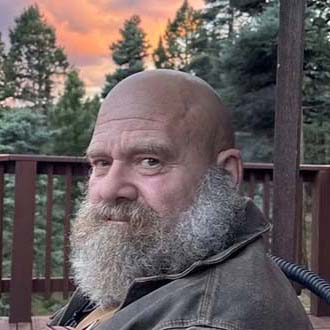
Kevin Eicher
Kevin Eicher is a veteran and retired truck driver from the hills of southwest Iowa. His interest in soil and agriculture began with a course in soil biology and has grown through applying regenerative growing methods on his acreage near Sidney, Iowa, and in the surrounding community. He works with Nishnabotna Water Defenders to help restore the river and bring people back into relationship with the land, water and watershed they share.
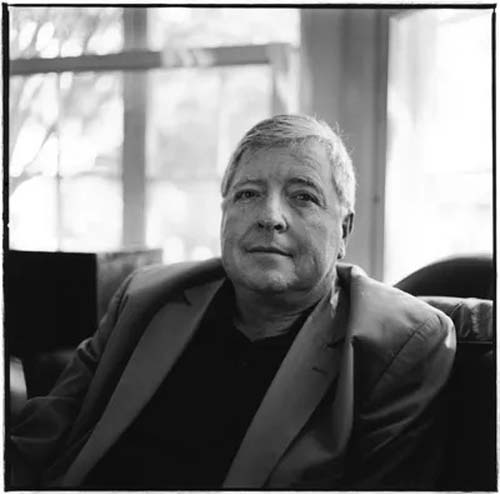
Jim Larew
Jim Larew has practiced law in Iowa for more than 30 years. A Harvard and University of Iowa law graduate, he has extensive experience in civil and criminal matters and has litigated before state and federal courts. His practice includes advocacy for insurance policyholders, environmental protection and injured nursing home residents.
ROUNDTABLE: Labor in Vegetable Farming
With crops that require lots of hands for managing and harvesting, not having enough labor can be a key barrier to success. In this roundtable session, led by Liz Graznak, we'll focus on labor in specialty crop and vegetable operations. Liz manages 20 acres in production and a large crew. She'll guide discussion about finding and managing labor on vegetable farms, including local labor and those hired under the H-2A visa program for temporary agricultural workers.
Liz Graznak
Liz Graznak and her team grow organic vegetables for CSA, farmers markets and wholesale accounts at Happy Hollow Farm in Moniteau County, Missouri. MOSES recognized Liz as the 2021 Organic Farmer of the Year for her work raising outstanding organic vegetables while expanding the borders of organic food and her community engagement.
Growing Peonies and Perennial Flowers
In this session, learn how to grow peonies and other perennial flowers to add diversity and consistency alongside standard annual cut flower production. With 16 years of experience growing peonies, Meredith is an expert in the process. Learn about site preparation, planting tubers and harvesting in the soft marshmallow stage. Meredith will also share how you can get the most out of these highly sought-after blooms.
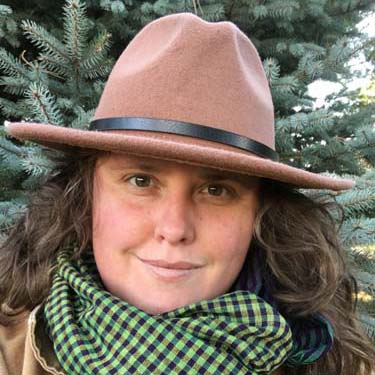
Meredith Nunnikhoven
In 2018, Meredith Nunnikhoven established Barnswallow Flowers near Oskaloosa, Iowa. Following a career in the film industry, Meredith came home to re-engage with the family farm in a way that feeds her passions, reflects her environmental ethics and exercises her artistic creativity, supported by strategic thinking.
Growing a Diverse Forage Chain
Diverse forages can make farms more profitable and resilient. Harry Cope has been building a forage chain across his farm that combines native perennials, milo and multispecies cover crops. By grazing through these areas, Harry is building soil health while cutting down on feed costs. Come hear how Harry has designed his farm for grazing, as well as a unique silage mix of native grasses and red clover.
Harry Cope
Harry Cope rotationally grazes cattle, lamb, pigs and poultry in diverse pasture on his fourth-generation farm near Truxton, Missouri. Harry received the Leopold Conservation Award in 2023 and is certified as a grassland bird-friendly beef producer through the National Audubon Society's Conservation Ranching program.
Session 4
Non-Familial Land Transfer: Tools and Resources To Get You Started
Explore tools and resources to help you transition your farm to someone outside of your family. Steve Bohr, cofounder of Next Gen Ag Advocates, will teach you how to identify your financial and farm legacy priorities. He’ll explain how to build and stick to a transition timeline. He’ll also share effective communication strategies you'll need along the way.
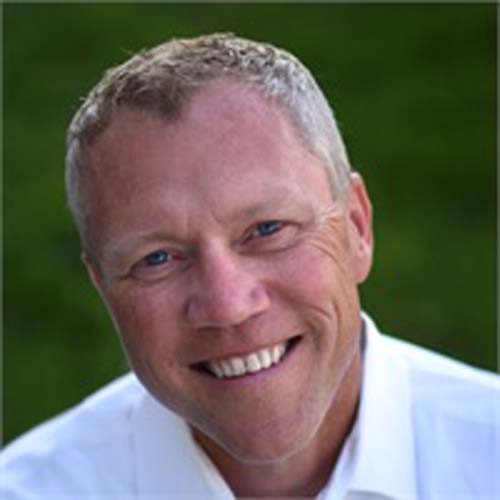
Steve Bohr
Steve Bohr is a lifelong Iowa farmer and financial services professional with 34 years of experience in farm transition and succession planning. He cofounded Next Gen Ag Advocates, helping connect retiring landowners with the next generation of farm operators.
Homing In on Small Grain Seeding
Join Margaret Smith and Wade Dooley for an interactive session exploring small grain seeding. Margaret will review research on optimal small grain seeding rates. Wade will share insights into seeding equipment and the process for calibration to achieve your target seeding rate. They aspire to change your perception from planting bushels per acre to planting seeds per acre. Bring a sample of your own small grain seed to determine seed count per pound.
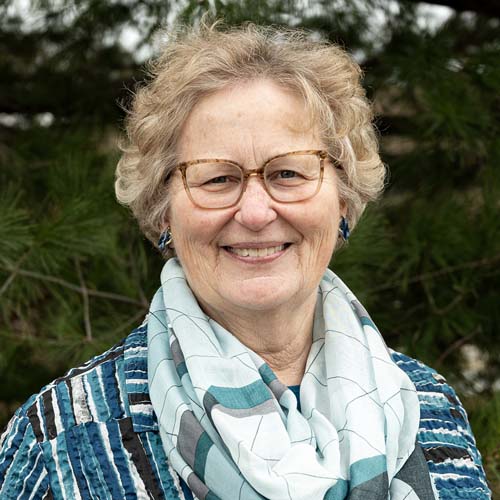
Margaret Smith
Margaret Smith is an agronomist with Albert Lea Seed. Previously, she worked for ISU Extension and Outreach and the ISU Department of Agronomy. Margaret and her husband, Doug Alert, operate Ash Grove Farm, a diversified, certified organic crop and livestock operation near Hampton, Iowa.
Wade Dooley
Wade Dooley is a sixth-generation farmer in Marshall County, Iowa. He operates Glenwood Century Farm, a diversified crop and livestock operation focusing on raising cover crop seed. Wade also owns Dooley Ag Stewardship Inc., offering custom cover crop seeding services and seed.
ROUNDTABLE: Using Innovative Farm Tech
From robots to drones, autonomous tractors to artificial intelligence, it seems new farm technology is constantly emerging. Does the arrival of all this new farm tech leave you wondering which will save you time, and which are just time wasters? This session is for you. Join fellow farmers who are using new machines or programs to discuss how they hold up to the demands of the farm.
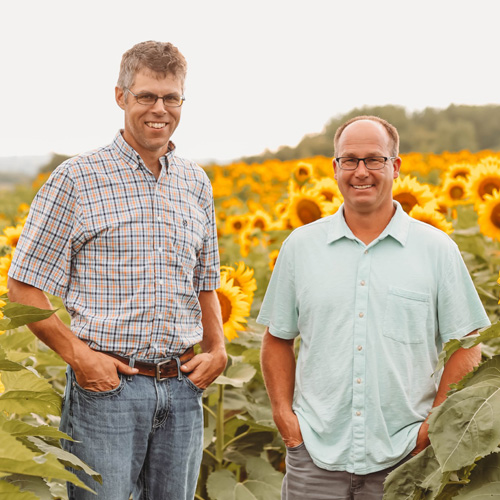
Noah Wendt and Caleb Akin
Noah Wendt and Caleb Akin started A & W Farms near Cambridge, Iowa, in 2006. Together, they feed cattle and grow conventional and organic corn and soybeans, in addition to a variety of organic grain. Noah started using robotic weeders to help manage weeds on his farm. Caleb, meanwhile, started manufacturing camera-guided three-point hitches for use on his farm.
ROUNDTABLE: Turning Marginal Acres Into a Wildlife Haven While Retaining Profit
Not every acre is meant to produce crops. Some may be suited more for prairie, wetlands or a forestry practice. This roundtable will explore ways to identify and restore marginal acres so you can improve farm profitability while creating wildlife habitat. Brad will use his own farm as an example of how to evaluate underperforming acres using yield and geospatial data. He'll also discuss conservation programs and financial incentives that support both farm and wildlife.
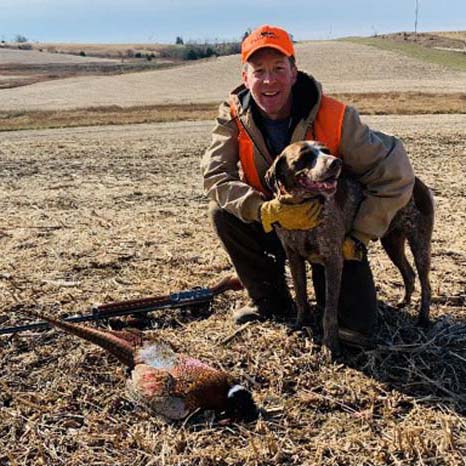
Brad Woodson
Brad Woodson holds a degree in fisheries and wildlife biology from ISU and has more than 35 years of experience surveying fish, mammals, birds and herpetofauna. He has led prairie, woodland, wetland and stream restorations, and now manages his family's farm in southwest Iowa.
PANEL: Hosting Farm-to-Table Dinners and Experiences
In this session, you’ll hear from three farmers who host farm-to-table dinners (and a breakfast!). You’ll learn how and why they started hosting dinners and how they manage logistics. They'll share how they budget and prepare for the events. They'll also discuss how these experiences connect them to their local customers and food systems. Hear about the challenges and successes of working with chefs, sourcing produce and inviting people onto their farms.
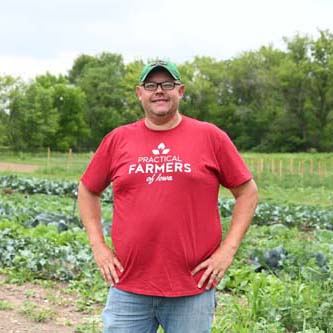
Steve Strasheim
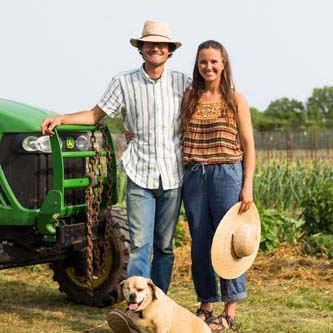
Steve Strasheim and his wife Mary own Twisted River Farm in Mitchell, Iowa, where they grow salad greens, microgreens, vegetables and flowers that they sell through farmers markets, CSAs and local restaurants. Steve has grown the business by building relationships, innovating and making the most of opportunities in his small town.
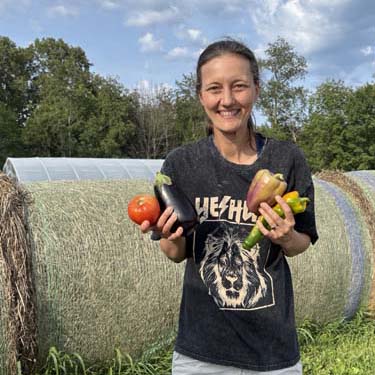
Whitney Clasen
Whitney Clasen joined Grade A Gardens in 2016 after working on farms all around the world. She has a passion for growing healthy fruits and vegetables, and loves hosting on-farm dinners and events.
Jess Larghe
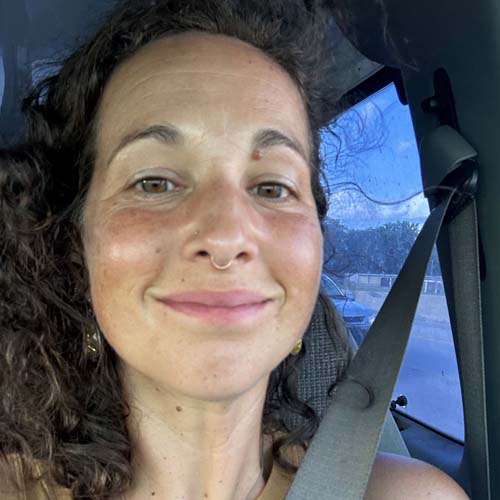
Jess Larghe farms at West Fork Farmstead with her family in West Chester, Iowa. Together, they are building a pasture-based rotational grazing system that prioritizes happy and healthy livestock while also caring for the land and their community. West Fork Farmstead offers grass-fed beef, heritage pork, pastured chickens, chicken and duck eggs and raw honey. Jess also has nearly 20 years of experience in the food service industry.
Work-Sharing Across Farms for Efficiency
Work-sharing can help you stay on top of farm tasks while making better use of your time, skills and resources. Hear from two beginning farmers who have successfully shared farm labor for chores, harvesting and other seasonal tasks. They'll discuss how they communicate and keep work exchanges equitable. You'll also hear practical tips for starting a work-sharing arrangement on your own farm.
Nicole Winebrenner
Nicole Winebrenner co-owns ReGeneration farm, an 8-acre farm in central Iowa, with her partner, Jordan. They grow fruits, nuts and vegetables, and raise layer chickens and the occasional pig. Nicole sells her value-added and fresh products directly to consumers at farmers markets, or wholesale to restaurants.
April Clark
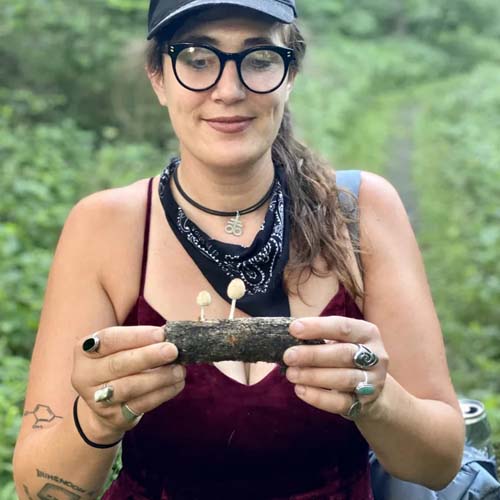
April Clark co-owns and operates Iowa Wildcraft, an urban farm in Des Moines focused on sustainable growing and foraging practices. She makes value-added pantry products crafted from farmed, foraged and wild foods. She's passionate about growing food (or supporting those who grow locally), as well as food justice, preservation, fermentation, foraging, composting, beekeeping and more.
Practical and Profitable Multispecies Grazing
Multispecies grazing can improve pasture use, weed control and marketing flexibility. But success depends on building systems that work across species. Becky will walk through a year on her farm, where cattle, sheep, goats, donkeys and pigs all have a role. Learn to see bottlenecks in your operation and build systems that support additional species. Becky will share lessons learned, challenges and efficiencies to be both practical and profitable.
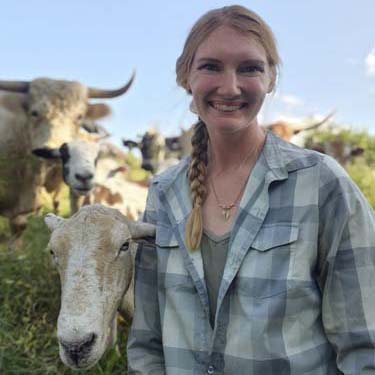
Becky Lee
Becky Lee is the owner of Timberside Conservation and Timberside Farms near Brighton, Iowa. She manages a diverse mix of livestock while stewarding habitat, clean water and oak regeneration. Becky works with landowners to improve pasture productivity, livestock performance and resource stewardship.
ROUNDTABLE: A Conversation on Managing a Commercial Laying Flock
Whether you're scaling up from a backyard flock or have been managing hundreds of birds for years, there are always techniques to learn and tricks to share. Come join fellow poultry farmers for this roundtable discussion on the ins and outs of managing hundreds of birds and collecting, cleaning and selling thousands of eggs. Bring questions you’ve been wondering about and insights you’ve discovered!
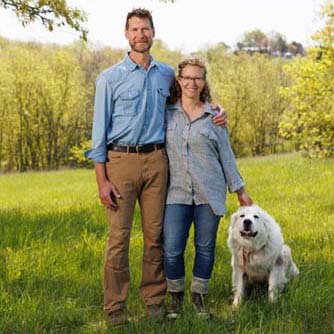
Kendra Martin
Kendra Martin owns and operates Holdfast Farmstead with her husband, Kevin, near Mount Ayr, Iowa. Before farming their 53 acres, they both captained ships at sea. Today, they raise a diversity of livestock, grow a large garden and run an on-farm store that brings together homegrown and local food.
Storytelling Session
Storytelling
It's a tradition! To cap off Friday afternoon, all conference attendees will come together to hear true stories, performed live, from a selection of PFI farmers. If you enjoy bending your ear toward a lively, soberingly powerful or particularly well-narrated farmer tale, this storytelling event is for you. Grab a bag of popcorn on your way in!
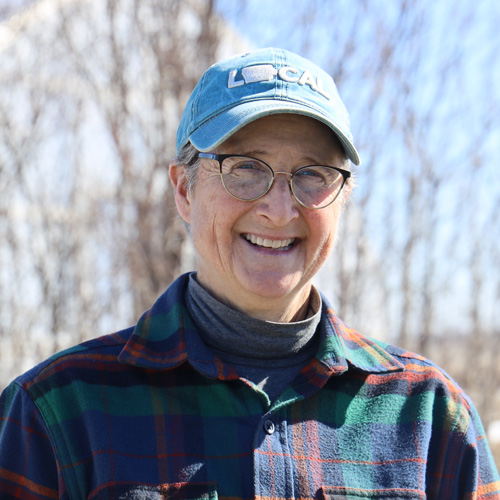
Jill Beebout, Emcee
Jill Beebout runs Blue Gate Farm with her husband, Sean Skeehan. They steward 40 acres of family land in southern Marion County, Iowa, where they raise chemical-free produce, flowers, hay and alpacas, marketing through CSA and VegEmail custom sales.
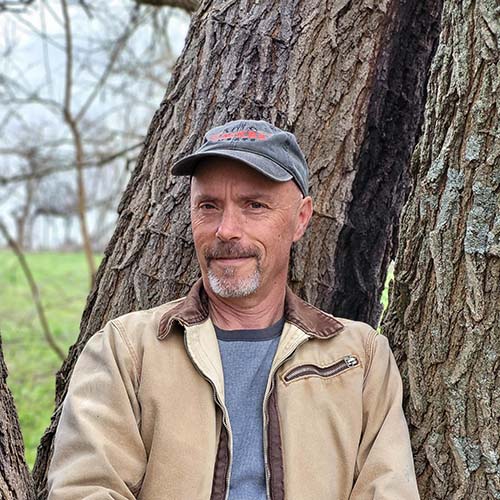
John Hogeland
John Hogeland moved back to Lovilia, Iowa, from California with his wife, Beth Hoffman, to take over the family farm. With a background as a butcher and chef, John has transitioned their 540-acre farm to a grass-fed cattle and goat operation. They use rotational grazing practices and are continuing to add native forages to their system.
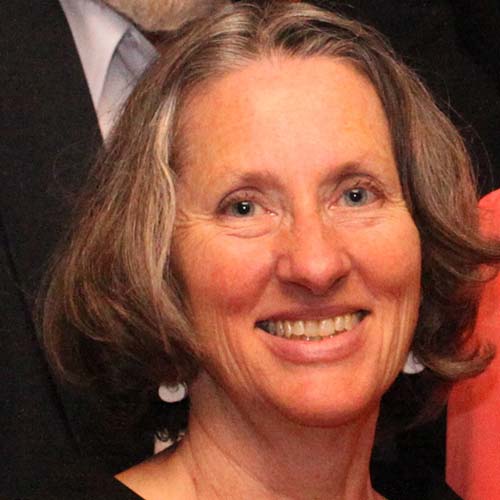
Carolyn Raffensperger
Carolyn Raffensperger is an environmental lawyer and executive director of the Science and Environmental Health Network. Carolyn and her husband, Fred Kirshenmann, lived on their 3,500-acre organic farm in North Dakota where Carolyn set out to raise her own food. She later moved to Ames, Iowa, where she focused on community sufficiency, work she continues today.
Anna Pesek
Anna Pesek co-owns Over the Moon Farm in Delaware County, Iowa, where she raises pigs and poultry alongside her wife and young son. Anna has over a decade of experience in farm advocacy work. She holds a Master of Business Administration from the University of Northern Iowa.
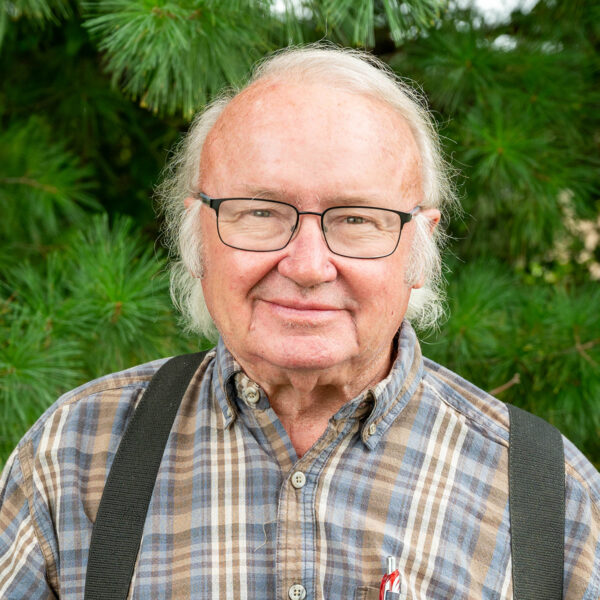
Vic Madsen
Vic Madsen is a longtime PFI member, cooperator, past board president and past board member. He farms with his family near Audubon in west-central Iowa. The Madsen family currently grows organic corn, soybeans, oats and hay. They direct-market cattle raised from their beef cows, raise broiler chickens and sell eggs from their laying hens.
PFI Cocktails and Supper
PFI Cocktails and Supper
Keep the fun rolling! Following storytelling, we'll roll in the bar and set up the supper service. Tickets ($20) are required for supper, which will feature locally sourced ingredients and live music.
Breakfast and Exhibit Hall
Breakfast and Exhibit Hall
Join us for breakfast sponsored by Niman Ranch in Ballroom A. Exhibit hall also opens for the day.
Session 1
Cover Crop Mixes After Small Grains
Neil Peterson has completed three seasons of growing a cover crop mix of red clover and turnips. He has also trialed other mixes following oats with PFI's Cooperators' Program. Neil will discuss the reasoning behind this trial idea and the process of completing it. He'll also share successes and challenges with achieving the correct seeding rate on red clover. Finally, he'll share how those results affected the decisions he makes on his farm today.
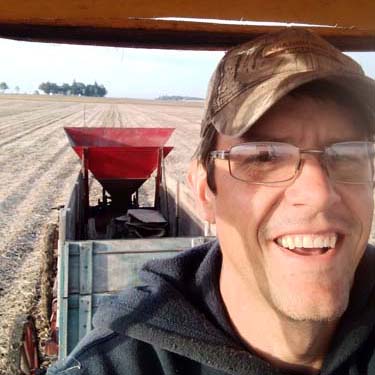
Neil Peterson
Neil Peterson raises corn, soybeans, small grains and cattle on Clover Lane Farm near Fonda, Iowa, with his wife, Elizabeth, and boys, Paul and Timothy. A fan of new ideas and old equipment, Neil is testing practices to reduce his farm's dependence on external inputs and extend the grazing season.
Taking the Leap: Scaling Up To Get Your Products Into 100+ Grocery Stores
Hoping to get your products into more stores but don't know where to start? Jeff Hafner has marketed Early Morning Harvest's flours to Hy-Vee, Fareway and other markets and grocery store chains. This experience has helped him learn about scaling up, networking, pricing and setting goals. In this session, you'll learn steps you can take to reach more markets while effectively managing capacity, accounting for costs and capitalizing on your strengths.
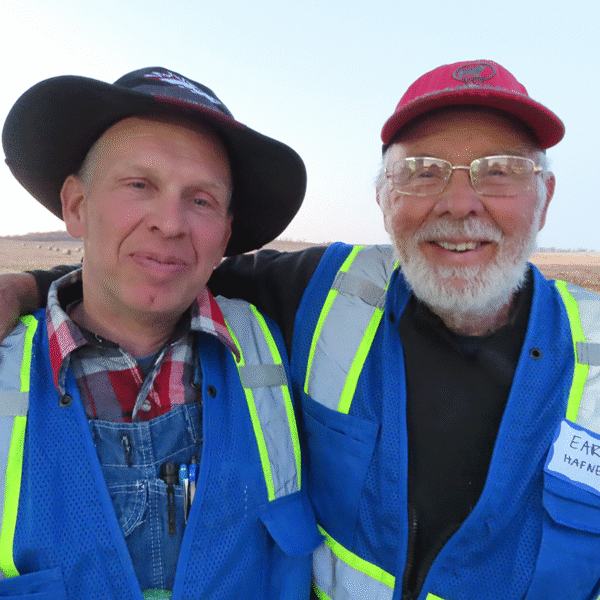
Jeff Hafner
Jeff Hafner owns and operates Early Morning Harvest, an aquaponic, produce and grain farm near Panora, Iowa. Jeff and his father, Earl, lead their team in growing corn, wheat, rye, oats and buckwheat. They stone-grind these grains into flours, meals and cereals and distribute them to stores across the Midwest.
Building Ecologically Resilient Prairie for the Long-Term
Establishing prairie is a long-term process, often taking 10 years or more to reach full potential. Carl Kurtz will discuss expectations beyond the first three years, with an emphasis on building diverse, resilient plant communities. He'll cover site selection, sourcing species and seeds, controlling invasives, best management practices and long-term goals to help you define success.

Carl Kurtz
Carl Kurtz is a naturalist and prairie seed farmer in Marshall County, Iowa. Carl earned a Bachelor of Science in fish and wildlife biology from ISU in 1968 and served in the U.S. Army from 1968-70. For 50 years, he has taught, written about and worked in tallgrass prairie reconstruction and seed production. He is the author of "A Practical Guide to Prairie Reconstruction" and "A Year of Iowa Nature."
PANEL: Conducting Soil Health Trials With PFI’s Cooperators’ Program
In this panel session, hear from three farmers who are taking part in soil health trials with PFI’s Cooperators’ Program. They are each trialing different practices – including no-till, compost amendments and foliar feeding – to determine the measurable impact on their soils, crop health and yields. Hear how participating in these trials has affected their perceptions of soil health and shaped their management practices.
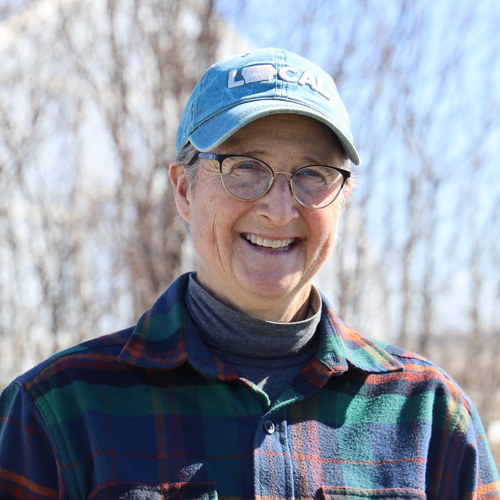
Jill Beebout
Jill Beebout runs Blue Gate Farm with her husband, Sean Skeehan. They steward 40 acres of family land in southern Marion County, Iowa, where they raise chemical-free produce, flowers, hay and alpacas, marketing through CSA and VegEmail custom sales.
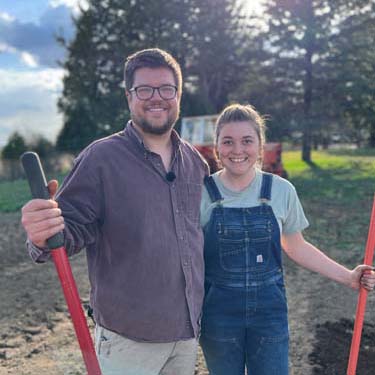
Carly Zierke
Carly Zierke grows certified organic vegetables with her husband, Ethan Zierke, at Sweet Season Farm in Hutchinson, Minnesota. They grow for their CSA, farmers market and a farm stand. They use regenerative practices that improve the health of the land, preserve the soil and contribute to a resilient local food system.
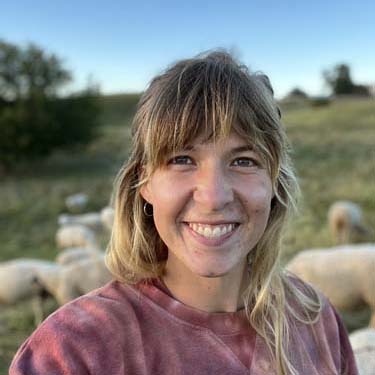
Maja Black
Maja Black farms with her sister, Carmen, at Sundog Farm, in Solon, Iowa. On their diversified operation they raise vegetables for 200 families, rotationally graze sheep and goats, and raise pastured laying hens.
Building Berry Systems That Grow Profitable Farms
Learn how Treasure Acres Farm grew into a diversified operation with specialty crops, honeybees, value-added products like jams and an emphasis on youth education. John will share details of their systems for growing strawberries, raspberries, blackberries, blueberries and honeyberries. He'll explain what's working for their farm, and how these crops have become the foundation for other value-added product opportunities.
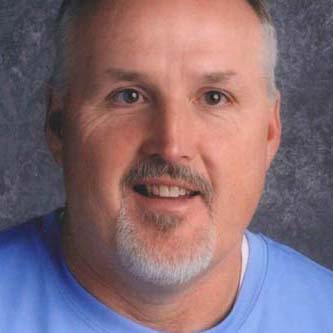
John Seiser
John Seiser and his wife, Laura, own and operate Treasure Acres Farm in Blairsburg, Iowa. They use regenerative practices to raise berries, vegetables, bees and livestock. John and Laura focus on soil health, pollinators and sustainable practices; offer youth education; and engage with PFI to improve and share results.
Managing Mental Health and Farming at the Same Time
Farming isn't just physically intensive; it can also be emotionally and intellectually difficult. Mental health plays a huge role in your capacity to manage life and farming. Come hear a conversation between Kevin and Caite as they share their experiences navigating mental health challenges while farming. Gayle Olson will facilitate the conversation.
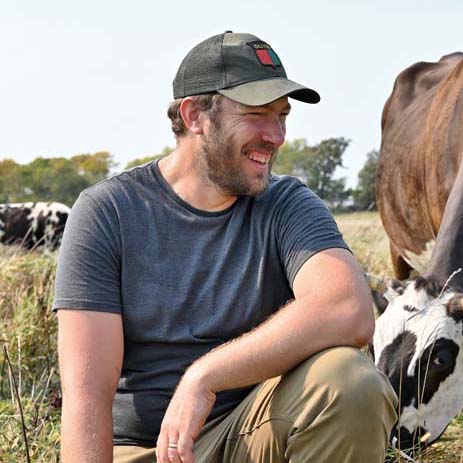
Kevin Dietzel
Kevin Dietzel owns and operates Lost Lake Farm with his wife, Ranae, in Jewell, Iowa. In 2016, they launched their small grass-fed cow dairy that produces artisanal cheese and butter. The farm includes 80 acres of pasture and hay, and the cattle are rotated through the pastures twice daily.
Caite Palmer
Caite Palmer and her husband, Jim, are taking over the family farm, started by Jim’s great-grandparents in 1888. Now, they are farming in diverse ways to support their growing family. The Palmers started farming together in 2012 and began Prairie’s Edge Farm in 2015 to direct-market meat to local customers.
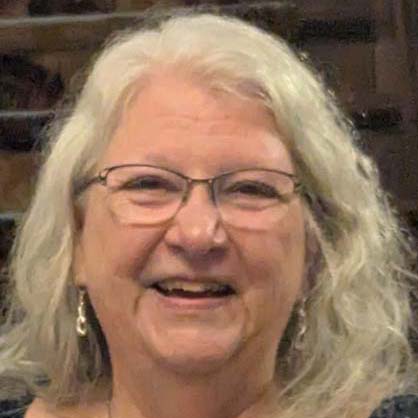
Gayle Hager Olson
Gayle Hager Olson grew up on a small farm in northeast Iowa and now farms near Winfield, in southeast Iowa, with her husband, Jeff, and son, Ian. They raise beef, row crops, small grains and specialty crops, including certified organic. Gayle works for Iowa’s Center for Agricultural Safety and Health (I-CASH) at the University of Iowa College of Public Health.
Raising Ducks To Market
Thanks to their natural hardiness and consumer demand, interest in ducks is growing. Come hear Kim share the practical ins and outs of raising ducks to a finished market product. She'll cover brooding, feeding, pasture management, processing, costs and timing that can make or break profitability. She'll also discuss how to find customers, market duck and position it as a premium product.
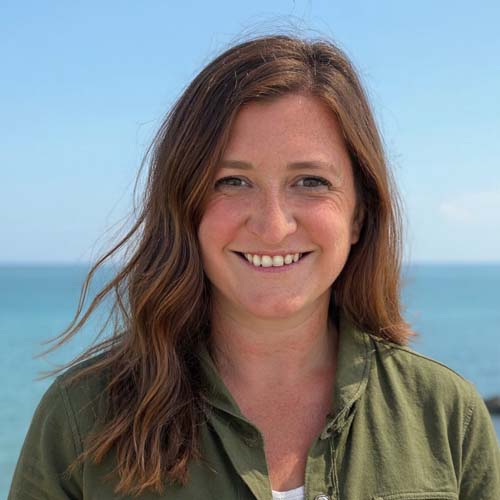
Kim Klees
Kim Klees and her family raise pastured ducks and other poultry at Elpis Farms in southern Minnesota. She has a passion for finding practical ways to make small farms more profitable, including getting creative with value-added products. Kim is always open to sharing the wins, mistakes and lessons learned along the way.
Tracking Costs and Profitability in the First Five Years
Tracking your farm's finances isn't just for established businesses – it's one of the most important habits you can build from day one. Learn why budgeting, planning and recordkeeping are essential during your first five years of farming. You'll also learn how tracking your costs and profitability can help you make informed decisions and build a financially sustainable farm.
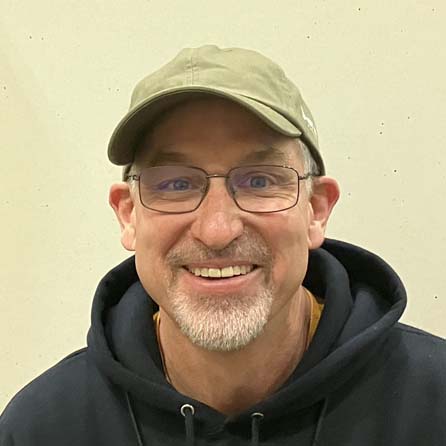
John Hendrickson
John Hendrickson is a farm viability specialist at the Center for Integrated Agricultural Systems at University of Wisconsin-Madison. His work focuses on farm management and profitability, with an emphasis on specialty crops. He conducts farm financial benchmarking research and develops tools to help farmers calculate their cost of production, measure enterprise profitability and manage their farm businesses to be sustainably profitable. In the past, John operated his own certified organic vegetable farm.
Session 2
Growing Medicinal Herbs
Interested in growing medicinal herbs but not sure where to start? Hear a beginning farmer share their journey of building a medicinal herb enterprise. Learn how to choose plant species that fit your farm, cultivate medicinal herbs successfully, harvest and forage responsibly and market herbal products with care and confidence. Examples of value-added herbal products will be displayed.
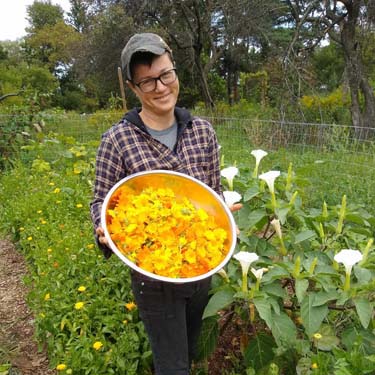
Cal Wolfpack
Cal Wolfpack, owner of Profound Existence Herbs in Milo, Iowa, grows medicinal herbs, plants, fruits and vegetables with their partner, Zak. Cal is a clinical and community herbalist, botanist, forager and plant educator with a degree in ethnobotany from Drake University. Cal's herbal products line is available at farmers markets in the Des Moines area and for order year-round.
ROUNDTABLE: The Future of Organic Row Crops in Iowa
Are you curious about organic farming but want to know where it's headed before certifying? Have you been certified organic for decades and have innovative market ideas to share? Come join this roundtable, facilitated by Ron Rosmann, to learn, share your thoughts and hear from visionary organic farmers about the future of organic row crops in Iowa.
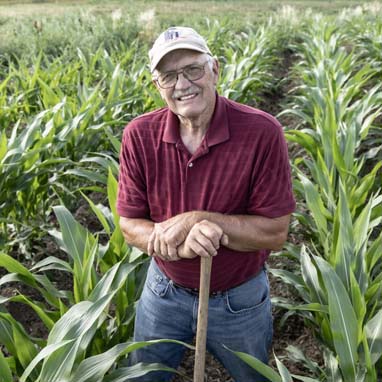
Ron Rosmann
Ron Rosmann and his family operate Rosmann Family Farms LLC near Harlan, Iowa. They grow and market diverse crops and livestock on 700 certified and 20 transitioning organic acres. Ron is now semi-retired from the farm, and is also a lifetime member of PFI.
Double-Cropping Winter Barley
Winter barley can be a key double crop with soybeans: It can offer a planting window that's three weeks earlier than other small grains, and it can provide all the benefits of a fall cover crop for soil health. Come listen to Mac Earhardt and Scott Shriver as they discuss double-cropping winter barley with soybeans. Hear what they've learned from their research trial, and the best practices they've identified.
Scott Shriver
Scott Shriver and his family operate a 2,000-acre organic farm near Jefferson, Iowa. They raise corn, soybeans, wheat, barley and alfalfa. Scott also uses cover crops and no-tills on soybean acres. He is a member of PFI's Cooperators' Program and is working on a number of on-farm trials.
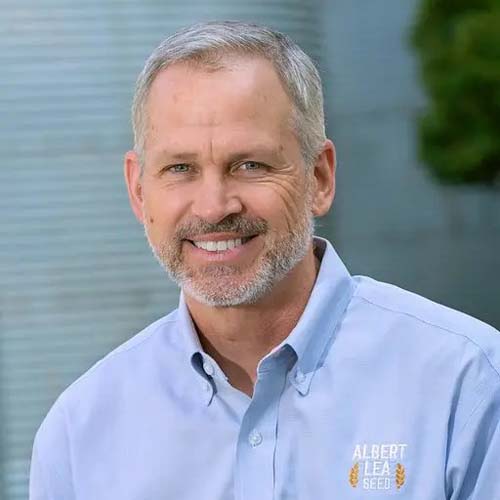
Mac Ehrhardt
Mac Ehrhardt is a third-generation owner of Albert Lea Seed House in Albert Lea, Minnesota. After serving as president for 20 years, he became board chairman in 2023 and remains involved in company operations. Mac has served on several boards, and has received leadership awards from the Organic Trade Association and the Minnesota Crop Improvement Association.
ROUNDTABLE: Cultivating Connections With Native Plants for Local Resilience
Nathan Hecht started Bright Earth Nursery in 2026, focusing on native perennial plants. In this roundtable, Nathan will share his ecological nursery aspirations and how native plants can help integrate "farmscapes" with landscapes. Come join the discussion, guided by Nathan, about the role of native plants on farms and how regional producers of native plants can collaborate for a more interconnected and diverse landscape.
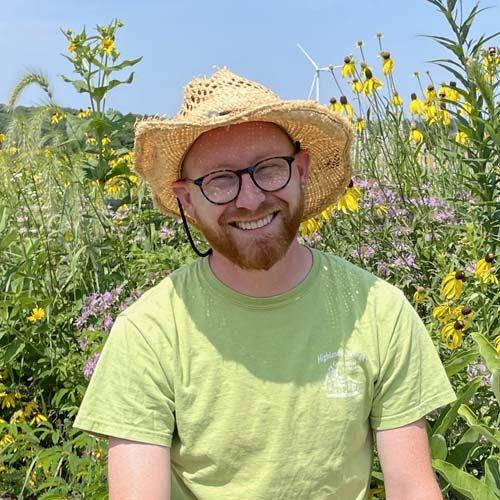
Nathan Hecht
Nathan Hecht was born in Wisconsin, went to college in Iowa and got his master's degree in Minnesota. Most recently an ecological landscaper, Nathan moved back to Iowa to start an ecological farm and nursery, forming Bright Earth Nursery in 2026. He is growing native and edible perennials to help others better integrate their farms, homes and selves with the natural world.
Cover Crops for Weed Suppression in Horticultural Systems
Cover crops can be one of many tools for managing weeds in horticultural systems. Come hear how Tate Carlson uses a rye cover crop to help manage weeds in his extensive squash, pumpkin, watermelon and vegetable crops. He's also testing buckwheat as an alley cover crop to see how well it suppresses weeds compared to the rye. He'll discuss the research trial, which he's doing with PFI's Cooperators' Program, and share what he's learned so far.
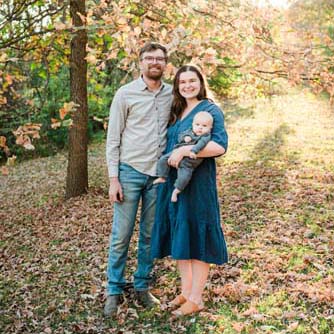
Tate Carlson
Tate Carlson grew up on his family farm in Storm Lake, Iowa. He now operates Hayes Farm with his wife and two sons. They grow produce and food-grade small grains, incorporating the crops in rotation with the family’s row crop and cattle operation. Tate’s ambition is to find more ways to include food crops across Iowa’s landscape while working in reciprocity with nature.
Seed and Scion Swap
Back by popular demand: This session is a seed swap! All are welcome, but bringing seeds or scions to share is encouraged. Please label your seeds and scions with the following information: crop type, common name and variety, year the seeds were collected, where the seeds were grown and any other information you wish to share.
Please do not bring seeds or plants that are considered illegal, noxious or invasive. Please also do not bring seeds or scions that are from unknown origins, or that are poisonous or coated with restricted-use pesticides.
Building a Business on Less Than 5 Acres and a Value-Added Product
Listen as Alfred Matiyabo walks us through making a living on 4.5 acres and a value-added hot sauce enterprise. He’ll discuss calculating production costs and profitability, identifying wholesale markets and building relationships with retailers across the country. You'll leave with practical strategies for growing a small-acreage farm business and turning a value-added product into a reliable source of income.
Alfred Matiyabo
Alfred Matiyabo grows vegetables at Africando Farm, his 2.5-acre farm in Iowa City, Iowa. Alfred is an innovative businessman. He is constantly brainstorming, pivoting and trying new things to improve his farm’s bottom line and suit his and his family's needs.
Creating Value With Wool Pellets
For many sheep farmers, the value of commodity wool is so low it’s often considered a waste product. But wool pellets – which can be used as a soil amendment and slow-release fertilizer – are a new option for a value-added product. Join Clayton and Morgan Ubben as they share their journey starting a wool pelleting business. You'll learn how they go from shearing to sales, and the benefits wool pellets can bring farmers, customers and the soil.
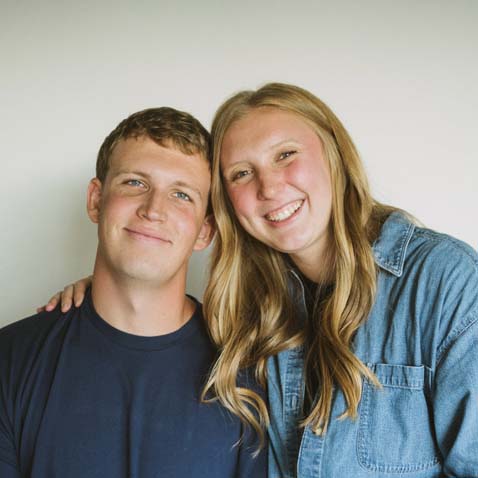
Morgan and Clayton Ubben
Morgan and Clayton Ubben grew up in rural Iowa with strong roots in agriculture. They turned a passion for sheep into a service for producers and an input for gardeners. After meeting through FFA and earning degrees in agricultural business, they now own and operate Ioway Creek Farms in central Iowa.
Keynote
Swimming Upstream for Meaningful Change
Sponsored by Sundermann Farm Management.
Three farmers on the Des Moines Lobe have used strip-till, no-till, cover crops and in-season nitrogen for more than a decade. Their yields, profitability and soil have all improved. Meanwhile, Iowa's water quality is still among the nation's worst, and has improved little since the state launched its Nutrient Reduction Strategy over 13 years ago. That contradiction is what led Zack Smith, James Hepp and Matt Bormann to found the Lobe Rangers.
In this keynote, these three conservation farmers tell how they ended up publicly at odds with the agricultural groups that claim to speak for them. They also share what they've learned about why more than a decade of voluntary efforts to reduce fertilizer pollution has not led to meaningful improvements in water quality.
The Lobe Rangers' story starts with the Iowa Nutrient Reduction Strategy, which the farmers say is built on sound science. It names the right practices and the scale needed to measurably improve water: roughly 60% landscape-wide adoption of bundled in-field and edge-of-field practices. Yet on the Des Moines Lobe, bundled adoption sits under 10%. Statewide, modeled nitrogen loss has gone up, not down. Zack, James and Matt argue that the farmers who have already done the work on their farms belong at the center of efforts to shape accountability-based policy, not on the sidelines waiting for someone else to write it.
In this talk, you'll hear specifics, honest economics and nonpartisan framing. Iowa's water is a farm issue, a public health issue, a quality-of-life issue and a taxpayer issue. You will leave knowing where Iowa actually stands and what meaningful change requires.
The Lobe Rangers are a nonpartisan 501(c)(4) organization founded by three Iowa farmers who raise corn, soybeans, oats and rye on the Des Moines Lobe – the tile-drained landscape that drains into the Des Moines and Raccoon rivers. Since forming in late 2025, the group has made its case on social media, reaching farmers and the general public directly by pairing the science behind the Iowa Nutrient Reduction Strategy with what it actually takes to farm by those principles, filmed on their own acres.
They have been featured on the Iowa PBS show "Iowa Press," in Des Moines Register op-eds, at the Iowa Nature Summit and at field days. They have also held private meetings with legislators, gubernatorial candidates and the Iowa Secretary of Agriculture's office.
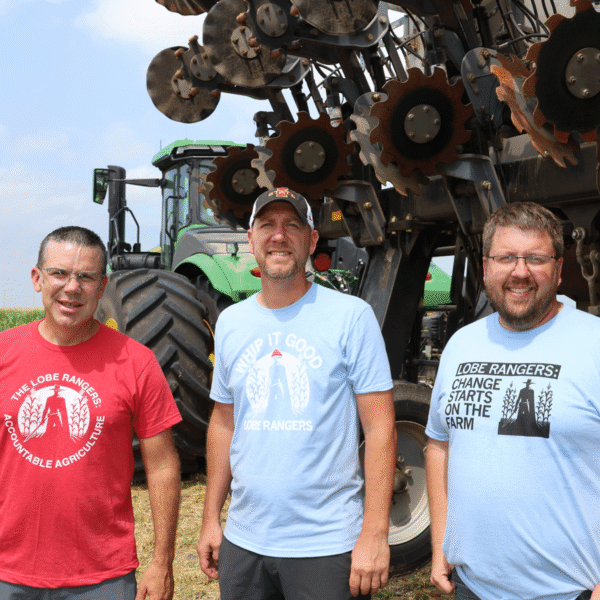
James Hepp, Zack Smith, Matt Bormann
James Hepp is a first-generation farmer in Calhoun County, Iowa, raising corn, soybeans and rye with his family. He has used strip-till, no-till, cover crops and in-season nitrogen for eight seasons. James also runs a crop insurance business and sells agricultural inputs. He holds an agricultural business degree from Northwest Missouri State University.
Zack Smith farms corn, soybeans and oats near Thompson in Winnebago County, Iowa, using strip-till, cover crops and in-season nitrogen. He holds an agronomy degree from ISU, spent nearly 20 years as a sales agronomist before farming full-time and founded Stock Cropper.
Matt Bormann farms with his family on the Des Moines Lobe near Algona in Kossuth County, Iowa, raising corn, soybeans and seed corn. He uses strip-till, cover crops and in-season nitrogen, and believes a farm can be profitable while stewarding soil and water quality. Matt holds an agricultural business degree from Iowa State University.
Lunch and Exhibit Hall
Lunch and Exhibit Hall
Join us in Ballroom A for a lunch with locally-sourced ingredients.
Session 3
Centering Economics in Cover Crop Planning
Even after years of cover cropping, there's room for growth. Zeb Winslow has been cover cropping for decades, but is still finding new ways to improve cover crop performance. Recently, he’s been tweaking his cover crop mixes to focus on diversity while lowering seeding rates. His goal is to reduce seed costs as well as herbicide and fertilizer usage. Come learn how Zeb is taking the next steps to enhance his cover crop system and improve economics on his row crop farm.
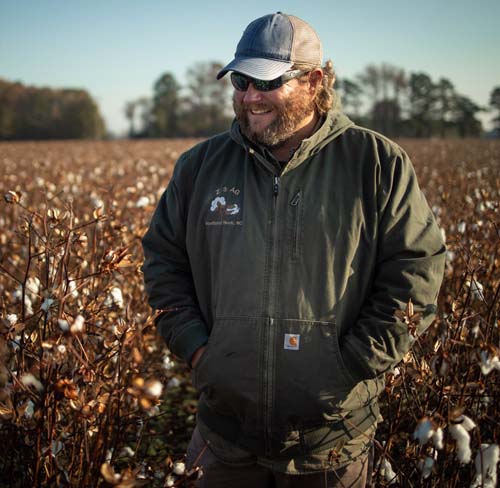
Zeb Winslow
Zeb Winslow of Z3 Agriculture is a fifth-generation farmer growing corn, soybeans and cotton in Scotland Neck, North Carolina. Since first planting a cover crop in the mid-1990s, he has expanded to using cover crops and no-till on all his acres and has been incorporating multispecies mixes since 2013.
Small-Scale On-Farm Grain Milling
As demand grows for locally grown ancient grains, small-scale milling is making a resurgence. Recognizing demand in their area, Brittany and Peter Haugen bought a stone mill and started Sandhill Mill on their farm in 2021. Hear their story of establishing and growing their business. You'll learn about grain selection and the process of stone milling. The Haugens will also share tips for brand design to effectively market grain products locally and through online sales.
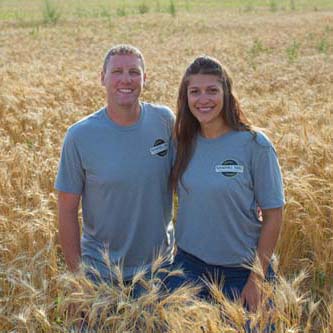
Peter and Brittany Haugen
Peter and Brittany Haugen own and operate Sandhill Mill on their farm near Canby, Minnesota. They grow ancient grains such as einkorn and emmer wheat, as well as oats, flax, rye and more common wheat varieties. The cleaned and milled grains are sold through their online store and in various local shops.
Lightning Talks Round 1
Garrett Hilpipre – Beginning Before You're Ready: Stewardship Before Full-Time Farming
Liz Graznak – Labor Challenges on Small-Scale Diversified Organic Farms
Mary Hendon – Crop Residue: Trash, Treasure or Both?
Reid Barker – Cereal Rye Across Cropping Systems: Nutrient Scavenger or Fertility Challenge?
Angela Horvath – Kicking Away the Ticks: Practical Steps To Prevent Tick-Borne Disease on the Farm
David Sliwa – My Best Pears Yet: Variety Trials Continue
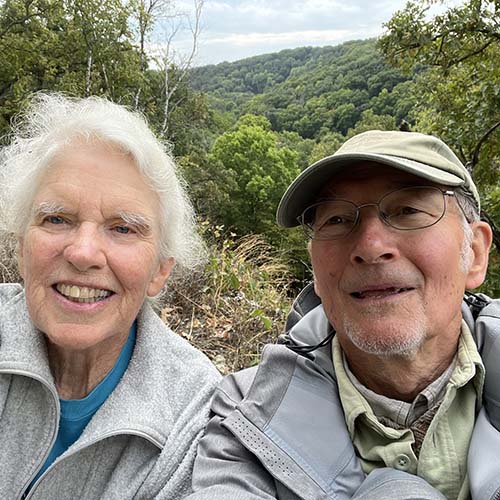
David Sliwa
David Sliwa is a food grower from Decorah, Iowa, with a special interest in producing choice pears for market. He has done on-farm trials of 41 pear varieties, with a goal of finding those that grow, thrive and consistently produce a marketable crop at sites around the Midwest. David and his family have lived with solar and wind energy for over 45 years.
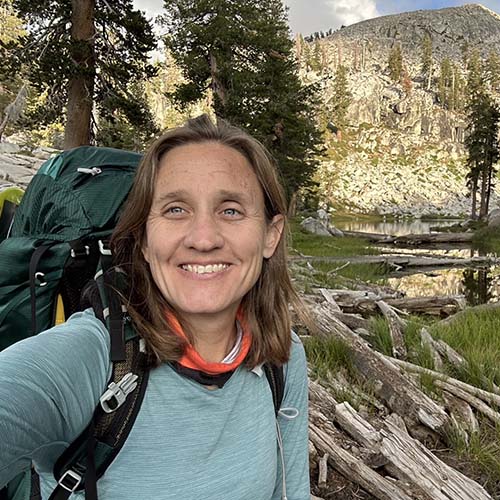
Angela Horvath
Angela Horvath (she/her) is a doctoral student in occupational and environmental health at the University of Iowa. Her research focuses on vector-born disease, specializing in ticks. Angela's diverse career includes time in the Peace Corps, environmental education, health policy, nonprofit leadership and grant writing.
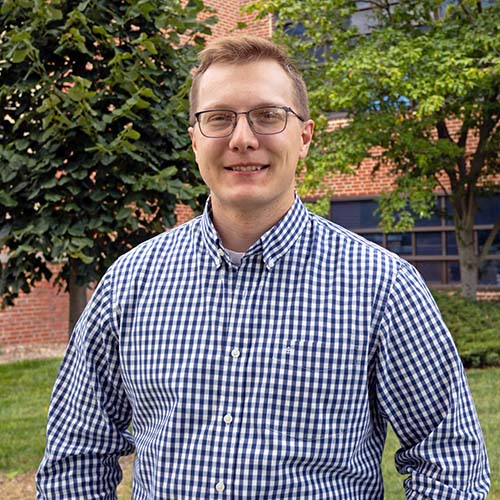
Reid Barker
Reid Barker is a research scientist and doctoral student in soil science at ISU. His research is looking at how winter rye cover crops interact with row crop systems that are diversified with small grains, forages, manure and perennial crops.
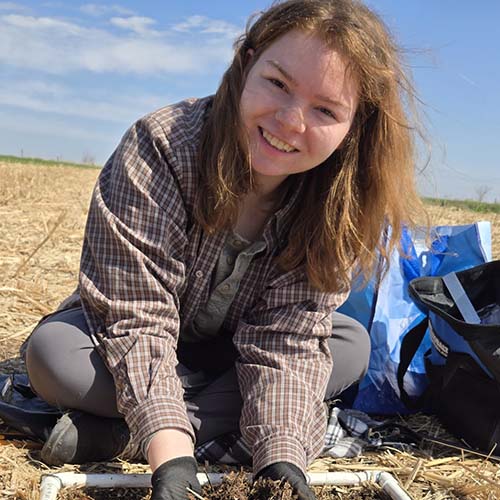
Mary Hendon
Mary Hendon is from Essex, Iowa. She spent three years working in industry on research focused on improving crop yields through enhanced pollination in corn, wheat and rice. Mary is now pursuing a master's degree in soil science and sustainable agriculture at ISU. Her research is looking at how plant residues from annual no-till corn; miscanthus, a perennial bioenergy crop; and native tallgrass prairie affect soil properties and ecosystem services.
Liz Graznak
Liz Graznak and her team grow organic vegetables for CSA, farmers markets and wholesale accounts at Happy Hollow Farm in Moniteau County, Missouri. MOSES recognized Liz as the 2021 Organic Farmer of the Year for her work raising outstanding organic vegetables while expanding the borders of organic food and her community engagement.
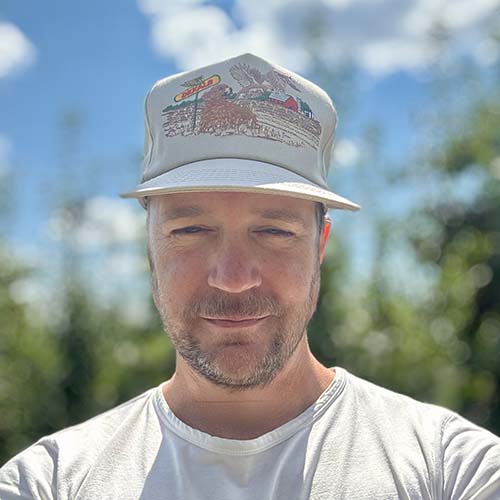
Garrett Hilpipre
Garrett Hilpipre is a beginning farmer and landowner in north-central Iowa working to bring more perennial agriculture and agroforestry practices to his family’s farm. A former Peace Corps agroforestry extension agent in Madagascar, he returned to Iowa after many years away and is now establishing a perennial alley cropping demonstration through a North Central SARE Farmer Rancher Grant.
Q&A With Keynoters The Lobe Rangers
This session follows The Lobe Rangers' keynote, "Swimming Upstream for Meaningful Change." Bring your questions for a robust dialogue.
Prairie Strips: The Movie
The STRIPS project is celebrating 20 years! What began at Iowa State University as a study asking, "What can we plant in corn and soybean fields to reduce erosion and filter water?" has become a proven conservation practice now available through the USDA's Conservation Reserve Program. This short film explores why farmers and landowners throughout Iowa and beyond have started using prairie strips on their farms. It also highlights the benefits of prairie strips and what they might mean for agriculture's future.
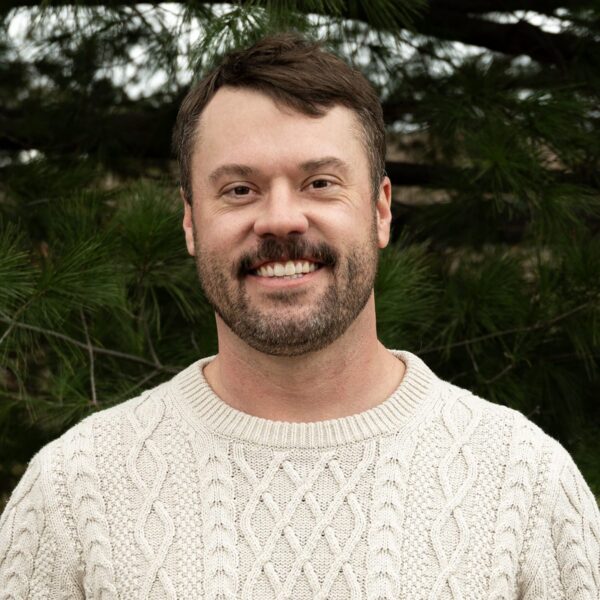
Tim Younquist
Tim Younquist is the farmer liaison with ISU's STRIPS team. He grew up on a heritage farm near Kiron, Iowa, that has been in his family since 1873, and where he still farms today. He is knowledgeable and passionate about production agriculture and natural resource conservation in Iowa.
ROUNDTABLE: Increasing Vegetable Farm Profitability and Viability
How do you grow a sustainable horticulture business that survives transitions and generations? How can we improve the viability of vegetable farms in the region? Join this roundtable session to connect with other farmers and share your thoughts on these and other topics – like how to handle labor, marketing and managing growth and risk. John and Ana will guide conversation. They'll also provide input on how to create long-term success for horticulture farmers as the world changes.
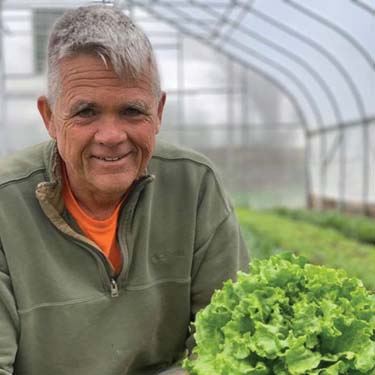
John Wesselius
John Wesselius and his wife Janna own and operate The Cornucopia, a 10-acre vegetable farm raising vegetables naturally near Sioux Center, Iowa. Since 2005, the couple has marketed through a CSA and by selling produce at farmers markets.
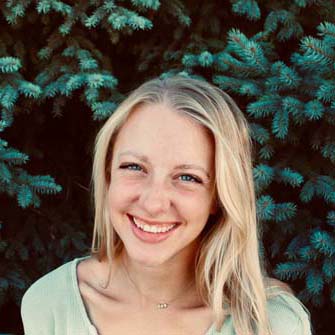
Ana Timmer
Ana Timmer has worked as assistant farm manager at The Cornucopia in Sioux Center, Iowa, since 2018. In 2026, she became a partner in the farm. Ana has a passion for agroecology and for teaching people about food through her conversations at the farmers market and through the CSA newsletter she writes.
PANEL: Small Grains as Practical Pig Feed
Historically, small grains played a much larger role in a pig's complete ration. Though they’ve fallen to the wayside in many operations, some farmers are integrating them as a way to use a third crop, save money and diversify their hogs' diets. Come hear from Daniel, Alan and Ryan as they share what place small grains have on their farm and in their pig feed. PFI’s Heidi Ackerman will facilitate the discussion.
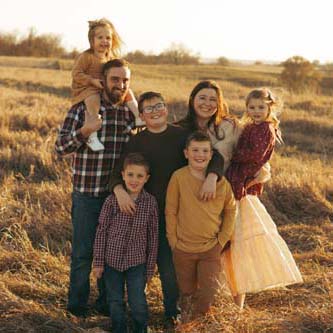
Ryan Wallace
Ryan Wallace and his wife Ashley are organic farmers from Benton County, Iowa. On their organic operation, they use a diverse crop rotation that includes small grains and livestock. Ryan has been feeding small grains such as oats, wheat and rye to hogs for the past eight years.
Alan Jostock
Alan Jostock has been farming his family land near Hammond, Minnesota, for his entire life. These days, he works with his parents, his wife Betsy and their two girls to raise cow-calf pairs and farrow-to-finish pigs. Alan also grows a diversified rotation of corn, soy, small grains and hay in a 100% no-till system.

Daniel Rosmann
Daniel Rosmann is an organic crop and livestock farmer from Harlan, Iowa. He grows oats, succotash and hybrid rye, among other crops, that are fed to his cattle, hogs and chickens. He and his wife, Ellen Walsh-Rosmann, own Milk and Honey, a farm-to-table restaurant.
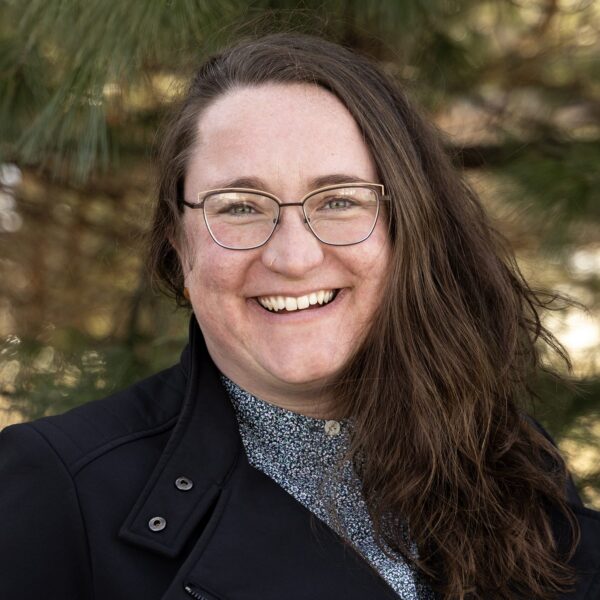
Heidi (Dittmer) Ackerman
Heidi (Dittmer) Ackerman joined PFI in January 2025 as the farm systems viability manager. She supports the team that delivers technical and financial support to farmers who want to diversify their farms. She loves being part of a big-tent organization that values Iowa's communities and natural resources.
ROUNDTABLE: How Are Land Access Policies Affecting Beginning Farmers?
Wondering how our state and federal policies are affecting beginning farmers' access to land? Join Adam Mason, PFI's senior policy coordinator, for an overview of policies that influence land access in Iowa. You'll have a chance to share your perspectives, land access needs and policy ideas during the roundtable discussion.
Adam Mason
Adam Mason joined Practical Farmers of Iowa in November 2025 as the senior policy coordinator. In this role, he works to ensure PFI members are effectively and strategically sharing the organization's priorities with policymakers, as well as with other state and federal leaders.
Session 4
Sunflower Savvy: Tips and Opportunities for Growing Sunflowers
Jeff Topel started growing sunflowers for the soil health benefits – like reducing compaction and cycling nutrients. He started adding the seeds to his chicken feed mix and quickly noticed improved egg shell durability. They have now become a consistent crop in his rotation and Jeff has established a small market for his chicken feed. Come learn about special equipment, animal feed opportunities and soil health benefits of growing sunflowers.
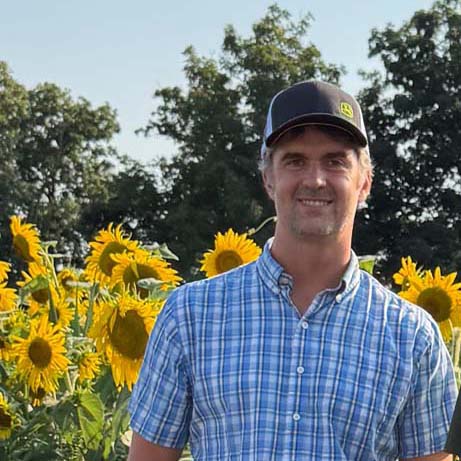
Jeff Topel
Jeff Topel was raised on a dairy farm in Wisconsin, but left farming for 20 years before starting a farm with his wife, Jane, near Fairfield, Iowa. He designed the farm around regenerative practices and grows corn, soybeans, sunflowers, flax, oats and hay. Jeff also works as a product manager for John Deere.
Lightning Talks Round 2
Tallis Strub – What To Grow? Get a Goal!
Patti Naylor – Why Did an Iowa Farmer Speak at the United Nations – and What Was Her Message?
Sophie Neems – Protecting Land: Conservation Easement Adoption Among Iowa Landowners
Dirk Oudman – The Power of a Toolbar
Kathryn Gilbery – Welcoming Aspiring Farmers to Your Farmers Market
Martha McFarland- Thinking About Bison? What You Really Need To Know
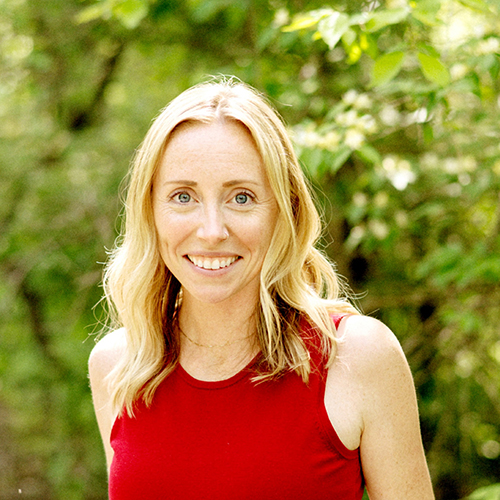
Tallis Strub
Tallis Strub is an Iowa native, entrepreneur and ballroom dance studio owner. She lives on her family's farm in Warren County, Iowa, with her husband and three children. There, they raise Jersey cows, pigs and chickens. She enjoys working with her husband to develop sustainable revenue streams to support their farm while delivering quality farm products to their customers.
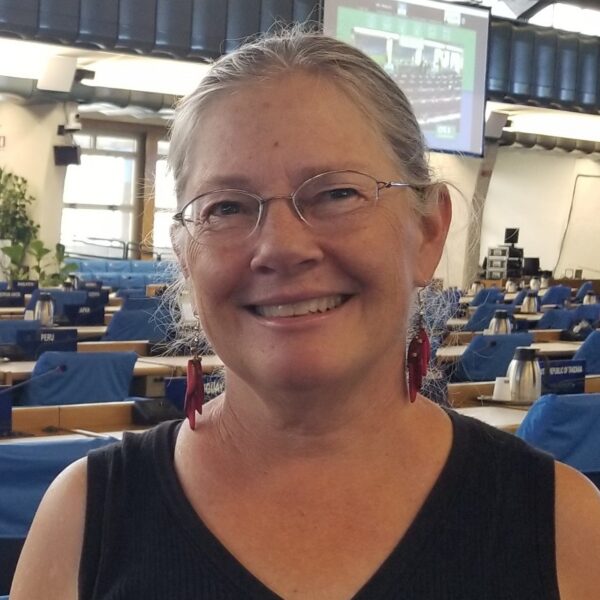
Patti Naylor
Patti Naylor farms with her husband, George, near Churdan, Iowa, growing certified organic crops. Since 2019, she has traveled to Rome several times to take part in activities of the United Nations Committee on World Food Security through the Civil Society and Indigenous Peoples Mechanism. She hars also presented on rissues related to data collection, digitalization of agriculture and artificial intelligence in relation to food security and sovereignty.
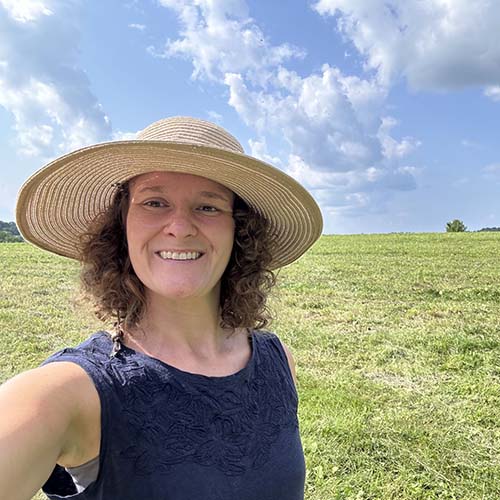
Sophie Neems
Sophie Neems grew up in Iowa City, Iowa, and is a fourth-year sociocultural anthropology doctoral student at Arizona State University. There, she is studying farmland ownership, succession planning and sustainable food systems. Her master's thesis explored what motivated Iowa landowners to protect land for agriculture and natural resources through conservation easement adoption and land donations. She has a professional background in agricultural policy and communications.
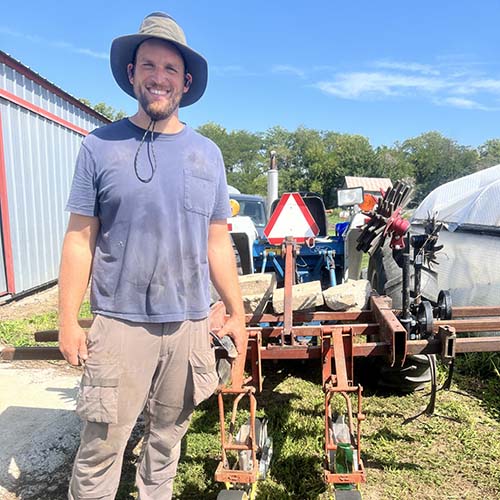
Dirk Oudman
Dirk Oudman farms with his wife, Kjersten, and their three young children at Blue Sky Vegetable Co in Worthing, South Dakota. Dirk farmed vegetables in Michigan and Wisconsin for a decade, and has farmed for the past five years in South Dakota. He loves improving the systems on their farm and enjoys a challenge that involves tinkering. Potatoes are his favorite crop to grow.
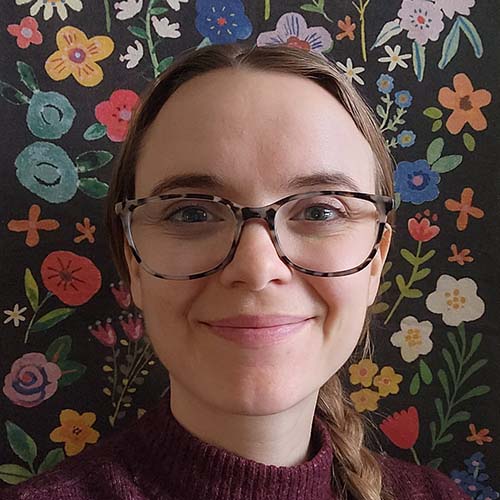
Kathryn Gilbery
Kathryn Gilbery is the local food access manager at the University of Northern Iowa. In that role, she supports beginning farmers, expands local food access and develops market opportunities through collaborative food system initiatives.
Martha McFarland
Martha McFarland runs Hawkeye Buffalo & Cattle in Fredericksburg, Iowa, where 50 bison and a small herd of Polled Hereford breeding stock graze year-round. She sells bison meat from her farm store and offers tours of the ranch. Martha is also PFI's farm transition manager.
From Strategy to Collaboration: Advancing Our Missions Together
Practical Farmers of Iowa recently completed a new strategic plan, informed by extensive member feedback. This plan will guide our priorities over the next three years. Many of our valued partners – including Rodale Institute; Women, Food and Agriculture Network; Iowa Environmental Council; Golden Hills RC&D; and more – have also developed new strategic plans.
If your organization has recently completed a strategic plan, we invite you to join this conversation! Let's explore how our strategic priorities align and identify opportunities for collaboration.
This conversation is open to organizational staff, members and anyone interested in learning how we can strengthen partnerships and work together toward shared goals.
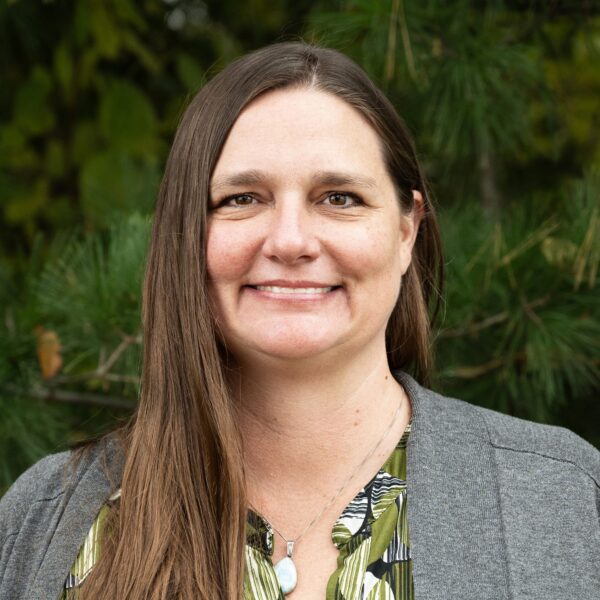
Sally Worley
Sally Worley has been the executive director of Practical Farmers of Iowa since 2016. She works to ensure Practical Farmers is farmer-led and maintains its big tent, welcoming everyone into the organization. She oversees PFI’s staffing, finances and programming, and is the primary liaison with the board of directors. Sally has a Bachelor of Science in horticulture and environmental studies from ISU, and an Executive Master of Public Administration from the University of South Dakota.
Restoring Oxbow Wetlands for Cleaner Water, Flood Storage and Wildlife
Just upriver of Cedar Rapids, Iowa, Benton County landowners Dan and Meghan Diehm are restoring land along Bear Creek to improve water quality, slow floods and provide diverse habitat for wildlife. Join Dan as he shares his experience restoring an oxbow wetland. Dan will be joined by Karen Wilke, associate director of freshwater at The Nature Conservancy in Iowa. She'll discuss the science and benefits of this small but mighty conservation practice, as well as the oxbow restoration process.
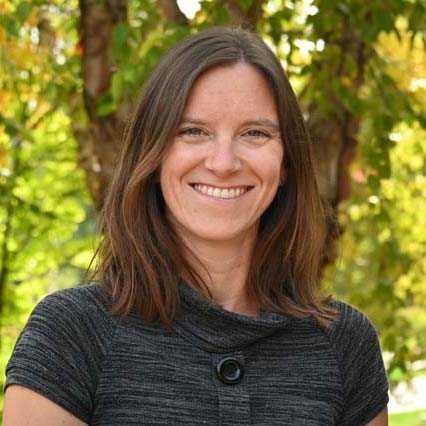
Karen Wilke
Karen Wilke is the associate director of freshwater for The Nature Conservancy in Iowa. Her work has focused on restoring floodplain wetlands (oxbows) and natural flows to Iowa’s rivers, streams and floodplains. Through her work, Karen strives to create more resilient and healthy freshwater systems for people and nature to enjoy.
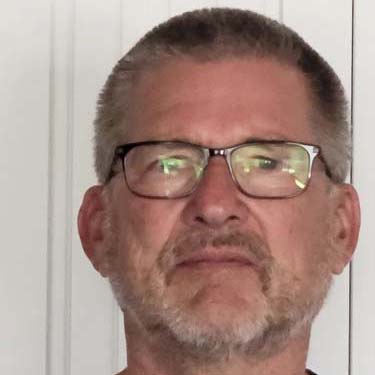
Dan Diehm
Dan Diehm is a farm kid from Tama County, Iowa. He has a degree in horticulture and is currently self-employed at Cedar River Garden Center. He got involved in wetland and flood mitigation after the devastating flood of 2008 on the Cedar River. On his own land, Dan has restored an oxbow alongside Karen Wilke of The Nature Conservancy in Iowa to provide flood mitigation and wildlife habitat.
Developing a Regional Food Hub
In this session Megan McKay, will discuss how Mint ‘N More Foundation built and launched Gathered Local Foods Market in Knoxville, Iowa, from the ground up, including an online ordering system for customers and a community garden. Learn how she works with vendors, manages logistics and store operations and employs marketing to grow this budding local food hub. She will also share challenges and learnings from the process.
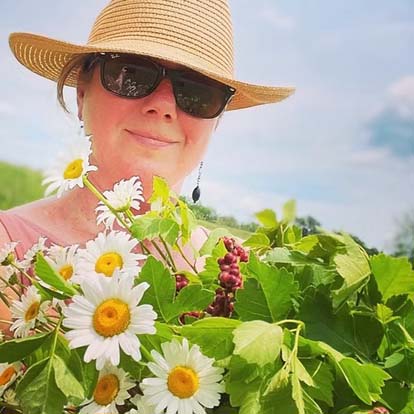
Megan McKay
Entrepreneurial at heart, Megan McKay has been active in starting and operating businesses ranging from a craft brewery to insurance and real estate development businesses. Most recently, she has been serving as executive director of the Knoxville, Iowa-based Mint ‘N More Foundation, where she's driving the vision to cultivate health and nourish agriculture in rural Iowa.
From Waste to Opportunity: Value-Added Pet Products
Take your underused animal by-products and turn them into a profitable value-added product. Kim will walk through preparation, equipment, packaging, pricing and marketing of value-added pet treats. She’ll also discuss costs, regulations and how to determine whether pet products make sense for your operation. Learn how using more of the animal can reduce waste, increase margins and create an additional revenue stream for your farm.
Kim Klees
Kim Klees and her family raise pastured ducks and other poultry at Elpis Farms in southern Minnesota. She has a passion for finding practical ways to make small farms more profitable, including getting creative with value-added products. Kim is always open to sharing the wins, mistakes and lessons learned along the way.
The Bee Business
What started as a fun side hobby for Phil Ebert and his sons became a full-time career spanning over 25 years. Phil’s adult sons are now part of the business. Together, the Eberts manage hives producing thousands of pounds of honey each year, making them one of the largest beekeepers in Iowa. Come hear Phil share what he’s learned from scaling up his business, and how he’s carefully managed risk while growing strategically.
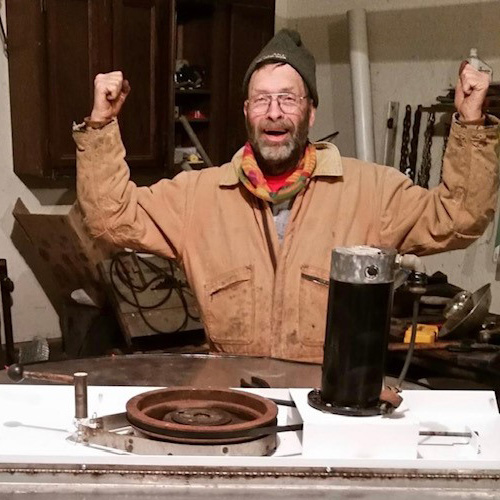
Phil Ebert
Phil Ebert is a beekeeper from Lynnville, Iowa. He started out with two colonies of bees in 1980 that have grown into nearly 1,500. Today, Phil and his family produce and sell honey and beeswax to over 70 regional stores. In spring, Phil rents his hives for pollination services across the U.S.
Leveraging Your Strengths To Scale Up Sustainably
There is no one-size-fits-all approach to scaling a farm. Your ideal scale depends less on acres or herd size and more on your strengths, goals and interests. Join John Hendrickson, farmer and farm viability specialist, to explore how recognizing what you do best – and where you need support – can help you make thoughtful decisions about growing your farm sustainably.
John Hendrickson
John Hendrickson is a farm viability specialist at the Center for Integrated Agricultural Systems at University of Wisconsin-Madison. His work focuses on farm management and profitability, with an emphasis on specialty crops. He conducts farm financial benchmarking research and develops tools to help farmers calculate their cost of production, measure enterprise profitability and manage their farm businesses to be sustainably profitable. In the past, John operated his own certified organic vegetable farm.