From Row Crops to Prairie
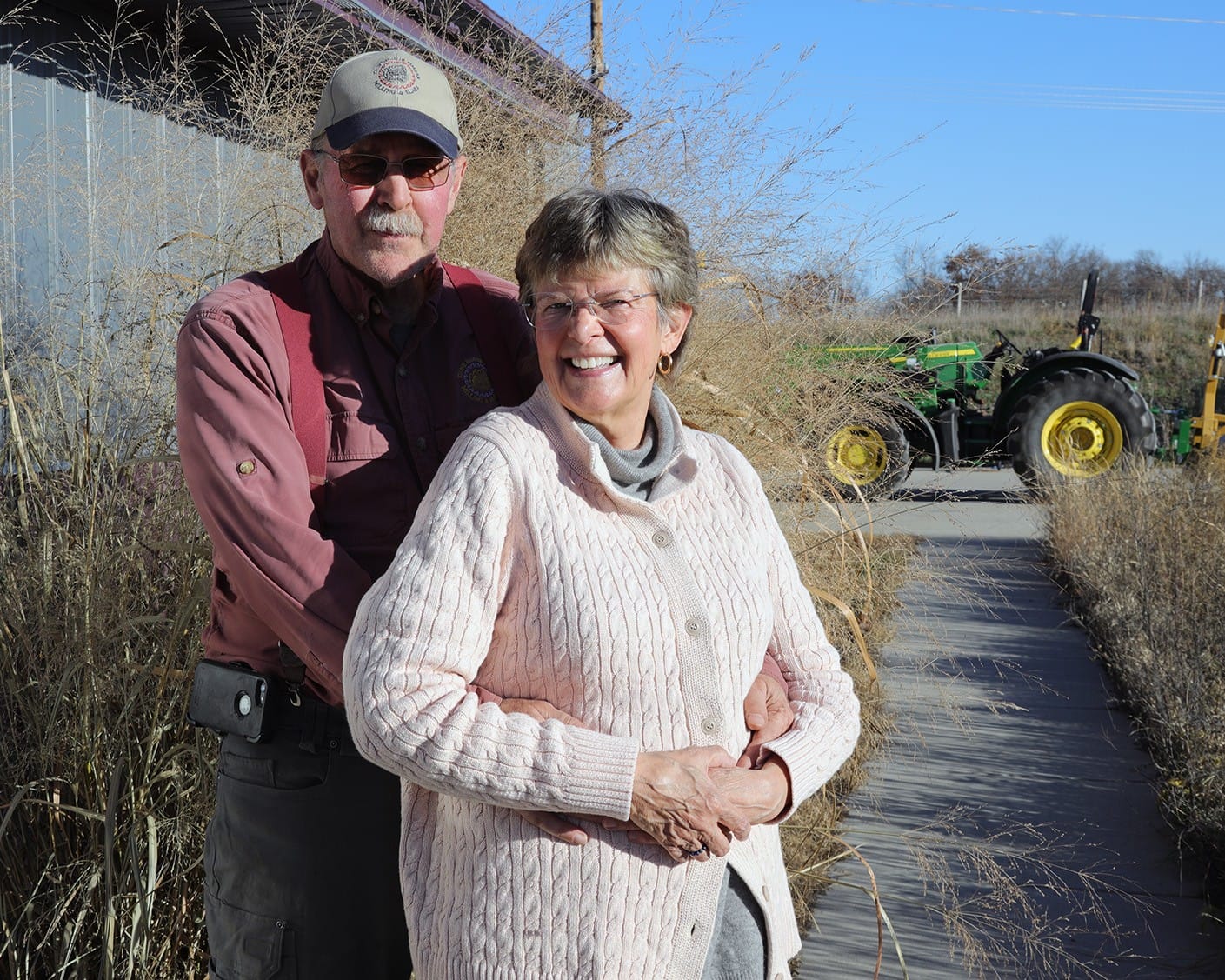 John and Nancy Brannaman own a 56-acre farm, dubbed Stone House Timber, just a short way from the historic Sutliff Bridge in northeast Johnson County, Iowa. This farm is part of John's family's farm.
Over in neighboring Illinois, in LaSalle County, is the 366-acre farm that Nancy grew up on. This farm, called Paddy Ridge Farm, is managed, operated and co-owned by Nancy. Her husband, John, owns and operates Stone House Timber Sawmill and Kilning. Both hold advanced degrees from Iowa State University in agriculture, farm operations and animal production.
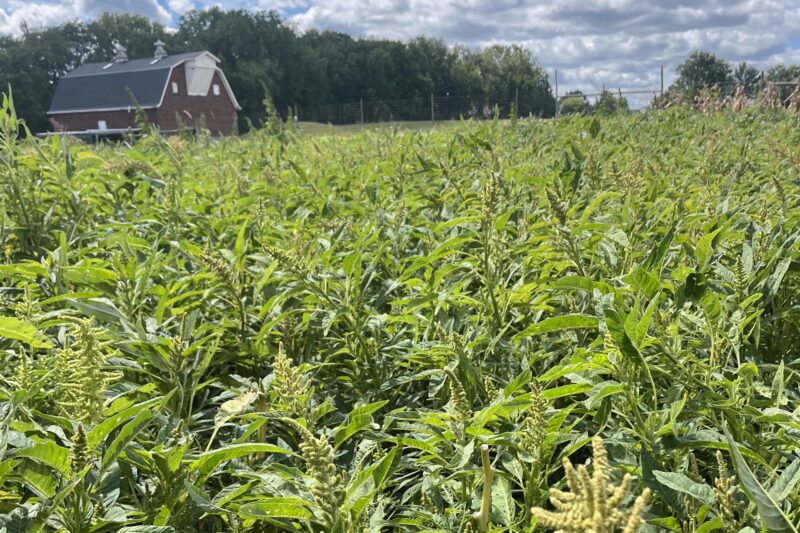
With a combined background in agriculture and a love for the native landscape, the Brannaman's have been establishing prairie pollinator mixes on both farms. The 56 acres John and Nancy currently call home were originally in row crops. About six years ago, in 2018, they started putting prairie back on the landscape, and today, the acreage is a diverse mix of timber, grass meadows and prairie. In addition, Nancy has re-established a wetland on her farm in Illinois and two pollinator plots, taking cropland and turning it back to prairie.
John and Nancy Brannaman own a 56-acre farm, dubbed Stone House Timber, just a short way from the historic Sutliff Bridge in northeast Johnson County, Iowa. This farm is part of John's family's farm.
Over in neighboring Illinois, in LaSalle County, is the 366-acre farm that Nancy grew up on. This farm, called Paddy Ridge Farm, is managed, operated and co-owned by Nancy. Her husband, John, owns and operates Stone House Timber Sawmill and Kilning. Both hold advanced degrees from Iowa State University in agriculture, farm operations and animal production.
With a combined background in agriculture and a love for the native landscape, the Brannaman's have been establishing prairie pollinator mixes on both farms. The 56 acres John and Nancy currently call home were originally in row crops. About six years ago, in 2018, they started putting prairie back on the landscape, and today, the acreage is a diverse mix of timber, grass meadows and prairie. In addition, Nancy has re-established a wetland on her farm in Illinois and two pollinator plots, taking cropland and turning it back to prairie.
The Benefits of Prairie
“One of the best benefits of establishing prairie is that it can get you out of mowing! That's been one of the main reasons that we decided to put in pollinator plots,” Nancy says. “It really cuts down on time and labor. So much of rural Iowa is wide-sweeping lawns requiring extensive maintenance. This solves that problem.” Of course, maintenance was not the only thing on John and Nancy's minds. As stewards of their land, they sought to protect it physically. Native prairie grasses build soil over time and prevent large-scale erosion.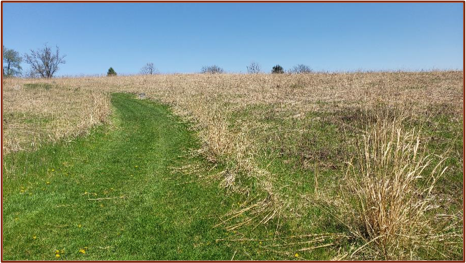
Funding and Maintenance Considerations Used
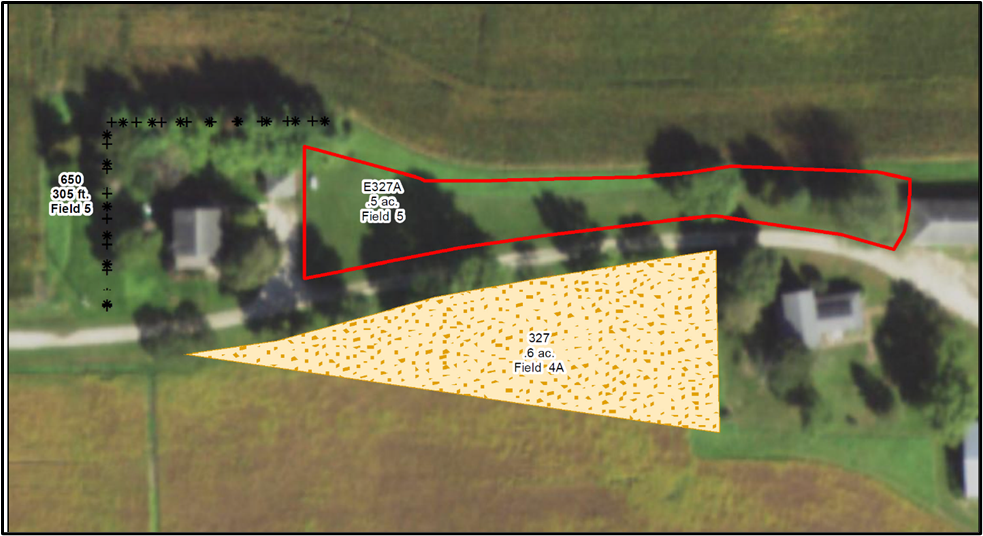
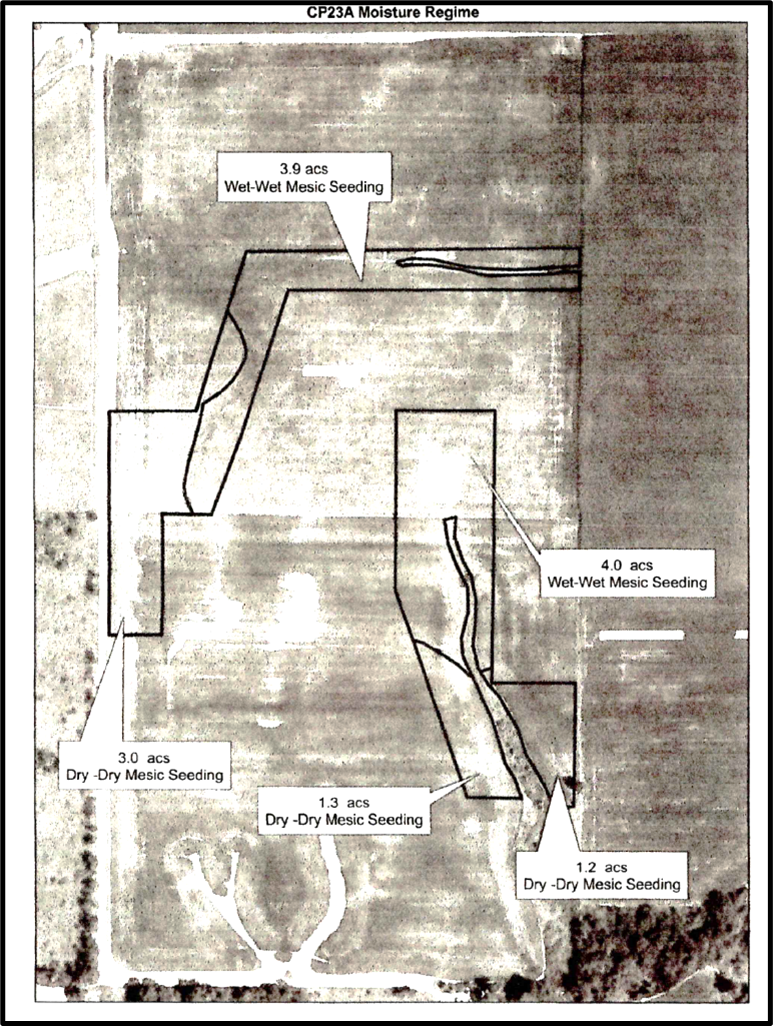
To realize her ultimate dream of not mowing, Nancy contacted the local Natural Resources Conservation Service (NRCS) office and signed a Conservation Stewardship Program contract for Paddy Ridge Farm. The 1.1 acres of pollinator plots were funded and seeded in 2022. Nancy uses her CSP contract to continue maintenance in the area. “I continue to review my CSP contract with the NRCS specialist I work with; it has been a smooth process during each renewal period.”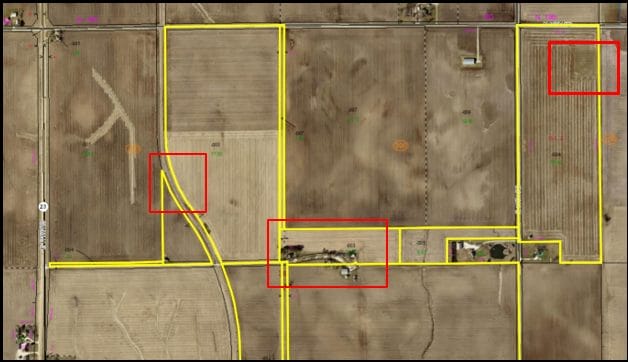
Steps for Success in Establishing and Maintaining Prairie
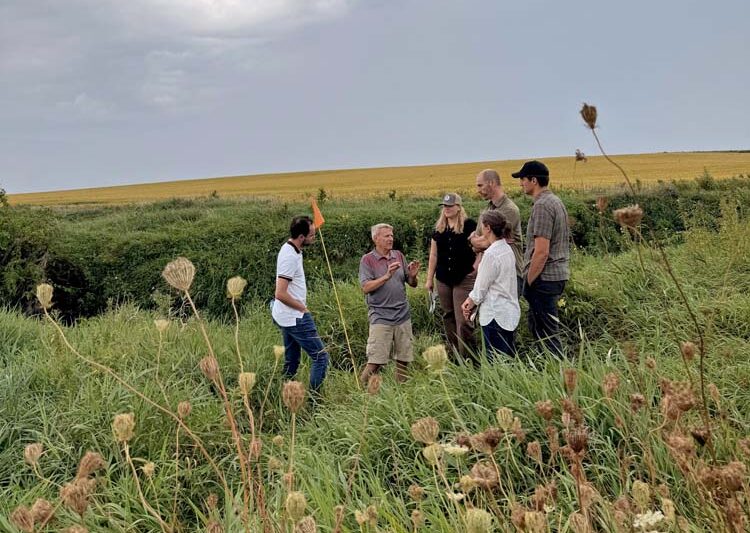
Before any establishment of habitat can be considered, John emphasizes that the intended site really needs to be studied and understood. “Our soil is very dry on our Iowa farm, and they require different types of plants in comparison to the wetland areas of our Illinois farm, and so really researching your plants is crucial. After that, hand seeding and using small seeders designed for forage seeding are the most economical way to establish a diverse prairie mix.” To help evenly distribute extremely small seed, only about 5 lbs. worth per acre, John used extenders, and even rice hulls one year, and attests to its effectiveness. “Some of those fine seeds are so light, that we mixed in kitty litter with the rice hauls to bulk up the seed mix so it could be thrown further, and then we got a good roller after we seeded and went over the area to roll and press the seeds into the ground.”Other Factors to Consider for Planting Success According to the Brannamans
| Study your site carefully | Mow regularly following a plan for the first few years |
| Seeding is the most economical way to establish a diverse prairie mix | Be willing to hand weed and/or spot spray after establishment |
| Choose a seed mix that matches the soil conditions | Learn about prairie fires, hire contractors when help is needed and participate! |
| Use an extender for small seed | Remove volunteer trees while they are small |
| Eliminate weeds, especially perennial weeds before seeding | Learn to identify grass and forbs species. This helps in weed identification |
| Determine where fire breaks will go | Attend workshops on native prairie, establishment, and maintenance |
| Roll or cultipack after seeding | Read about native prairies |
| Consider a cover crop like winter wheat or winter barley | Seed no more than ¼ inch deep |
Financing Options Used for Habitat Restoration
Nancy enrolled in several programs over the course of the farms' prairie restorations, but she recommends starting with your local NRCS office. “It's best to start there. Have them [NRCS] come out to your farm or field. Tell them about your goals and what problems you want to solve, such as drainage or erosion issues. After they do a soil and site analysis, they can advise about which programs are the best fit and explain the bidding process.”Key Differences Between CSP and CRP Based on the Brannamans' Experience
| CRP requires land to have been cropped | CSP does not require a crop base |
| CRP requires a reduction in base acres | CSP had a larger array of conservation practices from which to choose |
| Generally, CRP pays better than CSP | Some CSP practices can go over 5 years |
| Easier to get CRP funding | Funding for CSP more difficult to obtain |
Nancy Brannaman's Ode to Pollinators
“One thing I cannot emphasize enough is that value of native prairie and pollinator plots to our precious pollinators. Without our pollinators, we wouldn't have the majority of our foods. We added a variety of milkweed seeds to our seed mixes to help the monarchs. In addition, we get out in the fall and winter and spread the milkweed seeds that are being shed from the plants in our prairie areas. I'm going to register to be an official Monarch Way Station through Monarch Watch.” “I see a golden opportunity for farmers to develop a side business helping rural residents and small towns establish and care for pollinator plots on lawns and green spaces. Many rural residents do not have the equipment or knowledge to transform their lawns into a haven for pollinators. We see many lawn care and tree care businesses in our state. I hope we will see more and more native prairie care service businesses spring up.”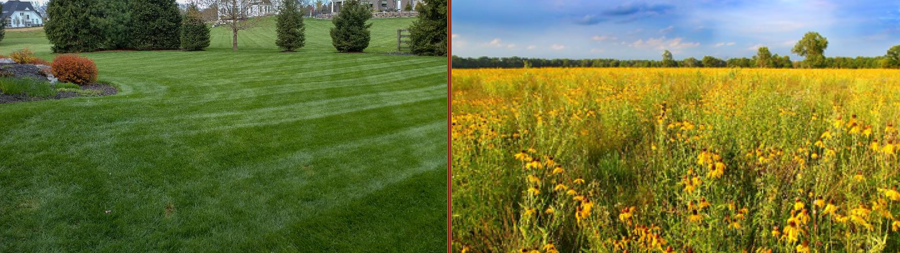
If you are interested in restoring pollinator habitat on your farm or acreage, there are a variety of funding options through NRCS as well as grants through the Iowa Department of Natural Resources. Practical Farmers of Iowa also has a habitat incentives program designed to restore pollinator habitat and prairie strips and improve water quality.