From Oats to Cattle
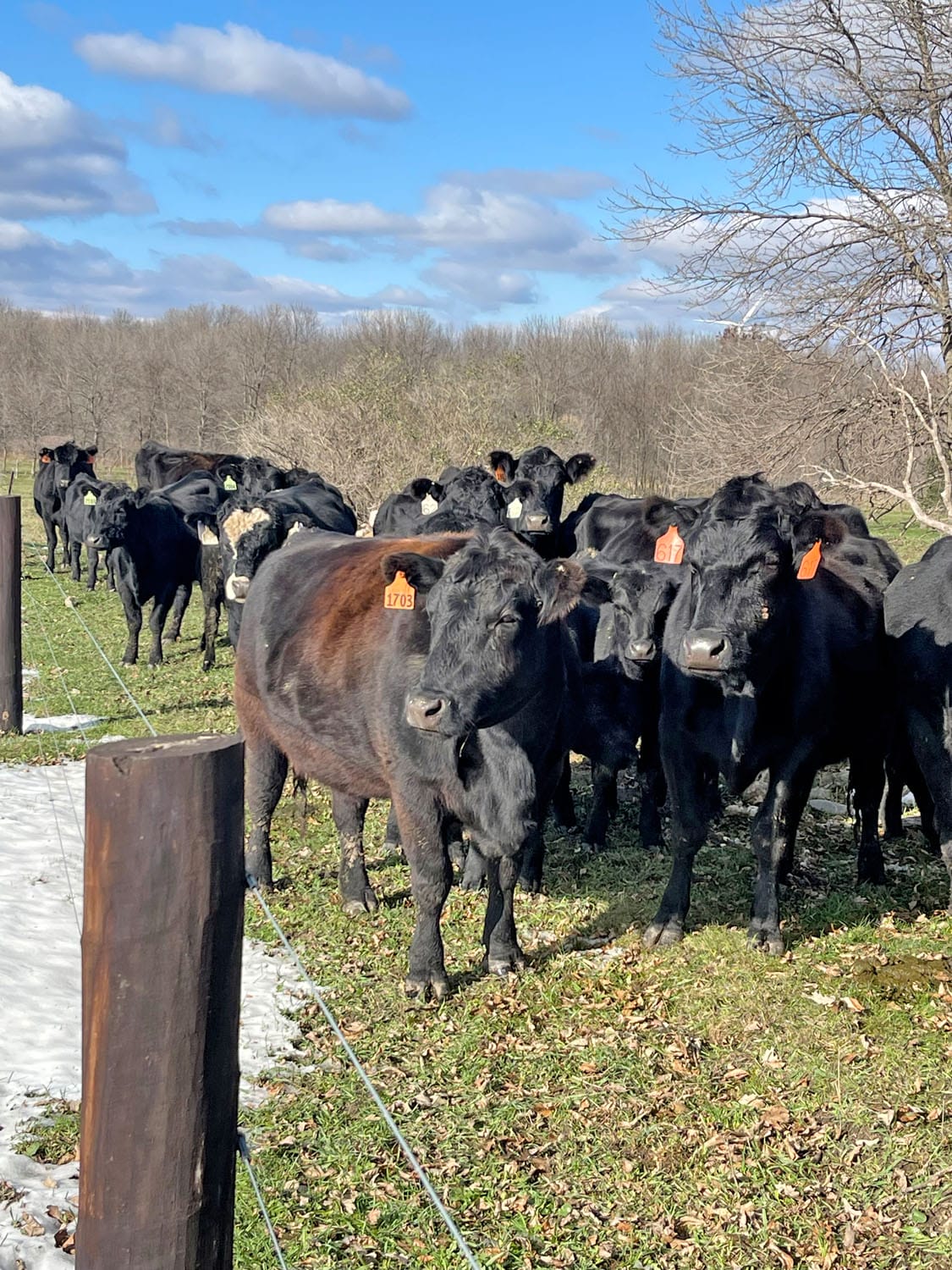
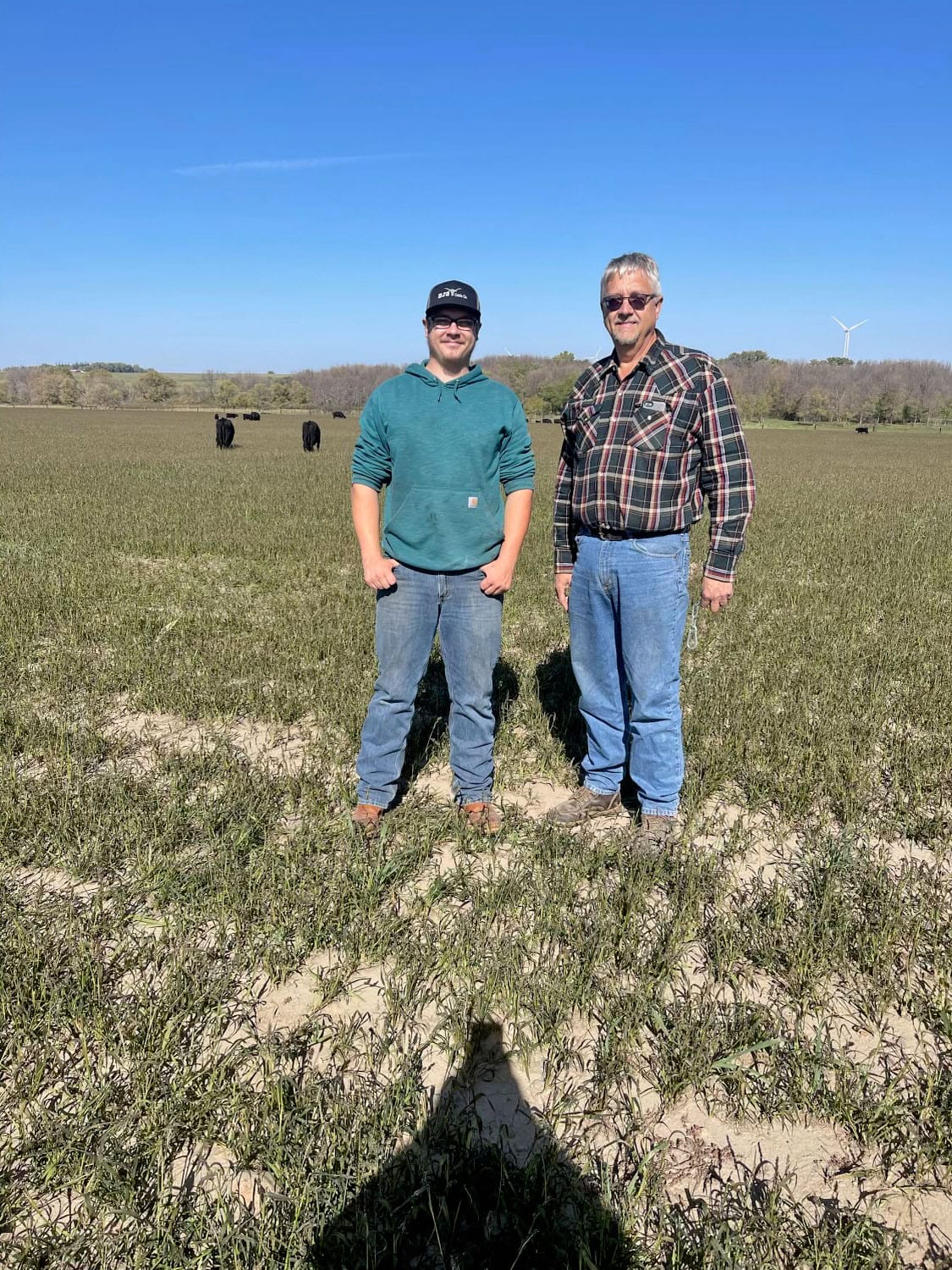
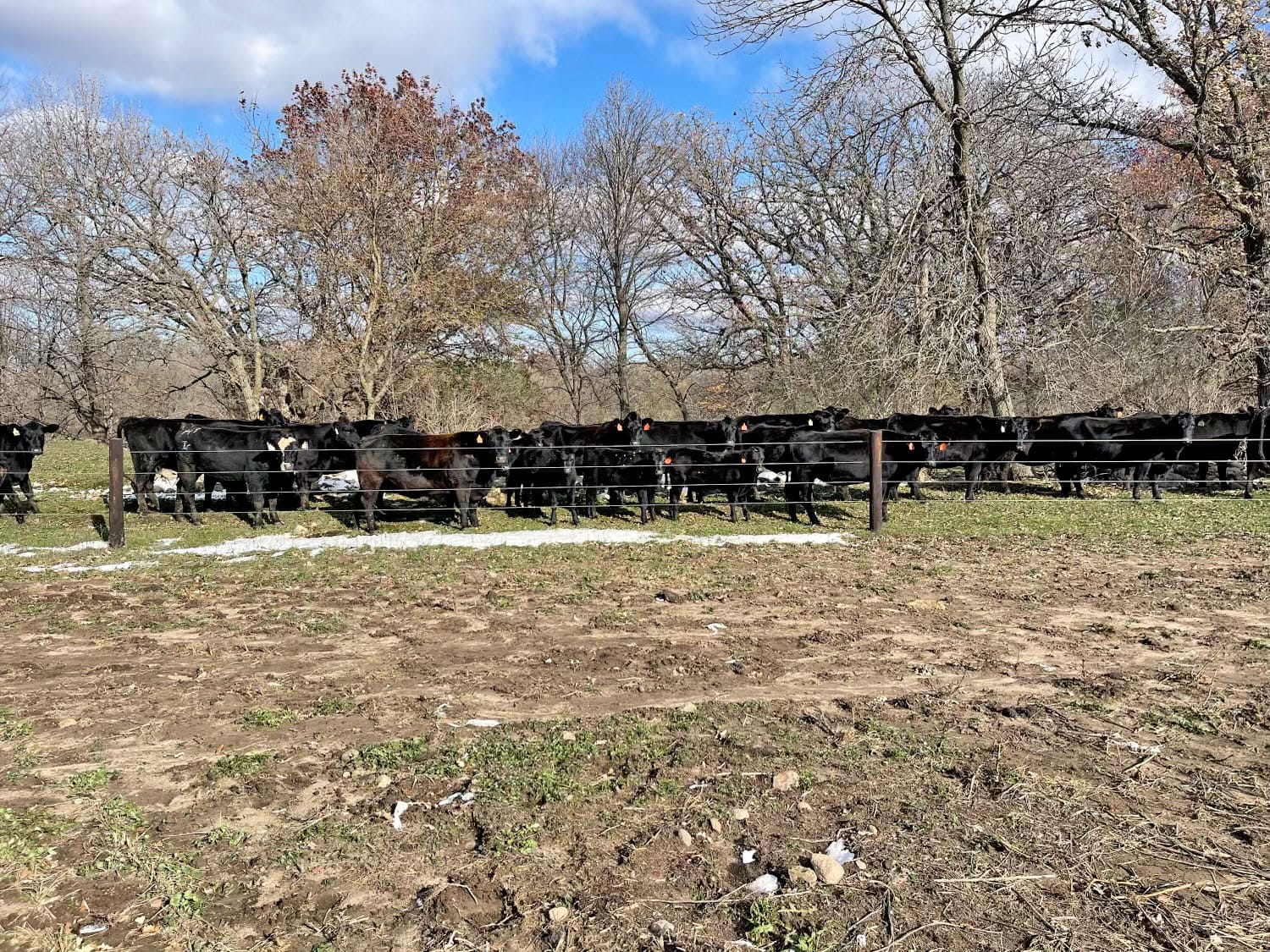
It all started five years ago. While delivering grain with his trucking business, Brad learned of an opportunity to grow conventional oats for Grain Millers in addition to his typical corn and soybean rotation. He started by planting 105 acres of oats, which were destined for Grain Millers' food-grade markets. “We did the legume cover crop with it, got the [PFI small-grains] cost-share and at the same time we realized there was a lot of forage out there,” Brad says. At the time, the family had five or six hobby beef cows. Taking advantage of all the extra forage leftover from the oats, Brad's eldest son, Joel – who runs a baling business – baled the oat straw and the family bought more cows.“Ben is working to build a [cattle] business and it is all because of the small-grain and legume cost-share in that first year.” - Brad SheelyThe flow-on effect continued. Ben, Brad's youngest son, saw the opportunity to add a cow-calf herd to the operation. He has now grown the herd to 60 head. “Ben is working to build a business and it is all because of the small-grain and legume cost-share in that first year,” Brad says, noting that the cost-share is how he first got connected to Practical Farmers. He describes the cattle enterprise as a logical next step of adding oats and cover crops and seeing the new opportunities they opened up to raise a herd. Along with adding oats to his rotation, Brad has also taken up custom harvesting as more farmers in his area have started growing small grains. He sees this as one of the benefits of being an early adopter. “I'm the only guy around here with a windrower and a combine to pick up the swath,” Brad says. “So we do quite a bit of custom work with that equipment.” These new enterprises all stem from the initial decision to add oats to the rotation. But the family's oat crop has also helped them manage risk – which was especially evident during the 2023 drought. “This year our oats made 125 bushels,” Brad says. “They matured before the worst part of the drought came. We did not get any legume cover crop due to the drought, but with the oats yielding really well, they were good risk management.”
Cattle Insights
Before growing oats, the Sheelys considered cattle a hobby. They have always enjoyed raising cattle so their transition into building a livestock enterprise made sense. This is a key point, Brad says. “You have to enjoy cattle. If you don't, I wouldn't consider raising them.” He advises farmers who want to add cattle to start small. “You are there with them every day,” he says, “and they are a commitment.” For Brad, another important aspect of the cow-calf operation is that it has enabled the younger generation to get started farming. Ben has been able to build equity through his cattle business. And that business has let Joel and Ben support each other in their farming goals. Joel, for example, sold his cows to Ben, which then allowed Joel to buy his first 20 acres of land to start farming. The new enterprise has meant grappling with some new challenges – fencing being the most difficult. Brad explains that the farm they rent in a long-term contract “has pasture with 100-year-old fences that were all on the ground.” In addition to rebuilding that pasture fence, the Sheelys are working to build new fence on row crop ground they plan to use for grazing cover crops in the future. “We are building a mile of fence a year,” Brad says. “It is a slow process, and the cost and time is a challenge.” The family has also fenced a 30-acre field where they plan to start grazing cover crops next autumn. “Our goal is to graze more cattle on more acres in the near future,” Brad says. The fencing work has been necessary to get started raising cattle. But it also connects to Ben's vision for the cow-calf enterprise: He plans to grow the herd to 100 head.Expanding Oats and Covers