A Spark and a Connection
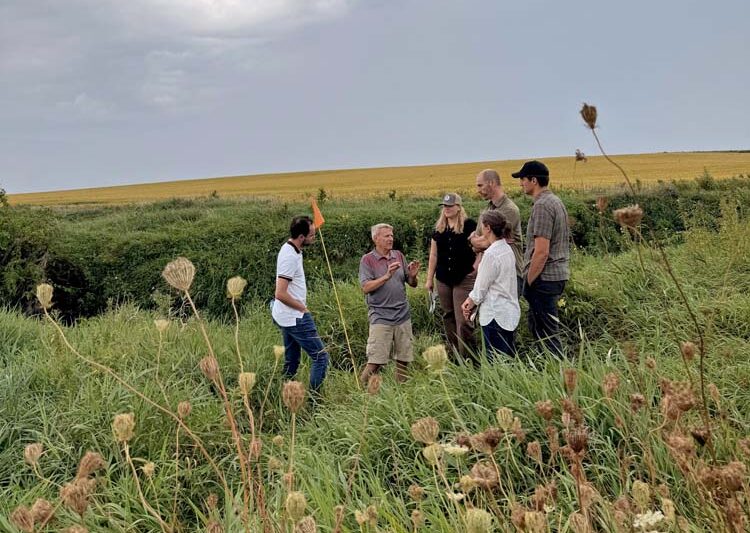
Diane's journey toward conservation on the farm began not long after Jake took over managing the farm. In the spring of 2024, Diane learned about Pheasants Forever and their work with precision conservation through PFI's quarterly magazine and a follow-up conversation with Grace Yi, PFI's habitat viability manager. Precision conservation is an analytical process that uses spatial technology and data analysis to pinpoint underperforming areas of a farm that may be better served by alternative management, such as perennial plantings. The approach intrigued her, and she reached out to Jake to express her interest. Diane and Jake both agreed that a precision conservation analysis would be a good first step to make Diane's farm more environmentally friendly. Through PFI, they were put in touch with Stephanie Nelson, a precision agriculture and conservation specialist with Pheasants Forever. Stephanie helps landowners and farmers access and analyze maps and data about their farms to find opportunities for habitat that fit into the larger context of the farm operation. She worked with both Diane and Jake to explore the options for integrating precision conservation on Diane's farm. Stephanie and Jake walked the land together to discuss possibilities, and Jake communicated with Diane's tenant. Stephanie started by creating the analysis map. “Mapping gives us views of the land from different lenses,” she says. “We can look at soils, slope and vegetation patterns over time. When yield data is not available, we can turn to NDVI [normalized difference vegetation index], a satellite-based dataset that is correlated with yield, showing plant health and density.” NDVI revealed puzzling gaps in the cropland of Diane's farm. On Stephanie's maps, they appeared simply as low-performing areas. But on the ground, they told a more detailed story. “During the site visit, we walked out to one of these gaps and realized it was grass around an area of exposed bedrock,” Stephanie says. “This helped me understand some of the NDVI patterns I observed and led me to make some suggestions about possible programs to expand those grassy areas.”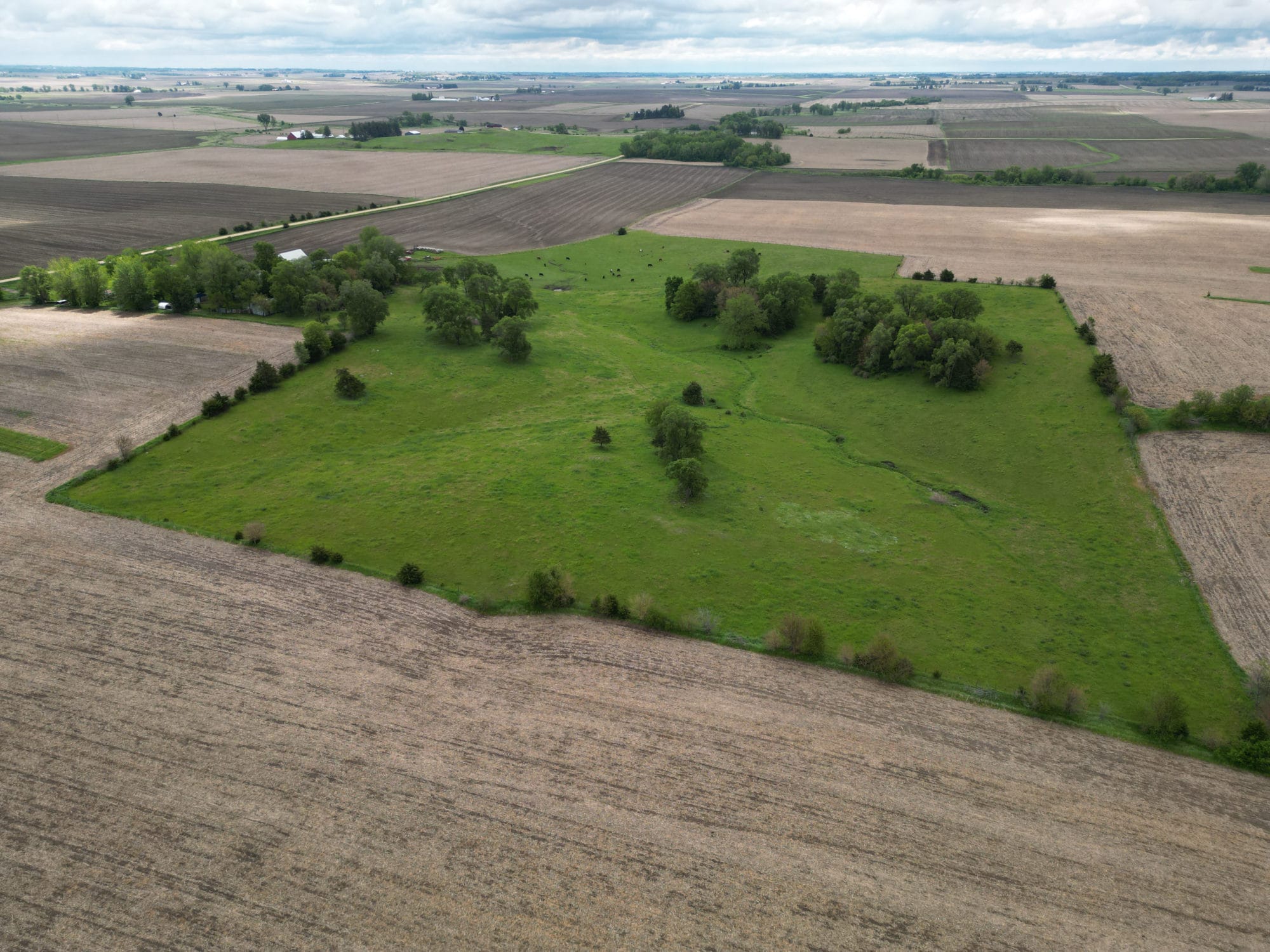
Restoring a Quiet Creek
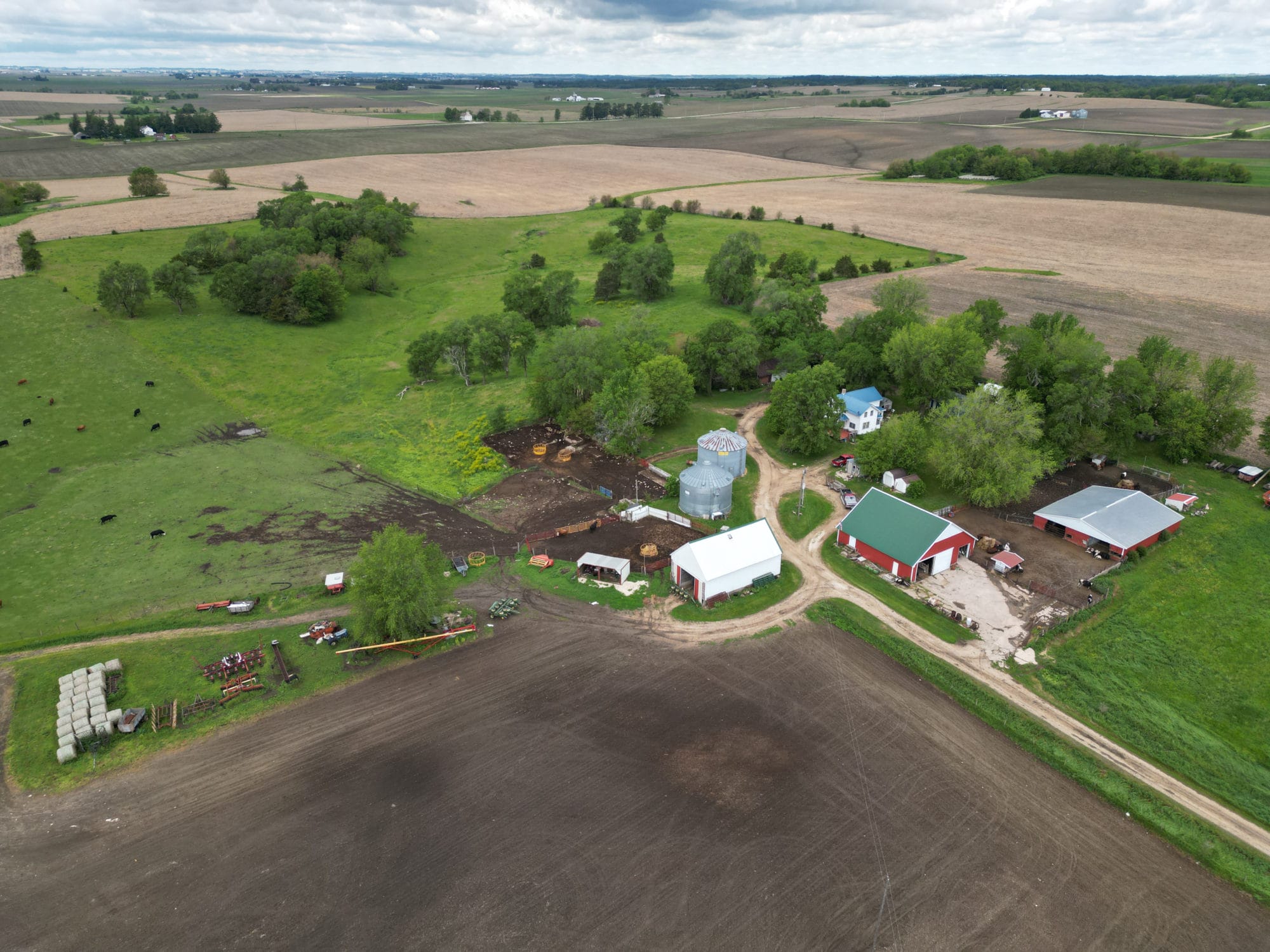
Farm Service Agency's Conservation Reserve Program. She will also receive a precision conservation incentive through Pheasants Forever. The latter program, available in Iowa and Minnesota, helps farmers identify and transition unprofitable farmland into wildlife habitat. Participants receive a one-time incentive payment, while the Conservation Reserve Program provides multiyear financial support. But Diane is adamant that even without the funds provided through these programs, conservation would be going forward on the farm. She is concerned about the water quality flowing into the Mississippi River that drains to the Gulf Coast.“I've had a long-standing interest in environmental protection,” she says. “For a long time, I had wanted to do things on the farm that would make it more environmentally friendly.”As the project gets started next year, Jake and Diane are both eager to see how the new grassland habitat, as well as the shift to farming the more productive areas, will benefit the farm. For Jake, being part of the project has given him the chance to manage a farm that's amid a conservation transition. It has also let him gain skills serving as a liaison between a landowner and tenant during that process. “What I learned here, I'll carry to every other farm I work with,” Jake says. Diane is hopeful the changes will lead to better water quality and a more resilient farm. “I hope that putting in this buffer along the stream will increase the quality of the water coming from the land and increase productivity, because these are areas of the farm where it actually costs more to farm than not.” She also hopes to soon see more wildlife calling the land home – deer, pheasants, grassland birds and passing wildlife who will find a quiet Iowa creek bordered by native grasses to sustain them. And though Diane's home is far away, the choices she's making for her farmland are part of the legacy she's leaving here for Iowa – and beyond.