Publications
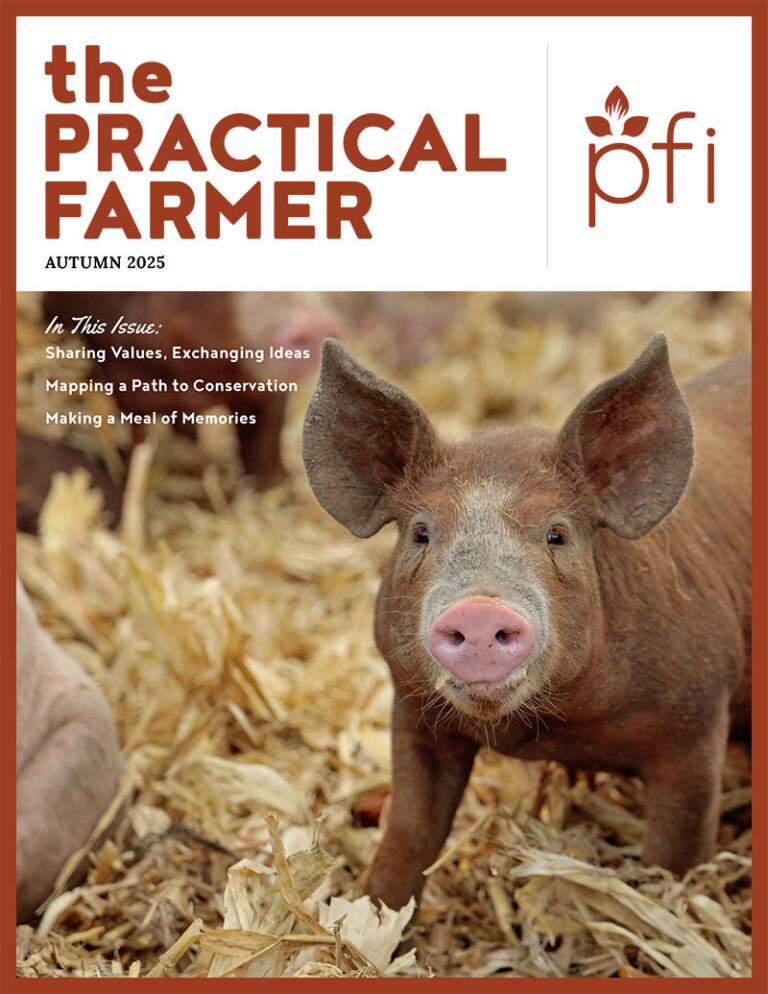
the Practical Farmer: Autumn 2025
In this issue

2025 PFI Field Day Season
Field days remain a foundation of PFI's mission to equip farmers to build resilient farms and communities. We invite you to attend field days similar…
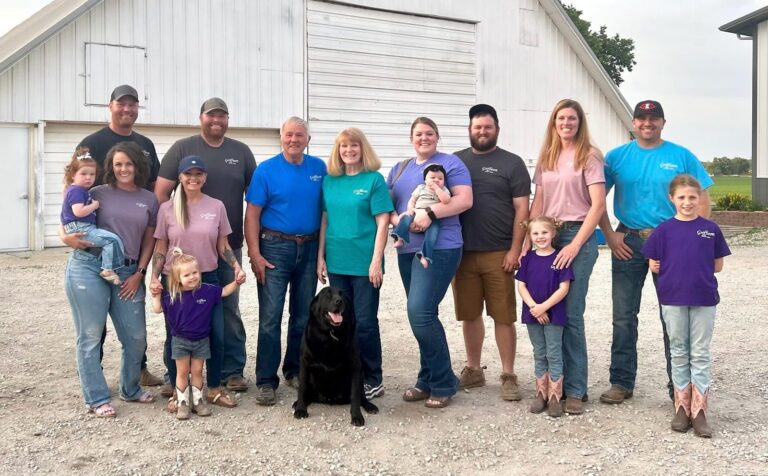
Making a Meal of Memories
LaVon and Craig Griffieon share stories and lessons from their years of raising turkeys Three generations will gather around the Griffieon family's Thanksgiving table this…
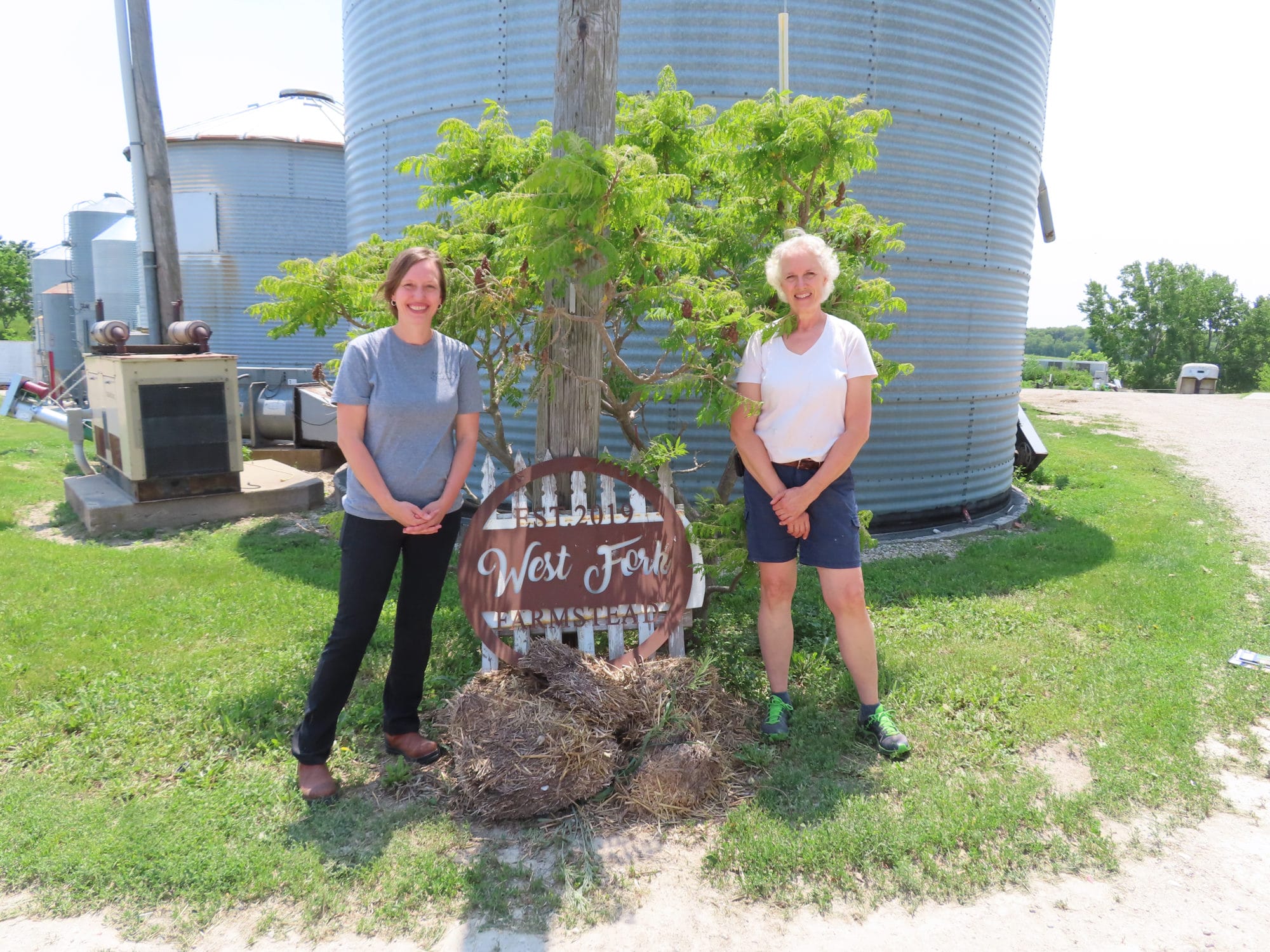
Changing Course
Since returning to the family farm, Natasha Wilson and her family have been taking careful steps to shift the farm's focus so multiple generations can…
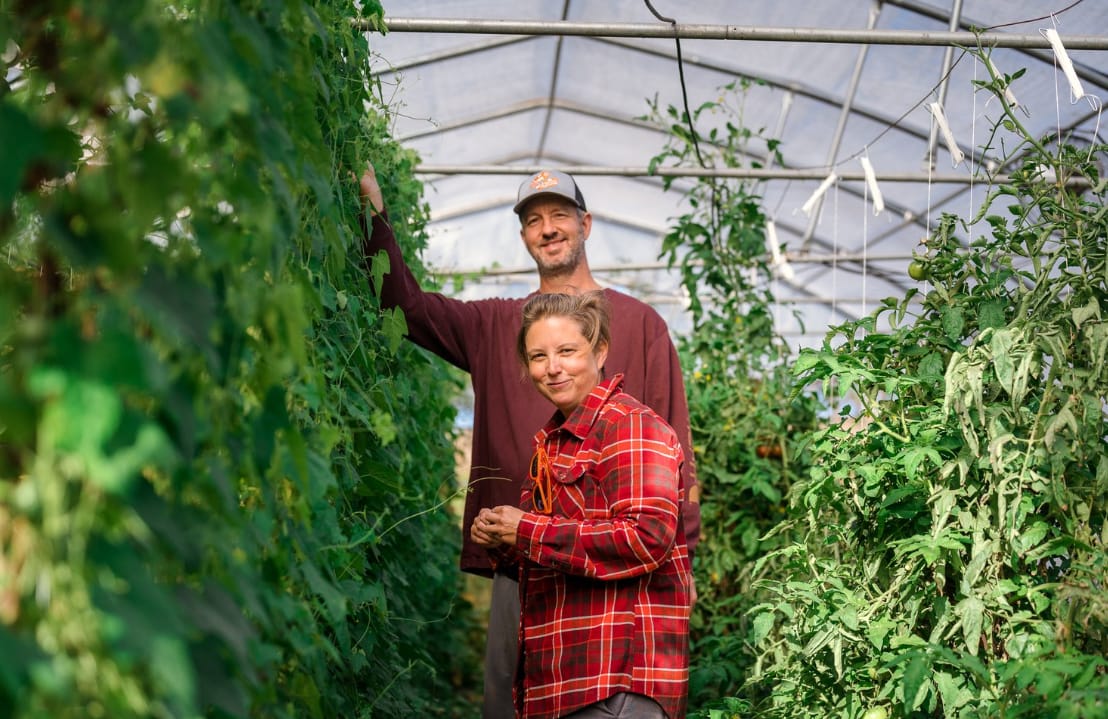
Paving the Way
Matt Johnson and Tiffiny Clifton build community around food and access for all in the greater Omaha area. Long Walk Farm owners Matt Johnson and…
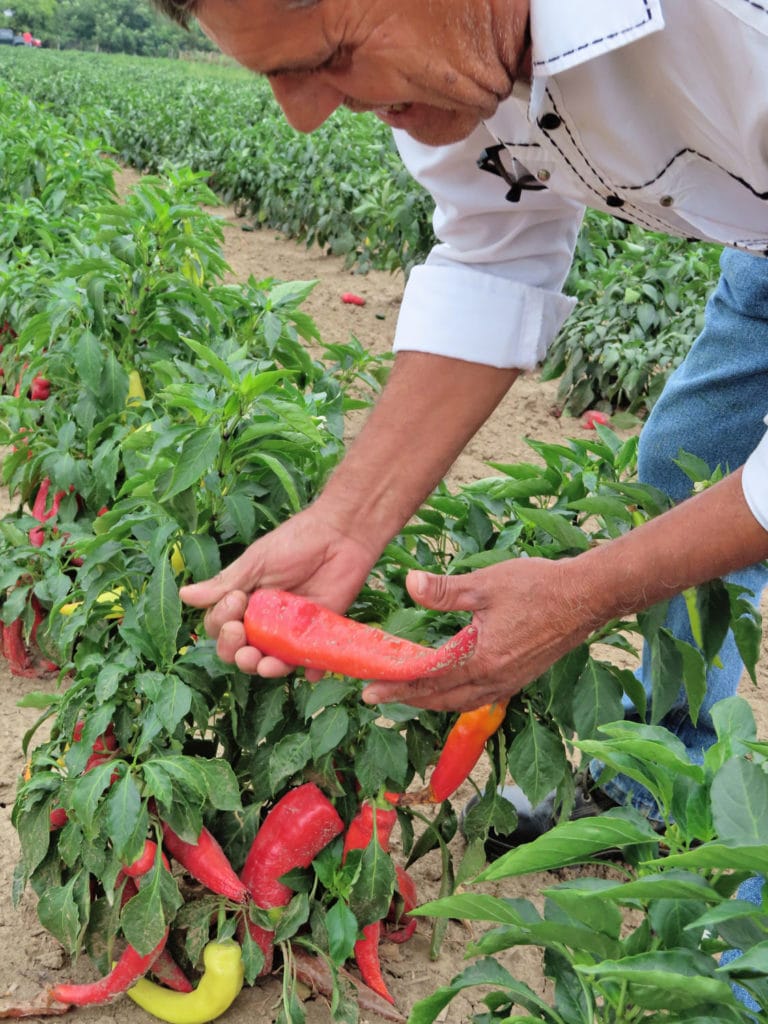
New Policy Area for PFI
PFI can now advocate for local and regional food system programs In April, PFI's board of directors approved a new policy area for Practical Farmers…
Sharing Values, Exchanging Ideas
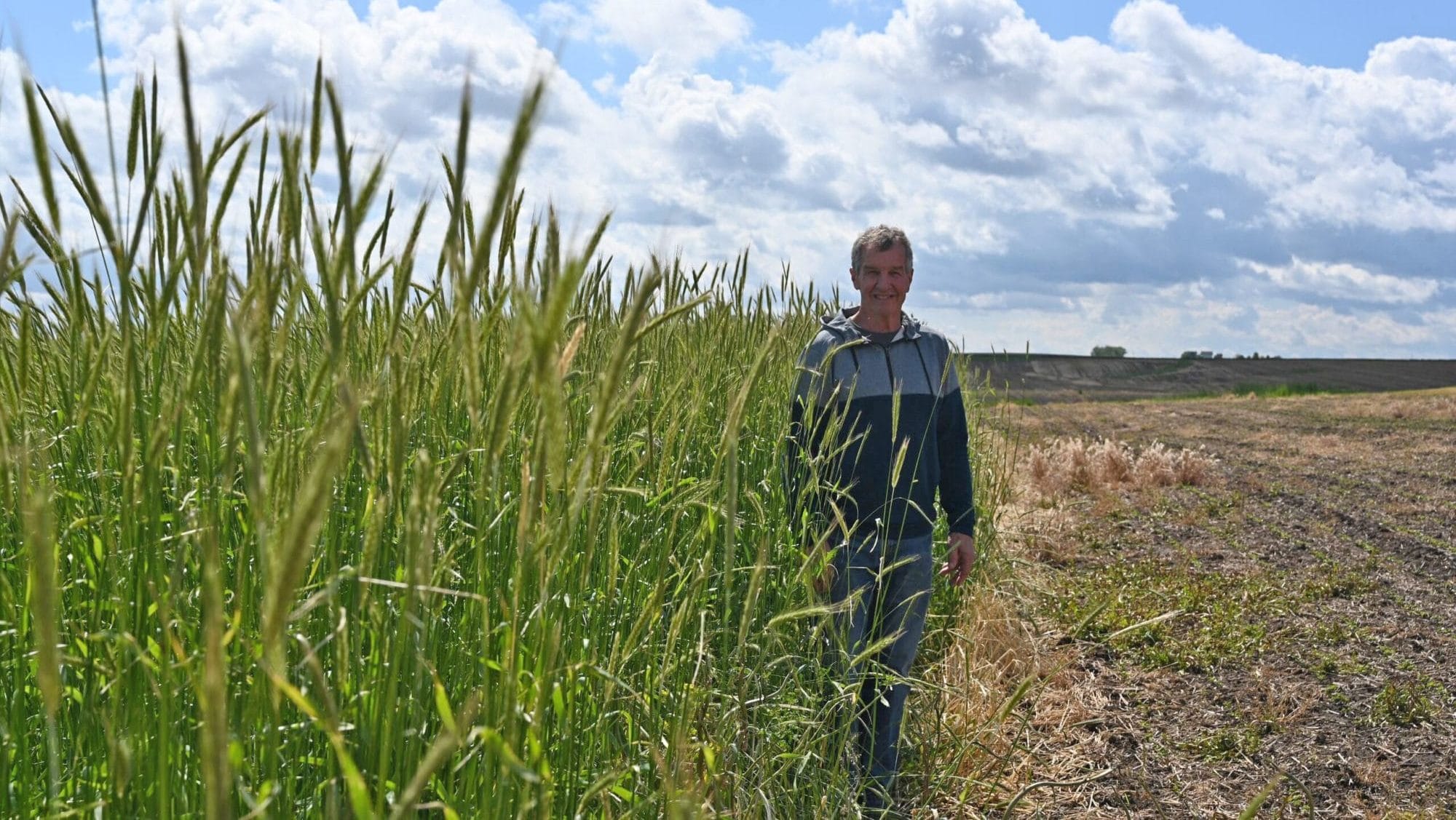
Two generations of the Pelzer family share values and ideas across the years as they steward their farm for the future When Mary and Jim…
Mapping a Path to Conservation
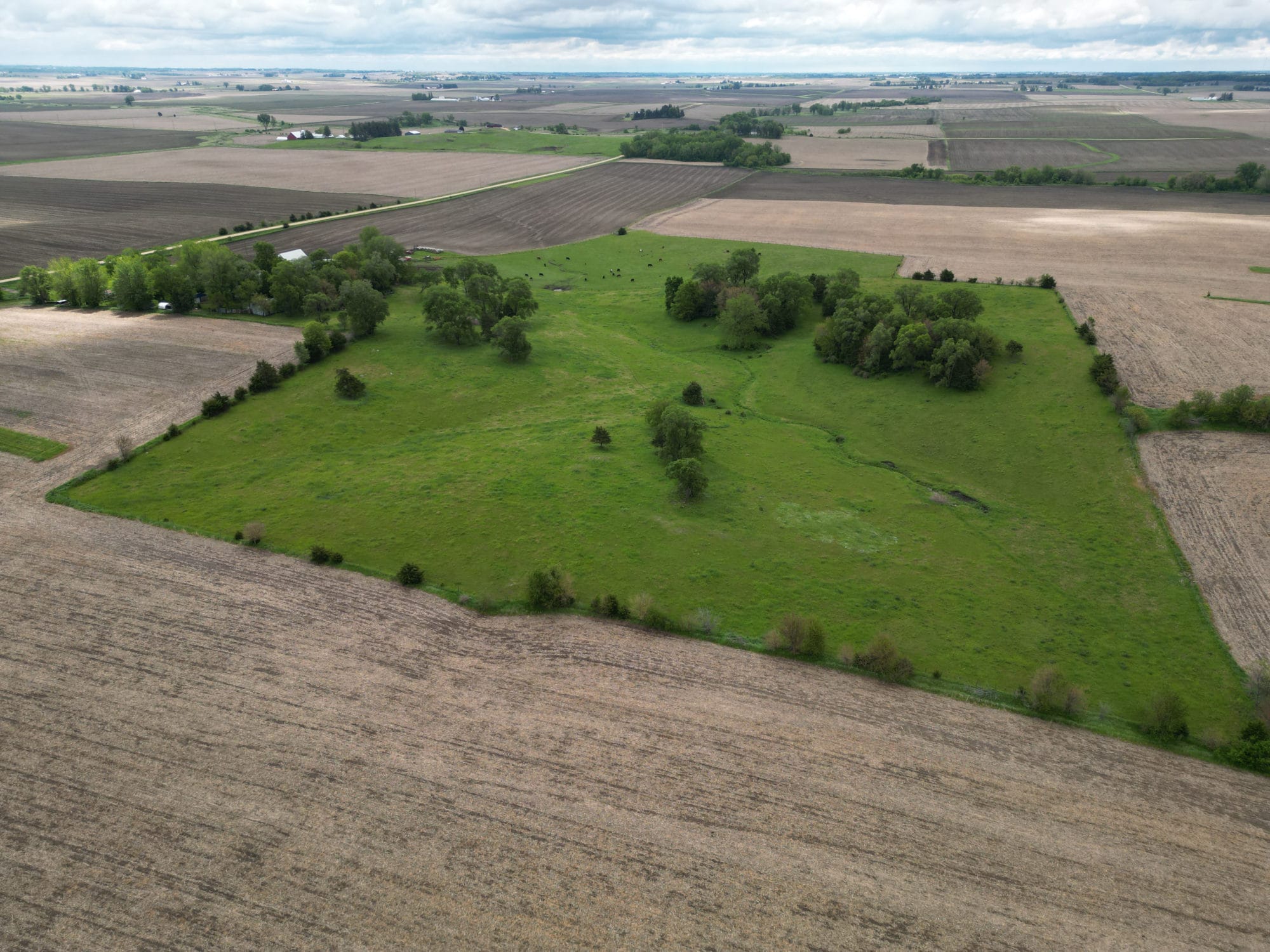
Partnering with Pheasants Forever and her farm manager is helping Diane Horn shift the direction of her family farmland Diane Horn lives in Seattle, Washington,…