Small prairie plantings can make a big impact on Iowa’s farms. Even the smallest of these plantings, or “petite prairies,” provide valuable habitat for pollinators, improve biodiversity and help connect fragmented wildlife habitat across the state. When placed in less productive areas or field edges, petite prairies can also reduce erosion and improve water filtration, while also adding natural beauty.
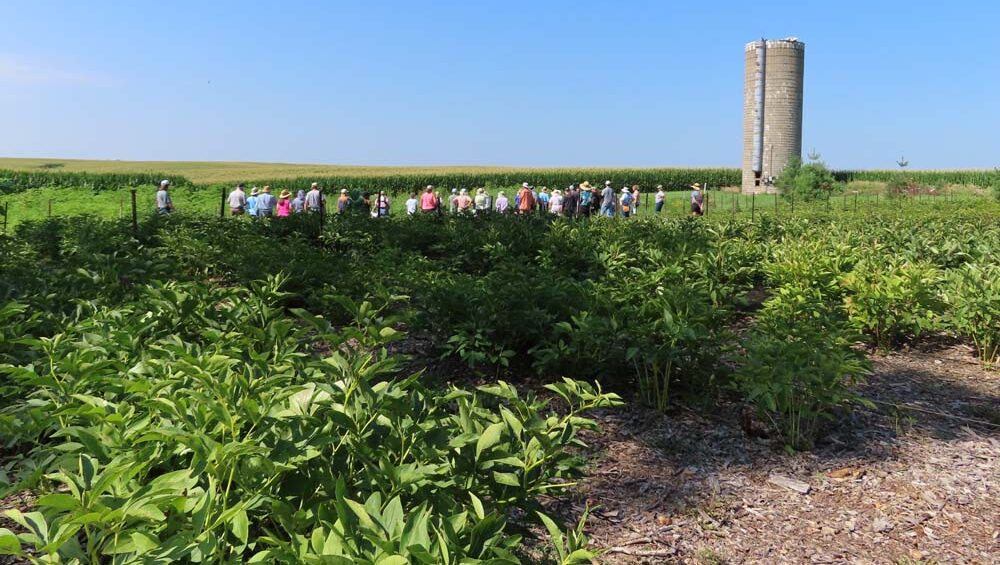
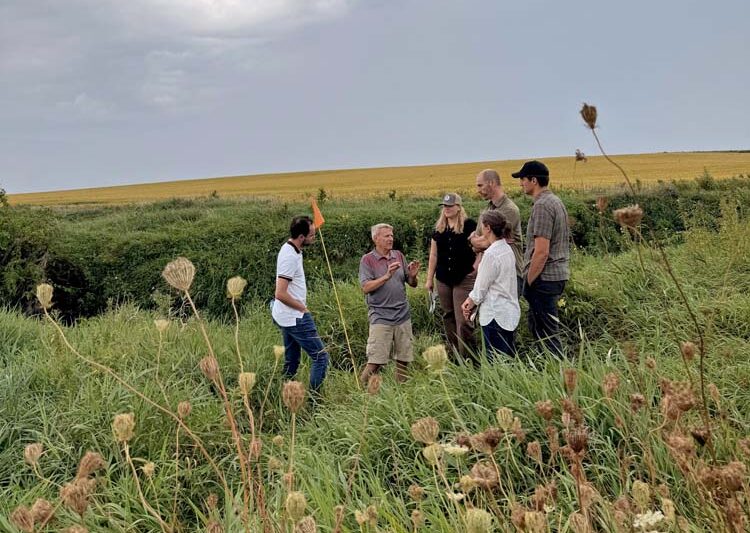
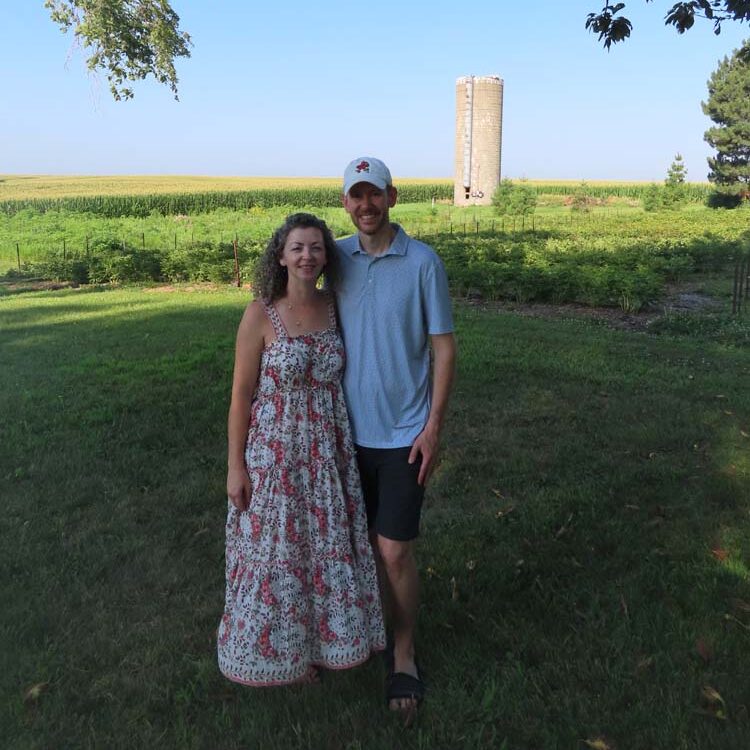
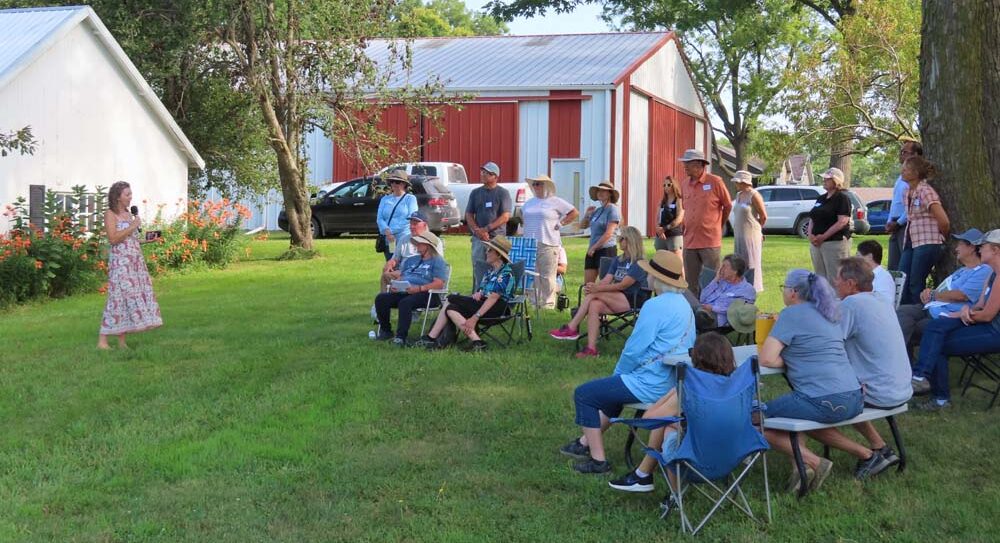
Catherine Schut, owner and operator of Hive and Petal, a boutique flower farm in Prairie City, Iowa, recently hosted a field day with Practical Farmers of Iowa to showcase her petite prairie. Established to provide nectar resources to wild pollinator communities as well as Catherine’s own bees, the planting supports pollinator habitat while helping her bees produce honey. This petite prairie has been a valuable addition to her farm, demonstrating how even a relatively small planting can support pollinators and contribute to a more diverse farm landscape.
The Journey Toward Prairie
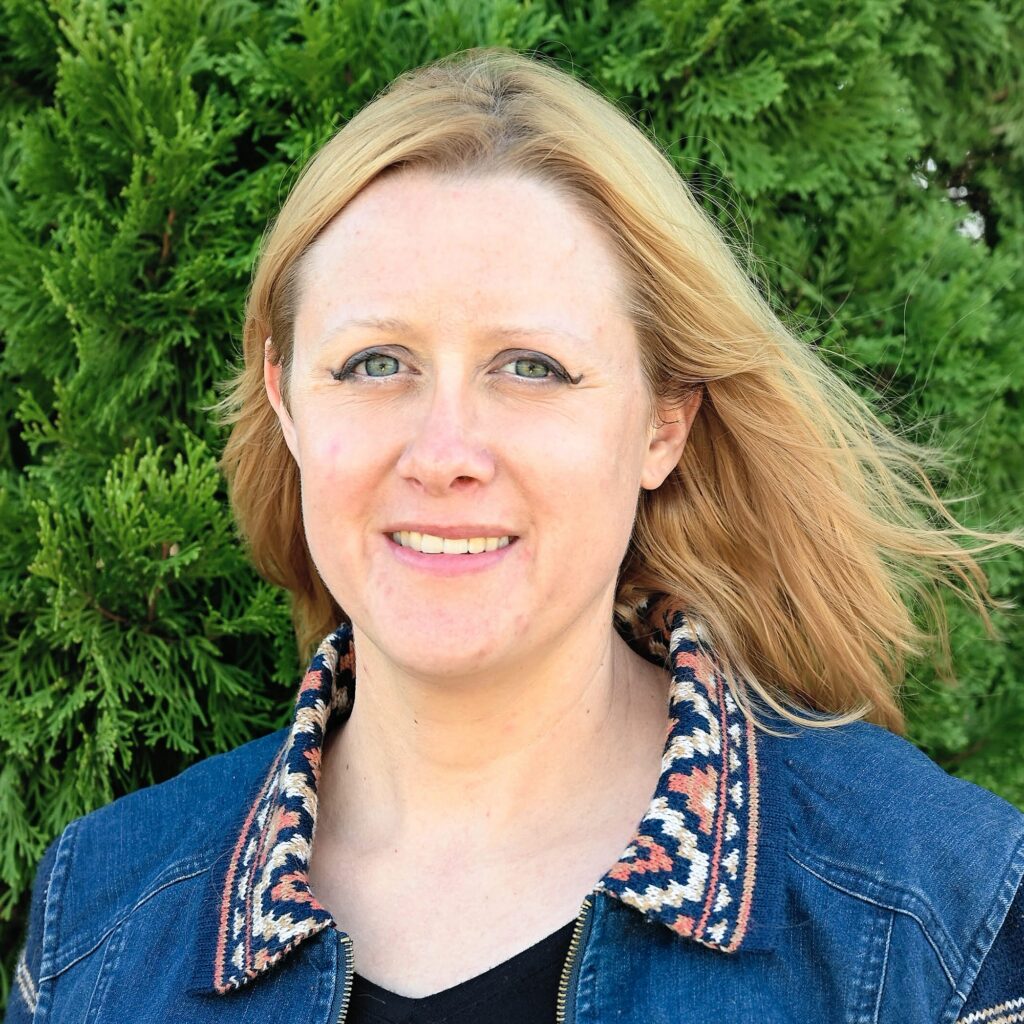
The day of Catherine’s field day was a rare cool and breezy one for July in the Midwest. As attendees began to trickle in, Catherine’s enthusiasm and cheerful energy shone through as she greeted each person and chatted before the field day kicked off. As soon as it did, her skills as an orator came to light as she began to explain what makes Hive and Petal unique.
Hive and Petal is distinct from many flower farms because Catherine’s growing season is January through early May, made possible by high tunnels. The farm is not open to the public; instead, Catherine sells her flowers through a variety of business-to-business relationships and CSA subscriptions. Before she could establish the farm – much less install pollinator habitat – Catherine had a lot of work to do.
Catherine and her husband, Paul, purchased the 3-acre property unseen, and as such, expected some surprises! One of those surprises was that one full acre was nothing but concrete. The concrete was from old cattle lots, out buildings and other older infrastructure.
“It took a lot of work – ten years’ worth – to get to the point we are now. A place where we can have pollinator space and cultivation space. And space to just enjoy our farm,” Catherine explained.
Six years into that process, Catherine began her flower farm. After six years of renovating the house and land, it seemed like a good time for a break. So naturally Catherine thought, “why not start a flower farm in that downtime!” And so, Hive and Petal was born.
In 2021, as part of the overall vision for the new farm, Catherine bought her first hives of bees, both to support pollination and for honey production. She knew she wanted her farm to provide habitat for native wild bees as well.
Knowing her bees needed places to forage and recognizing the lack of trees and other diverse habitat surrounding her farm, Catherine knew that establishing pollinator habitat should be a priority. But it was several more years before she could begin establishing dedicated pollinator space. In 2025, she finally got started.

Working with the Natural Resources Conservation Service, Catherine was able to accomplish two goals at once. She needed high tunnels to really launch her new operation, so she applied for an NRCS grant to help fund them. Her local NRCS office advised that committing to a conservation practice would raise her stack rating when applying for those funds.
Catherine mulled through several ideas for conservation, including establishing owl and bat habitat, but eventually she and the NRCS settled on creating a space for a prairie. That worked splendidly for Catherine because she was already working on developing a prairie in an area where concrete had been removed.
“I wondered what this would look like and what the process of establishing the prairie would be like, but I was able to work with my local office [NRCS] to lay out a plan.”
Often the process of starting a prairie from scratch is using a glyphosate-based product to get rid of all weeds and then burn and then seed. Since she had already been working to establish some flowers there, Catherine was hesitant to take this approach.
“I was able to work with them to get a variance, where we would do a grass specific kill, to clear the space of non-native grasses, and I was able to get approved for this approach. I would also do a prairie burn and then backfill with seed from there.”
Catherine was also given an additional variance that allowed a higher concentration of flower species within the seed mix to create more nectar and pollen sources for her bees as well as the wild bees. Many native seed mixes contain 40% flowers and 60% native grasses. For her project, however, Catherine secured an 80/20 mix, with 80% of the seeds being native prairie flowers and 20% being grasses.
This method required Catherine to work very closely with her NRCS office. “When working with government offices like that, you have to recognize it’s very regimented and you must get approvals if you are looking to do anything different from the norms. But they were wonderful to work with and game for any conversation I wanted to have about it.”
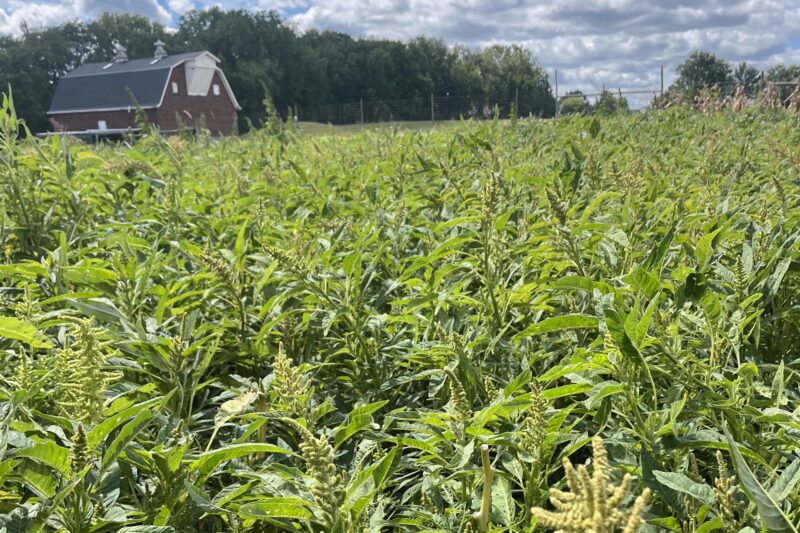
Using Allendan Seed Company for her flower seed, Catherine seeded the prairie in early 2026, as part of the high tunnel project, and this year is the first real growing season for the prairie as an established conservation space. It was pointed out during the field day that the area was still very weedy, but Catherine made clear that keeping up with weeds was a normal part of early establishment of any prairie, especially the first year.
Catherine accomplishes this early weed management through mowing, allowing native ornamentals to establish as quickly as possible. Over the course of the next few years, Catherine is excited to see the petite prairie continue to bloom and grow as it continues to provide a haven for her bees and other native pollinators.