It all started with an email I sent in early 2024 to Practical Farmers' email discussion list, a forum for PFI members to communicate, share and connect online. “Any Spanish speaking goat farmers out there?”
The First Farm Visit
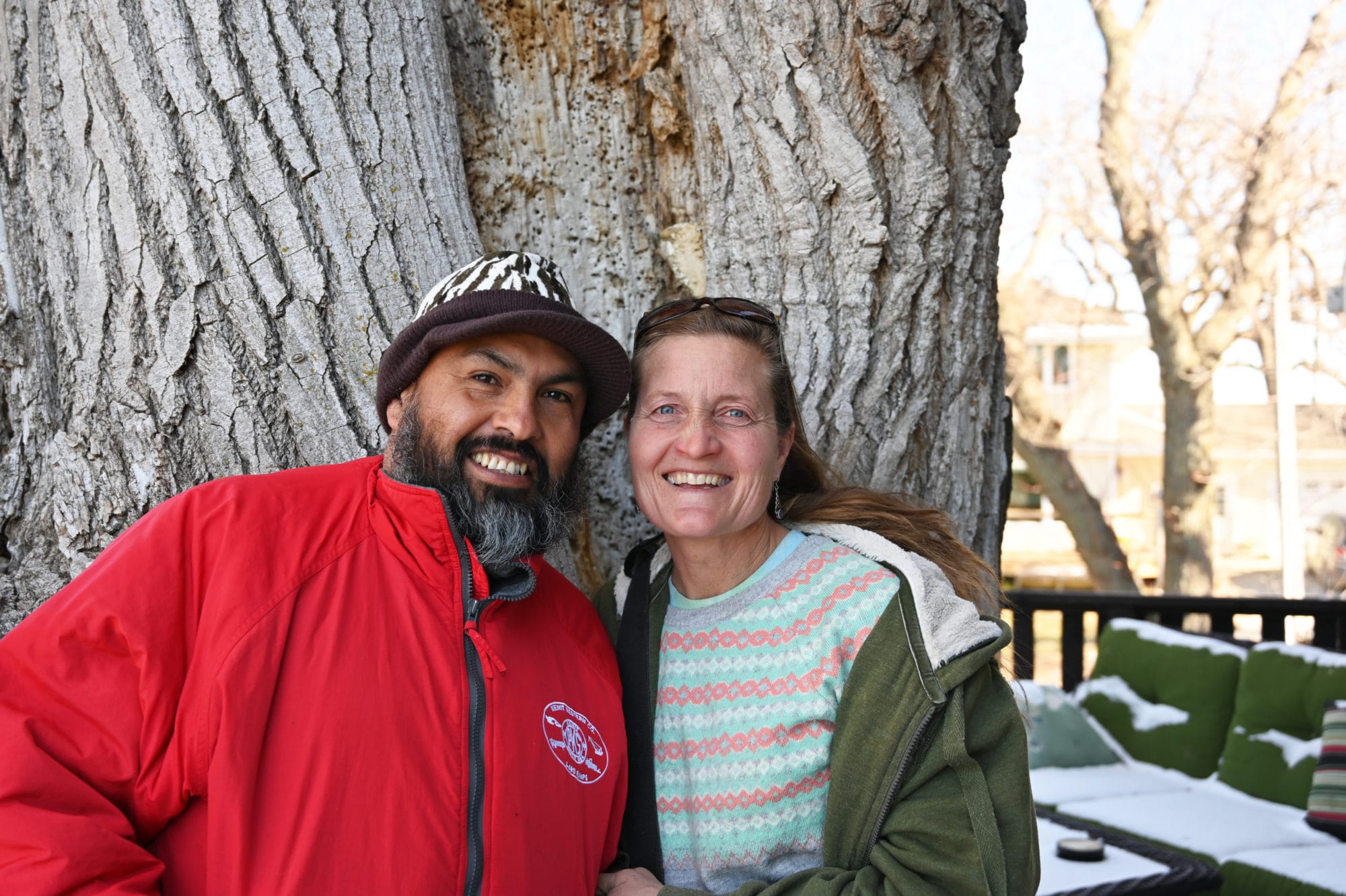
For me, connecting with farmers like Jenny and Emilio is also an opportunity to build connections with the community of Spanish-speaking farmers in Iowa and the Midwest. After our first call, they invited me to visit their farm. Part of our goal was to start planning the field days for the year. But it was also a chance to get to know each other better. It was mid-February and the air still had a bite to it as we walked around the farm. “Hijas, hijos, move over please!” Jenny called out to her goats, using the Spanish words for female and male goat kids. Our first stop on the tour was Jenny and Emilio's future Airbnb studio, which they built themselves on the ground level of the old grain barn. It has a direct line of sight to their herd of 40 goats and is filled with family history, like the 70-year-old piano that belonged to Jenny's dad. “We're in the fifth year of remodeling our home, taking it bit by bit – all Emilio!” Jenny said. Emilio tried to share the credit, but Jenny laughed and shook her head no. Sustainability is important to them. As the morning light streamed through an upcycled stained glass window they found at their neighbor's curb, Emilio shared how they've sought to use recycled and reclaimed materials. “All the materials were bound for the dumpsters.” They also preserved a massive cottonwood when building their balcony. The tree projects through the middle of the structure, enclosed by a staircase made from large stepping stones. Walking down the stairs, we could see their new livestock fence – also built by Emilio – which they financed through the federal Environmental Quality Incentives Program.The Path to Goats
Emilio was born in Mexico City, Mexico, and moved to the United States in early 2000s. He never imagined he'd be living on a farm. Meeting Jenny, who told him of her dream of raising goats, changed his path. “Helping to achieve her goals . . . was the initial motivation,” Emilio says. “But now I have fallen in love with the animals too.” On their farm – which they named Chivos Vivos (which means Lively Goats) – Emilio brings his work ethic, creativity and construction experience. For Jenny, Spanish is a second language. She became fluent after falling in love with Spanish culture during a college study-abroad trip. Once back in the U.S., she moved in with her grandparents on the farm to support them as they grew older. She put her newly acquired language skills to work in Red Oak when the local high school asked if she could help provide interpretation services. That experience, and working with her Hispanic friends in a local greenhouse, strengthened Jenny's desire to make Red Oak an accessibly hub for new Spanish-speaking immigrants, whose numbers surged in Iowa starting in the late 1990s. She dabbled in a horticultural operation for a couple of years. But her heart was set on goats, which she sees as ideal for serving a diverse market. With Chivos Vivos, Jenny and Emilio are striving to be a key spoke in that hub of connection. Hosting field days for the “Year in the Life” series fit right into that ethos. As part of the series, they shared their experience at four events from March to October, covering topics ranging from goat health and fencing to using goats for brush control as a Goats on the Go affiliate.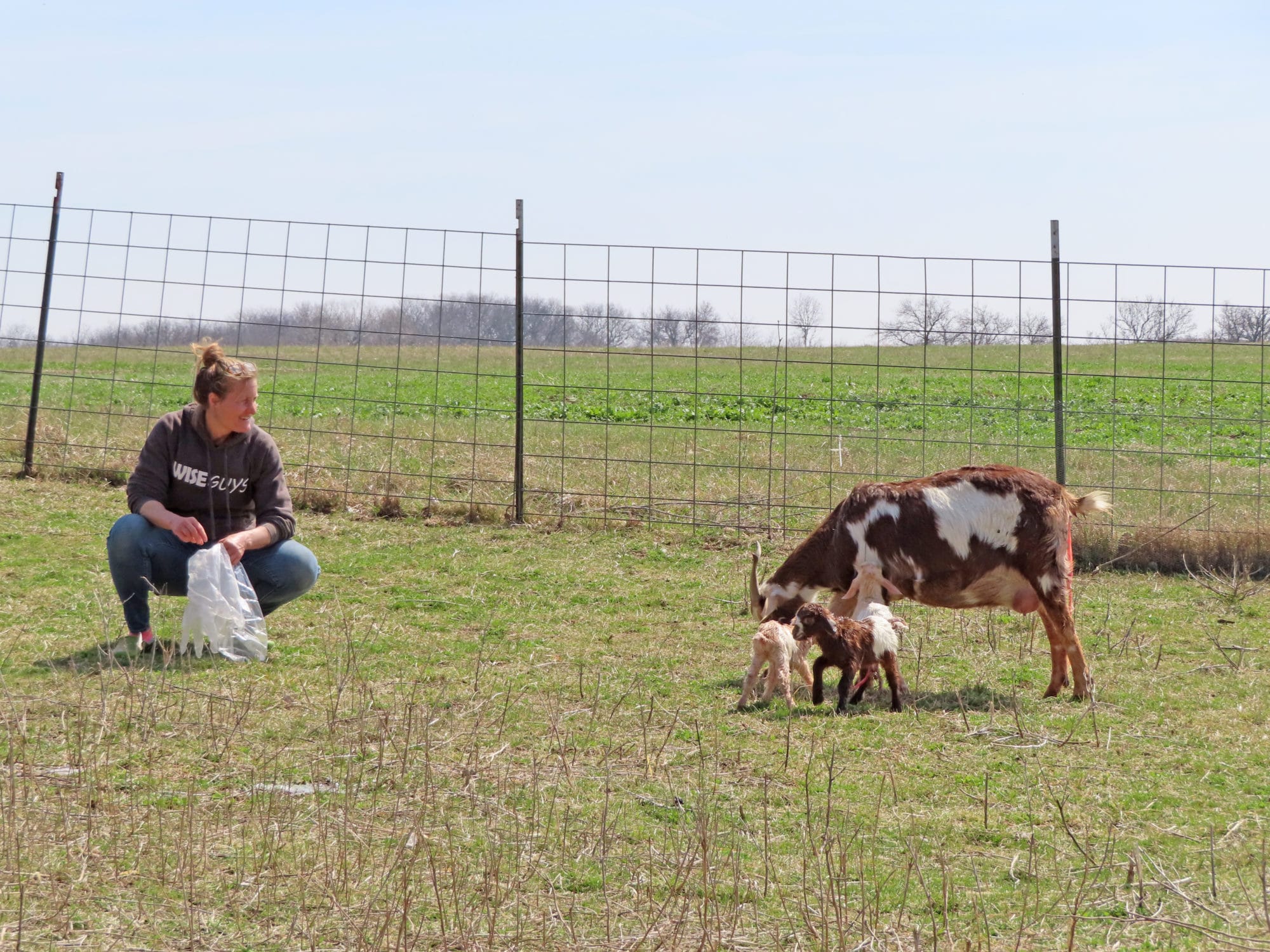
Welcoming Neighbors
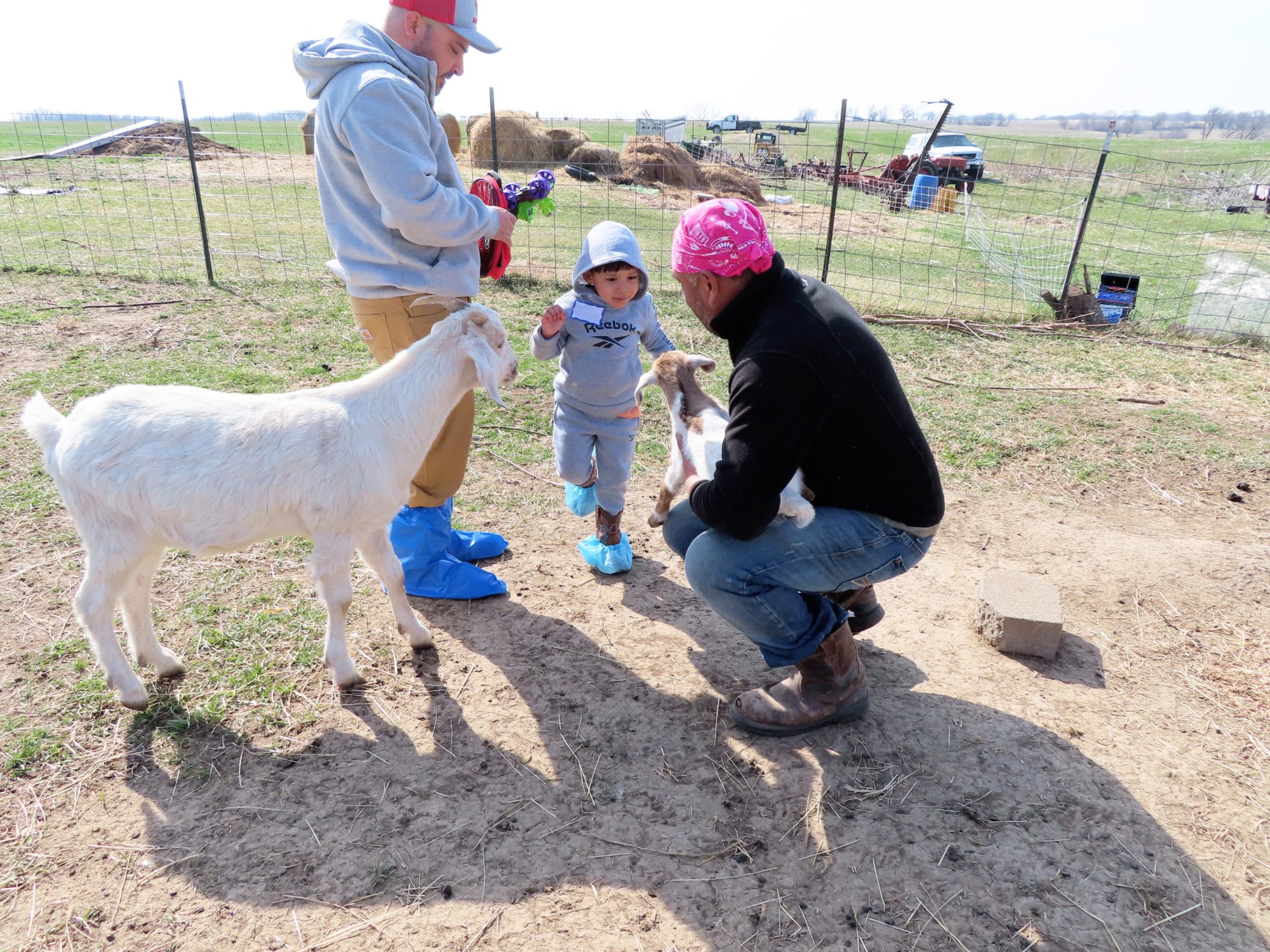
This is evident when I'm back at the farm in May and see how she and Emilio are helping others connect with the land. “Pato! Pato! Pato!” chants 3-year-old Aolani, a visitor's child, as she chases her old pet duck around the yard. Children of Jenny and Emilio's friends have wanted small chicks or ducklings from the local tractor supply store. The baby birds start off fitting into a small container within an apartment environment, but soon outgrow their living conditions. Jenny has accepted the adult aviary friends with a smile. It doesn't hurt that these children squeal with excitement the moment they step out of their cars. Other attendees are young families in the area. When asked why he brings his three boys to PFI field days, one visitor, Amadoro, says, “I love to bring them over so they can experience this too. It's the dream, right? It would be amazing to live in the country and have a farm, but it's hard and requires a lot of money. Maybe one day we could have our own goats, chickens, dogs and cows too.”