
Our office has moved! Our new address is 414 S 17th St., Suite 107 in Ames, Iowa.
Breakout Sessions
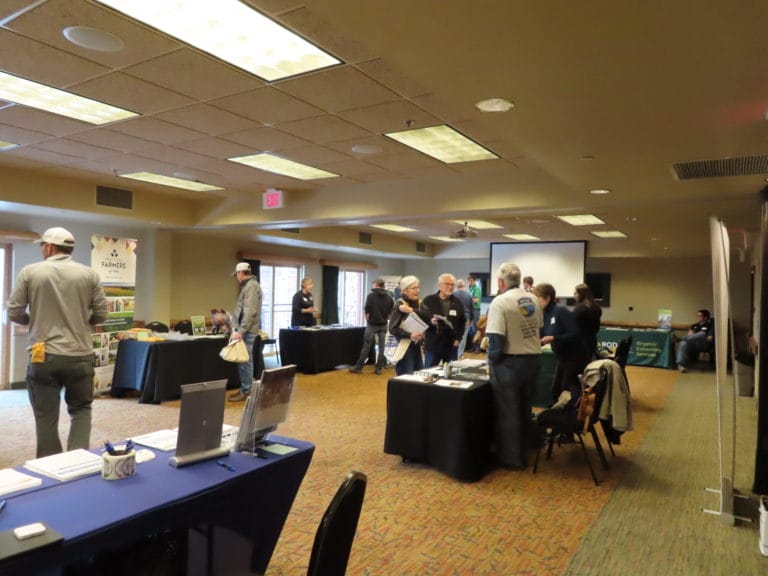
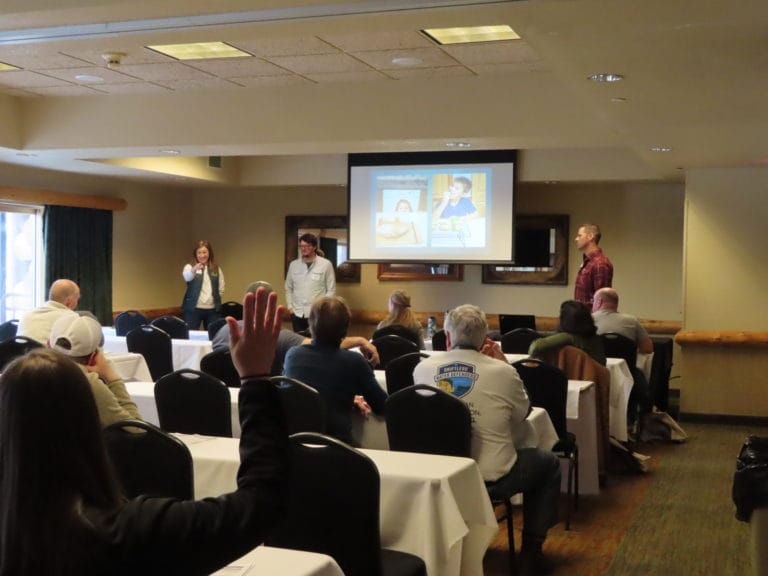
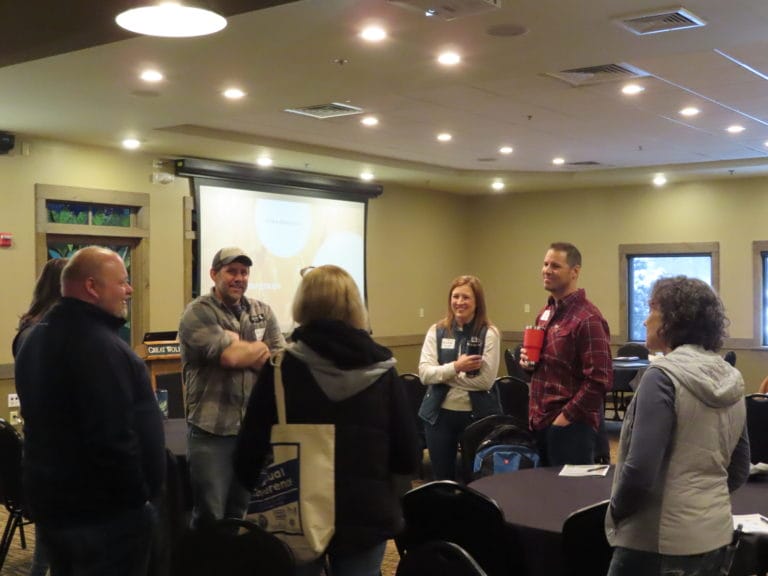
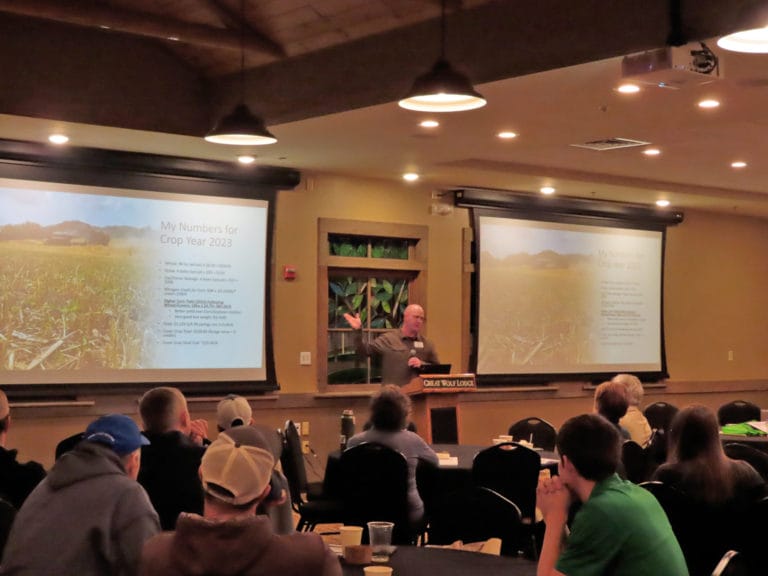
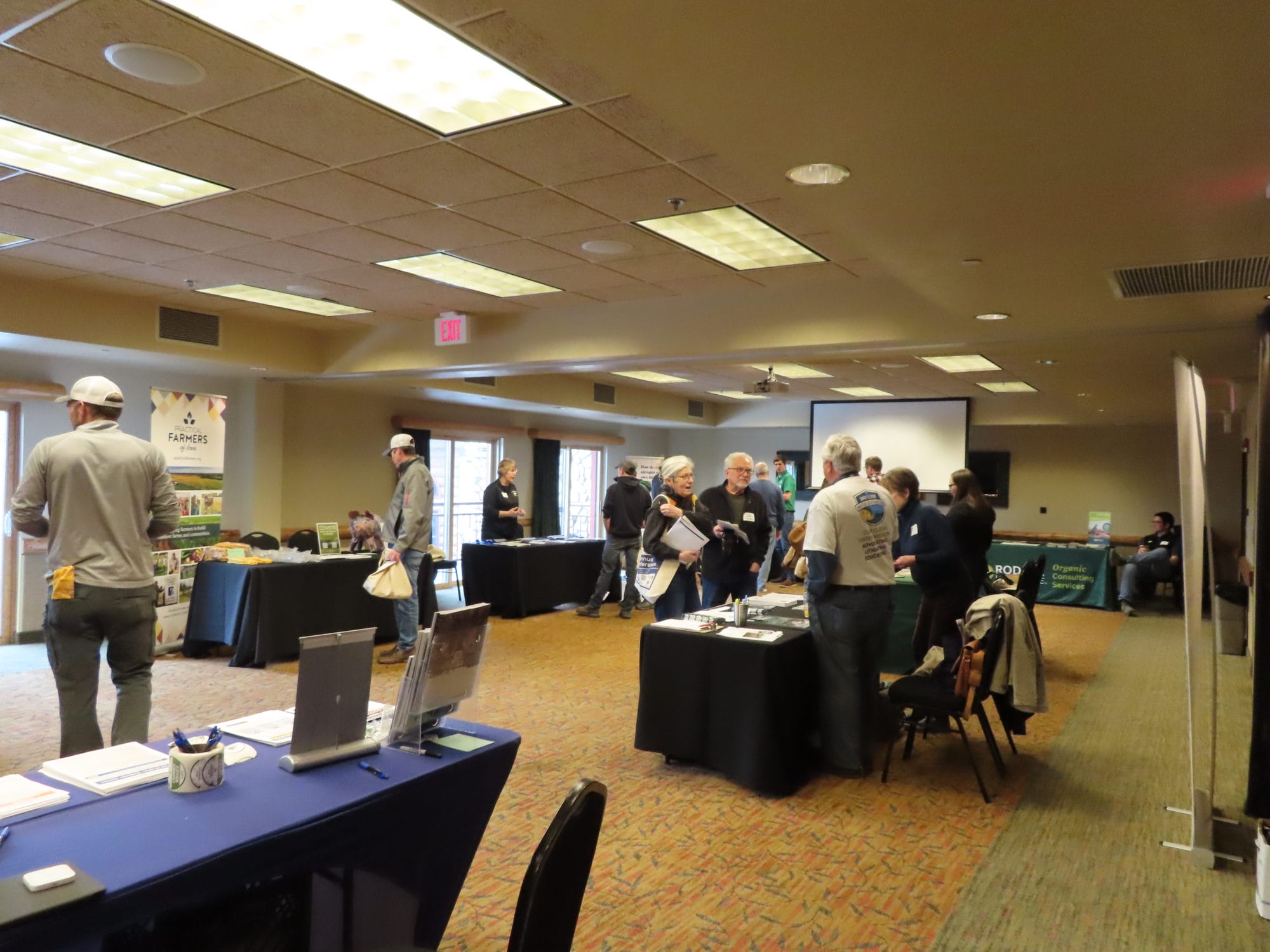
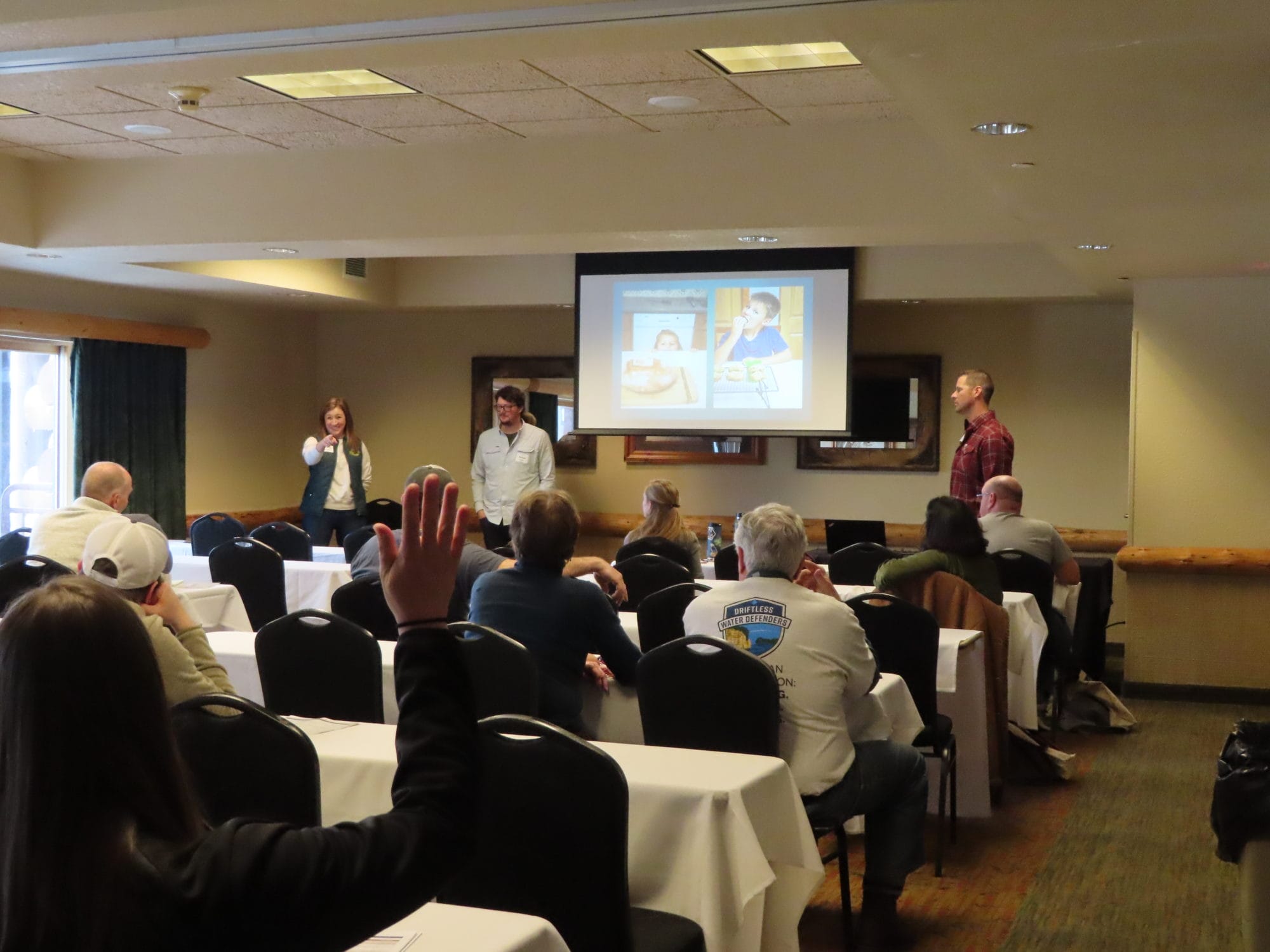
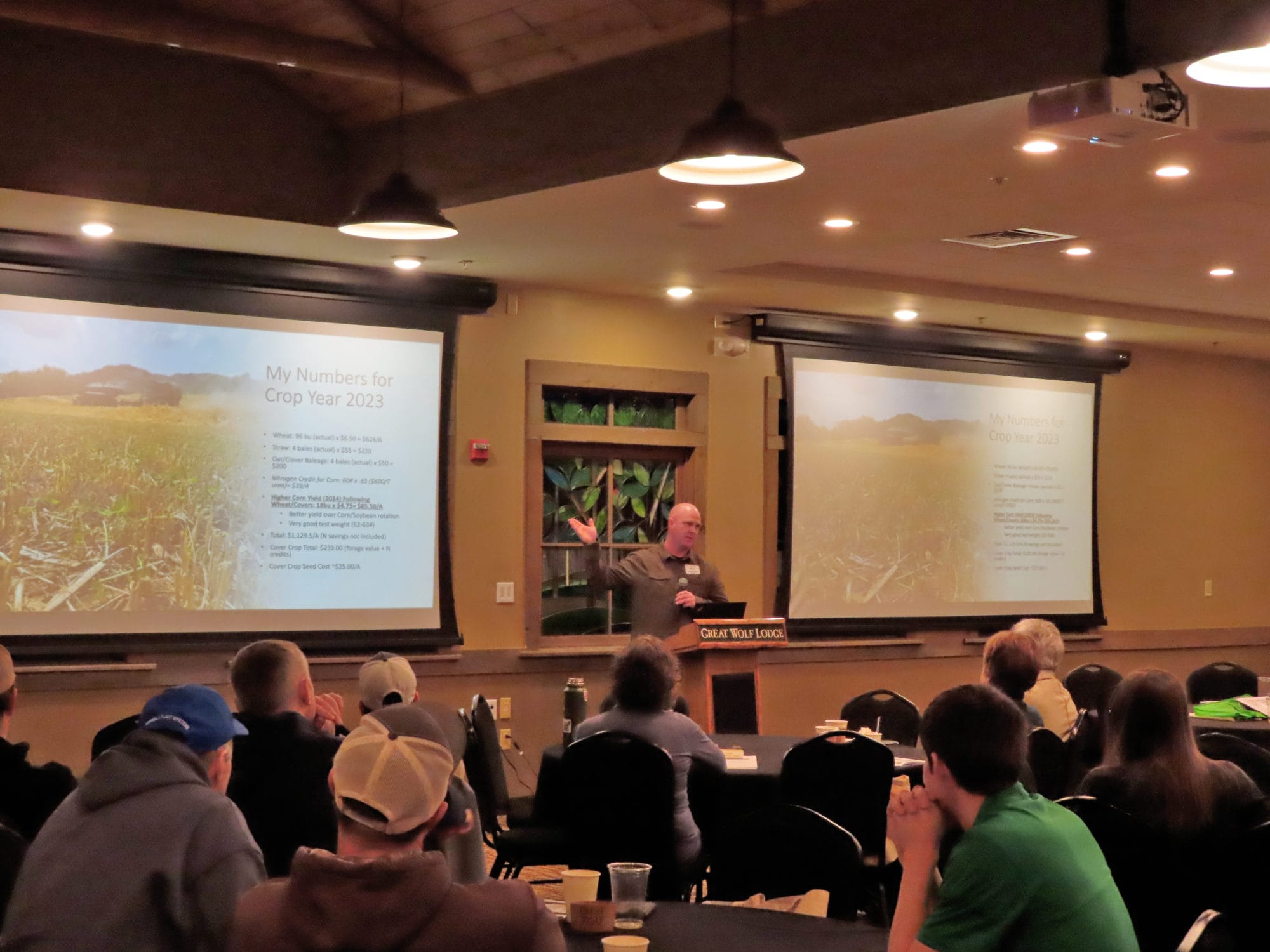
The Midwest Covers and Grains Conference gathers farmers, researchers and buyers from the region to share their expertise on making the most of cover crops and extending rotations with small grains.
Plenary 1: 9:10-10:10 a.m.
Choosing Cover Crops To Meet Your Field’s Needs
Brad Zimmerman
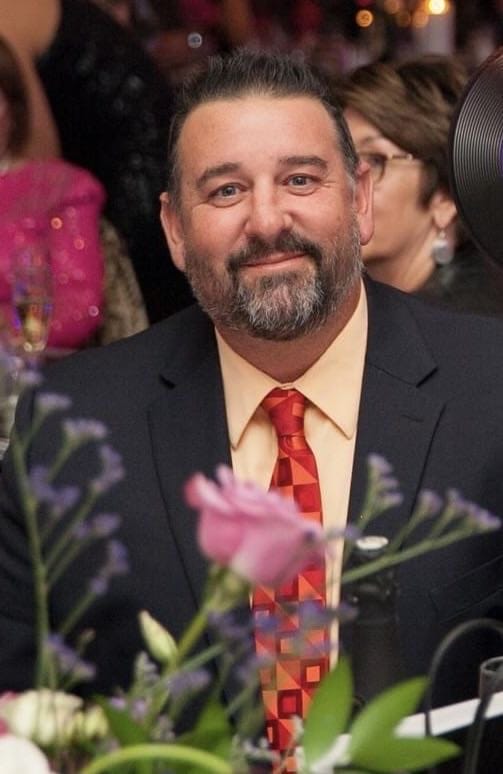 Brad Zimmerman and his wife, Angi, live on the family farm in Tazewell County, Illinois. He has used cover crops and some small grains for over 10 years, learning through successes and failures alike. Brad also has an agricultural consulting business, SeedOnomy, that uses a systems approach to help farmers consistently grow higher-yielding crops using simple and cost-effective practices.
Cover crops can be many different species, and each has its own benefits to a farmer’s acres. Brad Zimmerman will discuss how to choose cover crop species based on what your field needs. Looking for better weed control? Plant cereal rye. Need to make more phosphorous available in your fields? Plant buckwheat. Come learn how cover crop selection is one of many tools to improve a farm’s soil health and profitability. Brad encourages growers to continue to push the envelope with cover crops and experiment outside of their comfort zone.
Plenary 2: 10:30-11:30 a.m.
Principles of Soil Health: Expanding Diversity in Corn Belt Agriculture
Monte Bottens
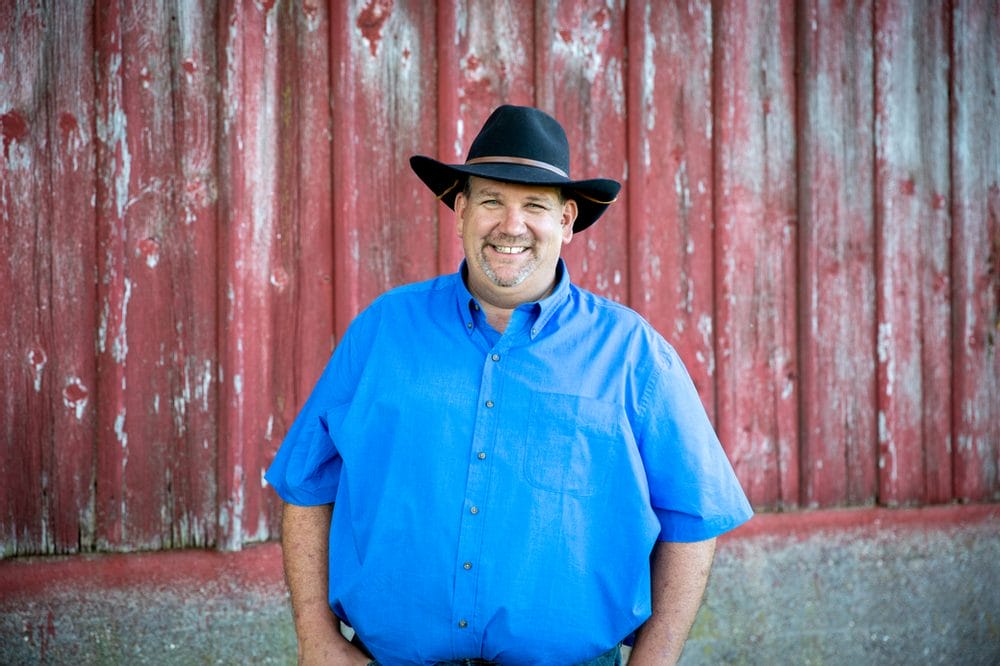 Monte Bottens is a fifth-generation Illinois farmer who owns and operates Bottens Family Farm and Grateful Graze. He is also the founder and CEO of Ag Solutions Network, Inc. and hosts the AgEmerge Podcast. At Bottens Family Farm, Monte manages 2,800 acres using long-term no-till methods, diverse cover crops and integrated livestock. His operation produces non-GMO and food-grade corn and soybeans, as well as small grains, specialty crops, hay and grazing crops.
Principles-first farming is an approach that places the five soil health principles front of mind in all farm decisions. The aim is to ensure great care is taken to build and maintain soil that nourishes crops, stays in the field and reduces runoff. Through integrating small grains, diverse cover crops and livestock into his rotations, Monte has learned about the opportunities and challenges of implementing the soil health principle of maximizing biodiversity in Corn Belt agriculture. Hear Monte’s insights gained on his soil health journey and join him in exploring how we can shape the future if we farm with principles first.
Breakout Session 1: 1:30-2:30 p.m.
Setting the Stage for High-Performing Wheat
Ken Dau and Brad Zimmerman
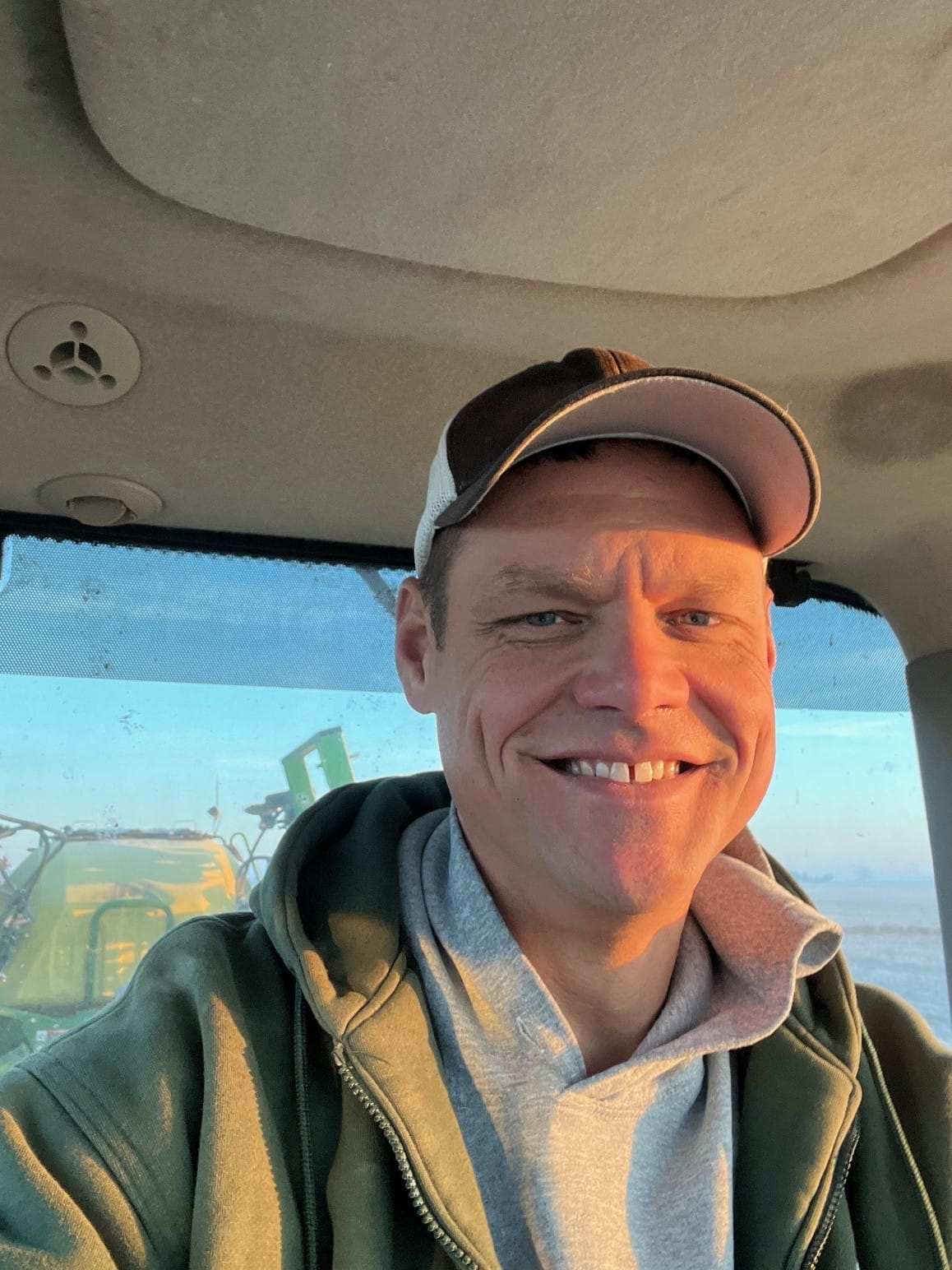 Ken Dau raises corn, soybeans, wheat and cattle on his farm near Sheridan, Illinois. He started planting a summer cover crop mix following wheat harvest in 2020 and has been exploring reduced fertilizer inputs. Ken is currently trialing six wheat varieties in small plots to compare yield on his farm.
 Brad Zimmerman and his wife, Angi, live on the family farm in Tazewell County, Illinois. He has used cover crops and some small grains for over 10 years, learning through successes and failures alike. Brad also has an agricultural consulting business, SeedOnomy, that uses a systems approach to help farmers consistently grow higher-yielding crops using simple and cost-effective practices.
Wheat, or any small grain, is often seen as a supporting actor to corn and soybeans. But with a reliable market in place, wheat can bring in a profit while also benefiting the soil and health of the larger rotation. Ken Dau and Brad Zimmerman will share how they, and other Illinois farmers, are working to improve wheat yield through variety and fertility trials, soil and tissue testing and cover cropping.
Cover Crop Dates and Rates in Illinois
Nathan Johanning
 Nathan Johanning is a commercial agriculture educator for the University of Illinois Extension in Waterloo, Illinois. He has a broad background in both specialty crop and row crop production with focuses in weed, soil and nutrient management, cover crops and no-till production. Nathan is also active in crop production on his family farm, where he incorporates cover crops and no-till and raises both horticulture and row crops.
Nathan Johanning is leading a research project through University of Illinois Urbana-Champaign that is evaluating the performance of various common cover crops planted prior to or following soybeans in rotation. His research explores the impact of different fall planting dates and seeding rates in locations across Illinois. Nathan will share the results of this project so far to help farmers achieve the optimal performance of their cover crops.
Feeding Pigs With Small Grains
Levi Laird
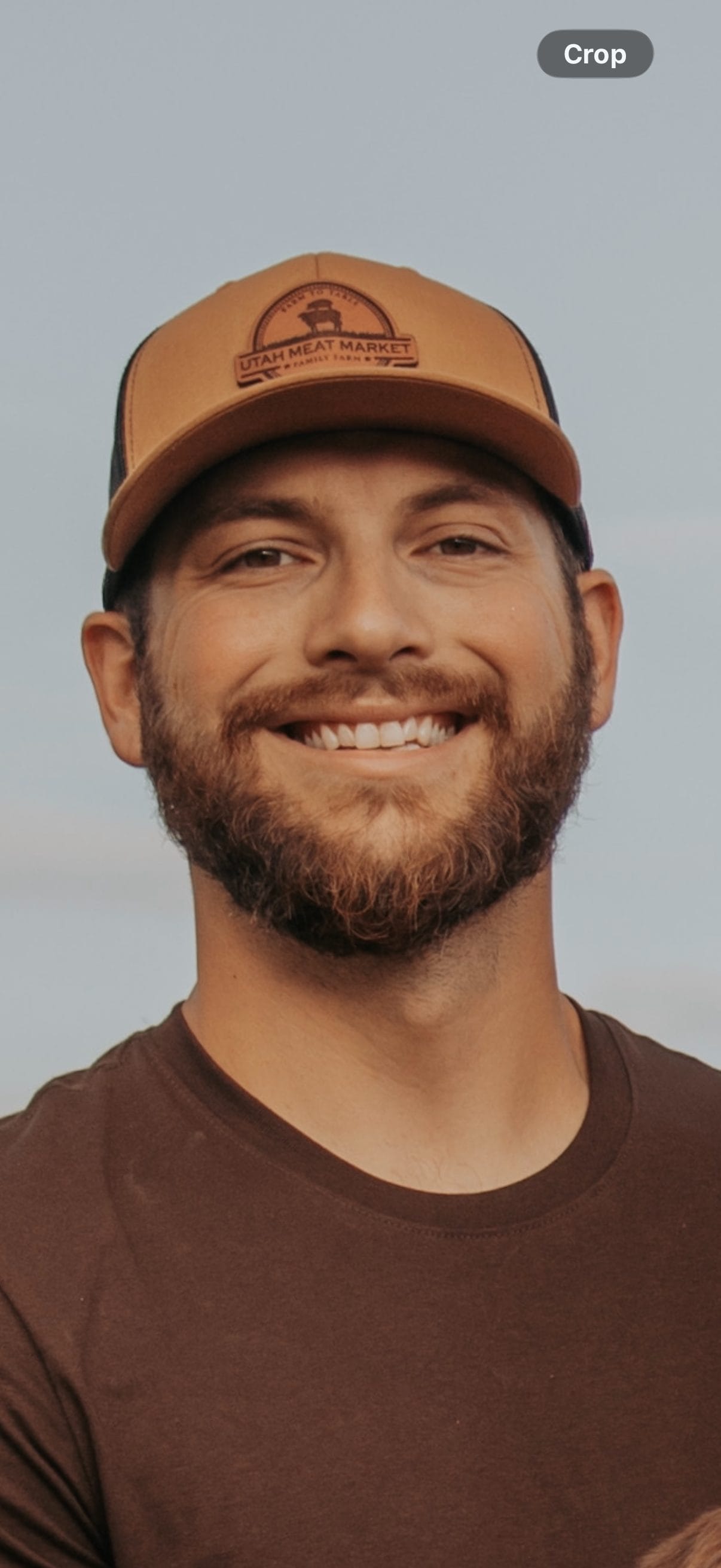 Levi Laird is a fourth-generation pig farmer from Waltonville, Illinois. He started with his own pigs as part of a National FFA Organization project. Since 2018, he’s raised farrow-to-finish hogs for Niman Ranch and now produces 500 per year on pasture and in deep-bedded barns. Levi also raises row crops and cattle with his family.
Pig feed mixes are most commonly made up of a combination of corn and soybeans. But historically, small grains played a much larger role in a complete ration. Come learn from Levi Laird how he works with his feed mill to incorporate oats into his hog feed. He’ll share what his recipe is and how his recipe changes based on pig age. Levi will also explain his new plans to start growing his own barley to add to the mix.
Breakout Session 2: 2:50-3:50 p.m.
Cover Crops: Roots of Resilience
Brian Corkill
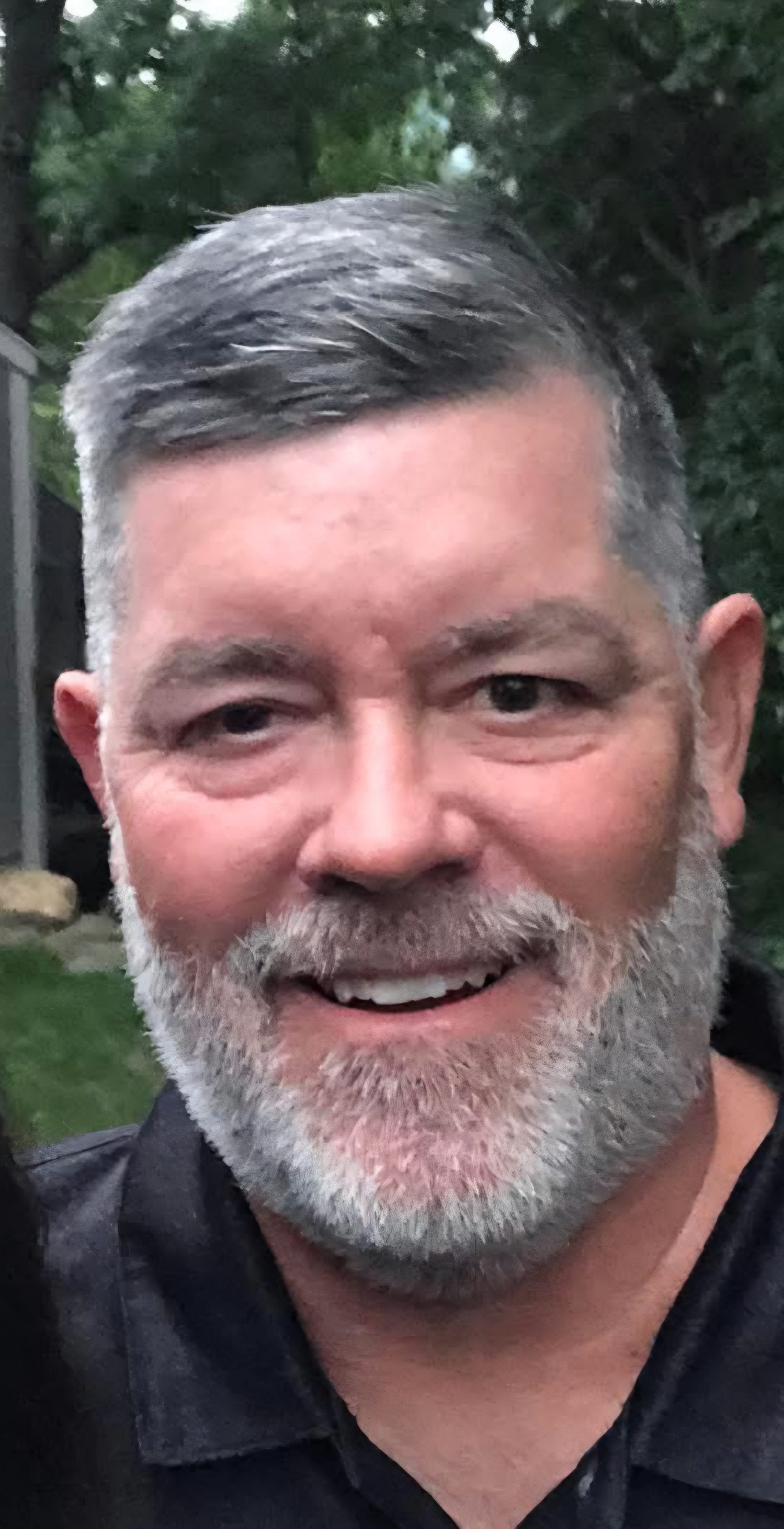 Brian Corkill and his father, Alan, farm 1,200 acres of corn and soybeans in Henry and Stark counties in Illinois using strip-till and no-till systems, along with cover crops. Brian started using cover crops to slow soil erosion and reverse soil compaction. In the years since, he has observed additional positive attributes of cover crops, including increased soil microbial activity and nitrogen retention.
Brian Corkill began planting cover crops in 2012 after he realized the impact they could have on his strip-till system. He has learned many lessons over the years through trial and error with cover crops, but has seen the benefits to his soil health and water quality around his farm. Brian will talk about his journey with cover crops and how they have helped him reduce inputs and suppress weeds.
Scaling Up Small-Grain Infrastructure To Grow a Business
Andrea Hazzard and Jeff Hake
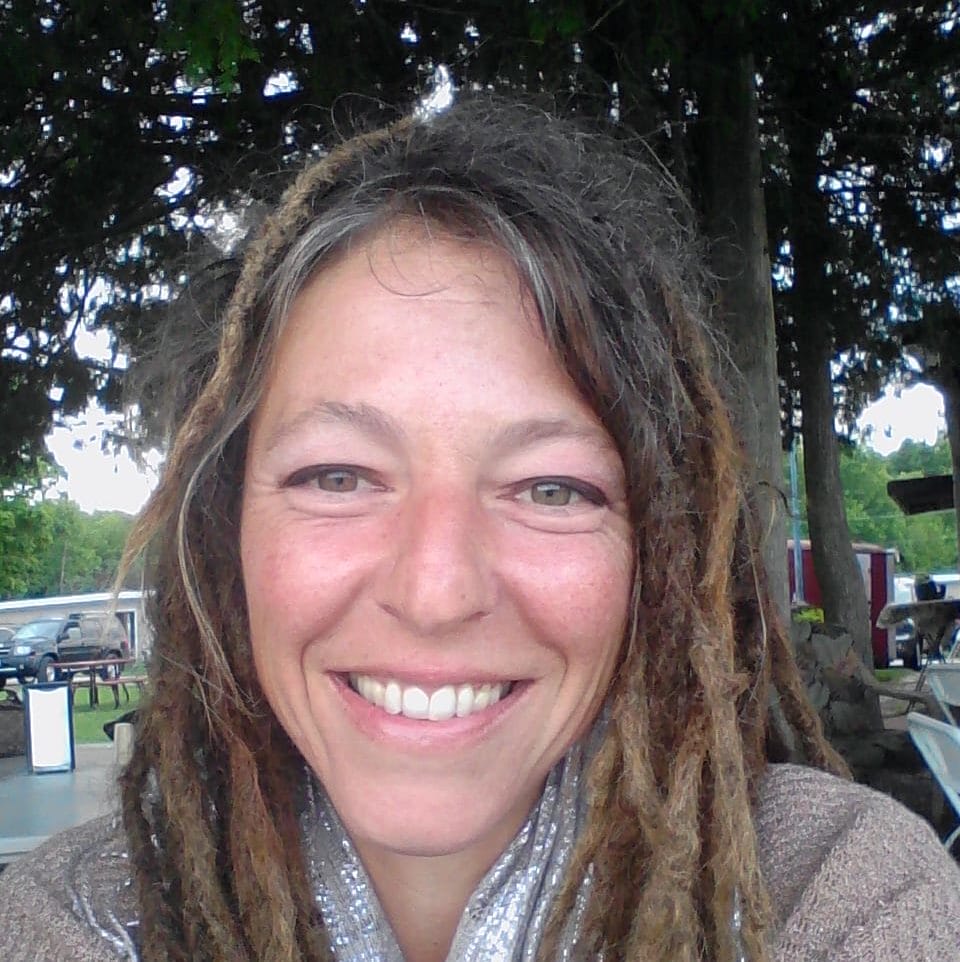
Andy Hazzard grows heirloom corn, oats, wheat, barley, rye and other small grains and dry beans on Hazzard Free Farm, outside of Pecatonica, Illinois. After starting with a small vegetable CSA in 2007, she decided to switch to grain production in 2012. Andy processes all her own grains and sells to local restaurants, distilleries, grocers and co-ops, along with shipping her orders.
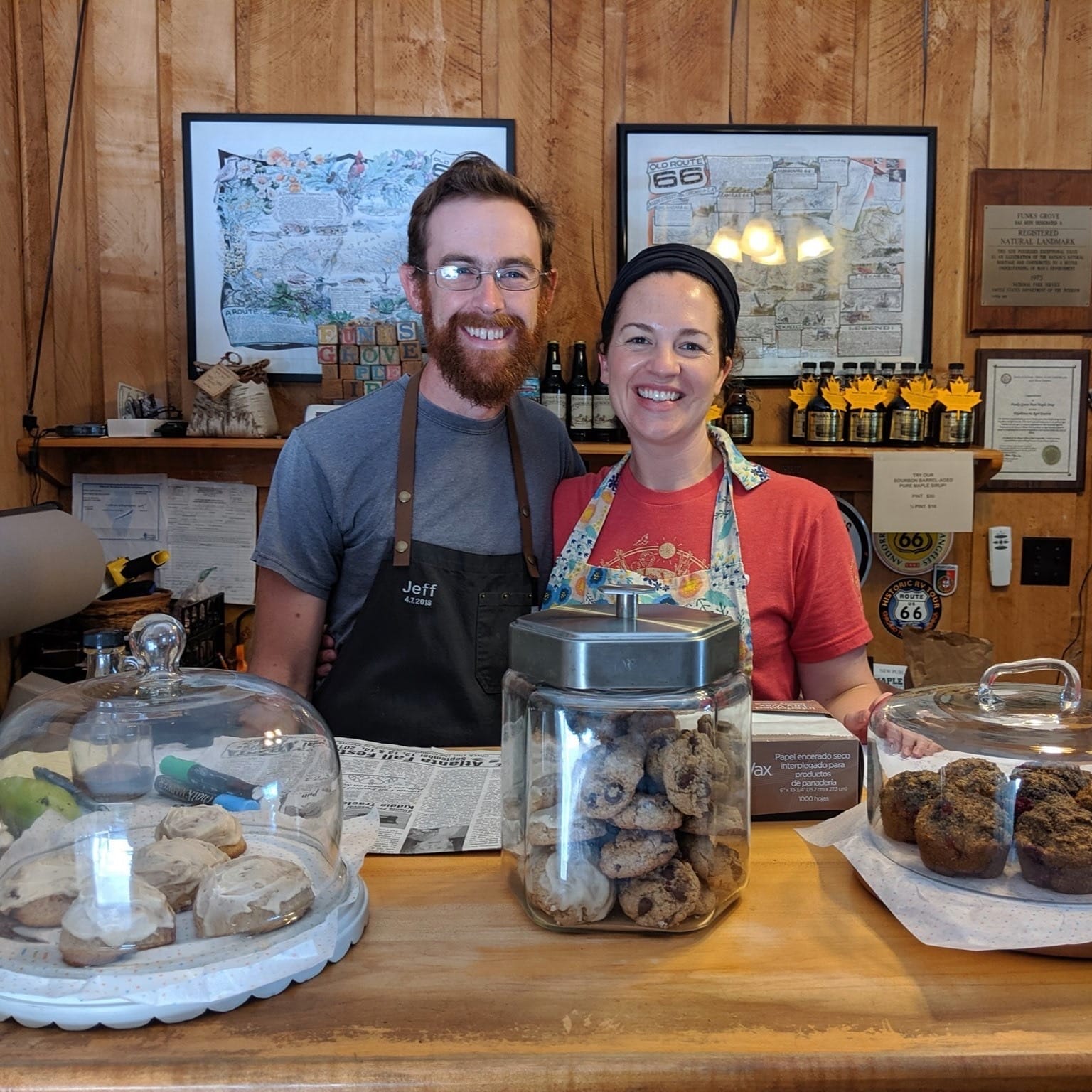 Jeff Hake and Katie Funk farm with Katie’s brother Jonathan Funk, at Funks Grove Heritage Fruits & Grains near McLean, Illinois. Katie and Jonathan are the sixth generation of their family to farm at Funks Grove. Together, the trio specializes in sustainably growing fruits and grains, which they turn into delicious and healthful food products.
Establishing and growing a food-grade grain business takes time, money and strategy. Finding space and equipment to meet needs is tricky, but scaling up can make a world of difference for a business to meet the demand for their locally processed and milled grains. Andy Hazzard of Hazzard Free Farm Grains and Jeff Hake of Funks Grove Heritage Fruits & Grains are excited to share about recent infrastructure changes on their vertically integrated farms, offering improved efficiency and opportunities for growth.
Grazing Cover Crops: A Conversation
Doug Hanson and Justin Rahn
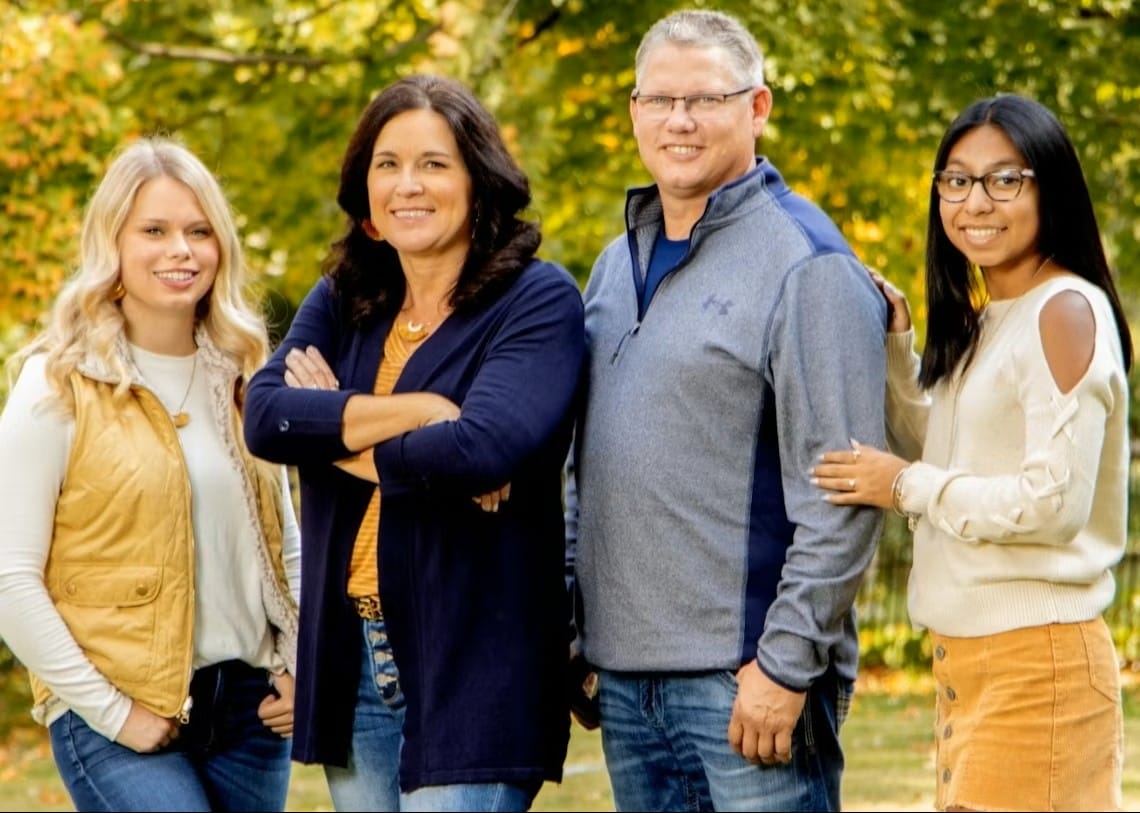 Doug Hanson operates a diversified crop and cow-calf operation in Iroquois County, Illinois. The farm consists of 76 acres in permanent pasture and 600 acres that are cropped annually in rotation. Rotational grazing of perennial pastures and cover crops is the focus of Doug’s cow-calf operation. He sells feeder calves to his daughter’s farm; she then finishes and direct-markets the meat.
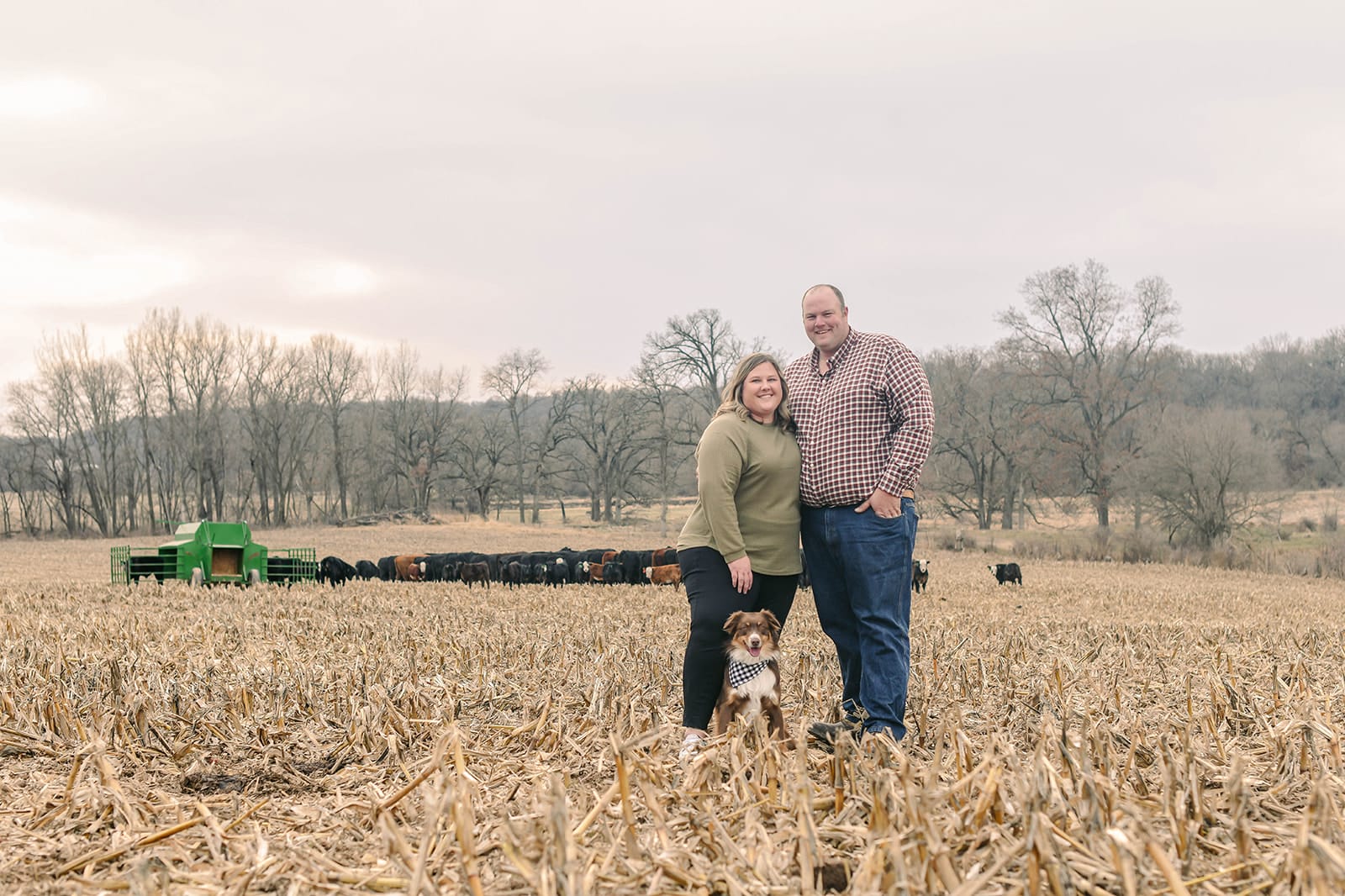 Justin Rahn farms with his wife, Ellen, and his in-laws near Mount Carroll, Illinois, where they raise corn, soybeans, alfalfa, wheat and rye, along with a beef cattle herd. Justin manages more than 1,300 acres and structures his beef operation around fall and early-spring calving to ensure full focus on spring planting. Justin and Ellen also own R&H Seed Solutions, providing custom cover crop seed and application services. Justin serves on the board of governors of the Illinois Beef Producers Association.
Come learn how Justin Rahn and Doug Hanson are making the most of cover crops on their farms. As part of their corn, soybean and small-grain rotations, Justin and Doug graze their cattle herds to maximize the value of cover crops through spring, summer and fall. Each brings unique experience to the table: Justin partners with neighboring farmers to graze livestock on additional acres while Doug uses Natural Resources Conservation Service programs to support investments in managed-grazing infrastructure. Join this conversation with Justin and Doug as they share how they’re making cover crops work for their farms, their cattle and their soil.