The State of Beef Processing
The dearth of accessible processors Chad experienced is not unique to farmers in southern Iowa – nor to the country as a whole. But the numbers for Iowa are particularly striking. According to the National Agricultural Statistics Service, Iowa ranks fourth nationally for number of steers over 500 pounds. In 2022, for instance, Iowa farmers marketed about 1.2 million head of cattle. But only about 25% of finished Iowa cattle are processed in-state, according to 2017 data from Iowa State University. That means nearly 1 million cattle are shipped out of state each year. Apart from the financial and logistical challenges farmers incur as a result, sending cattle to slaughter facilities out of Iowa also exports money that could be infusing local communities.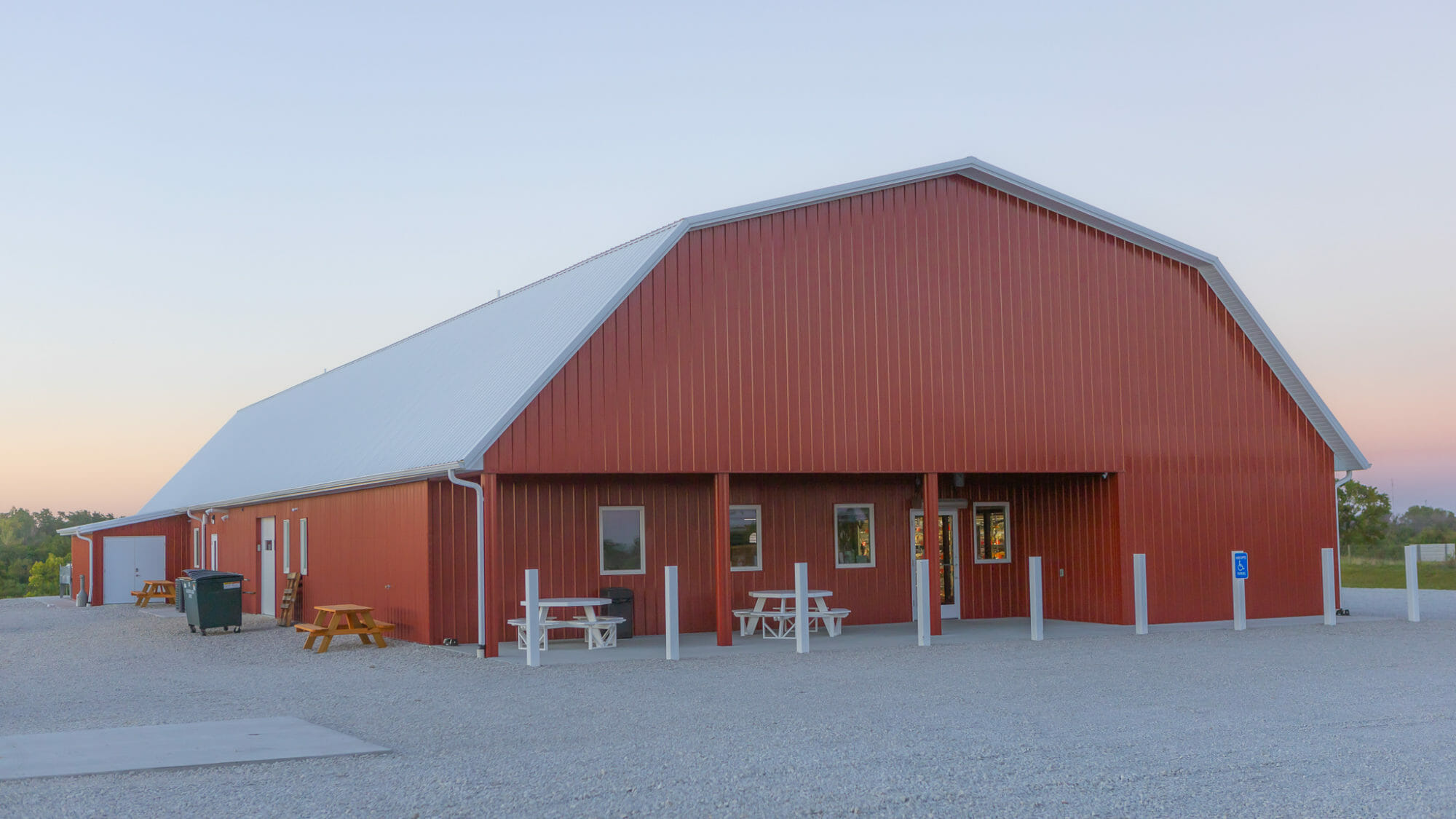
Making Space for New Processors
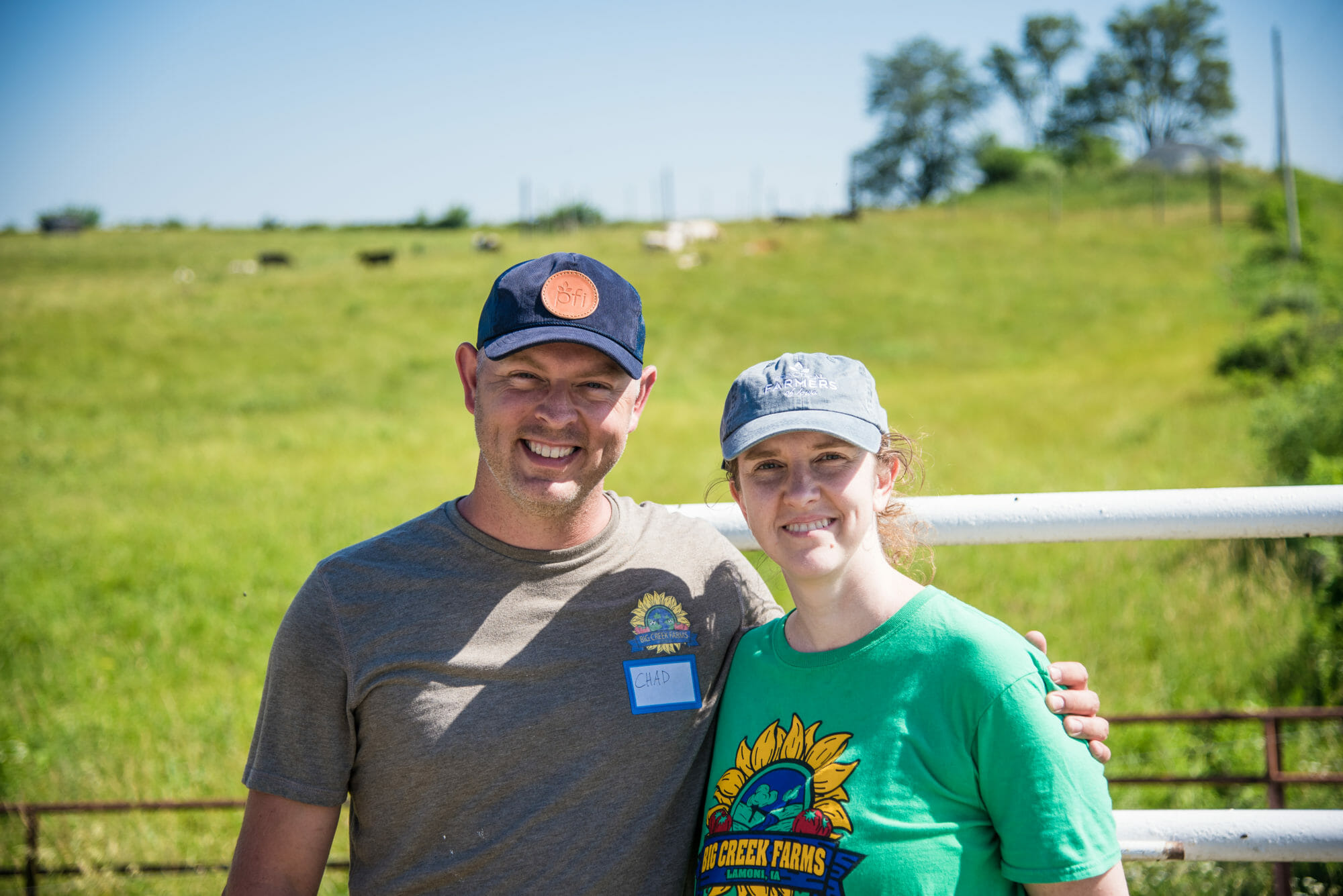
Today, four companies account for more than 80% of the nation's meat processing output. This consolidation has come at the expense of local processing capacity – and the ability to weather major shocks to the system. In 2020, that shock came when thousands of meat packing plant workers were infected with COVID-19, shutting down processing plants across the country. “There were fears there wasn't going to be enough meat,” recalls Jake Bigelow, who raises Hereford beef and pork at Bigelow Family Farms near Winterset, Iowa. “Everyone was trying to bring their livestock in to be processed at the same time,” says Chad Tettinger, cattle producer and president of a new processing plant slated to open near Council Bluffs, Iowa, in 2023. “In some cases, processors were booked solid several years out.” He gives credit to the major processors for expanding over the years to handle most of America's meat processing needs, but says the processing bottleneck they've created makes the whole system fragile. “When plants can't get cattle through to process, it backs up the whole supply chain and drives down live cattle prices.” Creating more small- and mid-sized meat processors isn't about “being anti-big processor,” he says. It's simply about adding redundancy to make a resilient system. “We fundamentally have to have more capacity in the Midwest.” Two years after COVID-19 first wreaked havoc, most facets of the food supply chain are returning to normal. But there remains a strong demand for more meat processing options. Chad Hensley believes more local and regional processors can benefit not just farmers, but consumers as well. “If consumers want more stable prices than what they're seeing at the grocery store, they need to put in effort to supporting local options.” Jake agrees. “We tried to make things so efficient in the ag industry that we've assumed resiliency is just going to be there.” He points out that sometimes the end goal of efficiency isn't enough. Redundancy has to be built in too, so that when one piece breaks it doesn't topple the entire system. “I think we've been lacking that for a long time.” But Jake believes the state and federal governments are finally taking notice.Statewide Action on Meat Processing
Cooperative Interstate Shipment Program
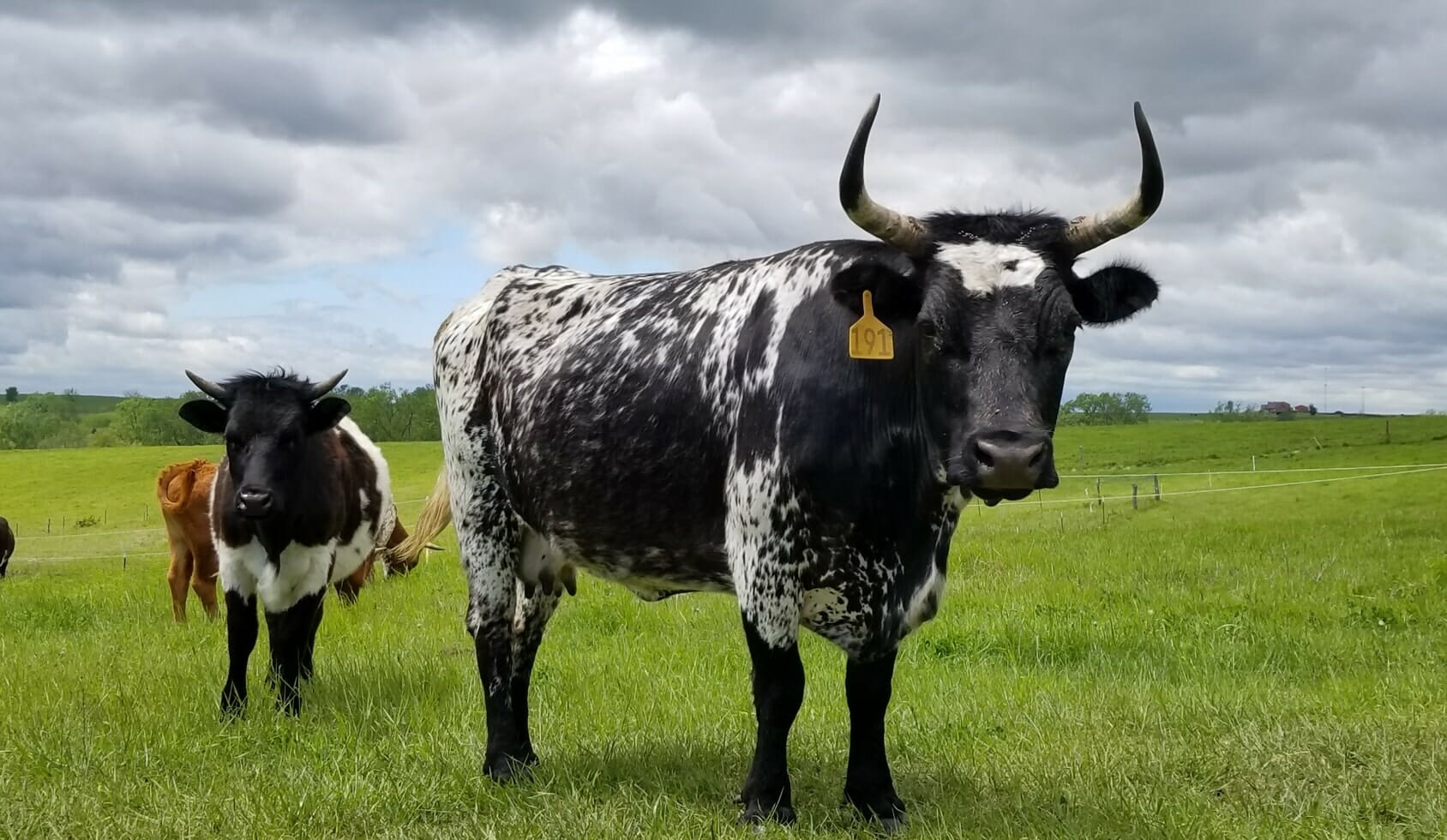
The Cooperative Interstate Shipment Program is another solution PFI members supported. In 2020, Iowa became the seventh state to join the program, first championed by Ty, which allows meat processed at state-inspected plants to be sold outside of Iowa. Prior to Iowa joining this program, farmers who wished to sell their meat across state lines had to process their products at a federally inspected plant. The U.S. Department of Agriculture carries out those inspections, but Iowa has few USDA-inspected facilities – and accessing slots can be difficult, or require farmers to drive long distances. Small- and mid-scale farmers also had trouble accessing those plants due to volume requirements and logistics tailored to larger-scale producers. As a result, smaller farms were effectively excluded from accessing customers and more lucrative market options in bigger Midwestern cities. Chad Hensley encountered this challenge: Despite living so close to Iowa's border, he needs a federally inspected facility to sell his meat at farmers markets in nearby Missouri towns. Given the large numbers of animals raised in Iowa, out of state sales are crucial for farmers who want to grow their businesses. With Cooperative Interstate Shipment, the USDA opened up new sales channels for Iowa farmers like Chad. Animals can now be slaughtered under the supervision of state inspectors and still be sold across state lines, bypassing the logjam created by the limited number of federally inspected facilities. Chad's cattle also bypass the stress of a long journey to their final destination. Grazing beneath the sky dance of swallows, bothered only by flies, they live good and quiet lives. Their last day will be a quick jaunt into town, barely far enough away to miss the cool waters of the pond from their morning wading.Return to Table of Contents Next article: "Coming Home, Passing It On"