Glyphosate for Grass Cover Crops
Glyphosate is the most used herbicide to terminate cereal rye. Our members tell us that it provides the most consistent control on grass cover crops and is often the most cost-effective. Note that the farmers featured here are not applying additional glyphosate on their cover cropped fields, they are simply adjusting the timing of when the product is applied to fit their termination plans. When terminating grass cover crops with glyphosate, it's important to use the full recommended rate. Weed science specialist and ISU extension agent Meaghan Anderson typically recommends 1 pound acid equivalent per acre for glyphosate. The product label will have the product formulation which you use to determine how many ounces of product to use. The herbicide label also contains information on proper use and safety. Jason adds that you should be cognizant of what products you use in the tank mix with glyphosate at termination. If the cover crop is “burned” by other products, then the effectiveness can go down.What herbicide products are some of our farmers using this spring to terminate cereal rye?
Below are the products that Jason, Clint and Micah are using this spring to terminate their cover crop. These products are applied on a per acre basis. The farmers featured typically use a 15 gallon per acre carrier, and they note that using a carrier of more than 15 gallons per acre could dilute the product to the point of reducing efficacy. Jason Orr Pre:- 40 ounces PowerMax
- 75 ounces ammonium sulfate (AMS) (aids the efficacy of glyphosate)
- 1.75 ounces generic insecticide
- 1 pint liquid Atrazine
- 36 ounces ImpactCore
- 1 quart Croplift (stress mitigation product)
- 70 ounces AMS
- 5 ounces MSO crop oil (adjuvant)
- 1 quart Atrazine4L
- 40 ounces PowerMax3
- 4 ounces Warrior
- 3.5 ounces AnthemMaxx
- 5 ounces crop oil concentrate (COC) (surfactant)
- 2 pounds AMS
- 1 pint Atrazine4L
- 20 ounces PowerMax3
- 4 ounces Status
- 3 ounces generic Callisto
- 5 ounces COC
- 2 pounds AMS
- 40 ounces PowerMax3
- 2.5 ounces Fierce
- 2 ounces ValorXLT
- 5 ounces COC
- 2 pounds AMS
- 1 quart EnlistOne
- 20 ounces PowerMax3
- 5 ounces COC
- 2 pounds AMS
- 1 quart Harness
- 30 ounces PowerMax3
- 3 ounces ArvumUltra (drift and deposition aid)
- 1.5 pint Atrazine4L
- 30 ounces RoundupPM3
- 8 ounces FervusUltra (HCMSO and drift aid)
- 4 ounces NanoPro (brings a higher concentration of active ingredients into the plant)
- 3 ounces Laudis
- 4 pounds AMS
- 1 pint FierceMTZ
- 30 ounces RoundupPowerMax
- 3 ounces ArvumUltra
- 36 ounces Liberty
- 10 ounces FusiladeDX
- 6 ounces Perpetuo
- 6 ounces FervusUltra
- 4 ounces NanoPro
- 4 pounds AMS
Termination Timing is Key for Cash Crop Success
Decision-making for Corn
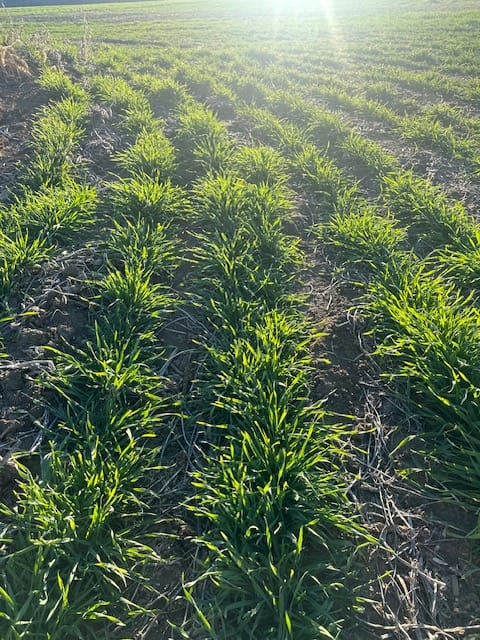
For a cereal rye cover crop, most experts recommend terminating 10-14 days before planting corn. Termination well before planting can help mitigate potential nitrogen tie up in the corn seedling, which could lead to stunting or corn seedling disease. Clint and Micah aim to terminate their cereal rye cover crops when the rye is about 4-6 inches in height. Terminating before the cover crop gets too tall minimizes the risk of potential negative yield effects. Terminating early can also help reduce competition for water and nutrients between the corn and cover crops. Clint adds that avoiding lots of biomass helps the cash crop emerge easier. Micah terminates when the rye is this height since he does a tillage pass with the chemical termination. Micah makes one tillage pass to help with termination about a day or so before planting, and then several days after planting, Micah applies glyphosate to catch any “escapes.”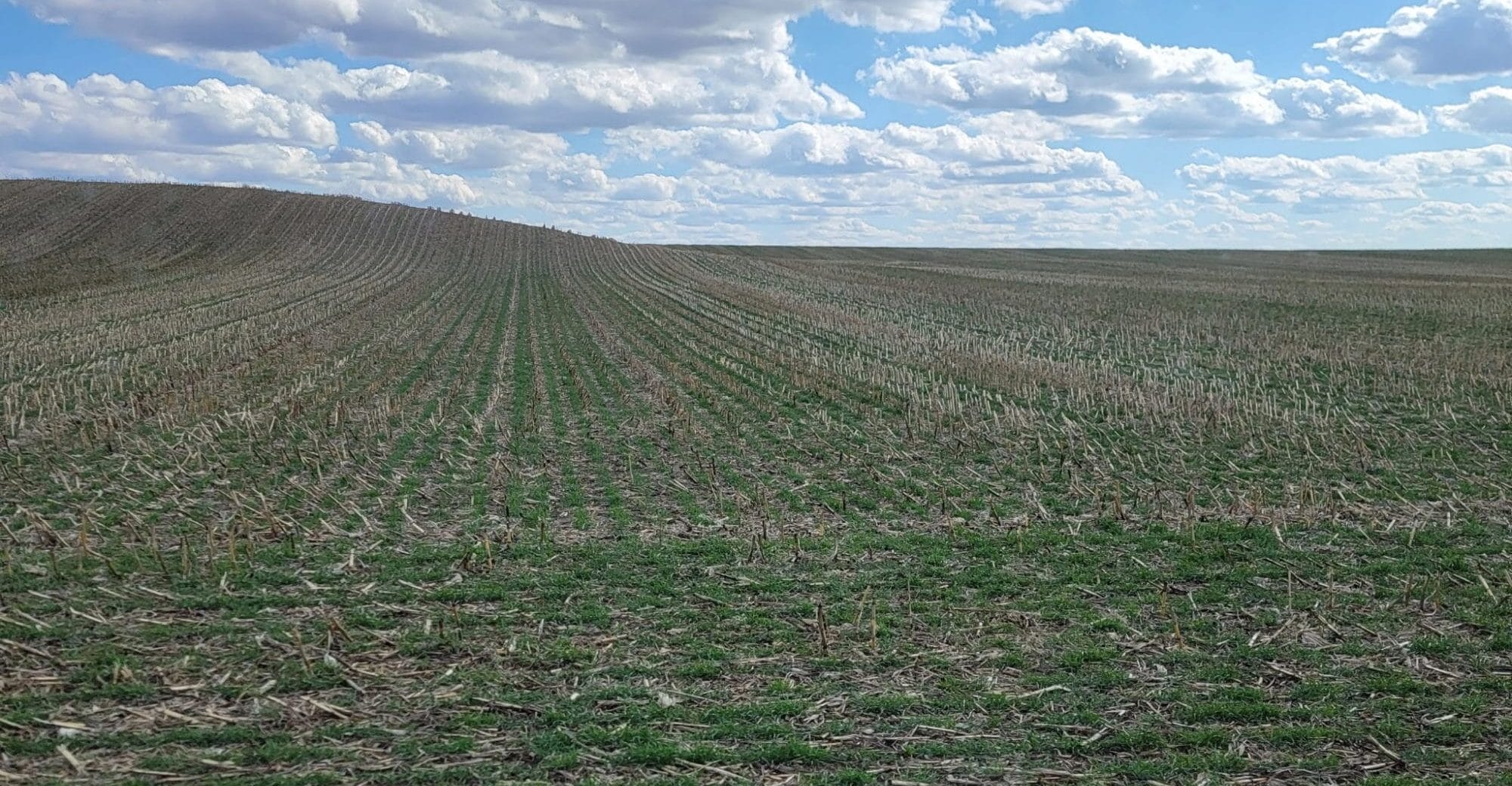
Decision-Making for Soybeans
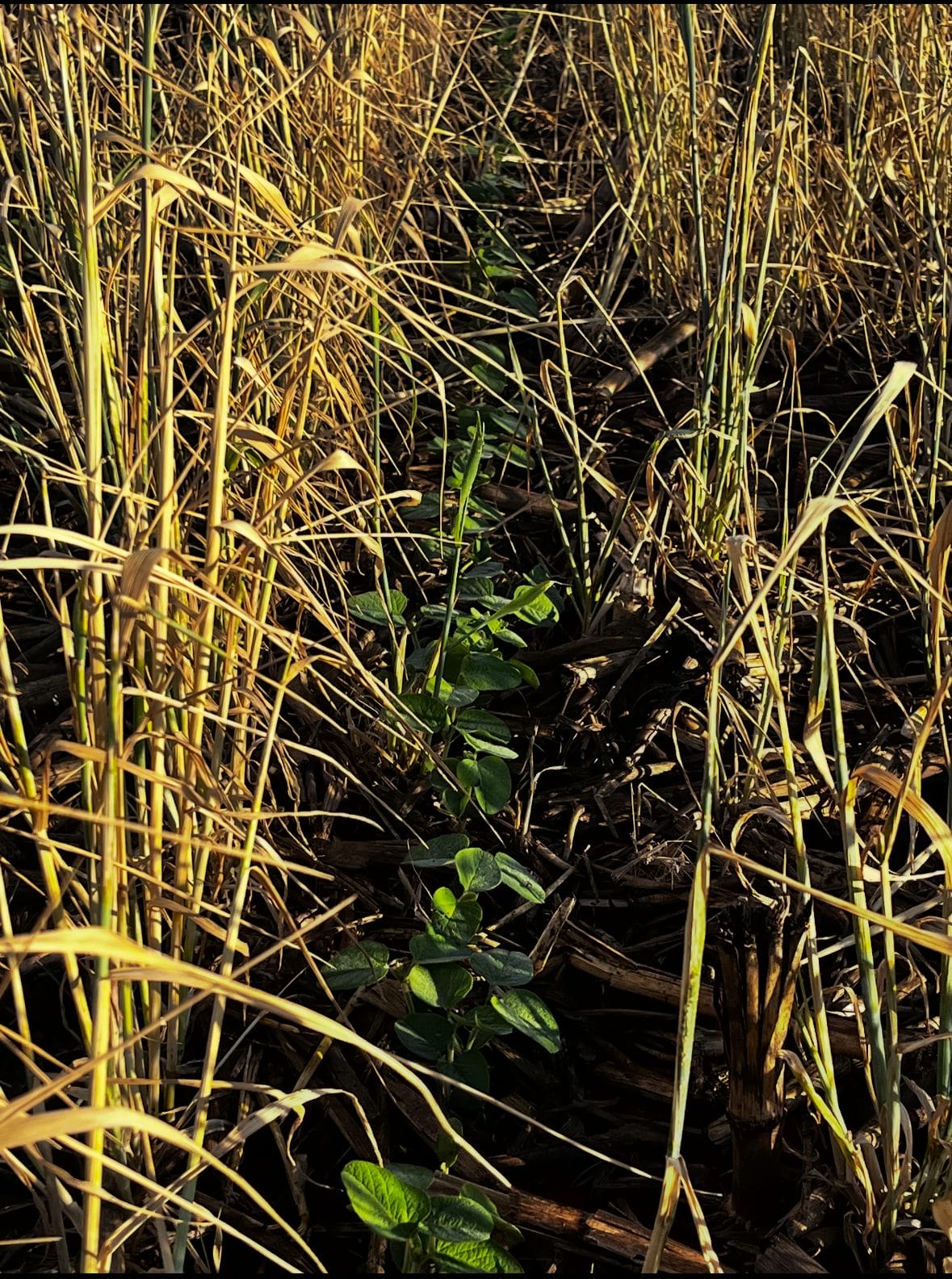
Monitoring Mother Nature
Regardless of your intentions for termination timing, weather plays the trump card on whether you should be applying herbicide. For an herbicide application to be effective, the target plant must be actively photosynthesizing. For that reason, farmers in our network recommended spraying on sunny days with daytime temperatures above 60°F and nighttime temperatures above 40°F at the minimum. Clint, Jason and Micah all recommend waiting for evening temperatures to be in the 50s. And if it's windy, they recommend pivoting to planting instead.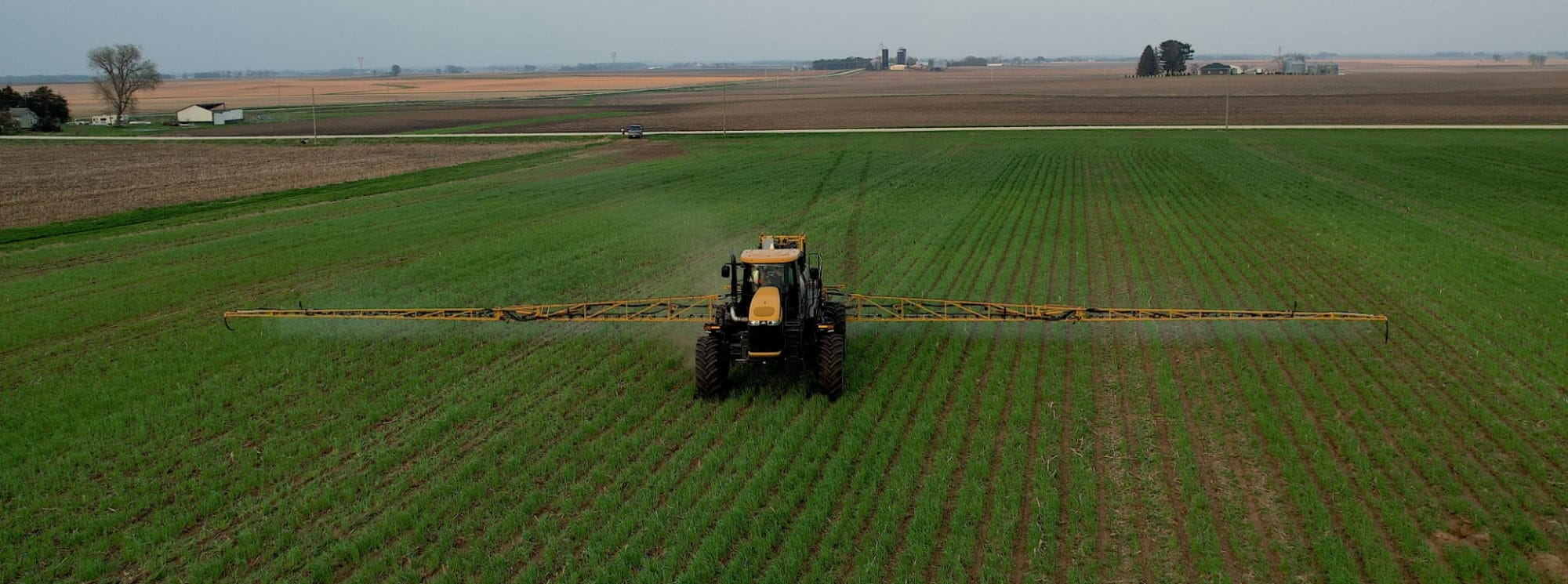
- Delaying application until warmer weather
- Increasing rate of glyphosate
- Adding AMS or other additives to the tank to aid the action of glyphosate
Staying the Course and Being Adaptable
On Jason's century family farm in Rowley, Iowa, cereal rye cover crops have been planted for a decade. Even with many years of experience, Jason is continually learning and keeps testing what works best on his farm. “We're always trying something,” says Jason. Clint has also been cover cropping for over a decade, planting cereal rye on roughly a thousand acres of row crop ground. Clint expresses that it's taken time to get where he's at regarding cover crop management. He advises, “Be patient and don't worry about the neighbors.” Micah farms about 900 acres of row crops and has been using cereal rye and winter camelina cover crops for the last seven years. Micah reflects on the good that the cover crops are doing. “It's very interesting when you dig - you can see the granular soil structure, earthworm activity and more robust corn roots.” To summarize, don't be afraid to try something new, focus on your farm's needs and get out and look at your crops and soil. Termination doesn't have to be intimidating.Additional Cover Crop Termination Resources
- “Terminating Cereal Rye Cover Crop Before Corn” by Practical Farmers of Iowa
- “Cereal Rye Cover Crop Termination Date Before Corn” by Practical Farmers of Iowa
- “Terminating Cover Crops After Seeding Soybeans” by Practical Farmers of Iowa
- “Spring Cover Crop Termination” by Meaghan Anderson and Bob Hartzler with Iowa State University Extension and Outreach; published in Integrated Crop Management News
- “Herbicides and Variable Weather” by Wesley Everman and Meaghan Anderson with Iowa State University Extension and Outreach; published in Integrated Crop Management News
- “Terminating Cover Crops and Planning for Unexpected Weather” by Midwest Cover Crops Council